


How Does Temperature Change Affect Bird Migration?
Have you ever wondered why some birds appear and disappear at certain times of the year? Bird migration is one of nature’s most fascinating phenomena.
These incredible journeys, spanning thousands of miles, are guided by the changing seasons. But what happens when temperatures fluctuate in unexpected ways? How do these changes impact our feathered friends and their epic travels? You’ll uncover the mysteries behind how temperature shifts affect bird migration patterns and what it means for the future of these remarkable creatures.
Prepare to be amazed by the resilience and adaptability of birds, and discover how your actions can make a difference. Keep reading to find out how you can help protect these avian travelers and ensure their safe passage for generations to come.
Temperature Change And Bird Migration
Bird migration is a fascinating phenomenon, with millions of birds traveling thousands of miles across continents. However, changes in temperature have begun to alter these migratory patterns. Understanding how temperature fluctuations impact bird migration can help us appreciate the delicate balance of our ecosystem. Let's delve into how these changes affect different aspects of bird migration.
Impact On Migration Timing
Temperature changes have a profound effect on the timing of bird migration. Warmer temperatures can lead birds to migrate earlier than usual. For instance, if spring arrives sooner, birds might start their journey earlier to ensure they reach their breeding grounds in time.
Conversely, if temperatures remain colder for longer periods, birds may delay their migration. This shift in timing can impact their survival, as arriving too early or too late can affect food availability. Have you noticed any changes in bird migrations in your area?
Effects On Migration Routes
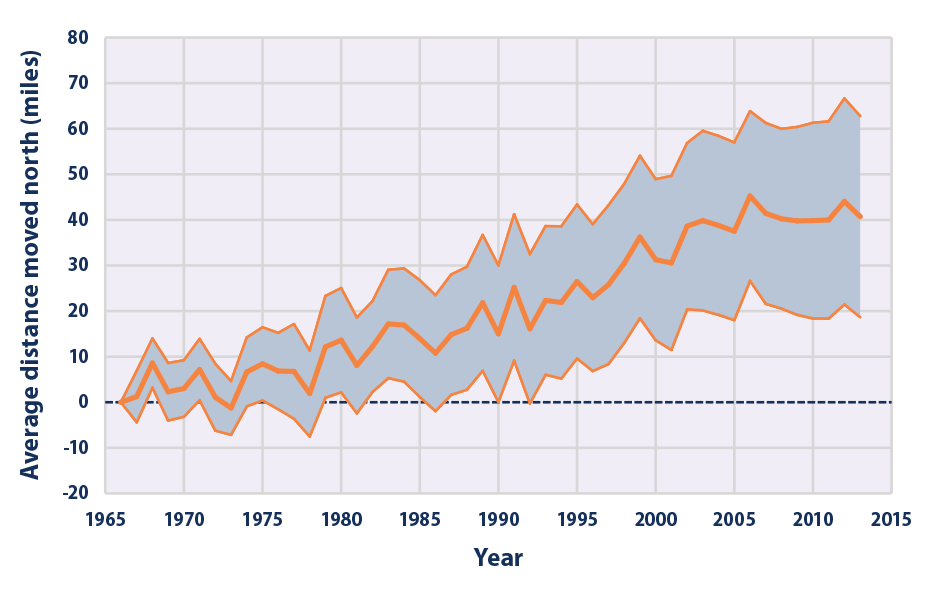
Temperature variations can also alter the routes birds take during migration. Birds rely on specific environmental cues to guide their journey. As temperatures change, these cues may shift, causing birds to take different paths.
In some cases, birds might find themselves traversing areas with fewer resources or more predators. This can result in higher mortality rates and impact their overall population. Monitoring these shifts can provide valuable insights into the resilience of bird species.
Influence On Stopover Sites
Stopover sites are critical for birds to rest and refuel during their long migrations. Temperature changes can influence the availability of these sites. For example, if a wetland dries up due to increased temperatures, birds may struggle to find suitable resting places.
This can lead to longer flights with fewer breaks, increasing stress and energy expenditure. Protecting and maintaining these habitats is crucial for supporting healthy bird populations. Are there any local conservation efforts you can support?
Credit: www.epa.gov
Physiological Effects On Birds
Temperature changes influence bird migration patterns significantly. Rising temperatures may alter flight routes, affecting food availability and breeding grounds. Birds adapt by adjusting their migration timing, but sudden shifts can disrupt their natural cycles.
Temperature changes impact bird migration significantly. Birds rely on consistent weather patterns. Shifts in temperature affect their physiology. These shifts influence their energy needs, adaptation strategies, and stress levels. Understanding these effects is crucial for conservation efforts.
Temperature And Energy Requirements
Birds expend energy to maintain their body temperature. Colder temperatures increase this energy demand. Birds need more food to fuel their migration. Warmer temperatures may reduce their energy needs. But this can also mean less food availability. This imbalance affects their migration success.
Adaptation Mechanisms
Birds develop various adaptation strategies. Some adjust their body temperature. Others change their migratory routes. Some species alter their timing of migration. This helps them cope with temperature changes. These adaptations are essential for survival.
Stress Responses
Temperature fluctuations can cause stress. Stress affects birds' health and migration. Prolonged stress weakens their immune system. It makes them vulnerable to diseases. Stress also impacts their reproductive success. Managing stress is vital for their well-being. `
Ecological Consequences
Bird migration is a vital ecological process. It affects ecosystems in multiple ways. Temperature changes disrupt migration patterns. These disruptions lead to significant ecological consequences. Bird migration influences food chains and ecosystems. Understanding these impacts is crucial. Let's explore how temperature shifts affect bird migration.
Changes In Food Availability
Birds rely on specific food sources during migration. Rising temperatures change food availability. Plants bloom earlier or later than expected. Insects emerge at different times. This mismatch affects birds' diets. Birds struggle to find enough food. Their health and survival are at risk. Altered food sources lead to fewer birds. It disrupts the ecosystem's balance.
Altered Predator-prey Dynamics
Temperature changes affect predator-prey dynamics. Birds migrate earlier or later than usual. Predators adjust their hunting strategies. Some predators miss their prey. Others find new opportunities. This shift impacts the food chain. It affects species survival. Predators may increase in number. Prey populations may decline. It threatens ecosystem stability.
Ecosystem Balance
Bird migration plays a role in ecosystem balance. Temperature changes affect migration timing. Birds help with seed dispersal. They control insect populations. Disrupted migration leads to imbalances. Plants may not spread effectively. Insects may overpopulate. It creates challenges for ecosystems. Ecosystem health and diversity are at risk.
Species-specific Migration Patterns
Bird migration is a fascinating phenomenon that exhibits unique patterns specific to each species. This diversity is influenced by a myriad of factors, with temperature changes playing a pivotal role in these migration patterns. By understanding the variability among bird species, we can gain insights into how climate affects their journeys and survival strategies.
Variability Among Bird Species
Not all birds migrate in the same way. Some species may fly thousands of miles to reach their destination, while others travel shorter distances. Temperature changes can drastically influence these patterns. For example, warmer winters might cause some birds to shorten their migration routes or skip migration altogether.
Birds such as the American Robin may alter their migration timing depending on the temperature cues. As a result, your backyard might see robins earlier in the spring than in previous years. This variability requires constant adaptation, both for the birds and for those who study them.
Case Studies Of Migratory Birds
Consider the Arctic Tern, known for its epic migration from the Arctic to Antarctica. Temperature changes in its breeding grounds can affect the timing and length of its journey. Studies show that even slight shifts in temperature can impact food availability, which in turn affects migration.
Similarly, the Barn Swallow has adjusted its migration pattern due to temperature changes. Warmer climates allow it to stay in its breeding ground longer, delaying its journey south. You might witness these changes firsthand as swallows linger longer in your area.
Evolutionary Implications
Temperature-induced changes in migration patterns have evolutionary consequences. Birds that adapt successfully to these changes may have a better chance of survival. This adaptability might lead to shifts in genetic traits over generations.
As a bird enthusiast, you might wonder: how will these changes affect the future of avian species? The answer lies in their ability to evolve with the climate. Observing these patterns can provide you with clues about the resilience and adaptability of different bird species.
Understanding species-specific migration patterns offers a window into the complex world of avian life. How might your local bird populations be adapting to temperature changes? Keep an eye on their migration habits; you might discover something new and exciting.
Human Influence And Conservation
Temperature changes impact bird migration by altering their habitats and food availability. Birds may migrate earlier or change routes. This affects their survival and ecosystem balance, highlighting the importance of conservation efforts.
Human activities have significantly impacted bird migration, especially through changes in temperature. As global temperatures rise due to human-induced climate change, birds are forced to alter their migratory patterns. This shift not only affects the birds but also the ecosystems they are part of. By understanding the human influence on migration, we can better develop conservation strategies that protect both birds and their habitats.
Climate Change Impact
Rising temperatures have disrupted traditional migratory paths. Birds now face the challenge of finding food and suitable nesting sites along their journey. For example, warmer winters can lead to early spring, causing birds to arrive before food sources like insects are available. This mismatch can result in lower survival rates for both adult birds and their offspring. Have you noticed changes in bird populations in your area? These shifts are often a direct result of climate change impacts.
Conservation Strategies
To address these changes, conservationists are developing strategies that focus on habitat protection and restoration. One effective approach is creating wildlife corridors that connect fragmented habitats. These corridors allow birds to safely travel and find resources. Additionally, planting native trees and shrubs can provide food and shelter along migratory routes. Communities can also participate by creating bird-friendly spaces in local parks and gardens. What small changes can you make in your own backyard to support migrating birds?
Role Of Policy And Education
Policies play a crucial role in bird conservation. Governments can implement regulations to reduce carbon emissions, which contribute to climate change. This can help stabilize temperatures and mitigate impacts on migration. Education is equally important. By raising awareness about the effects of temperature changes on bird migration, individuals are more likely to support and engage in conservation efforts. Schools, community groups, and online platforms can all serve as avenues for spreading this vital information. How can you contribute to educating others about the importance of bird conservation? Your actions, no matter how small, can make a difference. Understanding the interconnectedness of human activities, climate change, and bird migration is key to preserving these incredible creatures for future generations.
Credit: climateconnection.org.in
Future Research Directions
Understanding how temperature changes impact bird migration is crucial. Birds are sensitive to climate shifts, which affect their migratory patterns. Scientists are exploring new ways to study these changes, focusing on future research directions. These efforts aim to provide insights into how birds adapt to evolving climates.
Technological Advances
Advances in technology are transforming bird migration research. Drones and satellite tracking offer detailed data on bird movements. These tools help scientists observe birds in remote areas. Innovative sensors provide real-time information on environmental conditions. Technology enables precise monitoring of temperature effects on migration.
Long-term Monitoring
Long-term monitoring is essential for understanding migration changes over time. Researchers track birds across seasons to see patterns. Continuous data collection reveals trends in migratory behavior. It highlights how temperature shifts influence bird routes. This approach helps predict future migration paths.
Interdisciplinary Approaches
Combining expertise from different fields enhances migration studies. Collaboration between ecologists, meteorologists, and technologists offers diverse insights. This interdisciplinary approach examines the relationship between climate and migration. It provides a comprehensive view of how temperature affects birds. By working together, researchers develop effective strategies for conservation.
Credit: www.eurekalert.org
Frequently Asked Questions
How Does Temperature Affect Bird Migration Patterns?
Temperature changes can significantly alter bird migration patterns. Warmer temperatures may lead birds to migrate earlier. Conversely, colder temperatures might delay their departure. These shifts can disrupt breeding and feeding cycles. Birds must adapt quickly to survive changing environmental conditions.
This phenomenon highlights the impact of climate change on wildlife.
Why Do Birds Migrate Due To Temperature Changes?
Birds migrate to find optimal living conditions. Temperature changes can affect food availability and habitat suitability. As temperatures rise or fall, birds move to areas that meet their needs. Migration ensures they find suitable breeding and feeding grounds. Adapting to temperature changes is crucial for their survival.
Can Climate Change Impact Bird Migration Routes?
Yes, climate change can alter bird migration routes. As temperatures rise, traditional routes may become unsuitable. Birds might need to find new pathways to reach their destinations. This can lead to longer journeys and increased energy expenditure. Such changes pose challenges to bird populations worldwide.
How Do Birds Adapt To Temperature Fluctuations?
Birds adapt to temperature fluctuations through behavioral and physiological changes. They may adjust their migration timing, routes, or destinations. Some species might change their diet to cope with new environments. These adaptations help birds survive and thrive despite environmental changes caused by temperature fluctuations.
Conclusion
Bird migration is deeply impacted by temperature changes. Birds rely on consistent climate patterns. Shifts in temperature confuse their migration timing. This can lead to survival challenges. Birds may arrive too early or too late. This affects their breeding and food supply.
Conservation efforts must focus on climate change. Protecting habitats is crucial for their survival. Understanding these impacts helps us protect bird species. Our actions today can ensure their future. Let’s work together to preserve their migratory patterns. For the birds, and for us.