


Have you ever looked up at the sky and wondered where those migrating birds are heading? If you live in or near Richmond, Virginia, you might be curious to know if your city is a stop on their incredible journey.
Understanding Richmond's role in bird migration can transform your perspective on the natural world around you. Imagine witnessing the awe-inspiring sight of flocks soaring above, knowing your city plays a pivotal part in their travels. You’ll discover why Richmond is more than just a spot on the map for these avian adventurers.
This article will uncover fascinating insights into the migratory paths of birds and explain how Richmond fits into this grand scheme. You'll learn how this route impacts the local ecosystem and what you can do to contribute to the preservation of these migratory marvels. Keep reading, and you'll gain a newfound appreciation for the skies above your city.
Richmond’s Geographic Significance
Richmond, VA is a key stop on the bird migration route. Birds often rest here during their long journeys. Its rivers and natural landscapes provide ideal habitats for various species.
Richmond's geographic significance plays a pivotal role in bird migration patterns across the East Coast of the United States. Nestled strategically between the Atlantic Ocean and the Appalachian Mountains, Richmond serves as a vital waypoint for numerous bird species during their seasonal journeys. This unique positioning offers a rich tapestry of habitats, making it a crucial spot for both the birds and the birdwatchers eager to witness this natural spectacle.
Richmond’s Strategic Location
Richmond's location is not just a dot on the map—it's a beacon for migrating birds. Positioned along the Atlantic Flyway, the city provides a natural corridor for avian travelers. This route is one of four major migration paths in North America, guiding millions of birds from their breeding grounds in the north to their winter homes in the south.
Diverse Habitats
Richmond's varied landscapes are like a buffet for migrating birds. From lush forests to expansive wetlands, the region offers a variety of stopover points. These habitats provide essential resources such as food, water, and rest, which are critical for birds on their long journeys.
A Haven For Birdwatchers
Are you a bird enthusiast eager to catch a glimpse of rare species? Richmond is your destination. With numerous parks and natural reserves, the city offers perfect spots for birdwatching. Imagine spotting a majestic Bald Eagle or a colorful warbler right in your backyard!
Seasonal Highlights
Timing your visit can enhance your birdwatching experience. Spring and fall are peak migration seasons in Richmond, offering the best opportunities to see a variety of species. Consider planning your outings around these times for a more rewarding experience.
Conservation Efforts
Richmond's role in bird migration emphasizes the importance of conservation. Local organizations work tirelessly to preserve natural habitats and protect bird populations. By supporting these efforts, you contribute to maintaining Richmond as a thriving stopover for migratory birds. Richmond's geographic significance is more than just a point of interest; it's a testament to the city's role in the natural world. Whether you're a seasoned birdwatcher or a curious newcomer, Richmond offers an engaging and rewarding experience. So, why not pack your binoculars and see what avian wonders await?
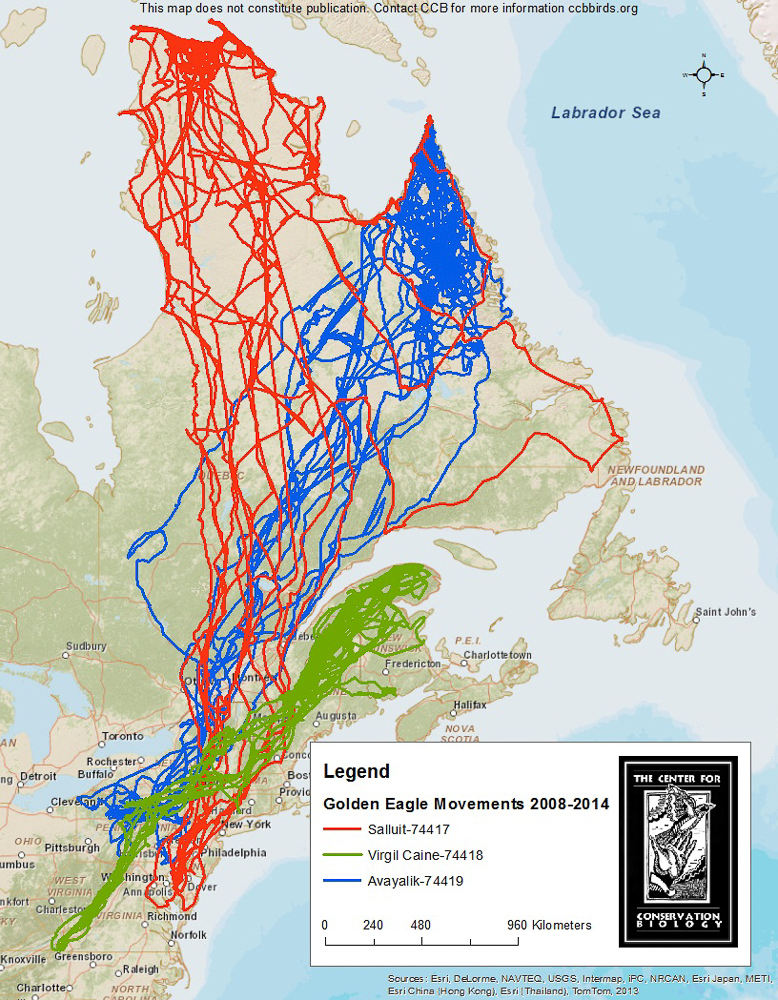
Credit: ccbbirds.org
Key Bird Migration Routes In North America
Bird migration is an amazing phenomenon that captures the imagination of many. In North America, several key routes are essential for birds traveling to and from their breeding grounds. These pathways are not just lines on a map—they are lifelines for millions of birds. Understanding these routes can deepen your appreciation for the migratory journeys and help you spot these winged travelers.
The major flyways in North America include the Pacific, Central, Mississippi, and Atlantic. Each route offers unique opportunities to observe migratory birds.
The Pacific Flyway
The Pacific Flyway stretches along the western coast, offering breathtaking views of birds like the sandhill crane and snow goose. If you find yourself near a coastal wetland or estuary, don't miss the chance to witness these incredible migrations.
The Central Flyway
The Central Flyway is a hub for waterfowl, stretching from Canada to the Gulf of Mexico. You might spot a flock of ducks soaring overhead as they head south for the winter. This route is famous for its vibrant gatherings, especially in areas like the Platte River in Nebraska.
The Mississippi Flyway
The Mississippi Flyway attracts millions of birds each year. This corridor is ideal for those who love watching songbirds and raptors. Imagine standing by the riverbanks, binoculars in hand, as you witness the spectacle of migration. It's a sight you'll never forget.
The Atlantic Flyway
The Atlantic Flyway runs along the eastern coast, where you can see a variety of shorebirds and seabirds. This route is perfect for bird enthusiasts living in urban areas. Cities like Richmond, VA offer surprising spots to observe these migrations, proving that nature is never far away.
Have you ever wondered how these birds navigate such long distances? Scientists believe they use a combination of Earth's magnetic fields, stars, and landmarks. Next time you see a flock passing by, consider the incredible journey they're undertaking. It's a reminder of nature's brilliance and resilience.
Bird migration routes are not just paths; they're a testament to the strength and determination of these creatures. As you learn more about them, think about how you can support their journeys. Are there local conservation efforts you can join? Every little bit helps to ensure these routes remain safe and vibrant for generations to come.
Richmond’s Role In Eastern Flyway
Richmond, Virginia plays a vital role in the Eastern Flyway, a major bird migration route. This city offers a rich habitat for diverse bird species during their seasonal journeys, providing shelter and food along their migration path.
Richmond, Virginia, is more than just a city with rich history and vibrant culture. It plays a crucial role in the Eastern Flyway, a major bird migration route in North America. Bird enthusiasts and conservationists often turn their attention to Richmond during migration seasons, as it becomes a temporary haven for a variety of bird species.
Richmond's Strategic Location In The Eastern Flyway
Richmond sits strategically along the Eastern Flyway, one of the four major North American migratory routes. This flyway stretches from the Arctic tundra of Canada to the tropical climates of South America. Richmond's geographical location makes it an ideal stopover for birds needing rest and nourishment on their long journey.
The Variety Of Birds That Visit Richmond
During migration periods, Richmond sees an impressive variety of bird species. From warblers and orioles to ducks and hawks, these birds rely on Richmond's abundant resources. This diversity attracts bird watchers from all over who flock to the city to catch a glimpse of these travelers.
Richmond's Natural Habitats For Migratory Birds
Richmond offers diverse habitats that are perfect for migratory birds. The James River Park System provides wetlands and wooded areas, offering food and shelter. These natural settings are crucial for birds needing to refuel and gain energy for the remainder of their journey.
Community Efforts To Support Bird Migration
Local communities in Richmond actively support bird migration. Volunteer groups organize events to clean up habitats, ensuring birds have safe places to rest. Have you ever considered how your actions could directly impact these migratory visitors?
Why Bird Migration Matters To Richmond
Bird migration is not just a spectacle; it plays an important ecological role. Birds help control insect populations and contribute to the pollination process. Their presence also boosts eco-tourism, benefiting Richmond's local economy.
How You Can Get Involved
There are simple ways you can assist these migratory birds. Consider planting native trees and shrubs in your garden to provide food and shelter. Participating in local bird-watching events can also increase your awareness and appreciation of these incredible creatures. Richmond's role in the Eastern Flyway is significant, offering both challenges and opportunities for residents and visitors alike. By understanding and supporting this natural phenomenon, you can contribute to a healthier ecosystem and enjoy the beauty of nature's journey through Richmond.
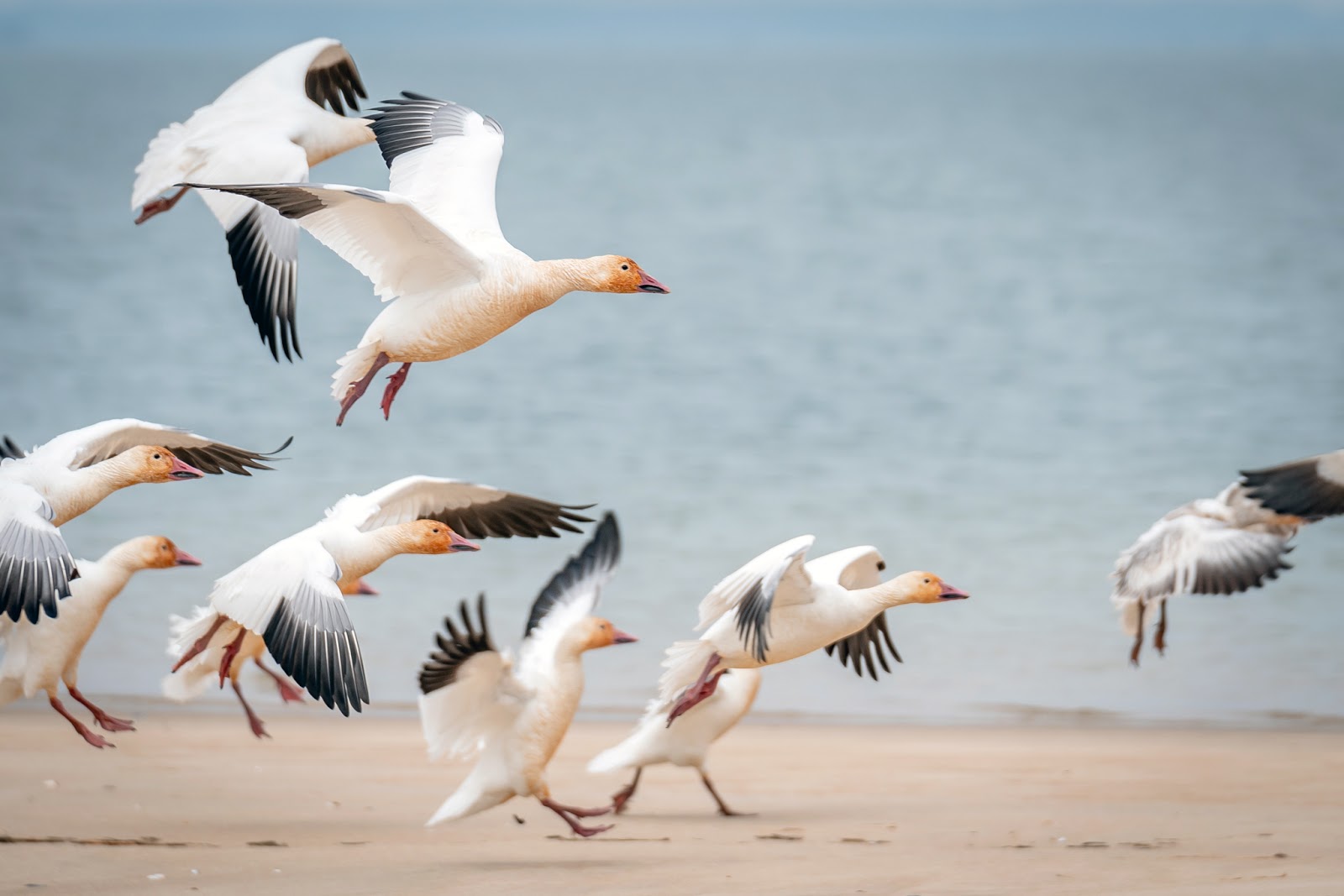
Credit: www.dcr.virginia.gov
Common Migratory Birds In Richmond
Richmond, VA is a vibrant city nestled along the Atlantic Flyway. This strategic location makes it a perfect spot for bird enthusiasts. Each year, various migratory birds grace the skies of Richmond. They offer a delightful spectacle for both locals and visitors. Whether you're a seasoned birder or a curious observer, Richmond provides a unique opportunity. Discover the diverse avian wonders that pass through the city. Let's explore some common migratory birds found in Richmond.
American Robin
The American Robin is a frequent visitor in Richmond. Known for its bright orange belly, it is easy to spot. These birds often arrive in large flocks, creating a lively scene. Their melodic songs add charm to Richmond's mornings.
Eastern Bluebird
The Eastern Bluebird's brilliant blue feathers make it a favorite. It brings a splash of color to Richmond's landscapes. These birds are often seen perched on fences or tree branches. Their gentle calls are soothing to the ears.
Red-winged Blackbird
Red-winged Blackbirds are known for their striking red shoulder patches. They are commonly seen near wetlands in Richmond. Their distinctive calls echo through the marshes, creating a vibrant ambiance.
Yellow Warbler
The Yellow Warbler is small but vibrant. Its bright yellow plumage is hard to miss. These birds are often found flitting among the trees. Their cheerful songs are a delightful addition to Richmond's soundscape.
Common Yellowthroat
The Common Yellowthroat is known for its distinctive black mask. These birds are often found in dense vegetation. Their lively presence adds excitement to Richmond's birdwatching scene. Listening to their calls is a treat for bird lovers.
Prime Birdwatching Locations
Richmond, VA is a great spot for bird migration. The city offers prime birdwatching locations that attract bird enthusiasts. These areas provide a chance to see a variety of bird species. Explore the beauty of nature and enjoy birdwatching in Richmond.
Local Parks And Reserves
Many parks in Richmond serve as birdwatching havens. Maymont Park is a beautiful place with diverse habitats. It hosts numerous migrating birds throughout the year. The park's gardens and woodlands are perfect for birdwatching. Bryan Park is another excellent option. Its lush greenery attracts many bird species. Nature enthusiasts often visit here to spot rare birds.
Popular Observation Spots
Richmond has several popular birdwatching spots. The James River Park System is a favorite. This area offers scenic views and diverse birdlife. Belle Isle within the park is well-known for birdwatching. Birdwatchers often gather here during migration seasons. The Dutch Gap Conservation Area is also worth visiting. It provides a unique habitat for different bird species. Birdwatchers can enjoy the peaceful environment and observe birds in their natural habitat.
Seasonal Migration Patterns
Richmond, Virginia, sits along a vital bird migration route. Birds travel seasonally, marking vibrant changes in the skies. Understanding these patterns can enrich your birdwatching experience. Each season brings unique species, colors, and sounds.
Spring Migration
Spring awakens the migratory instincts of countless birds. Richmond becomes a bustling hub for these travelers. Warblers, thrushes, and sparrows pass through. Their melodies and vibrant feathers are a welcome sight. They journey from southern regions to their northern breeding grounds.
Birdwatchers in Richmond have much to look forward to. Parks and natural areas offer prime viewing spots. Early morning is the best time to catch the action. You might spot rare species, adding excitement to your outings.
Autumn Migration
Autumn ushers in a reverse migration pattern. Birds head south to escape the cold. Richmond witnesses this grand departure. Hawks, eagles, and waterfowl are common sights. Their majestic flights captivate observers.
Richmond's rivers and wetlands attract numerous bird species. The James River provides ample resources for migrating birds. Birdwatching enthusiasts gather to witness this spectacle. It's a perfect opportunity to observe diverse species.
Impact Of Urban Development
Richmond, Virginia is situated on the Atlantic Flyway. This is one of the major bird migration routes. Urban development in Richmond impacts these migrating birds. Buildings and roads have altered natural habitats. This disrupts the birds' travel and rest areas. Understanding these impacts is crucial for conservation.
Loss Of Natural Habitats
Urbanization replaces forests and wetlands with concrete. Birds lose essential resting spots. They rely on these places during long journeys. Limited habitats make migration harder for many species.
Increased Pollution
Urban areas have more pollution. Air and noise pollution can confuse birds. It affects their navigation and communication. This can lead to increased stress and health issues.
Light Pollution Challenges
Bright city lights attract and disorient birds. They mistake artificial lights for natural cues. This can lead to collisions with buildings. Such events often result in injuries or fatalities.
Efforts For Bird-friendly Development
Many groups work to protect bird migration paths. Strategies include creating green spaces and reducing light pollution. Educating the public on these issues helps support conservation efforts.
Conservation Efforts In Richmond
Richmond, VA, plays a vital role in bird migration routes. The city offers safe havens for migrating birds through its conservation efforts. Local initiatives protect habitats, ensuring these birds have places to rest and feed during their journeys.
Conservation Efforts in Richmond Richmond, Virginia, isn't just a city rich with history; it's also a vital waypoint on the bird migration route. The city's commitment to preserving and enhancing natural habitats has placed it at the forefront of conservation efforts. These initiatives not only support diverse bird populations but also enrich the lives of residents and visitors alike.
Local Initiatives
Richmond has embraced conservation with various local initiatives aimed at protecting bird habitats. A prominent example is the James River Park System, which offers safe passage and breeding grounds for migratory birds. This green space is a testament to the city's dedication to maintaining natural habitats amidst urban development. Local schools and organizations often partner to organize bird-watching events and educational programs. These activities raise awareness and educate the community on the importance of bird conservation. By fostering a connection with nature, Richmond ensures future generations will continue this vital work.
Community Involvement
Community involvement is at the heart of Richmond's conservation success. Have you ever thought about how small actions can lead to significant change? Residents participate in regular clean-up events, ensuring natural habitats remain pristine for migrating birds. Local bird clubs and environmental groups actively engage with the community through workshops and guided tours. These events offer hands-on experiences that deepen understanding and passion for bird conservation. As a result, a sense of ownership and responsibility toward local wildlife flourishes. Consider joining a local conservation group or participating in a bird count event. These activities not only contribute to vital data collection but also offer a rewarding way to connect with nature. Your involvement can make a tangible difference in preserving Richmond's role in the bird migration route.
Birdwatching Tips For Enthusiasts
Richmond, VA is a hidden gem for birdwatching enthusiasts. Located along the Atlantic Flyway, it offers a unique opportunity to observe a diverse range of bird species during their migration. Whether you're a seasoned birder or new to the hobby, Richmond's natural landscapes provide a perfect setting for birdwatching. To make the most of your experience, consider these essential tips for enthusiasts.
Best Times To Visit
Spring and fall are ideal for birdwatching in Richmond. During these seasons, migratory birds pass through, creating vibrant displays. Early morning is the best time to see active birds. As the sun rises, birds are most visible and vocal. Late afternoon also offers good sightings as birds return to their nests.
Essential Gear
Binoculars are crucial for spotting distant birds. Choose binoculars with a magnification of 8x or 10x for clarity. A field guide helps identify different species. Many guides are available as apps on smartphones. Comfortable clothing and sturdy shoes are necessary for long walks. Bring a notebook to jot down observations and experiences.

Credit: wjla.com
Frequently Asked Questions
Is Richmond Va Part Of The Bird Migration Path?
Yes, Richmond, VA, is on the Atlantic Flyway, a major bird migration path. Many bird species pass through this area during their seasonal migrations. This makes Richmond a great spot for birdwatching, especially in spring and fall. Local parks and natural areas provide excellent opportunities to observe these migrating birds.
What Types Of Birds Migrate Through Richmond Va?
Richmond, VA, sees a variety of migrating birds, including warblers, thrushes, and raptors. Waterfowl and shorebirds are also common during migration seasons. Birdwatchers can spot these species in local parks and along the James River. The diversity of species makes Richmond a popular destination for bird enthusiasts.
When Is The Best Time For Birdwatching In Richmond?
The best times for birdwatching in Richmond are during spring and fall migrations. In spring, many birds head north, while in fall, they move south. These periods offer the highest diversity and numbers of birds. Early morning is typically the best time of day to observe active birds.
Where Can I Watch Migrating Birds In Richmond?
Richmond offers several excellent birdwatching spots, including the James River Park System. Bryan Park and Maymont are also popular locations. These areas provide diverse habitats that attract a variety of migrating birds. Birdwatchers can enjoy walking trails and observation points for optimal viewing experiences.
Conclusion
Richmond, VA, offers a unique spot for bird watchers. Birds often pass through here on their migration journey. This city becomes a vibrant stop during migration seasons. It provides habitats and resting spots for many bird species. Residents and visitors can enjoy these sights.
Nature enthusiasts find Richmond a delightful experience. Bird migration adds magic to the city's charm. Witnessing this natural wonder can be rewarding. Richmond's role in bird migration is noteworthy. So, grab your binoculars and enjoy the view. Birdwatching in Richmond can be an unforgettable experience.