


Have you ever wondered how birds navigate their vast journeys across the skies? You're not alone.
Many people are fascinated by the mysterious paths these feathered travelers take. But there's something even more intriguing about these journeys. Have you heard of the term "York Deer"? It may sound puzzling at first, but it holds the key to understanding the migrating routes birds follow.
You'll discover what these routes are and why they’re called York Deer. Get ready to unlock the secrets of bird migration, and find out how these incredible creatures make their way from one place to another. This knowledge isn't just fascinating—it's essential for anyone interested in the natural world. Keep reading to satisfy your curiosity and learn more about this captivating subject.

Credit: www.hcn.org
Bird Migration Basics
Birds travel long distances, following specific paths known as York Deer. These routes help them navigate during migration. York Deer paths guide birds over seas and continents, ensuring their safe journey.
Bird Migration Basics Bird migration is a fascinating natural phenomenon that has intrigued scientists and nature enthusiasts for centuries. Imagine the journey millions of birds undertake, traveling thousands of miles across continents. These migrations are crucial for survival, driven by the need to find food, suitable breeding grounds, and favorable climates. Birds follow specific migratory routes, often referred to as flyways. These flyways act like invisible highways in the sky, guiding birds on their long journeys. Understanding these routes can give you insights into the incredible navigational skills of birds.
What Triggers Bird Migration?
Bird migration is primarily triggered by changes in daylight and temperature. As days get shorter and colder, birds sense the need to move to warmer areas. Think about how you feel the urge to wear warmer clothes as winter approaches. Birds have a similar instinct, except they take it a step further by flying to different regions.
The Role Of Geography In Bird Migration
Geography plays a significant role in shaping migratory routes. Mountains, rivers, and coastlines often serve as natural guides for birds. These features help birds navigate more efficiently, offering landmarks to follow. You might be surprised to learn that some birds can even use the Earth's magnetic field to find their way, a skill that remains a mystery to scientists.
Challenges Birds Face During Migration
Migration is not an easy journey for birds. They face numerous challenges, including weather changes, predators, and exhaustion. Birds must also find food along the way to sustain their energy levels. Consider how you feel after a long road trip. Now imagine doing it without rest stops or snacks. Birds experience a similar level of fatigue and need to plan their routes carefully to survive.
How You Can Help Migrating Birds
There are simple ways you can assist migrating birds. Creating a bird-friendly garden with native plants provides food and shelter. Avoid using pesticides that can harm birds and their food sources. Have you considered putting up bird feeders or birdbaths? These small actions can make a big difference in helping birds on their arduous journeys.
Importance Of Migration Routes
The migration routes of birds hold immense importance, not just for the avian travelers themselves, but for the ecosystems they traverse. These pathways act as nature's highways, guiding birds across continents and ensuring their survival. Understanding these routes can help us protect these incredible creatures and the environments they depend on.
Migration routes are vital for the survival of many bird species. These paths provide birds with access to food, breeding grounds, and suitable climates. Without these routes, many birds would struggle to find the resources they need to survive.
Imagine embarking on a journey without a map. Birds, through generations of evolution, have developed these routes as their natural maps. They rely on landmarks, wind patterns, and even the Earth's magnetic fields to navigate.
Migration routes also act as a bridge connecting diverse ecosystems. Birds transport seeds, pollinate plants, and even control insect populations along their paths. This connectivity supports biodiversity across vast regions.
Protecting Migration Routes
Human activities like urbanization and deforestation threaten these routes. By preserving natural habitats, you can help maintain these essential pathways. Simple actions like supporting conservation organizations make a difference.
Consider the story of the red knot, a bird that relies on a tiny stopover site in Delaware Bay. Conservation efforts have ensured this site remains a haven, allowing these birds to refuel on their long journey. What local efforts can you support to make a similar impact?
The Role Of Technology In Tracking Migration
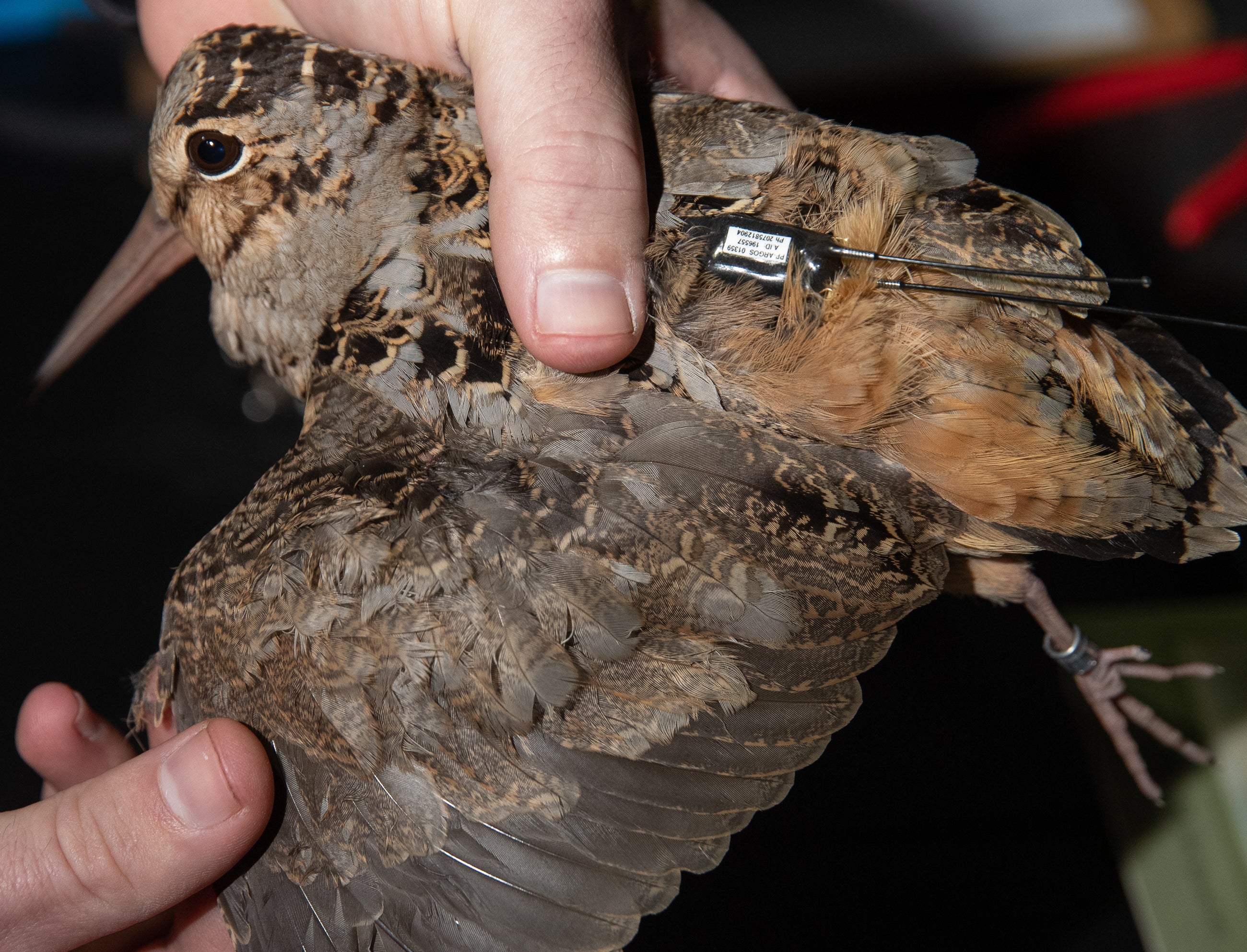
Technology plays a pivotal role in understanding migration patterns. Satellite tracking and GPS devices provide real-time data on bird movements. This information helps scientists identify critical stopover sites and potential threats.
By staying informed, you can support initiatives that use technology to protect migration routes. Imagine being part of a global community dedicated to safeguarding these natural wonders. What technological advances are you most excited about in the field of conservation?
Community Involvement In Conservation Efforts
Your involvement can make a significant impact on conserving migration routes. Participating in bird-watching events or citizen science projects can contribute valuable data. These efforts help scientists and conservationists better understand and protect these pathways.
Engage with local wildlife organizations to learn more about their work. Sharing your passion for bird conservation can inspire others to join the cause. How can you take the first step in becoming an advocate for our feathered travelers?
By appreciating the importance of migration routes and taking action, you contribute to a world where birds can continue their incredible journeys. Let’s ensure these paths remain open for generations to come. What will your role be in this vital mission?
York Deer Bird Migration
Birds migrating through York Deer follow well-worn paths called flyways. These routes guide them safely across regions. Their journey is a natural wonder, showcasing their instincts and resilience.
York Deer Bird Migration is a fascinating natural phenomenon that captivates bird enthusiasts and nature lovers alike. Every year, various bird species embark on a journey through York Deer, marking their migration paths with precision and determination. These routes are not just random; they are carefully chosen pathways that ensure the survival of these birds, offering a glimpse into the intelligence and adaptability of wildlife.
Understanding York Deer Bird Migration
Bird migration through York Deer is an intricate process. Birds follow specific routes, often guided by instinct and environmental cues. You might wonder how these tiny creatures navigate such vast distances. It's all about survival and finding the right habitats to breed and feed.
Why Birds Choose York Deer
York Deer offers a unique mix of resources that attract migrating birds. Its diverse landscapes provide ample food sources, shelter, and safe breeding grounds. Imagine standing in a field, surrounded by the sounds of chirping and fluttering wings. It’s a beautiful testament to how nature supports these incredible journeys.
Common Bird Species On York Deer Routes
You’ll find a variety of birds traversing York Deer, including warblers, thrushes, and sparrows. Each species has its own schedule and preferred route, creating a symphony of movement through the skies. Watching these birds can be an awe-inspiring experience. It's like witnessing the world’s most coordinated dance.
Migration Challenges And Adaptations
Migrating birds face numerous challenges like harsh weather and predators. However, they adapt in remarkable ways, using thermal currents to save energy and traveling in flocks for protection. Think about how you adapt to changes in your environment. Birds, too, show resilience and cleverness in their migration strategies.
Role Of Conservation Efforts
Conservation plays a critical role in supporting migrating birds. Efforts to protect habitats in York Deer ensure that birds have safe passage and thriving environments. What can you do to contribute? Small actions like planting native trees or supporting wildlife organizations can make a big difference.
Witnessing The Migration: A Personal Experience
Once, while hiking in York Deer, I paused to observe a group of warblers. Their synchronized flight was mesmerizing and offered a moment of pure connection with nature. Have you ever stopped to truly watch the world around you? Moments like these remind us of the beauty and complexity of life. Consider taking a walk during migration season in York Deer. You might just find yourself inspired by the incredible journeys of these birds.
Common Pathways And Patterns
Birds often follow specific paths called migrating routes, like the York Deer. These paths help them find food and safe places. Patterns in these routes show us how birds travel during different seasons.
Bird migration is one of nature's most fascinating phenomena, with countless species traveling thousands of miles annually. These journeys often follow specific paths known as migration routes. Understanding these routes can offer insights into the behavior and survival strategies of birds. Many birds follow well-defined pathways, dictated by geography, weather patterns, and food availability. This section will explore the common pathways and patterns birds take during their migrations.
Atlantic Flyway
The Atlantic Flyway is a major north-south migration route used by birds in North America. Stretching from the Arctic tundra to the Caribbean, this pathway is crucial for many species, including ducks, geese, and songbirds. It's fascinating to think that some of these birds may stop over in your backyard during their journey. Have you ever considered the incredible distances these small creatures travel?
Mississippi Flyway
The Mississippi Flyway is one of the most heavily used bird migration routes in the world. It follows the Mississippi River, offering a rich corridor of resources for migrating birds. Observing a flock of birds along this route can be a breathtaking experience. Imagine the challenges these birds face as they navigate this highway in the sky!
Central Flyway
Stretching from the Great Plains in the United States to the Gulf of Mexico, the Central Flyway supports a diverse range of bird species. This route provides critical stopover habitats where birds can rest and refuel. Next time you see a migrating bird, think about the vital role these stopover sites play in their epic journeys. Have you noticed any local efforts to preserve these habitats?
Pacific Flyway
The Pacific Flyway runs along the western coast of North America, supporting millions of birds each year. This route is essential for waterfowl and shorebirds, providing ample resources along coastal wetlands. Observing the birds along the Pacific Flyway can be a rewarding pastime for bird enthusiasts. Would you consider taking a trip to witness this natural spectacle?
European-african Routes
Birds migrating between Europe and Africa follow several key routes, often crossing the Mediterranean Sea and the Sahara Desert. These routes are crucial for species such as the European Bee-eater and the Northern Wheatear. The challenges posed by these vast landscapes are immense. How do you think these birds manage to survive such arduous journeys? Understanding these migration routes can deepen your appreciation for the incredible resilience and adaptability of birds. Next time you spot a migrating flock, remember the incredible journey they are undertaking. What role can you play in ensuring these pathways remain safe and viable for future generations?
Factors Influencing Migration
Bird migration is a fascinating phenomenon. It involves birds traveling thousands of miles. Several factors influence these migrating routes. Understanding them helps us appreciate nature's complexity.
Environmental Conditions
Weather plays a key role in migration. Birds avoid storms and strong winds. They prefer calm skies for safe travel. Temperature changes also affect their routes. Cold fronts often signal migration time.
Geographical Landmarks
Birds use landmarks to navigate. Mountains, rivers, and coastlines guide their way. These natural features provide direction and safety. They help birds find food and rest spots.
Biological Instincts
Instinct drives birds to migrate. Their internal clocks tell them when to move. Genetic programming ensures they follow traditional paths. This instinctual behavior is crucial for survival.
Availability Of Food
Food sources influence migration routes. Birds need energy for long journeys. They travel where food is abundant. Changes in food supply can alter their paths.
Human Activities
Human actions impact migration routes. Urban development can disrupt traditional paths. Pollution affects their habitats. Conservation efforts aim to protect migratory routes.

Credit: en.wikipedia.org
Challenges Along The Routes
Migrating birds, like the York Deer, navigate intricate routes. These paths, shaped by weather and geography, present many challenges. Birds face obstacles like predators, harsh climates, and limited food resources during their long journeys.
Migrating birds embark on incredible journeys, often spanning thousands of miles. These routes are filled with challenges that test their endurance and survival skills. Understanding these hurdles can give you a deeper appreciation for these avian travelers.
1. Weather Conditions
Weather can be unpredictable, and birds must adapt quickly. Sudden storms can disrupt their path, forcing them to seek shelter or change course. Strong winds might aid their flight, but they can also lead them astray. Have you ever thought about how a tiny bird battles fierce winds while staying on track?
2. Predators
The skies are not free from danger. Predatory birds and mammals pose a constant threat. Migrating birds must be vigilant, ready to evade attacks. This constant vigilance can be exhausting, impacting their energy reserves. Imagine the stress of always being on the lookout for danger while on a long journey.
3. Human-made Obstacles
Urban sprawl and infrastructure development create significant barriers. Tall buildings and wind turbines can cause fatal collisions. Artificial lights disorient night-migrating birds, leading them off their natural paths. Reflect on how human progress might inadvertently harm these delicate travelers.
4. Habitat Loss
Birds rely on stopover sites to rest and refuel. Habitat destruction reduces these crucial resting places. Without them, birds struggle to find food and shelter during their journey. How might you contribute to protecting these vital habitats?
5. Food Scarcity
Migrating birds require vast amounts of energy. The availability of food along their routes is essential. Changes in climate and human activity can deplete these resources. Imagine flying hundreds of miles only to find your usual feeding ground barren.
6. Exhaustion
Long-distance migration is physically demanding. Birds face fatigue and muscle wear, challenging their resilience. They must balance flying with rest to avoid exhaustion. Consider how you manage your energy on a long journey; birds must do the same without the luxury of a comfortable seat. Understanding these challenges helps you appreciate the resilience and instinct of migrating birds. Next time you see a flock overhead, remember the incredible journey they undertake and the obstacles they overcome. What can you do to support their incredible journeys?
Conservation Efforts
Migrating routes that birds follow are vital for conservation efforts. York Deer paths help scientists understand bird movement patterns. Protecting these routes ensures safe travel for birds across regions.
Conservation efforts are crucial for ensuring that migratory birds, such as the York deer, continue to thrive along their traditional routes. These birds face numerous challenges, from habitat loss to climate change. Protecting their pathways is not just about preserving a species, but about maintaining the balance of ecosystems that these birds support.
Habitat Preservation
Preserving natural habitats is a primary focus of conservation efforts. Organizations worldwide are working to protect wetlands, forests, and other key areas along migratory routes. You can support these initiatives by participating in local conservation programs or advocating for protected areas.
Building Bird-friendly Structures
Urban development often interrupts migratory paths. To combat this, cities are encouraged to design bird-friendly buildings with features like reflective glass and green roofs. Have you ever noticed how some buildings incorporate nature into their architecture? These structures help reduce bird collisions and offer safe resting spots.
Public Awareness Campaigns
Educating the public plays a significant role in conservation. Awareness campaigns help people understand the importance of migratory routes and the threats birds face. Next time you see a poster or social media post about bird conservation, consider sharing it or getting involved. Your actions can inspire others to care.
Tracking And Research
Scientists are using technology to track bird migrations more accurately. GPS and satellite tracking devices provide valuable data on migratory patterns and challenges. This information is crucial for developing effective conservation strategies. You might wonder, how does this data translate into action? It helps identify critical areas needing protection and informs policy decisions.
Community Involvement
Local communities often have unique insights into the migratory patterns of birds in their area. Community involvement in conservation efforts can lead to innovative solutions and strong advocacy. Have you ever thought about joining a local birdwatching group? These groups not only enjoy observing birds but often contribute to conservation efforts through citizen science projects. Conservation is a collective effort. Every action counts, no matter how small. What steps will you take to help protect these vital migratory routes?
Technology In Tracking Migration
Bird migration is one of nature's most fascinating phenomena. Have you ever wondered how scientists keep track of these incredible journeys? The answer lies in technology. With advancements in tracking devices, researchers can monitor bird migration routes with precision and detail.
Using Gps Devices
GPS technology has revolutionized how we track bird migration. Tiny GPS trackers are attached to birds, providing real-time data on their location.
This data helps scientists understand migration patterns and habitat use. Imagine being able to see the exact route a bird takes from York to its winter destination. It’s like having a bird’s-eye view on your screen!
Satellite Tracking
Satellite tracking takes bird migration study to new heights. It allows for tracking over vast distances, including ocean crossings.
Researchers can monitor birds that migrate thousands of miles with incredible accuracy. This technology is essential for studying species that travel far from land. How far do you think these birds can travel with no GPS? Satellite tracking provides the answers.
Radio Telemetry
Radio telemetry is a traditional but effective method for tracking birds. A small radio transmitter is attached to the bird, emitting signals.
Researchers use these signals to determine the bird’s location. It’s a method that’s been in use for decades and continues to provide valuable insights. Can you imagine trying to track a bird without these signals?
Data Analysis Tools
Data from tracking devices is only useful if analyzed correctly. Modern software tools help researchers make sense of the data.
These tools can identify patterns and predict future migration paths. They offer insights into how environmental changes affect migration. How might climate change alter these routes?
Technology in tracking migration doesn’t just benefit scientists; it can also engage you. Imagine being able to follow a bird’s journey online, learning about its adventures. Tracking technologies offer a window into the natural world that was once closed.
What other innovations might change how we track birds in the future? Your curiosity and interest could lead to even more discoveries in this exciting field.
Future Of Bird Migration Studies
The future of bird migration studies holds exciting possibilities. Scientists are exploring advanced technologies to understand bird movements. This research can impact conservation efforts and global ecosystems. Bird migration is a natural wonder that has intrigued humans for centuries. As technology evolves, so does our ability to study these incredible journeys.
Tracking Technology And Innovations
Innovative tracking devices are revolutionizing bird migration studies. Small GPS units now fit on tiny birds. These devices provide real-time data on migration paths. Researchers can now study migration patterns with unprecedented accuracy. Data collected helps in understanding environmental impacts on birds.
Impact Of Climate Change
Climate change influences bird migration routes. Rising temperatures alter habitats, affecting food sources. Birds adapt by changing their migration timing and paths. Studying these changes helps in predicting future migration trends. Researchers can develop strategies to mitigate climate change impacts on bird species.
Collaboration Among Scientists
Global collaboration strengthens bird migration research. Scientists share data from different regions. This cooperation leads to comprehensive migration maps. Collaborative efforts enhance conservation strategies worldwide. Shared knowledge helps in preserving bird populations.
Citizen Science Contributions
Citizen scientists play a crucial role in migration studies. Enthusiasts track bird sightings and report data. This information supports large-scale research projects. Public involvement raises awareness about bird conservation. Engaging communities fosters a deeper connection to nature.
Future Conservation Strategies
Understanding migration patterns aids in developing conservation strategies. Protecting critical habitats ensures safe migratory routes. Effective strategies require continuous research and adaptation. Conservation efforts benefit from the latest migration studies. The future of bird migration studies is promising for global biodiversity.
Credit: www.outdooralabama.com
Frequently Asked Questions
What Are Bird Migration Routes?
Bird migration routes are paths birds follow during seasonal movements. These routes connect breeding and non-breeding areas, often spanning continents. Birds use landmarks, stars, and Earth's magnetic field to navigate. Understanding these routes helps in conservation efforts.
Why Do Birds Follow Specific Migration Paths?
Birds follow specific migration paths for optimal survival and breeding. These routes provide favorable conditions, food, and shelter. They also avoid harsh weather and predators. Following established paths ensures energy-efficient travel, crucial for long-distance journeys.
How Do Scientists Track Bird Migration Routes?
Scientists track bird migration routes using various technologies. They use GPS devices, satellite tracking, and banding to monitor movements. Observations and data collection help in understanding patterns and behaviors. This information aids in conservation and protection strategies.
What Challenges Do Migrating Birds Face?
Migrating birds face multiple challenges during their journeys. Habitat loss, climate change, and human activities disrupt routes. Predation and exhaustion from long flights also pose threats. Conservation efforts aim to mitigate these challenges and ensure safe migration.
Conclusion
Bird migration paths are fascinating and vital for survival. Birds travel long distances to find food and safe habitats. These routes, like the York Deer path, are crucial. Understanding these paths helps in conserving bird populations. Migration patterns show the amazing endurance of birds.
They also highlight the importance of protecting natural habitats. Each year, birds follow these ancient routes, instinct guiding them. Observing their journeys teaches us about nature's balance. It reminds us of our role in preserving wildlife. Learning about bird migration helps us appreciate these amazing creatures and their journeys.