


Imagine waking up to a city buzzing with life, not just from the hustle and bustle of cars and skyscrapers, but from the sweet melody of birdsong. Urban natural habitats are precious gems nestled within our concrete jungles, providing a vital sanctuary for endangered birds and a breath of fresh air for you.
The preservation of these habitats is not just about saving birds; it's about enhancing your quality of life and ensuring a vibrant future for our urban landscapes. But why should you care about these birds and their habitats? It's simple.
Protecting these natural spaces means safeguarding biodiversity, improving air quality, and boosting your mental well-being. Plus, it adds an invaluable touch of nature to your everyday city experience. As you dive deeper into this article, you'll discover compelling reasons to become an advocate for urban natural habitats and the endangered birds that call them home. So, ready to explore why your support is crucial for a healthier, more harmonious city life? Keep reading to find out.
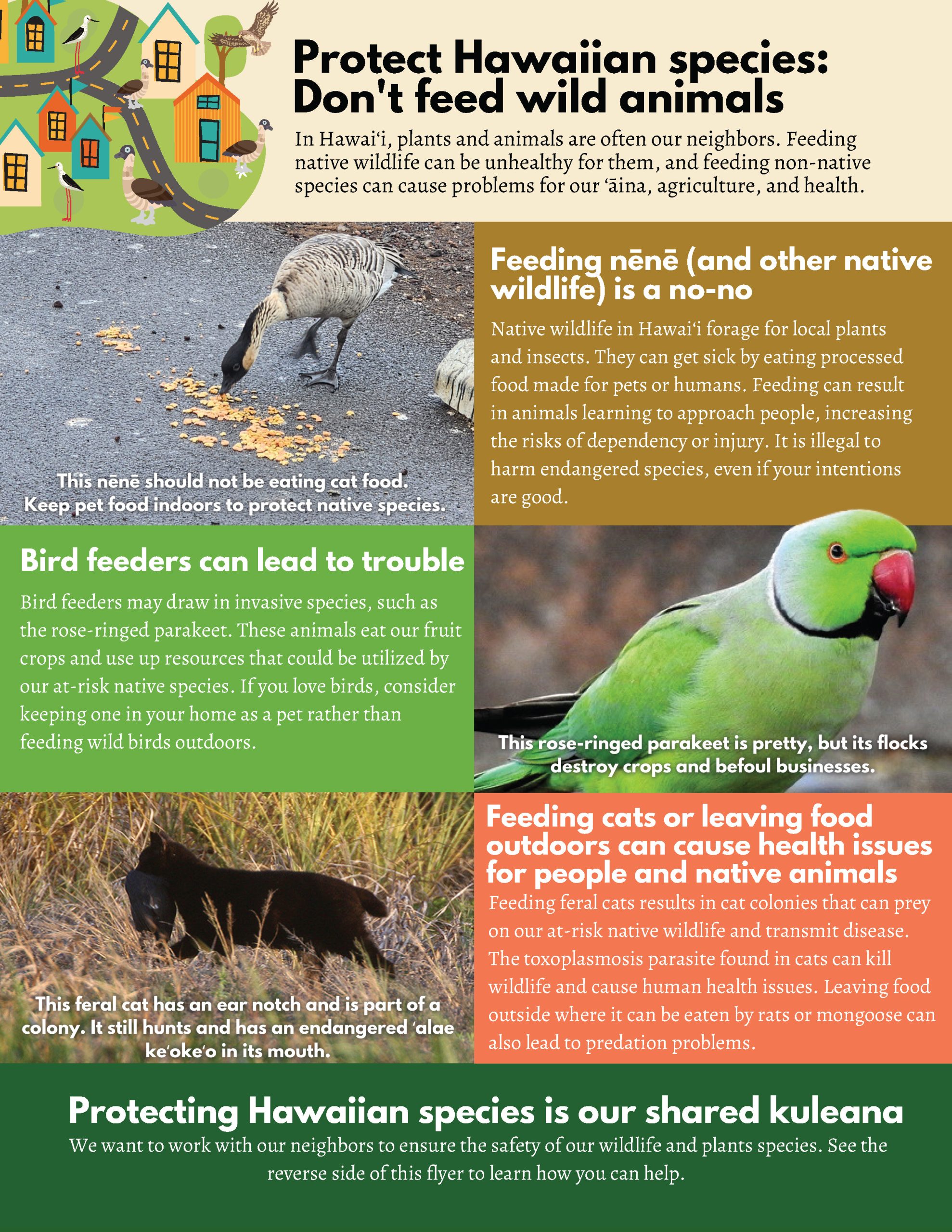
Credit: dlnr.hawaii.gov
Importance Of Urban Natural Habitats
Urban natural habitats play a crucial role in preserving endangered birds. They offer shelter and food sources, helping birds survive. Protecting these areas ensures biodiversity and balances ecosystems, benefiting both wildlife and humans.
Urban natural habitats are crucial for the survival of many species, including endangered birds. These green spaces amidst the concrete jungle offer a refuge for wildlife and play a significant role in maintaining ecological balance. Understanding their importance can inspire you to support efforts in preserving these vital areas.
Role In Biodiversity Conservation
Urban natural habitats provide a sanctuary for a variety of plant and animal species. They act as mini ecosystems, supporting a unique blend of wildlife. You might be surprised to learn that your local park could be home to rare birds and insects, contributing to overall biodiversity. These habitats also serve as critical stopover points for migratory birds. They offer food and shelter to birds traveling long distances. Without these green spaces, many birds would struggle to survive their journeys.
Impact On Climate Regulation
Urban green areas help regulate the local climate. Trees and plants in these habitats absorb carbon dioxide and release oxygen, improving air quality. Imagine your morning jog in a city park filled with fresh, clean air—that's the impact of healthy urban habitats. These areas also help reduce urban heat. They provide shade and release moisture, cooling the surroundings. This natural cooling effect can lessen the need for air conditioning, saving energy and reducing emissions.
Benefits To Human Health
Spending time in urban green spaces can improve your mental and physical health. Studies have shown that regular exposure to nature reduces stress and boosts mood. Think about the last time you took a walk in the park; did it make you feel more relaxed and happy? These habitats also encourage physical activity. Walking, jogging, or simply playing with your kids in these spaces can enhance fitness levels. By protecting urban natural habitats, you're not just saving birds and plants—you're investing in your own well-being. Why not take a moment to appreciate the green spaces around you? They are more than just patches of grass and trees. They are vital to the environment and your health. How can you contribute to their preservation?

Credit: www.nps.gov
Threats To Urban Natural Habitats
Urban natural habitats face threats from pollution, deforestation, and urbanization. Protecting these areas helps endangered birds survive, ensuring biodiversity. Preserving these habitats supports healthier ecosystems and enriches urban life.
Urban natural habitats, the green lungs of our cities, face numerous threats every day. These areas, crucial for biodiversity, are under pressure from human activities. Without protection, they risk losing their ability to support endangered birds and other wildlife.
Urbanization And Land Use Changes
As cities grow, natural spaces often shrink. Housing developments, roads, and commercial buildings take over once-green areas. This land-use change leads to habitat loss, pushing birds and wildlife out of their natural homes. Imagine walking through a city park, only to find fewer trees and birds each year. It’s a clear sign of what urbanization can do. You might ask, is this progress worth the cost to our natural world?
Pollution And Environmental Degradation
Pollution is a silent yet powerful threat to urban habitats. Air, water, and soil get contaminated, affecting plant and animal life. Birds, especially, suffer as they rely on clean environments for survival. Think about the last time you saw a river or lake in a city. Was it clean enough for wildlife to thrive? Your everyday actions, like reducing waste and supporting green initiatives, can make a difference.
Invasive Species Challenges
Invasive species disrupt the balance of urban ecosystems. They outcompete native species for resources, leading to declines in local bird populations. These invaders often arrive unnoticed but have a lasting impact on biodiversity. Consider the story of the European starling in North America. Introduced by humans, it now competes with native birds, pushing them out. It’s a reminder that even small changes can lead to significant ecological shifts. Protecting urban habitats requires awareness and action. Are you ready to be part of the solution? By understanding these threats, you can help safeguard these vital spaces for future generations.
Endangered Birds In Urban Areas
Urban areas are home to a variety of bird species. Some of these species are endangered. These birds face many challenges in cities. Buildings, pollution, and limited green spaces are some issues. Protecting these birds is vital for biodiversity.
Species At Risk
Many bird species in cities are at risk. The American Kestrel and Barn Owl are examples. These birds once thrived in urban environments. Now, they face threats from human activities. Their numbers are declining fast.
Factors Contributing To Decline
Several factors contribute to the decline of urban bird species. Habitat loss is a major issue. Urban development reduces natural spaces. Pollution also affects birds negatively. Noise and light disturb their natural behaviors.
Role In Ecosystem Balance
Birds play a vital role in urban ecosystems. They help control insect populations. Birds also aid in seed dispersal. This supports plant growth in cities. Losing them disrupts the balance of urban ecosystems.
Conservation Strategies For Urban Habitats
Urban areas teem with vibrant life, yet their natural habitats face threats. Protecting these spaces is crucial for the survival of endangered birds. Conservation strategies play a key role here. Cities can become safe havens for wildlife with the right approaches. This effort ensures biodiversity thrives amidst urbanization.
Policy And Legislation
Policies protect urban natural habitats. Strong environmental laws are essential. They regulate construction and reduce habitat destruction. Legislation enforces rules that safeguard bird species. Governments can create protected areas within cities. These laws prioritize conservation over development. It's a balance that fosters coexistence.
Community Engagement And Education
Engaging communities is vital for conservation. People need to understand their impact on nature. Educational programs raise awareness about endangered birds. Workshops and events can inspire action. Residents become stewards of their local environment. They learn to appreciate the urban wildlife around them.
Restoration And Management Techniques
Restoration efforts rebuild damaged habitats. Native plants are reintroduced to support wildlife. These plants provide food and shelter for birds. Proper management ensures habitats remain healthy. Regular monitoring detects any threats early. This proactive approach maintains ecological balance.
Success Stories And Case Studies
Urban natural habitats play a vital role in preserving endangered birds. Protecting these areas ensures biodiversity and supports delicate ecosystems. The success stories of saving bird species highlight the importance of conservation efforts. These efforts inspire communities to safeguard urban wildlife.
Protecting urban natural habitats and endangered birds has been a crucial endeavor with remarkable success stories and case studies that shine a light on what can be achieved. These stories inspire hope and underline the positive impact of conservation efforts. Let's delve into some of these success stories under the themes of effective conservation projects and innovative urban planning.
Effective Conservation Projects
Effective conservation projects are at the heart of preserving urban natural habitats. Take the example of New York City's Central Park, where conservationists have worked tirelessly to ensure the survival of several bird species. Thanks to dedicated efforts, the park now hosts over 200 species of birds. Another inspiring story comes from Chicago's Montrose Point Bird Sanctuary. Here, volunteers have transformed a neglected area into a thriving habitat. This project not only saved countless birds but also became a haven for birdwatchers. You might wonder, how can these projects be so successful? The answer lies in community involvement. When people come together for a cause, even the most endangered species can find refuge.
Innovative Urban Planning
Innovative urban planning plays a vital role in integrating nature into cityscapes. In Singapore, planners have embraced the concept of a "city in a garden." This approach has led to the creation of green corridors, which provide safe passage for birds. Another great example is the High Line in New York City. This park, built on a historic freight rail line, is an urban oasis. It supports local wildlife and brings nature closer to residents. Urban planners are increasingly recognizing the importance of natural habitats. They're finding creative ways to merge urban development with ecological preservation. Could your city benefit from such forward-thinking planning? The success stories and case studies from around the world demonstrate the power of human effort and creativity. They remind us that protecting urban natural habitats and endangered birds isn't just possible—it's happening. How will you contribute to this global movement?
Future Directions And Opportunities
Urban natural habitats face many challenges. Protecting these areas and endangered birds is crucial for biodiversity. Future directions and opportunities offer hope for conservation efforts. Technology and collaboration play key roles in shaping solutions.
Technological Innovations
Technology offers new ways to conserve urban habitats. Drones help monitor bird populations. They provide real-time data on bird movements. This improves understanding of habitat needs. Sensors track environmental changes. They alert conservationists to threats. Artificial intelligence analyzes data quickly. It identifies patterns and predicts future risks. These innovations support effective conservation strategies.
Collaborative Efforts
Collaboration strengthens conservation efforts. Governments, NGOs, and communities work together. They share resources and expertise. Partnerships create comprehensive conservation plans. Local communities play a vital role. Their knowledge helps identify critical habitats. Engaging them fosters awareness and support. International collaborations enhance efforts. They bring global expertise and resources. Together, they create sustainable solutions for urban habitats and endangered birds.
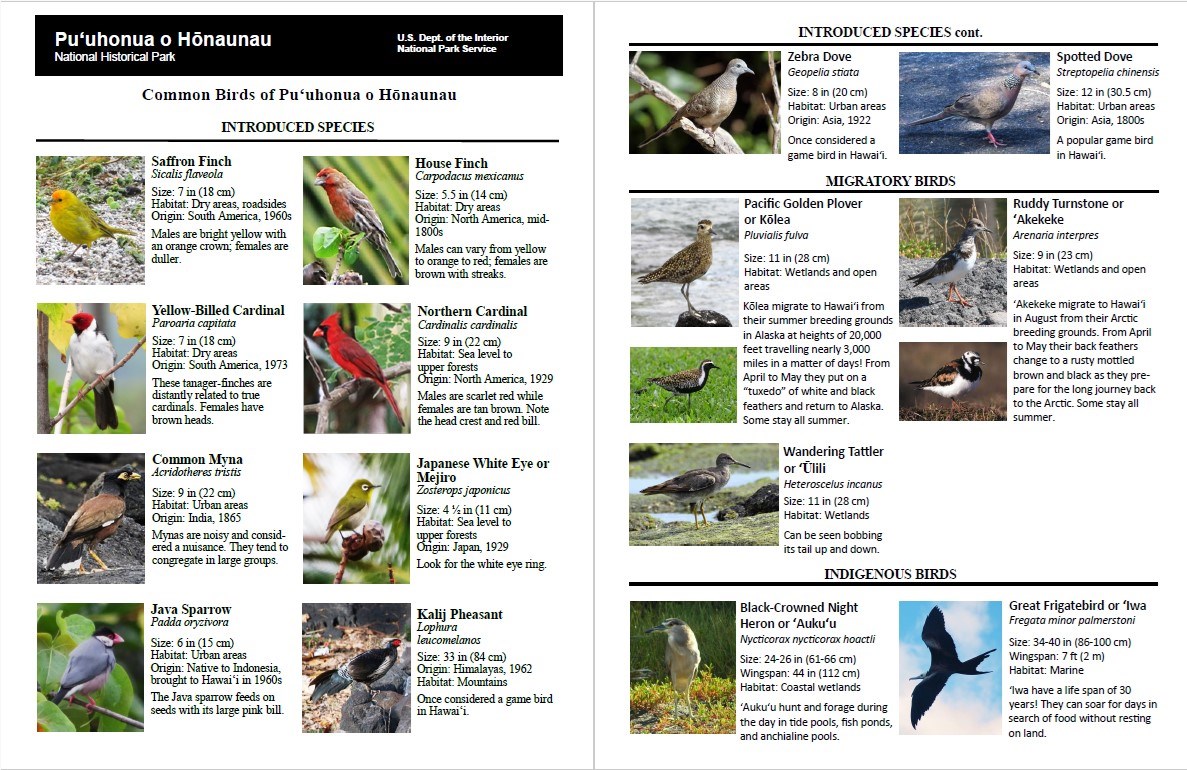
Credit: www.nps.gov
Frequently Asked Questions
Why Are Urban Natural Habitats Important?
Urban natural habitats offer essential benefits, including air purification, temperature regulation, and biodiversity conservation. These green spaces provide a refuge for wildlife, including endangered birds. They also enhance human well-being by offering recreational areas and improving mental health. Preserving these habitats is crucial for maintaining ecological balance and promoting sustainable urban development.
How Do Endangered Birds Benefit Ecosystems?
Endangered birds play vital roles in ecosystems by controlling insect populations, pollinating plants, and dispersing seeds. Their presence indicates a healthy environment, as they contribute to biodiversity. Protecting these birds helps maintain ecological balance, supports plant growth, and sustains food chains.
Conservation efforts ensure the survival of these species and ecosystem stability.
What Threats Do Urban Habitats Face?
Urban habitats face numerous threats, including habitat destruction, pollution, and climate change. Development projects often lead to land fragmentation, reducing available space for wildlife. Pollution from vehicles and industries degrades air and water quality. Climate change alters habitats, affecting food availability and nesting sites.
Protecting these areas is essential for biodiversity.
How Can Cities Protect Natural Habitats?
Cities can protect natural habitats by implementing green infrastructure, promoting sustainable development, and enforcing conservation policies. Creating parks and green corridors connects fragmented habitats, supporting wildlife. Encouraging native plant landscaping enhances biodiversity. Educating communities about environmental conservation fosters public support.
Collaborative efforts between governments, NGOs, and citizens are crucial for habitat preservation.
Conclusion
Preserving urban natural habitats is crucial for bird conservation. These areas offer refuge and breeding grounds. Protecting them helps maintain biodiversity. Endangered birds face threats from habitat loss. Urban spaces can become safe havens. Communities benefit too. Green areas improve mental health and air quality.
They enhance city life and sustain wildlife. Every small effort counts. Plant native trees. Support local conservation initiatives. Together, we can create thriving urban ecosystems. Protecting birds means protecting our future. Let's cherish and safeguard these vital habitats.