


Imagine you’re on a long road trip, cruising through scenic routes, only to hit detours and dead ends. Frustrating, right?
Now, consider the journey of migrating birds. These feathered travelers embark on epic voyages across continents, and like you, they face unexpected hurdles. One of the biggest obstacles is habitat fragmentation. Have you ever wondered how these disruptions affect our avian friends?
The answer is more critical than you might think. Fragmented habitats can spell disaster for migrating birds, disrupting their flight paths and jeopardizing their survival. This isn't just about birds; it impacts your world too. Healthy bird populations help maintain ecosystems, which in turn support agriculture and even the air you breathe. So, how exactly does habitat fragmentation affect migrating bird populations, and why should you care? Keep reading to uncover the surprising connections between the landscapes you see every day and the unseen struggles of these incredible voyagers. Your understanding could make a world of difference.
Habitat Fragmentation Defined
Habitat fragmentation breaks large habitats into smaller, isolated patches. This process disrupts natural environments. It occurs due to human activities like urban development, agriculture, and road construction. Fragmented landscapes pose challenges for wildlife, especially migrating birds. These birds rely on continuous habitats for food and shelter. Fragmentation alters their migratory paths and survival chances.
What Causes Habitat Fragmentation?
Urban expansion rapidly transforms land. Forests give way to cities and roads. Agricultural practices clear vast areas for crops. This results in fragmented habitats. Infrastructure projects, like highways, slice through natural landscapes. These changes isolate wildlife populations.
Impacts On Ecosystem Dynamics
Fragmentation changes how ecosystems function. Smaller habitats support fewer species. This limits biodiversity. It affects food chains and ecological interactions. Native species may struggle to survive. Invasive species often thrive in fragmented areas.
Challenges For Migrating Birds
Migrating birds face numerous obstacles. They need large, connected habitats for rest. Fragmented areas offer fewer resources. Birds expend more energy finding food and shelter. This impacts their breeding success and survival rates.
Importance Of Continuous Habitats
Continuous habitats support diverse wildlife populations. They provide ample resources for migrating birds. These habitats ensure safe travel and survival. Preserving them is vital for biodiversity conservation.
Causes Of Habitat Fragmentation
Habitat fragmentation splits large habitats into smaller, isolated patches. This makes it hard for migrating birds to find food and rest. They often face increased risks from predators and harsh weather conditions during their journey.
Understanding the causes of habitat fragmentation is crucial in recognizing how it affects migrating bird populations. Fragmentation occurs when large, continuous habitats are divided into smaller, isolated patches. This can severely impact the natural migration routes of birds, leading to population declines. Below, we'll explore the main causes of habitat fragmentation.
Urban Development
Urban development is a significant driver of habitat fragmentation. Cities expand to accommodate growing populations, often at the expense of natural landscapes. When I moved to a bustling city, I noticed how green spaces were replaced by concrete. This development cuts through migration paths, making it challenging for birds to find food and rest.
Agricultural Expansion
Agricultural expansion transforms forests and grasslands into farmland. While essential for food production, this can disrupt the ecosystems birds rely on. Imagine driving through the countryside and noticing fewer trees and more fields. Birds lose nesting sites and food sources, forcing them to alter their migratory journeys.
Infrastructure Growth
The growth of infrastructure, like roads and railways, slices through habitats. These structures can be barriers for migrating birds, increasing the risk of collisions and mortality. Have you ever wondered why you see fewer birds near highways? The noise and pollution can deter birds from these areas, further fragmenting their habitat.
Natural Events
Natural events like wildfires and storms can also fragment habitats. These events may seem beyond our control, yet their frequency and intensity are exacerbated by human actions, such as climate change. Picture a forest after a wildfire—birds returning to migrate find a transformed landscape, often unsuitable for their needs. Each of these factors contributes to the challenges faced by migrating birds. As you consider these causes, think about ways you can support conservation efforts. Can small actions, like advocating for green spaces in your community, make a difference? The answer might be closer than you think.
Migratory Patterns Of Birds
Bird migration is a fascinating natural phenomenon. Birds move between breeding and wintering grounds. Their journeys are crucial for survival. Understanding these patterns helps in conserving bird populations.
Migration is influenced by environmental factors. Climate, food availability, and breeding are key. Birds navigate vast distances using innate skills. They follow specific routes, facing many challenges.
Seasonal Movements
Birds migrate with changing seasons. Spring and fall are peak times. In spring, birds head to breeding sites. Fall sees them return to warmer areas. These movements are predictable and cyclical.
Weather plays a huge role. Warmer temperatures trigger migration. Birds rely on cues from the environment. This ensures they reach destinations on time.
Long-distance Travelers
Some birds cover incredible distances. Arctic terns travel up to 44,000 miles yearly. These long journeys demand immense stamina. Birds prepare by storing fat reserves.
They cross continents and oceans. Navigation relies on the sun, stars, and Earth's magnetic field. Long-distance travelers face numerous obstacles. Yet, their persistence is remarkable.
Short-distance Migrants
Not all birds migrate far. Many species move shorter distances. These birds adjust to local climate changes. They may shift elevation or latitude.
Short-distance migrants are flexible. They adapt quickly to environmental shifts. Their movements are less predictable. This allows them to exploit nearby resources.
Credit: www.birds.cornell.edu
Impacts On Migrating Birds
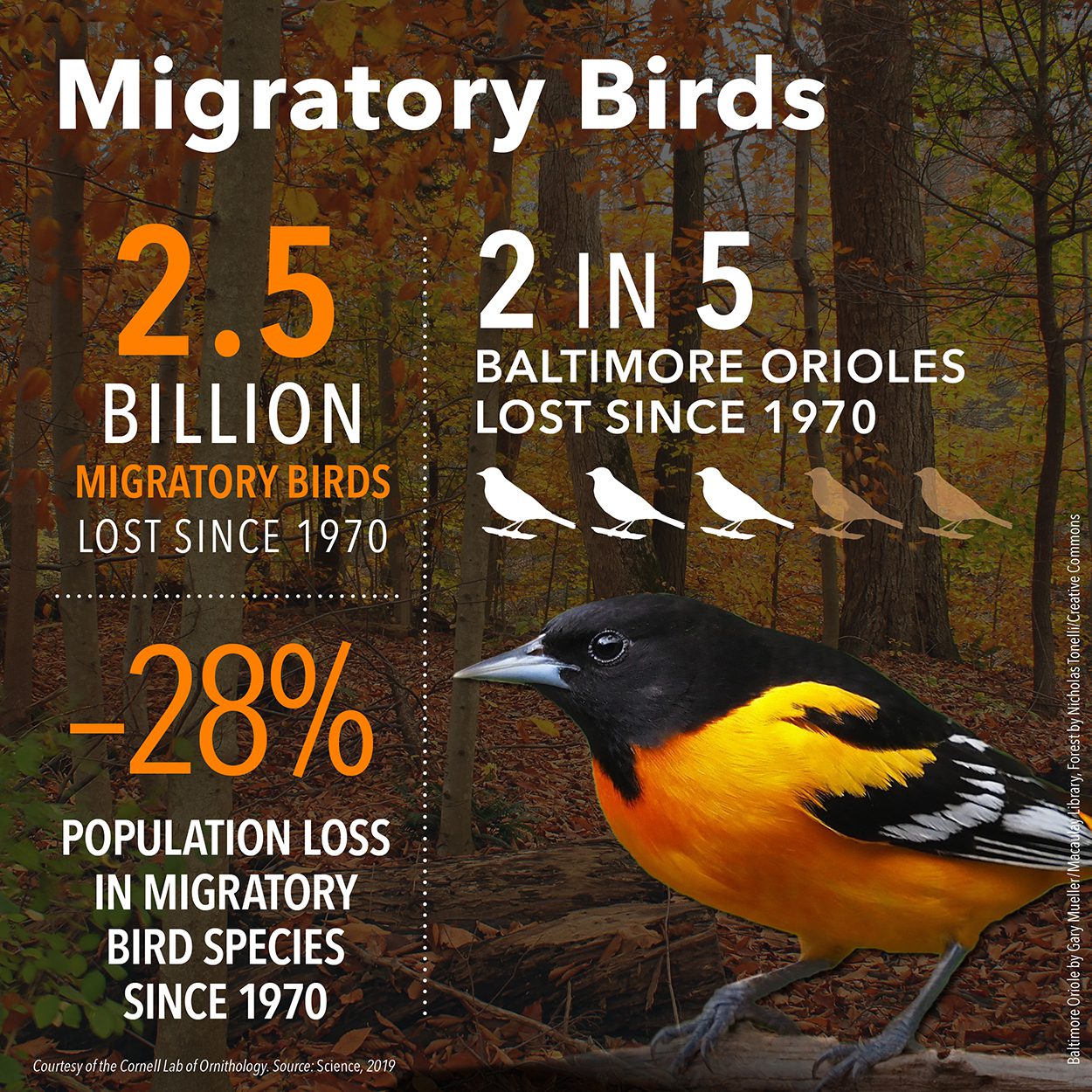
Habitat fragmentation affects migrating birds significantly. These birds rely on vast landscapes for safe passage. Fragmented habitats pose challenges to their survival. Understanding these impacts is crucial for conservation efforts. Let's explore how habitat fragmentation affects migrating birds.
Loss Of Stopover Sites
Stopover sites are essential for resting during long journeys. Fragmentation reduces available rest areas. Birds struggle to find safe spots to land and refuel. This loss adds stress to their migration, impacting survival rates.
Increased Predation Risk
Fragmented habitats increase exposure to predators. Birds have fewer places to hide from threats. Open areas make them easy targets for hunters. This risk elevates during migration, affecting their numbers.
Disrupted Food Supplies
Food supply disruption is another major concern. Birds depend on specific areas for feeding. Fragmentation can reduce access to these resources. This scarcity affects their energy levels for migration. Lack of food can lead to weakened birds, unable to complete their journeys.
Altered Flight Paths
Fragmentation forces birds to change their flight paths. They must navigate around obstacles like cities or roads. These detours can lead to longer travel times. Altered paths may increase energy consumption, affecting their ability to reach destinations.
Behavioral Changes In Birds
Habitat fragmentation challenges migrating birds by disrupting their traditional routes. Birds struggle to find food and safe resting places. This can lead to increased stress and declining populations.
Understanding the behavioral changes in birds due to habitat fragmentation is crucial for bird enthusiasts and conservationists alike. As birds navigate their altered environments, they exhibit shifts in behavior that can greatly influence their survival and reproduction. These changes are not only fascinating but also offer insights into how resilient or vulnerable bird populations might be to ongoing environmental changes.
Adaptation To New Environments
Birds often face the challenge of adapting to new environments when their traditional habitats are fragmented. They might explore new food sources or nesting sites, which can affect their health and survival. Have you ever noticed how birds in urban areas seem to thrive despite the lack of natural resources? This is a prime example of adaptation, but it doesn't come without cost. Some species may not adapt well, leading to declines in their populations.
Changes In Social Structures
Habitat fragmentation can lead to significant changes in bird social structures. Birds that once thrived in large flocks might now find themselves in smaller groups or even alone. This can affect their ability to find mates, protect themselves from predators, and share resources. Imagine the impact on a bird used to the protection of a large flock, now suddenly vulnerable and isolated. This raises a question: How do these social changes impact the long-term survival of these birds?
Altered Breeding Patterns
Breeding patterns can also change dramatically due to habitat fragmentation. Birds may start breeding earlier or later than usual, depending on the availability of resources and suitable nesting sites. This can have a ripple effect on the entire ecosystem, as breeding times often align with food supply and predator cycles. Have you ever wondered why some birds seem to be nesting out of season? This alteration can disrupt the delicate balance of their ecological niche. Understanding these shifts can provide important clues about the resilience of bird populations facing habitat challenges. Engaging with these behavioral changes not only broadens your appreciation for these avian wonders but also empowers you to support conservation efforts. Each behavioral shift tells a story about adaptation, survival, and the intricate balance of nature. How can you contribute to preserving these vital ecosystems for future generations of birds?

Credit: www.science.org
Ecological Consequences
Ecological consequences of habitat fragmentation can deeply impact migrating birds. They face numerous challenges during their journeys. Fragmentation disrupts natural habitats, affecting birds' survival and reproduction.
Biodiversity Loss
Fragmentation reduces available space for various species. This leads to a decline in biodiversity. Migrating birds struggle to find adequate resources. Limited habitats mean fewer nesting sites. Many bird species face extinction threats. Biodiversity loss weakens ecosystem resilience.
Ecosystem Imbalance
Fragmentation can cause ecosystem imbalance. Birds play crucial roles in ecosystems. They help control pest populations. Their absence disrupts natural processes. Imbalanced ecosystems struggle to function properly. This affects plant and animal communities.
Changes In Species Interactions
Fragmentation alters species interactions. Birds rely on specific relationships with plants and insects. These connections are vital for survival. Fragmented habitats change these dynamics. Some interactions become impossible. Birds can't adapt quickly enough to survive.
Conservation Strategies
Conservation strategies play a vital role in supporting migrating bird populations. Habitat fragmentation disrupts their natural paths. Effective strategies can help mitigate these impacts. These strategies aim to restore and protect essential bird habitats. They involve community efforts to ensure safe migration routes. Below are some key strategies for conservation.
Habitat Restoration
Restoring habitats helps birds find suitable areas to rest and feed. Planting native trees and shrubs offers shelter and food. Wetland restoration provides essential resources for many bird species. Restoration efforts focus on rebuilding damaged ecosystems. This supports biodiversity and creates stable environments.
Protected Migration Corridors
Protected corridors ensure birds can move safely across landscapes. These corridors connect fragmented habitats. They reduce the risks of urbanization and deforestation. Designating safe passage routes helps maintain migration patterns. Governments can establish protected areas along critical migration paths.
Community Involvement
Local communities can play an active role in conservation. Educational programs raise awareness about bird migration challenges. Volunteers can participate in habitat restoration projects. Community-led initiatives foster a sense of stewardship. People become more invested in preserving bird populations.
Credit: www.allaboutbirds.org
Future Challenges
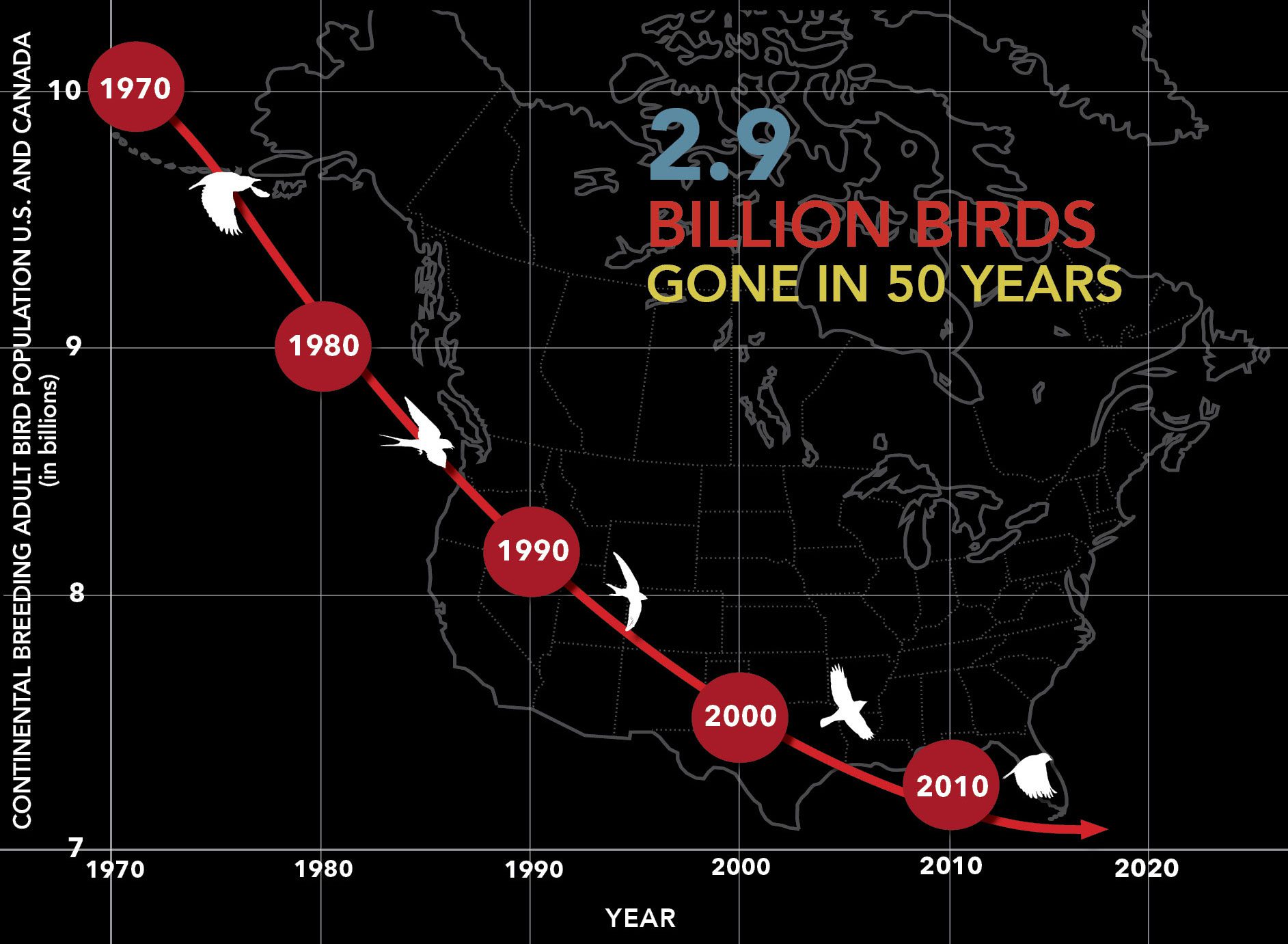
Future challenges are mounting for migrating bird populations facing habitat fragmentation. As environments change, birds struggle to find consistent pathways. Disruptions in their habitats pose serious threats to survival and reproduction. Understanding these challenges is crucial for effective conservation efforts.
Climate Change Impacts
Climate change alters habitats swiftly. Rising temperatures affect bird migration patterns. Birds rely on predictable weather for migration. Unpredictable weather events can lead to exhaustion and death. Habitat loss due to climate shifts creates fragmented spaces. Birds might not find suitable places to rest or breed.
Increasing Human Population
Human populations continue to grow rapidly. Urban expansion causes habitat destruction. Birds lose critical nesting sites. Noise pollution disrupts their communication. Light pollution affects their navigation at night. Increased human activity pushes birds out of their natural habitats.
Policy And Legislation
Effective policies are essential for bird conservation. Current legislation often falls short. Protecting bird habitats requires strong legal frameworks. Enforcing laws can help preserve key migration routes. International cooperation is vital for cross-border conservation efforts. Policies must adapt to changing environmental conditions.
Frequently Asked Questions
What Is Habitat Fragmentation?
Habitat fragmentation occurs when large habitats are divided into smaller, isolated patches. This can be due to human activities like urbanization and agriculture. Fragmentation disrupts ecosystems, affecting wildlife. Migrating birds may struggle to find food, shelter, and safe passage. This poses challenges to their survival and population stability.
How Does Fragmentation Affect Bird Migration?
Fragmentation affects bird migration by disrupting routes and habitats. Birds rely on continuous habitats for food and rest. Fragmented habitats can lead to increased predation and reduced resources. This can cause stress and energy depletion in birds, impacting their migration success and survival rates.
Why Are Migrating Birds Vulnerable?
Migrating birds are vulnerable because they rely on specific habitats for survival. Fragmentation reduces available resources and increases exposure to predators. This makes finding food and shelter challenging during migration. Vulnerability increases due to habitat loss, pollution, and climate change, affecting their population and ecosystem roles.
Can Habitat Fragmentation Be Reversed?
Reversing habitat fragmentation involves conservation efforts and sustainable land use practices. Restoring continuous habitats and creating wildlife corridors can help. Protecting existing habitats and reducing human impact are crucial. Collaboration between governments, NGOs, and communities is essential to ensure effective habitat restoration and preservation.
Conclusion
Habitat fragmentation poses challenges to migrating birds. Smaller habitats limit food access. Safe resting spots become scarce. Birds face threats from predators and harsh weather. Their journey becomes risky and exhausting. Conservation efforts are crucial. Protecting and restoring habitats can help birds thrive.
Every action counts in preserving bird populations. Small changes make a big difference. Support local conservation groups. Spread awareness about habitat issues. Together, we can ensure safe journeys for migrating birds. Let's protect their homes and survival. Their future depends on our actions today.