


Imagine looking up at the sky to witness the mesmerizing dance of migrating birds. It's a spectacle that has fascinated humans for centuries.
But have you ever wondered how these journeys are being altered by climate change? As temperatures rise and weather patterns shift, bird migration is facing unprecedented challenges. You might be asking, "How does this affect me? " Well, the answer lies in the delicate balance of ecosystems and the role birds play in them.
Understanding these changes is crucial not only for bird enthusiasts but for anyone concerned about the natural world. This article will delve into the intricate relationship between climate change and bird migration, revealing surprising facts and insights that will keep you hooked. Prepare to discover how your actions can make a difference in preserving these incredible journeys.
Shifts In Migration Patterns
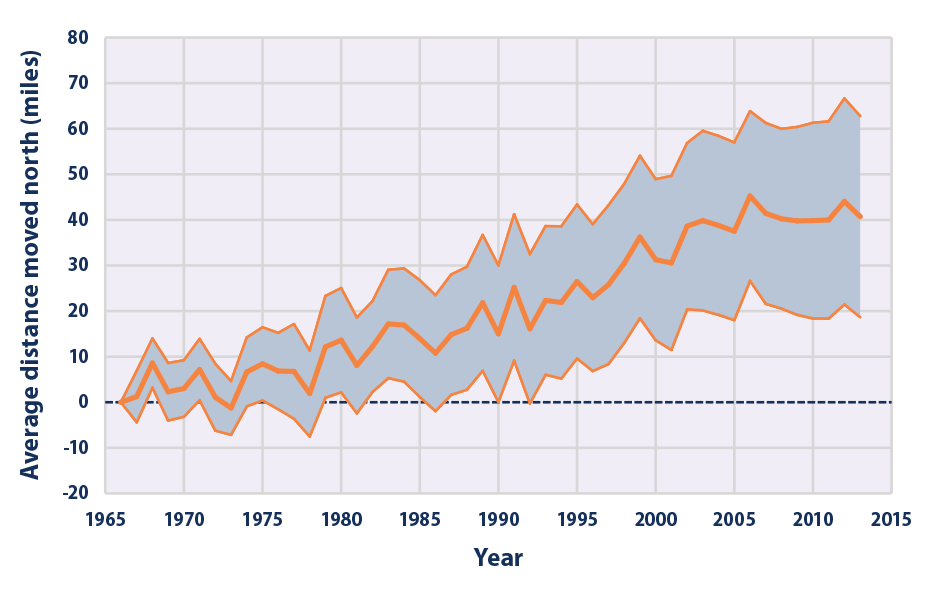
Climate change alters bird migration by shifting routes and timing. Birds adapt to temperature changes and food availability. These shifts can disrupt ecosystems and breeding patterns. Understanding these changes helps in conserving bird species and their habitats.
Bird migration is a marvel of nature that has fascinated humans for centuries. But with climate change, these awe-inspiring journeys are undergoing significant transformations. Shifts in migration patterns are emerging as birds adapt to new environmental conditions. These changes can have profound effects on ecosystems and biodiversity. As you read, consider how these shifts might affect your local bird populations and what that means for the future.
Earlier Departures And Arrivals
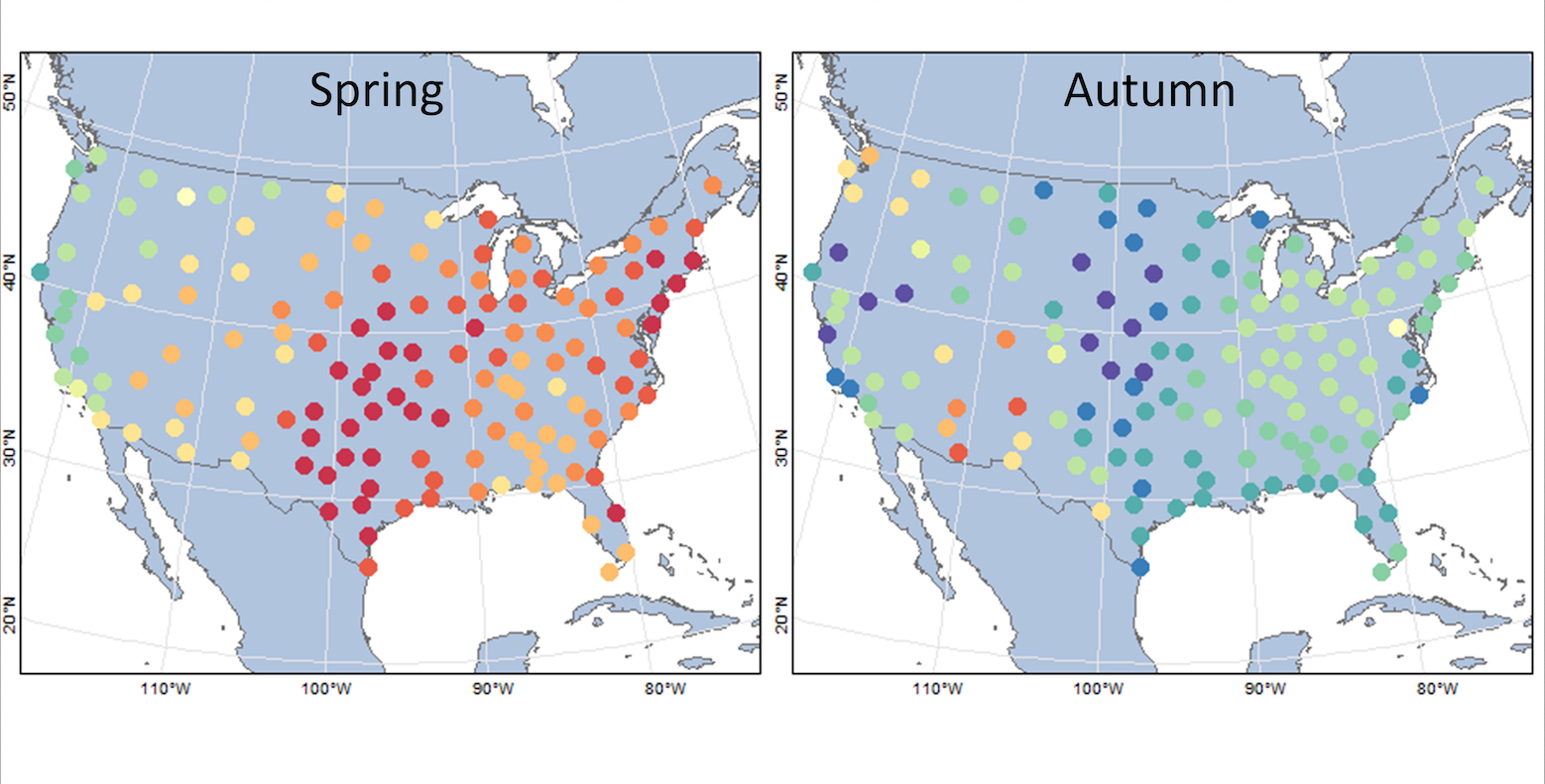
Climate change has led to warmer temperatures earlier in the year. This has prompted many bird species to adjust their migration schedules. You might notice certain birds arriving sooner than they used to. As a result, the timing of nesting and breeding may shift, affecting the survival of chicks. Have you ever wondered if the birds in your area seem to appear earlier each spring? This shift can disrupt the delicate balance of ecosystems. Food sources might not be available when birds arrive, leading to competition and stress.
Changes In Routes
Birds are incredibly resourceful, often changing their migration routes in response to altered landscapes and weather patterns. These new paths can lead to unexpected challenges. Birds might encounter urban areas, new predators, or different climates than they are adapted to. If you’ve ever noticed unusual bird species in your area, it could be due to these altered routes. Such changes can impact local ecosystems by introducing new species that compete with native wildlife. This can lead to shifts in local biodiversity and changes in the food web. Have you ever considered how these changes might affect your environment? Understanding these shifts can help you make informed decisions to support local wildlife. Simple actions, like planting native species or reducing pesticide use, can make a significant difference. Climate change is reshaping the natural world, and bird migration is no exception. By being observant and proactive, you can play a part in supporting these incredible creatures. Are you ready to make a positive impact? Your actions today can help preserve the wonders of bird migration for future generations.
Credit: www.eurekalert.org
Impact On Breeding And Feeding
Climate change shifts bird migration patterns, affecting breeding and feeding routines. Rising temperatures alter habitats, causing birds to adjust their migratory paths. Changes in food availability impact survival rates, as birds face challenges in finding sustenance during migration.
Climate change is reshaping our planet in many ways, and bird migration is no exception. As temperatures rise and habitats transform, birds face challenges that affect their breeding and feeding patterns. These changes could have ripple effects on ecosystems and biodiversity. It's crucial to understand how these shifts impact birds to better protect them.
Altered Breeding Seasons
Birds rely on environmental cues to time their breeding seasons. With climate change, these cues are becoming unpredictable. Warmer temperatures might trigger earlier breeding, which can misalign with the availability of resources like food and nesting sites. Imagine planning a picnic based on last year's weather, only to find it's too early, and nothing is ready. Birds face a similar dilemma. If they breed too soon, their chicks might hatch when food is scarce. Does this mean some species might not survive? It's a possibility. When breeding is off-kilter, young birds may not thrive, impacting populations long-term.
Food Availability Challenges
Climate change affects the abundance and distribution of food sources. Birds may arrive at their breeding grounds to find that insects or plants they rely on are not yet available or have already peaked. Think about expecting a fridge full of groceries, only to find it empty. Birds must adapt quickly, or they risk starvation. Some species might shift their migration patterns to track food, but this isn't always possible. Changes in food availability can lead to increased competition, forcing weaker birds to seek new habitats or face extinction. How can you help? Supporting conservation efforts and creating bird-friendly environments in your community can make a difference. Plant native species and avoid pesticides to provide safe havens for these travelers. In understanding these challenges, we play a part in safeguarding the future of bird migration. Your actions can create ripples of change, ensuring birds continue their incredible journeys across our skies.
Habitat Loss And Fragmentation
Climate change is reshaping the landscapes across the globe, leading to habitat loss and fragmentation, which poses significant challenges to bird migration patterns. Birds rely heavily on stable habitats for nesting, feeding, and resting during their long journeys. But as these environments change or disappear, birds are forced to adapt or perish. This struggle is felt most acutely in areas like wetlands and forests, which are essential for many migratory species.
Disappearing Wetlands
Wetlands are critical stopovers for migratory birds, providing food and shelter during their journeys. Climate change is causing these vital areas to dry up. Rising temperatures and altered precipitation patterns lead to reduced water availability, transforming lush wetlands into barren landscapes.
Consider a wetland that was once home to thousands of birds. As it diminishes, these birds must find new routes and resting places, which can be scarce. Imagine planning a trip and suddenly all your favorite rest stops disappear. How would you cope?
Birds are facing this dilemma. The loss of wetlands not only affects their migration but also impacts the ecological balance. Wetlands act as natural water filters and provide a unique habitat for diverse species.
Forest And Grassland Changes
Forests and grasslands are undergoing significant changes due to climate change. Increased temperatures and changing rainfall patterns alter plant growth, affecting food availability for birds. Some forests are experiencing longer droughts, while others face more frequent wildfires.
Think about the lush forests that once provided berries and insects for migrating birds. Now, they might be scorched or barren, offering little nourishment. This forces birds to fly longer distances in search of food, adding stress to their already challenging journeys.
Grasslands are also transforming. As some areas dry up, they become unsuitable for ground-nesting birds. Picture a grassland that turns into a desert, making it impossible for birds to find suitable nesting sites. How do these birds adapt to such drastic changes?
It's crucial to understand how these shifts affect bird migration. As their habitats fragment, the risk of losing these species grows. What steps can you take to support conservation efforts in your community?
Each action counts. Whether it's supporting wetland restoration or advocating for forest protection, your efforts can help preserve these vital habitats for migratory birds. Let's ensure future generations can witness the awe-inspiring sight of a bird migration.
Increased Weather Extremes
Climate change is reshaping the world in many ways, and bird migration is no exception. One of the most pressing concerns is the increased weather extremes. As you witness more unpredictable storms and temperature fluctuations, the delicate balance of bird migration patterns faces unprecedented challenges. Let's delve into how these weather extremes impact our feathered friends.
Storm Impact On Migration
Imagine watching a flock of birds struggling against an unexpected storm. Such weather events can drastically alter migration routes. Birds often rely on predictable weather patterns to guide them. But increasingly severe storms disrupt this natural GPS.
Your favorite bird species might find themselves stuck or pushed far off course. This can lead to exhaustion and, unfortunately, increased mortality rates. As a bird enthusiast, have you noticed any changes in their arrival times?
Temperature Fluctuations
Temperature plays a crucial role in migration timing. Birds often begin their journey based on seasonal cues. But erratic temperature changes can confuse these signals, leading to premature or delayed departures.
Imagine packing for a trip only to find the weather completely different from what you expected. Birds face a similar dilemma. They may arrive too early, with food and nesting conditions not yet optimal. How can they adapt to these rapid changes?
Consider observing how your local bird populations are adapting. You might notice shifts in their behavior or timing. These insights can inform conservation efforts aimed at preserving migration pathways. Is there something you can do to support these efforts?
Adaptation And Resilience
Changes in climate impact bird migration patterns. Birds face challenges in timing, routes, and destinations. Adapting and resilience are crucial for survival.
Climate change is reshaping the world around us, and bird migration is no exception. As temperatures rise and habitats shift, birds face the challenge of adapting their migratory patterns to survive. But how resilient are these feathered travelers? Understanding their ability to adapt and the role of conservation efforts can provide insights into the future of bird migration.
Species Adaptation Strategies
Birds are finding innovative ways to cope with changing climates. Some species adjust their migration routes, flying longer distances to find suitable habitats. Others change their timing, arriving earlier or later than before. You might wonder how they know when to alter their paths. It's fascinating how birds sense environmental changes and adjust accordingly. Some birds even evolve physically, developing traits that better suit their new environments. Yet, adaptation isn't universal. Not all birds can keep up with rapid changes. This raises the question: How can we assist those struggling to adapt?
Role Of Conservation Efforts
Conservation plays a critical role in supporting bird resilience. Efforts like preserving habitats and creating protected areas can help safeguard migratory paths. One inspiring example is the establishment of bird reserves along migratory routes. These sanctuaries offer a safe haven for birds to rest and refuel. Additionally, monitoring bird populations helps identify species at risk. By understanding their needs, conservationists can tailor strategies to support vulnerable birds. Have you ever contributed to a local bird conservation project? Even small actions can make a difference. Supporting these initiatives ensures that future generations will enjoy the marvel of bird migration. Ultimately, it's about creating a balance between adaptation and conservation. As climate change continues to impact our world, your support can be a vital part of birds' resilience journey. How will you contribute to this ongoing effort?
Credit: www.epa.gov
Human Influence And Mitigation
Climate change poses serious challenges to bird migration. Human activities significantly influence these changes. Urban areas expand, altering bird habitats. Communities and policymakers can play a key role in mitigation. Understanding human influence is vital for effective action.
Urbanization Effects
Urban growth replaces natural habitats with buildings and roads. Birds lose nesting sites and food sources. Light pollution from cities disorients nocturnal migrators. This makes their journeys more perilous. Noise from urban areas can also disrupt communication among birds. They struggle to find mates and navigate routes. Urban environments often present physical barriers to migration. Buildings, vehicles, and power lines increase collision risks.
Policy And Community Initiatives
Policies can help protect bird habitats. Governments can designate protected areas as safe havens. These areas support bird populations during migration. Communities play a crucial role too. Local projects can create bird-friendly spaces. Planting native trees and reducing light pollution are effective strategies. Educational programs raise awareness about bird conservation. People learn to appreciate the importance of migratory birds. Collaborations between scientists, governments, and communities drive positive change.
Credit: birdcast.info
Frequently Asked Questions
How Does Climate Change Impact Bird Migration Patterns?
Climate change affects bird migration by altering habitats and food availability. Temperature shifts can change migration timings. Birds may arrive too early or late for optimal breeding conditions. These disruptions can impact survival rates and species distribution.
Why Are Birds Migrating Earlier Due To Climate Change?
Warmer temperatures due to climate change cause earlier plant blooming. This results in shifts in insect availability. Birds adjust their migration timing to match these changes, leading to earlier migrations. This adaptation helps birds find food, but can disrupt breeding and ecosystem balance.
How Does Climate Change Affect Bird Habitats?
Climate change leads to habitat loss and degradation. Rising temperatures and changing precipitation patterns alter ecosystems. Wetlands may dry up, and forests can shift locations. These changes reduce suitable habitats, impacting bird populations and forcing them to migrate further.
Can Climate Change Cause Extinction In Bird Species?
Yes, climate change can lead to bird species extinction. Altered habitats and disrupted migration patterns threaten survival. Birds may struggle to adapt to rapid environmental changes. This can reduce populations and increase extinction risks for vulnerable species.
Conclusion
Bird migration faces serious challenges from climate change. Birds rely on specific cues to migrate. Rising temperatures disrupt these natural signals. This leads to altered migration patterns. Some birds might arrive too early or too late. Food sources may not be available when needed.
This affects bird survival rates. Protecting habitats is crucial. Conservation efforts can help birds adapt. Understanding these changes is vital. We must act to support bird populations. Our actions today shape their future. Let's ensure birds thrive for generations. Working together, we can make a difference.