


Have you ever wondered how hurricanes impact the delicate dance of bird migration? As these powerful storms sweep across the landscape, they don't just disrupt human lives; they also throw a wrench into the natural rhythms of countless bird species.
If you're curious about the unexpected ways these storms can alter flight paths, influence survival rates, and even reshape migration patterns, you're in the right place. This article will unveil the hidden stories of birds battling nature's fury, and it might just change the way you think about these magnificent migrations.
Stay with us, and discover how hurricanes wield their power over our feathered travelers.
Hurricanes And Bird Migration Patterns
Hurricanes disrupt bird migration by altering wind patterns and destroying habitats. Birds struggle to find food and shelter, making their journeys longer. These storms can force birds to change their routes, leading to exhaustion and increased risk.
Hurricanes dramatically influence bird migration patterns, often leaving birdwatchers and researchers both fascinated and concerned. These powerful storms can disrupt the natural routes birds follow, sometimes leading them into unfamiliar territories. Understanding how hurricanes affect these patterns can offer insights into the resilience and adaptability of bird species during extreme weather events.
How Hurricanes Disrupt Migration Paths
When hurricanes strike, they can force birds off their usual migratory paths. Strong winds can carry them hundreds of miles away from their intended destination. This displacement can lead to birds ending up in regions where they are not typically found. Birds that normally rely on specific landmarks for navigation may struggle when those landmarks are obscured by the storm. The chaos of a hurricane can confuse their internal compasses, leading to further deviations. This raises the question: how do birds recover and find their way back?
The Impact On Bird Populations
Hurricanes can have a significant impact on bird populations. The stress of being displaced, combined with the challenge of finding food and shelter in unfamiliar areas, can lead to increased mortality rates. You may have noticed fewer birds in your area after a hurricane. This change is often due to the birds being forced to seek refuge elsewhere. However, some species demonstrate remarkable resilience, adapting to new environments and even thriving despite the odds.
Adaptations And Survival Strategies
Some birds display incredible adaptability when faced with hurricanes. Species like the Swainson's Thrush have been observed to alter their flight altitude and speed to navigate through storms. Birds often take refuge in dense vegetation or urban areas to ride out the storm. Interestingly, you might find birds that don't usually inhabit your region temporarily settling in after a hurricane. These survival strategies highlight the birds' ability to adapt and overcome environmental challenges.
How You Can Help Displaced Birds
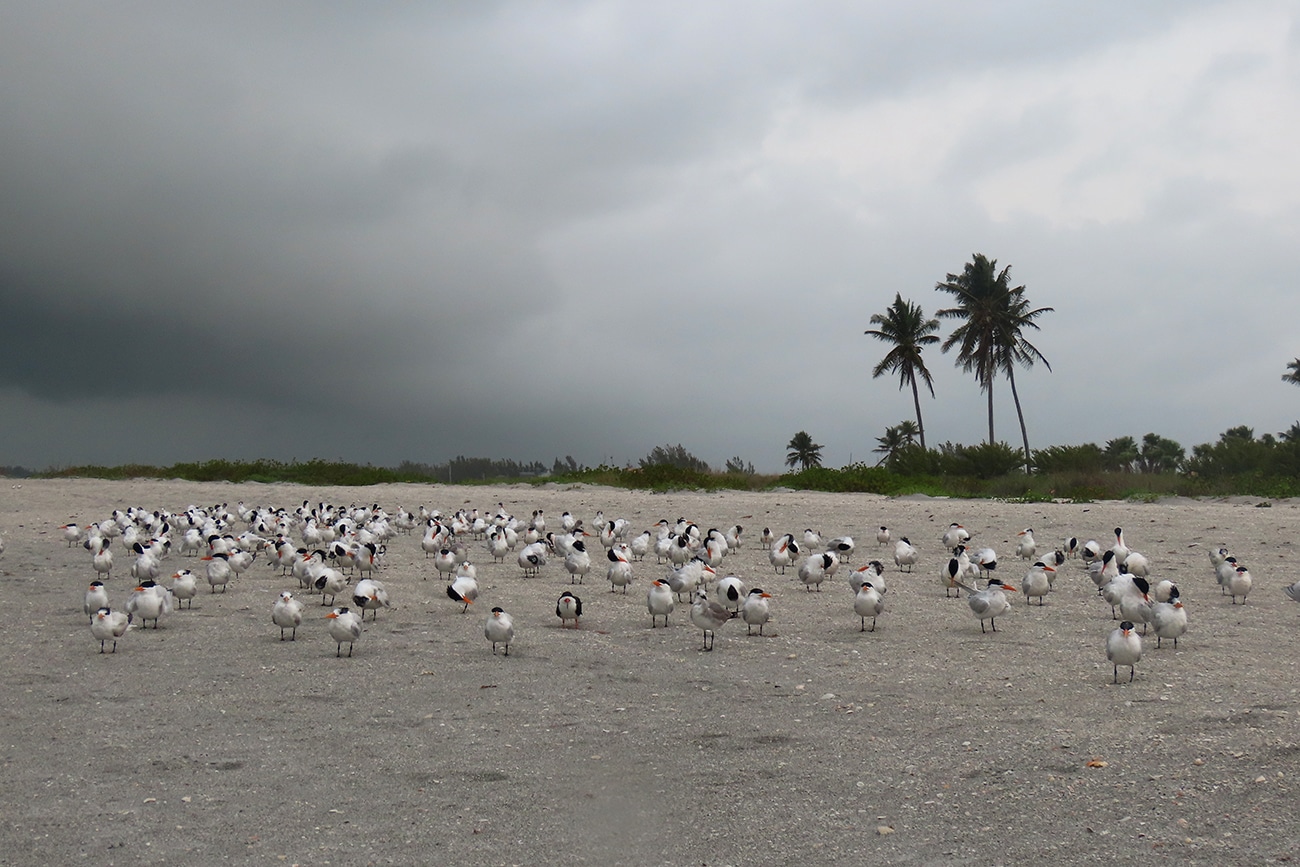
After a hurricane, you can play a role in supporting displaced birds. Providing food and water can be crucial, especially when natural sources are scarce. Consider setting up a bird feeder in your yard to help them replenish their energy. Creating a safe space with shelter options like dense shrubs can also offer refuge for exhausted birds. Have you ever wondered how your actions might impact local wildlife? Small efforts can make a difference, offering a lifeline to birds navigating the aftermath of a storm.
Credit: sccf.org
Navigational Challenges
Birds rely on natural cues for migration. Hurricanes disrupt these patterns significantly. Strong winds can alter their course. This forces birds into unfamiliar territories. They face many obstacles during these challenges.
Weather Patterns And Their Impact
Hurricanes change weather patterns dramatically. Birds struggle to find their way. Shifts in wind direction confuse them. Many end up far from their intended path. This increases the risk of exhaustion and starvation.
Loss Of Natural Landmarks
Birds use landmarks like rivers and mountains for navigation. Hurricanes often destroy these landmarks. Without these guides, birds lose their way. This leads to disorientation and increased danger.
Temporary Displacement
Strong hurricane winds displace birds temporarily. They may land in unfamiliar places. This displacement affects their health and survival. Finding food and shelter becomes a challenge.
Altered Magnetic Fields
Birds use Earth's magnetic fields for navigation. Hurricanes can alter these fields. This makes it harder for birds to maintain their course. Navigational accuracy decreases significantly.
Impact On Migratory Routes
Hurricanes force birds to change their migratory routes. New paths may be longer and more dangerous. This increases the energy needed to complete their journey. Many birds may not survive these detours.
Impact On Habitat And Food Sources
Hurricanes have a profound impact on bird migration. Especially on habitat and food sources. Powerful storms can alter landscapes. They destroy nesting sites. Birds face challenges. They search for food in unfamiliar territories. The aftermath of hurricanes reshapes ecosystems. It affects migration patterns.
Impact On Habitat
Hurricanes uproot trees. They flatten forests. Birds lose their homes. Many species rely on specific habitats. Storms alter these environments. Birds struggle to find shelter. Coastal areas suffer the most. Saltwater floods freshwater habitats. The ecosystem shifts dramatically.
Food Source Disruption
Birds depend on stable food sources. Hurricanes disrupt these sources. Strong winds scatter seeds and fruits. Insects are washed away. Birds must travel farther to find food. This extra effort impacts their energy. Migration becomes more difficult.
Long-term Consequences
Habitats take years to recover. Birds face ongoing challenges. Some species adapt. Others struggle to survive. Food sources may not replenish quickly. This leads to competition. Different species vie for limited resources. Migration routes might change. Birds seek new areas for sustenance.
Impact On Bird Populations
Hurricanes can reduce bird populations. Habitat loss leads to fewer nesting sites. Food scarcity limits reproduction. Some birds may migrate earlier. Others might skip migration entirely. This affects population dynamics. Long-term survival becomes uncertain.

Credit: www.youtube.com
Adaptation And Resilience
Hurricanes can disrupt bird migration patterns, forcing them to adapt quickly. Strong winds and storms push birds off course, leading to unexpected destinations. Resilient birds often find new routes and habitats, showcasing their incredible survival skills.
Adaptation and resilience are vital traits for birds when faced with the challenges of hurricanes. These powerful storms disrupt their usual migration paths and habitats. Yet, birds have developed remarkable strategies to survive and thrive despite the chaos. Understanding these adaptations not only fascinates us but can also inspire us in our own lives.
Flexible Migration Routes
Birds adapt by changing their migration routes when hurricanes strike. They don’t blindly follow the usual paths. Instead, they assess the situation and adjust. Have you ever considered how you might adapt your plans when faced with unexpected obstacles? Some birds travel thousands of miles across continents. If a hurricane blocks their path, they simply find a new one. This flexibility allows them to reach their destinations safely. Could your own ability to adapt be as instinctive and effective?
Increased Flight Altitude
Birds can fly at higher altitudes to avoid the worst of a hurricane’s fury. This isn’t something they do casually; it’s a calculated decision to survive. Imagine making a bold move to rise above challenges in your life. Flying higher means they face less turbulence and have a clearer view of their surroundings. It’s like gaining perspective during a crisis. Could adopting a higher viewpoint help you navigate your own storms more effectively?
Group Dynamics And Communication
Birds often rely on their flock for safety during hurricanes. They communicate and fly together, making decisions as a unit. Have you thought about how your support network can help you during difficult times? A flock’s strength lies in its numbers. They share information about safe routes and resting spots, ensuring everyone benefits. This cooperation highlights the importance of teamwork and communication. How can you leverage your relationships to build resilience?
Resourceful Use Of Shelter
When a hurricane hits, finding shelter becomes crucial for birds. They use trees, shrubs, and even man-made structures to protect themselves. Could you be more resourceful in finding solutions when faced with adversity? Birds don’t wait for perfect conditions; they make do with what’s available. This resourcefulness is a key survival trait. What resources are you overlooking that could help you weather your own storms?
Natural Instincts And Intuition
Birds rely heavily on their instincts during hurricanes. They have an innate ability to sense changes in weather patterns. Have you ever trusted your gut feeling to guide you through tough situations? These instincts are honed over generations. Birds can detect pressure changes and adjust accordingly. Trusting your intuition can be just as powerful. Are you listening to your inner voice as you face challenges? By exploring these traits, you uncover valuable lessons in adaptation and resilience. Birds show us that survival is about flexibility, communication, resourcefulness, and trusting instincts. What steps will you take to strengthen your own resilience?
Case Studies Of Affected Species
Bird migration patterns often change due to hurricanes. Strong winds and heavy rains can displace birds from their usual paths. These events challenge their survival and impact their breeding and feeding habits significantly.
Understanding how hurricanes affect bird migration is crucial for bird conservation and ecological studies. Hurricanes can disrupt the migratory patterns of birds, often leading to unexpected detours or changes in their usual routes. This impact varies among species, with some birds adapting quickly, while others face significant challenges. Let’s delve into some fascinating case studies of species affected by these powerful storms.
The American Redstart
The American Redstart is a small songbird known for its striking black and orange plumage. During hurricane season, these birds can be blown off course, leading to exhaustion and increased mortality. In some cases, they find themselves in unfamiliar habitats with scarce food resources. Observers have noted that when hurricanes strike during their migration, American Redstarts often arrive late at their breeding grounds, affecting their reproductive success.
The Blackpoll Warbler
Blackpoll Warblers are known for their long transoceanic flights during migration. These tiny birds fly from North America to South America, often encountering hurricanes in the Atlantic. When caught in a storm, Blackpoll Warblers may need to change direction drastically or halt their journey, using up precious energy reserves. Surprisingly, some have been observed using the strong hurricane winds to their advantage, propelling themselves faster towards their destination.
The Piping Plover
Piping Plovers, small shorebirds, face habitat loss due to hurricanes. These storms often reshape coastal areas, eroding beaches and destroying nesting sites. In recent years, conservationists have reported that Piping Plovers adjust by relocating their nesting sites further inland. This adaptation helps them survive, but it also underscores the need for more protected habitats to ensure their future.
Unexpected Adaptations
Some birds exhibit remarkable resilience and adaptability. Have you ever wondered how a tiny bird can withstand nature's fury? Observations show that certain species, like the Purple Martin, alter their migration timing to avoid peak hurricane season. This adaptation highlights the incredible intelligence and survival instincts of these birds.
What Can You Do?
Do you have a garden or a small patch of green space? Consider creating a bird-friendly environment to support migrating birds. Plant native shrubs and provide water sources. It's a small step, but it can make a big difference for birds affected by hurricanes. Your efforts can offer them a much-needed rest stop during their arduous journeys. Bird migration is a complex phenomenon impacted by various factors, including hurricanes. By studying affected species, you gain insights into the challenges birds face and the resilience they exhibit. How can you contribute to their conservation? Reflecting on these case studies may inspire new ways to support our feathered friends on their epic travels.
Conservation Efforts
Conservation efforts aim to protect bird species affected by hurricanes. These natural disasters disrupt migration routes and habitats. Scientists and organizations work tirelessly to mitigate these impacts. Effective conservation strategies are crucial for bird survival and biodiversity.
Understanding The Impact Of Hurricanes
Hurricanes can cause massive habitat destruction. Trees fall, nests are destroyed, and food sources disappear. Birds face challenges during migration. Their usual routes become perilous and unpredictable. Understanding these impacts helps create better conservation strategies.
Collaborative Conservation Initiatives
Organizations collaborate to protect migratory birds. International efforts focus on creating safe havens. These havens provide shelter and food during migration. Collaboration extends across borders. Experts share knowledge and resources. This teamwork is vital for effective conservation.
Restoration Of Habitats
Restoring habitats is a key focus. Efforts include planting native trees and shrubs. These provide shelter and food for birds. Restoration projects help rebuild ecosystems. Healthy habitats support bird populations and migration patterns.
Monitoring And Research
Continuous monitoring helps track bird populations. Research identifies the most affected species. Data collected informs conservation strategies. Scientists study migration patterns and habitat usage. This information guides effective conservation planning.
Public Awareness Campaigns
Educating the public is essential. Campaigns raise awareness about bird conservation. People learn how hurricanes affect birds. Education encourages community involvement. Public support enhances conservation efforts. Awareness leads to action and change.
Future Implications For Bird Migration
Hurricanes can disrupt bird migration patterns, pushing them off course. These storms create challenging conditions for birds. Birds may end up in unfamiliar areas, affecting their survival and breeding success.
The future implications of hurricanes on bird migration are significant. These storms can disrupt migration routes and timing. Birds rely on predictable weather patterns for their journeys. Climate change is increasing hurricane frequency and intensity. This could alter traditional migration paths.
Impact On Migration Routes
Hurricanes can change birds' flight paths. Birds may detour to avoid storms. This can lead them to unfamiliar territories. They might face new predators or food scarcity. Such changes can affect their survival rates.
Timing Disruptions
Storms can delay bird migration. Birds often wait until conditions are favorable. Delays might affect their breeding schedules. This can impact population growth. Birds arriving late at breeding grounds have fewer resources.
Habitat Alteration
Hurricanes can damage habitats. Trees and vegetation are often destroyed. Birds lose nesting and feeding areas. Habitat loss can force birds to relocate. This can lead to competition for resources in new areas.
Long-term Effects On Bird Populations
Repeated disruptions may affect bird populations. Some species might decline in numbers. Others might adapt to new migration patterns. Evolution could play a role in survival. Monitoring these changes is crucial for conservation efforts.
Conservation Strategies
Protecting bird habitats is essential. Conservationists need to develop adaptive strategies. Creating safe corridors for migration can help. Supporting research on migration patterns is vital. Educating the public about these issues can make a difference.

Credit: www.youtube.com
Frequently Asked Questions
How Do Hurricanes Disrupt Bird Migration Paths?
Hurricanes can drastically alter bird migration paths by causing disorientation. The strong winds and rain can push birds off course. This makes it difficult for them to find their usual migratory routes. Additionally, birds may be forced to land in unfamiliar or less hospitable areas.
Can Hurricanes Cause Birds To Migrate Earlier?
Yes, hurricanes can trigger earlier migration in birds. The approaching storm can act as a cue for birds to start their journey sooner. This behavior is a survival tactic to avoid dangerous weather conditions. However, it can also lead to unexpected challenges in their migration.
What Challenges Do Birds Face During A Hurricane?
During hurricanes, birds face challenges like extreme weather conditions and lack of food. The strong winds and heavy rain can be physically demanding. Additionally, hurricanes can destroy habitats, making it difficult for birds to find shelter and food during their journey.
Do All Birds React To Hurricanes The Same Way?
Not all birds react to hurricanes in the same way. Some species are more resilient and can adapt quickly. Others may struggle with the sudden environmental changes. Species with long migration routes might be more affected compared to those with shorter routes.
Conclusion
Understanding hurricanes helps us protect migrating birds. These storms change flight paths. Birds face challenges finding food and shelter. Some adapt quickly, others struggle. Conservation efforts matter. Supporting bird-friendly habitats is vital. These actions reduce storm impacts. We learn from nature's resilience.
Observing bird migrations gives insights. Their journeys tell powerful stories. Hurricanes remind us of nature's complexity. Birds show us adaptability and strength. Each migration season teaches us more. Let's cherish and protect these travelers. They connect us to the natural world.
Working together, we can make a difference.