


Have you ever wondered what guides birds on their incredible long-distance journeys? Birds are nature’s marathon travelers, migrating thousands of miles each year.
They traverse continents and oceans, facing weather changes and numerous obstacles. But how do they navigate such vast distances? One key element in this mystery is light. Understanding how light affects bird migration can reveal fascinating insights about these feathery travelers.
Imagine being able to decipher the invisible map that guides these birds. As you explore how light influences their movements, you’ll discover how birds use cues from the natural world to find their way. This knowledge not only satisfies your curiosity but also deepens your appreciation for the wonders of nature. Prepare to unlock the secrets of bird migration and see how something as simple as light can have such a profound impact. Keep reading, and you’ll be amazed by what you learn!
Role Of Light In Bird Migration
Bird migration is one of nature's most incredible phenomena. As seasons change, countless birds embark on long journeys, often traveling thousands of miles. But what drives this epic voyage? Light plays a crucial role. It influences when and how birds migrate, acting as a natural guide in their annual journey.
Light acts as a cue for birds to start their migration. As days become longer or shorter, birds sense these changes. This prompts their internal clocks to prepare for migration. Have you ever noticed how certain birds disappear as winter approaches? They’re responding to daylight changes, gearing up for their long journey.
But how exactly does light impact their navigation? Birds use the sun as a compass during the day. They can detect the position of the sun to orient themselves. At night, they rely on the moon and stars. It's fascinating to think about how these tiny creatures navigate vast landscapes using only natural light.
How Birds Use Light To Time Migration
Timing is everything in migration. Birds need to arrive at their destinations when food is plentiful and conditions are favorable. Changes in daylight length help them decide the right time to leave. Longer days signal the approach of spring, while shorter days indicate the onset of fall. This natural clock ensures they’re always in sync with the environment.
Have you ever wondered why some birds seem to leave earlier or later than others? Variations in light sensitivity can affect different species. Some birds are more attuned to subtle changes, adjusting their schedules accordingly. This adaptability is key to their survival.
Light Pollution And Its Impact On Migration
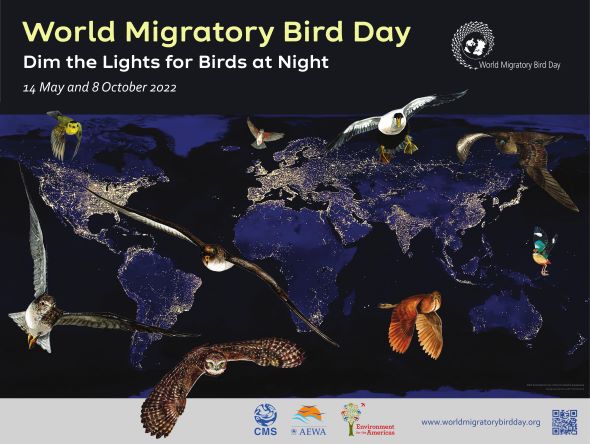
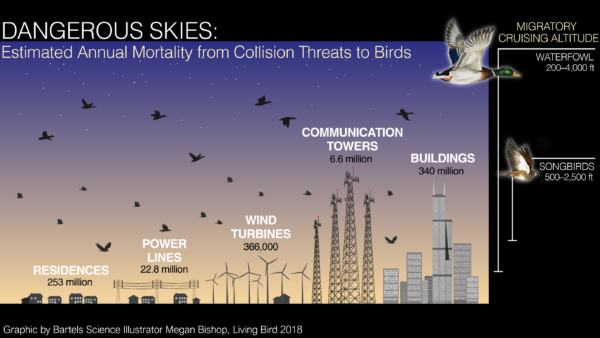
Unfortunately, artificial light can disrupt this natural process. Bright city lights can confuse migrating birds, leading them off course. This disorientation can result in exhaustion or even death. Did you know that millions of birds die each year due to collisions with illuminated buildings? It's a sobering reminder of the impact of human activity on wildlife.
What can you do to help? Simple actions like turning off unnecessary lights during migration seasons can make a big difference. Every small effort counts in creating a safer environment for these incredible travelers.
Have you ever taken a moment to consider how your local environment might affect bird migration? Observing and adjusting your habits can contribute to the protection of these essential natural cycles.
Credit: www.un.org
Photoperiod And Migration Timing
Light plays a crucial role in bird migration by signaling changes in seasons. Birds sense changes in daylight hours, prompting them to migrate. As daylight increases or decreases, it triggers birds to start their journey to breeding or wintering grounds.
Bird migration is a fascinating phenomenon that paints the sky with the flutter of wings each year. One critical factor influencing this intricate journey is light—specifically, the amount of daylight or 'photoperiod.' As the days get longer or shorter, birds receive cues from nature, signaling when it's time to embark on their migratory adventures. This natural clock helps them determine the right moment to travel, ensuring they arrive when conditions are optimal for survival and breeding. But how exactly does this photoperiod affect migration timing? Let's delve into some key aspects:
Seasonal Changes
The changing seasons bring shifts in daylight length, triggering birds to prepare for migration. As spring approaches, longer days signal the arrival of warmer weather and abundant food. Similarly, shorter days in autumn suggest dwindling resources, prompting birds to move to more hospitable regions. Have you ever noticed how certain birds appear around the same time each year? This predictable pattern is thanks to their keen sensitivity to light changes. You might spot robins heralding spring or geese flying south as winter looms. These seasonal shifts in light help birds maintain their migratory schedule, ensuring they reach their destination at just the right time.
Biological Clocks
Birds possess an internal clock that responds to changes in light. This biological clock is finely tuned to the photoperiod, helping birds align their migration with seasonal cycles. As daylight hours increase or decrease, hormonal changes trigger behaviors necessary for migration. Imagine you had an internal alarm, guiding you when to pack your bags and head off on a journey. Birds have just that—a natural alert system that ensures they don't miss their departure window. This biological clock is crucial for their survival, helping them avoid harsh weather and find food. Think about how your daily routine is influenced by light. You wake up with the sunrise and wind down as it sets. Birds follow a similar pattern, adjusting their activities according to light cues. How might your daily life change if you were guided by such an innate clock? Understanding the impact of light on bird migration offers fascinating insights into how these avian travelers navigate their world. Next time you see birds soaring overhead, consider how their journey is intricately timed by the rhythm of the sun. What other wonders might nature's clock hold?
Light Pollution Impact
Bright city lights confuse migrating birds, leading them off their natural paths. Birds rely on stars for navigation. Light pollution disrupts this, causing them to circle, waste energy, and collide with buildings. This affects their survival and breeding success.
Light Pollution Impact Light pollution is more than just an inconvenience for stargazers; it poses significant challenges for migrating birds. Have you ever wondered why some birds veer off course during migration? Artificial lights can drastically affect their natural navigation systems. Let's dive into the specifics of how this happens.
Artificial Lights
Artificial lights from cities create a glow that confuses birds. This glow, often referred to as "skyglow," masks natural celestial cues that birds use for navigation. When I once observed a flock of birds circling aimlessly around a brightly lit building, it struck me how disruptive our urban landscapes can be. Streetlights, billboards, and illuminated skyscrapers add to this confusion. Birds often become disoriented, flying in circles around these lights. Sometimes, they even collide with buildings, which can be fatal. Have you noticed how some cities dim their lights during migration seasons? This simple action can significantly reduce bird casualties and help them navigate safely.
Navigational Challenges
Birds rely on stars and the moon to guide their way during long migrations. Light pollution obscures these natural guides. Imagine trying to read a map in a fog; that's what birds experience when they can't see the stars. Urban areas can become traps for these travelers. Birds may become exhausted, unable to continue their journey due to the lack of clear navigational cues. This exhaustion can affect their survival and reproduction rates. Have you ever thought about how your backyard lighting might affect wildlife? Reducing unnecessary lighting can make a difference. You can help birds find their way by simply turning off outdoor lights or using bird-friendly lighting solutions. By being mindful of our lighting choices, we can play a part in supporting these incredible avian journeys. What changes can you make today to help reduce light pollution?
Credit: birdcast.info
Moonlight And Nocturnal Migration
Moonlight plays a crucial role in nocturnal bird migration. Birds rely on natural light cues to navigate during the night. Bright moonlight enhances visibility, helping birds find their way and avoid obstacles.
The moonlight plays a fascinating role in the migration patterns of birds, especially those that travel by night. Nighttime offers a safer environment for many migratory birds, protecting them from predators and harsh weather conditions. But how do birds navigate the vast, dark skies? This is where the gentle glow of the moon becomes crucial.
Visibility And Orientation
The moonlight provides birds with a natural light source, enhancing their visibility during night flights. It acts like a guiding beacon, helping them maintain their course in the pitch-black sky. Birds, much like sailors, have used celestial bodies for navigation. The moon helps them orient themselves and stay on their migratory path. Have you ever wondered how birds manage to fly thousands of miles without veering off course? The moon is part of their toolkit for staying on track.
Behavioral Adaptations
Birds have developed unique behaviors to capitalize on the moonlit nights. Some species time their migrations to coincide with full moons, maximizing the light available for their journey. This is a strategic move to navigate more efficiently and conserve energy. Moreover, when the moonlight is obscured by clouds, birds may alter their flight patterns or even delay their journey. This adaptability ensures they travel safely and effectively, showcasing their remarkable ability to adjust to environmental changes. Have you ever imagined how these small creatures make such calculated decisions? It's a testament to their incredible evolutionary instincts. Next time you gaze at a full moon, think about the countless birds navigating their way across continents, relying on that very light. Understanding how birds use moonlight can inspire us to appreciate the marvels of nature. What other secrets might be hidden in the night sky, waiting to be discovered?
Sunlight And Daytime Migration
Sunlight plays a vital role in bird migration. Many birds migrate during the day. The sun provides light and warmth. It guides their journey. Understanding how sunlight affects migration helps us protect these birds.
Solar Positioning
Birds use the sun's position to navigate. They track the sun's movement. This helps them stay on course. The sun acts as a natural compass. Birds adjust their path based on the sun's angle. This precision aids long journeys. It ensures they reach their destination safely.
Energy Efficiency
Daylight helps birds conserve energy. Sunlight warms their bodies. This reduces the need for extra energy. Birds need less food during the day. They can fly longer distances without tiring. Light conditions also affect their flight patterns. Clear skies allow for efficient travel.
Implications For Conservation
Light plays a crucial role in bird migration, guiding them over vast distances. Artificial light can disrupt these natural patterns, leading to birds losing their way. This has significant implications for conservation efforts. Understanding how light affects bird migration is vital for protecting species and ensuring their survival. Conservation strategies must address the impact of artificial light on migratory birds.
Reducing Light Pollution
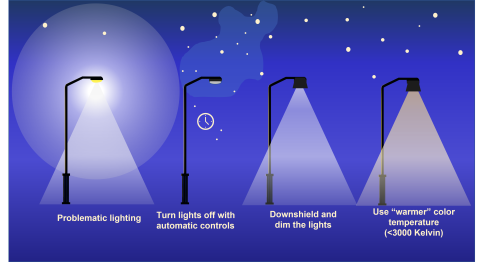
Minimizing light pollution is essential for bird conservation. Artificial lights can confuse migratory birds, disrupting their navigation. Cities can adopt measures to reduce light pollution. Using shielded lighting fixtures and dimming unnecessary lights can help. Encouraging businesses to turn off lights at night can protect birds. Implementing these strategies can mitigate the negative effects of artificial light.
Habitat Management
Effective habitat management is crucial for bird migration. Protecting natural habitats ensures safe passage for migratory birds. Conservationists can focus on preserving key stopover sites. These sites provide essential resources for birds during their journeys. Restoring degraded habitats can enhance bird migration routes. Ensuring habitats are free from excessive artificial light is important. This supports the natural behaviors of migratory birds.
Credit: www.fws.gov
Frequently Asked Questions
How Does Light Influence Bird Migration Patterns?
Light plays a crucial role in bird migration. Birds use the length of daylight to navigate and time their journeys. Longer days signal migration periods, while shorter days indicate wintering. Artificial light can disrupt these patterns, leading to disorientation and increased mortality.
Can Artificial Lights Confuse Migrating Birds?
Yes, artificial lights can confuse migrating birds. Bright city lights can cause birds to collide with buildings or circle endlessly. This disorientation can exhaust them, leading to increased fatalities. Reducing light pollution can help minimize these negative impacts on bird migration.
Why Do Birds Migrate During Daylight?
Birds often migrate during daylight for better navigation and visibility. Daylight helps them recognize landmarks and avoid predators. Additionally, daylight provides favorable weather conditions that support energy conservation during long flights. This ensures safer and more efficient migration.
Do Seasonal Light Changes Affect Migration?
Yes, seasonal light changes significantly affect bird migration. Birds rely on the length of daylight to determine migration timing. Longer daylight in spring and summer triggers northward migration, while shorter daylight in autumn prompts southward journeys. This natural cue ensures birds migrate at optimal times.
Conclusion
Light plays a big role in bird migration. Birds use light for navigation. They rely on the sun, moon, and stars. Artificial lights can confuse them. It leads to dangerous paths and collisions. Understanding light's impact helps protect birds. Simple changes can make a difference.
Turn off unnecessary lights during migration seasons. Support bird-friendly initiatives. Every action counts. Help birds find safe routes. Be mindful of our environment. Together, we can ensure safe travels for our feathered friends. Let's keep the skies safe and clear for them.