


Have you ever wondered why you see fewer birds during migration seasons? Your curiosity might lead you to the hidden culprit known as habitat fragmentation.
This ecological issue is quietly altering the landscapes that migrating birds rely on, and its impacts are more significant than you might think. As you delve into this article, you'll uncover how these changes in the environment threaten bird populations, potentially altering their migratory patterns and survival rates.
By the end, you'll not only understand the gravity of habitat fragmentation but also feel inspired to explore how you can make a difference for these winged travelers. Keep reading to discover the intricate link between fragmented habitats and the challenges faced by migrating birds.
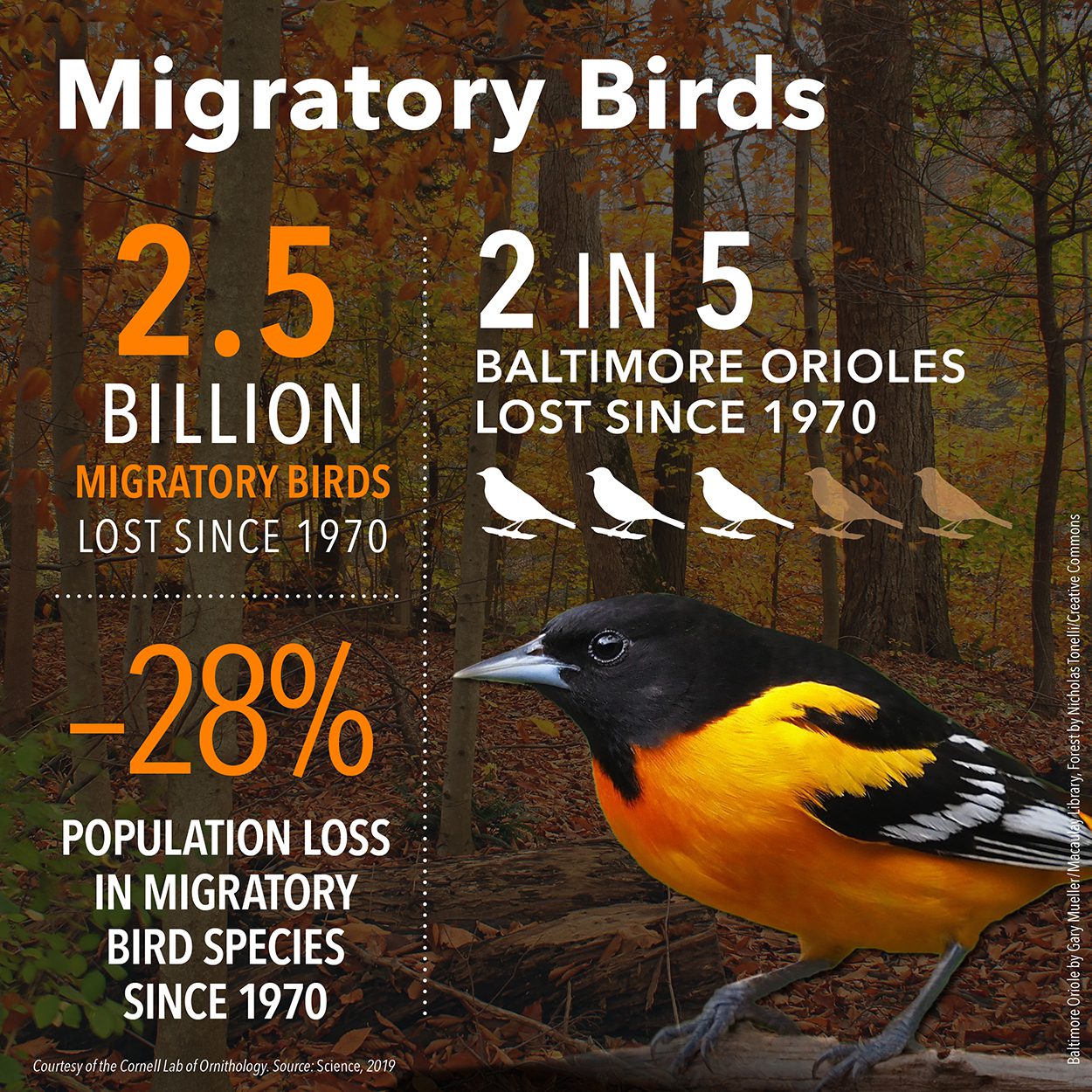
Credit: www.birds.cornell.edu
Impact On Migration Routes
Habitat fragmentation has become a pressing issue for migrating bird populations, significantly impacting their migration routes. Imagine a highway that suddenly transforms into a maze; similarly, birds encounter disrupted pathways due to fragmented habitats. As you read further, you'll discover how altered flight paths and increased energy expenditure are reshaping the migration experience for these avian travelers.
Altered Flight Paths
Birds rely on established routes for their seasonal journeys. Fragmentation disrupts these paths, causing birds to navigate unfamiliar territories. As they encounter new obstacles, some species may have to detour significantly, which can lead to confusion or even getting lost.
Picture yourself taking a road trip with sudden detours. Similarly, birds face unexpected changes in their paths, increasing their vulnerability. This could lead to a decrease in their populations over time, as migration becomes riskier.
Have you ever thought about how this might affect the birds you enjoy watching during migration seasons? Alterations in flight paths can reduce the chances of seeing them in traditional areas, impacting both the birds and birdwatching enthusiasts.
Increased Energy Expenditure
Fragmented habitats mean longer journeys, requiring more energy. Birds expend additional resources as they navigate through these disrupted routes, which can impact their survival and breeding success.
Think about your last long hike. Now imagine that hike with extra obstacles along the way. Similarly, birds must overcome increased energy demands, affecting their ability to thrive upon reaching their destinations.
Consider how this extra effort might affect their health. It's not just about reaching the destination; it's about arriving in good condition to breed and sustain their populations.
Are conservation efforts enough to counteract these impacts? While some initiatives aim to restore habitats, the challenge remains significant. You can contribute by supporting local conservation projects and advocating for habitat preservation.
In navigating these fragmented landscapes, birds remind us of the delicate balance in nature. How can we ensure they continue their journeys successfully? Understanding and addressing these impacts is crucial for the future of migrating bird populations.

Credit: www.scienceofbirds.com
Loss Of Stopover Sites
Habitat fragmentation disrupts migrating bird populations by reducing essential stopover sites. Birds face challenges in finding food and shelter. These disruptions can lead to decreased survival rates during migration.
Loss of Stopover SitesThe journey of migrating birds is a remarkable spectacle of nature. However, habitat fragmentation poses a serious threat by causing a loss of stopover sites. These sites are essential rest stops where birds refuel and rest during their long migrations. Imagine embarking on a cross-country road trip and finding all the gas stations closed. That's the stark reality many birds face today.
Decreased Availability Of Resources
When stopover sites disappear, birds struggle to find the resources they desperately need. These sites provide food, water, and shelter crucial for survival. Without them, birds must fly longer distances between fewer resources, leading to exhaustion and increased mortality rates. Have you ever felt the anxiety of running low on fuel with no station in sight? Birds face this every migration season, threatening their survival.
Increased Competition For Food
With fewer stopover sites available, the remaining ones become overcrowded. This results in heightened competition for limited food resources. Birds, once able to feast freely, now fight for every morsel. This increased competition can lead to weaker individuals missing out on vital nourishment. Imagine being in a crowded buffet, only to find empty trays. This is the challenging reality for many migrating birds today.
Protecting and restoring these vital stopover sites is crucial for the survival of migrating bird populations. Simple actions can make a difference. Consider supporting conservation efforts that focus on preserving these critical habitats. By doing so, you help ensure these incredible creatures continue their majestic journeys across the globe. What steps will you take to protect our feathered travelers?
Changes In Breeding Grounds
As you wander through the woods or watch birds flutter around your garden, have you ever wondered about their journey to reach these places? Migrating birds rely heavily on their breeding grounds, which are increasingly affected by habitat fragmentation. This disruption can lead to significant changes in their breeding success and nesting opportunities, posing a real threat to their populations.
Reduced Breeding Success
When breeding grounds are fragmented, birds often face challenges that affect their ability to reproduce successfully. Smaller, isolated patches of habitat can lead to increased competition for resources. This competition can stress birds, making it harder for them to find food and shelter.
Imagine trying to start a family in a crowded neighborhood with limited resources. The stress could affect your ability to care for your young. Similarly, birds in fragmented habitats may experience lower reproductive rates. Nest predation can rise, and food scarcity might lead to weaker offspring.
What does this mean for you? The birds you love watching might become less common in your area. As breeding success declines, so does the population of these beautiful creatures. It's a ripple effect that starts with a single disruption in their habitat.
Limited Nesting Opportunities
Fragmentation also impacts the availability of suitable nesting sites. Birds often seek specific environments that meet their nesting needs. But when these environments are split into smaller patches, birds might struggle to find ideal spots.
Consider if you were searching for a home but faced barriers at every turn. Limited choices mean settling for less-than-ideal conditions. Birds often face similar challenges, leading to nests in suboptimal locations. This can expose them to predators or harsh weather conditions.
Is there a way to help? Absolutely. You can support local conservation efforts that aim to reconnect fragmented habitats. By doing so, you contribute to creating more seamless environments for these birds to thrive and multiply.
As you reflect on your own surroundings, think about the ways you can make a difference. Small actions in your community can lead to big changes for migrating bird populations. How will you be a part of the solution?
Effects On Bird Populations
Habitat fragmentation disrupts migrating bird populations by breaking their routes and reducing available resources. This leads to increased mortality and fewer breeding opportunities. As a result, bird species struggle to maintain healthy numbers, impacting biodiversity.
Effects on Bird Populations Habitat fragmentation creates challenges for migrating bird populations. As landscapes transform into isolated patches, birds struggle to find necessary resources. This change impacts their survival and reproduction rates. Birds depend on large, continuous habitats for food, shelter, and breeding. Fragmentation forces them into smaller, less suitable areas. How does this affect their populations?
Declines In Species Diversity
The diversity of bird species declines sharply with habitat fragmentation. Smaller patches cannot support as many bird species compared to larger, unbroken areas. You may notice fewer bird calls in your local parks than you did a decade ago. This decline isn't just about numbers; it's about losing unique species. Some birds are specialists, needing specific conditions to thrive. When these conditions vanish, so do the birds. Fragmentation also leads to increased competition. Birds that once coexisted peacefully now fight for limited resources, pushing some species out entirely.
Threats To Endangered Species
Endangered species face even greater risks with habitat fragmentation. Their already limited populations cannot withstand further habitat loss. Imagine trying to find a needle in a haystack; that's the challenge these birds face. Fragmented habitats isolate bird populations, reducing genetic diversity. This isolation makes them more vulnerable to diseases and environmental changes. It's a ticking time bomb for their survival. Consider the plight of the Kirtland's warbler. Once nearly extinct, its survival depends on large, continuous tracts of pine forests. Fragmentation could undo years of conservation efforts, putting this species back on the brink. What can you do to help mitigate these effects? Creating bird-friendly spaces in your community can provide safe havens. Every small effort counts in the fight against habitat fragmentation.
Ecological Imbalance
Habitat fragmentation disrupts migrating bird populations by breaking continuous habitats into isolated patches. Birds face challenges in finding food and safe resting areas. This can lead to decreased survival rates and hinder successful migration.
Ecological imbalance occurs when natural environments are disturbed, leading to a ripple effect across ecosystems. Habitat fragmentation plays a significant role in this imbalance, particularly affecting migrating bird populations. When their habitats are broken into smaller, isolated patches, these birds face numerous challenges that disrupt the delicate balance of nature.
Disruption Of Food Chains
Fragmentation interrupts the food chains that migrating birds rely on. Birds often depend on specific insects and plants for nourishment during their long journeys. When their habitats are fragmented, these food sources may no longer be available. During a birdwatching trip, I noticed fewer birds in areas where construction had recently occurred. This disruption in their feeding grounds raises a crucial question: How can we ensure migrating birds have access to essential resources?
Impact On Ecosystem Services
Migrating birds provide crucial ecosystem services such as pollination and pest control. These services can be severely hindered by habitat fragmentation. For example, fewer birds in an area can lead to increased pest populations, affecting local agriculture. By maintaining continuous habitats, you can help preserve these valuable services. Consider supporting conservation efforts or using native plants in your garden to create mini-habitats. What steps can you take to help maintain ecological balance in your area? Reflecting on your actions can lead to meaningful changes in your community. Your efforts, no matter how small, contribute to a larger solution.

Credit: www.science.org
Adaptation And Resilience
Habitat fragmentation poses a significant challenge to migrating bird populations. Yet, birds have a remarkable ability to adapt and show resilience in the face of such challenges. As you explore their world, you'll find fascinating ways these creatures adjust their behaviors and rely on conservation efforts to survive.
Behavioral Changes In Birds
Birds often exhibit behavioral changes when their habitats are fragmented. Have you ever watched a flock altering its flight patterns? This is a common adaptation to navigate fragmented landscapes. They may also adjust their migration routes, choosing paths with more stopover sites. These adaptations often involve increased energy expenditure, which can impact their survival rates.
Some birds develop new feeding strategies or modify their nesting habits. Imagine discovering a bird building its nest in an unexpected location because its usual spot is gone. These changes, while necessary, may affect their reproductive success and overall health. How would you adapt if your home kept changing?
Role Of Conservation Efforts
Conservation efforts play a crucial role in supporting migrating birds facing habitat fragmentation. Creating protected areas and wildlife corridors can help birds maintain their migration routes. Think of these corridors as highways for birds, allowing safe passage through fragmented landscapes.
Initiatives to restore habitats offer birds a chance to return to familiar territories. You might have participated in tree planting events or wetland restoration projects. These efforts directly contribute to birds’ survival, providing them with essential resources like food and shelter.
Conservationists also work on educating communities about the importance of preserving bird habitats. Awareness campaigns can inspire you and others to take action. What steps are you willing to take to ensure these resilient creatures continue their journeys?
Frequently Asked Questions
What Is Habitat Fragmentation?
Habitat fragmentation occurs when larger habitats are divided into smaller, isolated patches. This is often due to human activities like urbanization and agriculture. Fragmentation disrupts ecosystems, affects biodiversity, and poses challenges to migrating bird populations. Birds rely on continuous habitats for food, shelter, and breeding during migration.
How Does Fragmentation Impact Bird Migration?
Fragmentation can disrupt migration routes, reducing available resources for birds. It limits access to food and nesting sites, affecting survival rates. Birds may struggle to find suitable habitats, leading to increased energy expenditure and stress. This can ultimately impact their reproductive success and population numbers.
Can Fragmented Habitats Affect Bird Populations?
Yes, fragmented habitats can significantly affect bird populations. Isolation reduces genetic diversity and adaptability, leading to population declines. Birds may face increased predation and competition in smaller habitats. This affects their ability to thrive and reproduce, potentially causing declines in local and global populations.
Why Is Continuous Habitat Important For Birds?
Continuous habitats provide essential resources for migrating birds. They ensure access to food, shelter, and breeding sites without interruptions. Birds can safely travel and reproduce, maintaining healthy populations. Continuous habitats support biodiversity and ecological balance, crucial for long-term survival of bird species.
Conclusion
Habitat fragmentation greatly impacts migrating bird populations. Birds struggle to find food and shelter. It disrupts their migration paths. These changes threaten their survival. Protecting natural habitats is crucial. We must ensure safe passage for these birds. Awareness and conservation efforts can help.
Support local and global initiatives. Plant trees, reduce pollution, and preserve wetlands. Every action counts. Together, we can make a difference. Birds depend on our help for a safer journey. Let’s work to protect their natural homes. It’s vital for their future and ours.