


Are you curious about what you can feed your backyard chickens to keep them healthy and happy? You might have wondered if wild bird feed is a safe option.
After all, it seems convenient and readily available. Before you toss a scoop into their coop, it's important to know if this common birdseed is suitable for your feathered friends. Your chickens' diet plays a crucial role in their well-being, egg production, and overall happiness.
This article will explore whether wild bird feed meets their dietary needs or if there are hidden risks you should be aware of. Keep reading to discover the answers that could transform how you care for your chickens, ensuring they thrive and bring joy to your backyard.

Credit: www.reddit.com
Nutritional Needs Of Chickens
Chickens need a balanced diet to stay healthy and lay eggs. Their diet must include essential nutrients. These nutrients support their growth and egg production. Understanding their nutritional needs helps in providing a proper diet.
Essential Vitamins And Minerals
Chickens need vitamins like A, D, and E. These vitamins support their immune system and growth. Minerals like iron and zinc are crucial too. They help in blood formation and enzyme function. A deficiency can lead to health issues.
Protein Requirements
Protein is vital for chickens. It helps in growth and egg production. Young chickens need more protein than adults. Ensure their feed has enough protein. This keeps them healthy and productive.
Calcium And Phosphorus Balance
Calcium is important for strong eggshells. Phosphorus works with calcium for bone health. An imbalance can cause weak eggshells. Chickens need a diet that balances both minerals. This ensures they lay strong, healthy eggs.
Credit: www.hobbyfarms.com
Components Of Wild Bird Feed
Wild bird feed is a mix of seeds and grains. Each component serves a purpose. Understanding these components helps chicken owners make informed decisions. It’s important to know what chickens consume. This section explores the key ingredients and their benefits.
Common Ingredients
Wild bird feed often contains sunflower seeds. These seeds are high in fat. Fat provides energy for birds. Millet is another popular ingredient. It is small and easy to eat. Millet is rich in protein. Corn is also common. It is a carbohydrate source. Carbohydrates give birds energy.
Nutritional Value
Wild bird feed has varied nutritional benefits. Protein helps in growth and repair. Fat offers energy and supports warmth. Fiber aids in digestion. Each seed type contributes different nutrients. Balancing these nutrients is essential for health.
Potential Additives
Some wild bird feeds have additives. Additives enhance taste or prolong shelf life. Artificial colors may attract birds. Preservatives keep feed fresh longer. Check labels for these additives. Not all additives are suitable for chickens.
Comparing Chicken Feed And Wild Bird Feed
Chickens can eat wild bird feed, though it's not ideal for their health. Wild bird feed lacks necessary nutrients for chickens. Offering a mix ensures balanced nutrition for your flock.
When it comes to feeding our feathered friends, the type of feed we choose can significantly impact their health and productivity. While chickens and wild birds may both peck at grains and seeds, their nutritional needs are quite different. Understanding the comparison between chicken feed and wild bird feed is crucial for ensuring your flock thrives.
Key Differences
Chicken feed is specifically formulated to meet the nutritional requirements of poultry, focusing on protein, calcium, and other essential nutrients. It often includes grains, vitamins, minerals, and sometimes animal proteins like fish meal. This balanced diet supports egg production, bone health, and overall vitality in chickens. In contrast, wild bird feed is designed to attract a variety of wild birds, offering a mix of seeds like sunflower, millet, and cracked corn. These blends do not provide the complete nutrition that chickens require. While wild birds can thrive on these seeds, chickens may miss out on vital nutrients if fed solely on wild bird feed.
Overlapping Ingredients
Both chicken and wild bird feed share common ingredients such as grains and seeds. You might find cracked corn, which provides energy, and sunflower seeds that offer some protein and fat. This overlap can make it tempting to substitute one for the other. However, it’s important to remember that chickens need more than just these basics. I once tried supplementing my chickens' diet with wild bird feed when I ran out of their regular feed. They enjoyed the treat, but after a few days, I noticed a drop in egg production. This experience taught me the importance of sticking to their specific nutritional needs. Are you aware of the potential risks of feeding chickens wild bird feed as a staple diet? While occasional pecking at wild bird feed won’t harm them, relying on it could lead to deficiencies. Always prioritize a balanced diet tailored for your chickens to keep them healthy and productive. By understanding these differences and similarities, you can make informed decisions about what to feed your flock. Your chickens deserve the best care, and choosing the right feed is a crucial step in ensuring their well-being.
Benefits Of Feeding Chickens Wild Bird Feed
Feeding chickens wild bird feed can offer unique benefits. This practice helps boost nutrition and reduce costs. Chickens enjoy variety in their diet. Wild bird feed provides essential nutrients. This enhances their overall health.
Supplemental Nutrition
Wild bird feed contains diverse seeds and grains. These are packed with vitamins and minerals. Chickens gain extra nutrition from these ingredients. Sunflower seeds, millet, and cracked corn are common components. They provide protein and energy. The variety enriches the chickens' diet. It supports their growth and egg production.
Cost-effective Option
Wild bird feed is often more affordable. It costs less than specialized chicken feed. Buying in bulk can save money. This makes it a smart choice for budget-conscious farmers. The feed is readily available in stores. It can reduce expenses without sacrificing quality. Chickens benefit from a nutritious diet at a lower price.
Risks And Concerns
Feeding chickens wild bird feed can pose health risks. Ingredients might not suit chickens, leading to digestive problems. Wild bird feed may contain additives harmful to poultry. Monitoring what chickens eat ensures their safety and well-being.
Feeding your chickens wild bird feed might seem like a convenient option, especially if you have a variety of birds visiting your backyard. However, this choice comes with several risks and concerns that you need to be aware of. While chickens are known for their hearty appetites and ability to consume a wide range of foods, wild bird feed is not specifically formulated for them. This can lead to unexpected health implications, potential allergens, and even affect their egg production.
Health Implications
Chickens are robust creatures, but their digestive systems require specific nutrients to stay healthy. Wild bird feed often lacks the necessary vitamins and minerals needed for optimal chicken health. Feeding them this can lead to nutritional deficiencies. A friend once shared how her chickens became lethargic after consuming wild bird feed regularly. They were missing essential nutrients that their usual feed provided. Have you noticed any changes in your flock after a dietary shift?
Potential Allergens
Just like humans, chickens can also have allergies. Wild bird feed can contain seeds or grains that may not agree with them. Some mixtures might have peanuts or sunflower seeds, which can be potential allergens. A neighbor recounted how one of her chickens developed skin irritations after eating wild bird feed. This might seem surprising, but allergies in animals are quite common. Are you willing to risk your flock’s comfort for a quick meal fix?
Impact On Egg Production
Chickens are prized for their egg-laying abilities, but diet plays a crucial role in this. A proper diet ensures consistent and healthy egg production. Wild bird feed is not designed to support this. A fellow chicken owner noticed a decline in egg production after switching feeds. The quality and quantity of eggs dropped, impacting her small egg business. Could this be a risk you’re willing to take with your own chickens? When considering the best feed for your chickens, think about their long-term health and productivity. It’s tempting to share feed among your backyard birds, but the consequences might outweigh the convenience.
Safe Practices For Feeding
When considering feeding wild bird feed to your chickens, safety is key. Chickens have specific dietary needs, and ensuring they eat the right foods is crucial for their health and productivity. Although wild bird feed can be a treat, it's essential to follow safe feeding practices to avoid any negative impacts on your flock.
Moderation And Balance
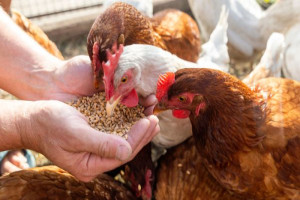
Chickens can enjoy wild bird feed, but moderation is vital. Overfeeding can lead to nutritional imbalance, as these feeds may not contain all the nutrients chickens need. Think of it as a treat rather than a staple. You wouldn't eat cake every day, would you? Similarly, wild bird feed should be an occasional snack for your chickens.
Balance their diet by mixing the bird feed with their regular chicken feed. This ensures they receive essential nutrients like protein, vitamins, and minerals. A simple ratio could be one part bird feed to three parts chicken feed. Try experimenting to find the right balance for your flock.
Monitoring Chicken Health
Keep an eye on your chickens' health when introducing wild bird feed. Look for signs of distress or dietary issues such as lethargy or feather loss. A change in behavior can indicate that something isn't right.
Regularly check their droppings for any abnormalities. Healthy droppings are firm and well-formed. If you notice anything unusual, it might be time to reassess their diet. Consider consulting a vet if you’re unsure about the changes.
Alternative Feed Options
Wild bird feed isn't the only treat option for chickens. You can offer them fruits, vegetables, and grains, all of which can be nutritious and delicious. Think about adding chopped carrots, apples, or oats to their diet.
Have you tried offering your chickens mealworms or cooked eggs? These are excellent protein sources and can supplement their regular feed. The key is to diversify their diet, ensuring they get a variety of nutrients.
Now, here's a question for you: What creative feed options have you tried with your chickens that they absolutely loved? Share your experiences and let’s learn together!

Credit: www.reddit.com
Frequently Asked Questions
Can Chickens Safely Eat Wild Bird Feed?
Yes, chickens can eat wild bird feed, but moderation is key. Wild bird feed often lacks the balanced nutrients chickens need daily. It's best to use it as a supplement to their regular diet.
Is Wild Bird Feed Nutritious For Chickens?
Wild bird feed contains seeds and grains that offer some nutrition. However, it lacks essential nutrients like calcium and protein that chickens need. It's important to provide a well-rounded diet for healthy chickens.
Can Wild Bird Feed Replace Chicken Feed?
No, wild bird feed should not replace chicken feed. Chicken feed is specially formulated with the right balance of nutrients. Wild bird feed can be a treat, but not a staple.
Are There Any Risks With Chickens Eating Wild Bird Feed?
Yes, there are risks. Wild bird feed may attract pests and wild birds, leading to disease transmission. Also, it may cause digestive issues if consumed in large quantities.
Conclusion
Feeding wild bird feed to chickens isn't ideal. Chickens need balanced nutrition. Wild bird feed lacks essential nutrients. Chickens require proteins, vitamins, and minerals. Wild bird feed can cause health issues. Always choose chicken-specific feeds. These meet their dietary needs.
Healthy chickens lay more eggs. They also stay strong and active. Consider occasional treats like vegetables. These add variety and nutrients. Keep your chickens healthy and happy. Proper diet is crucial for their well-being.