


Have you ever watched a flock of birds flutter around your backyard and wondered if you could share a simple treat like apples with them? As a bird enthusiast, you might be eager to offer something special to your feathered friends, but is it safe?
Apples are a common fruit found in most households, and their sweet, juicy nature seems perfect for these curious creatures. But before you toss those apple slices into your yard, let's explore if they truly belong in a wild bird's diet.
This article will guide you through the dos and don'ts of feeding apples to wild birds, ensuring you keep their health and happiness in check. Stay with us to discover the surprising truths and practical tips that will make your backyard a bird haven.
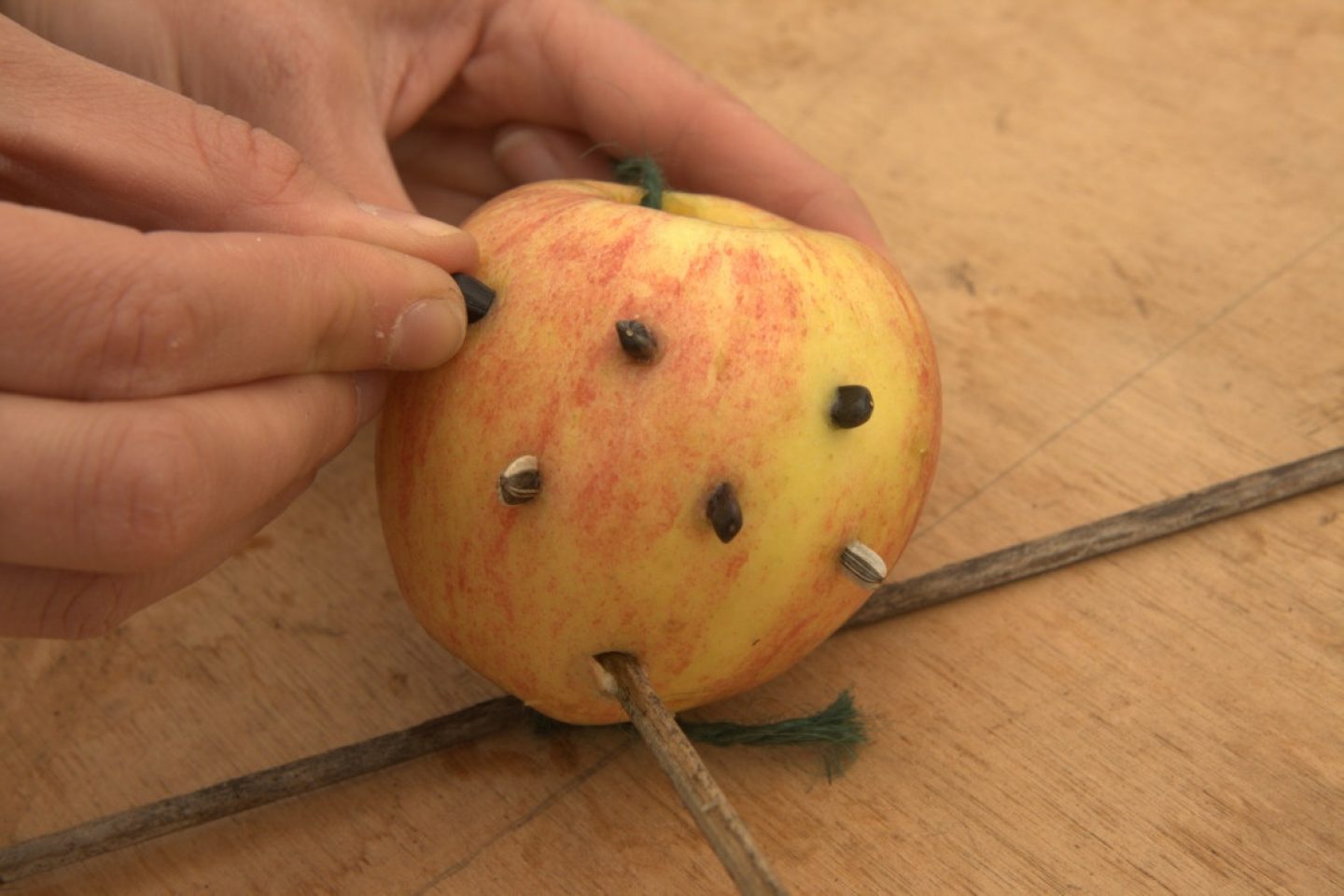
Credit: www.thrive.org.uk
Benefits Of Feeding Apples To Wild Birds
Feeding wild birds apples can be a delightful experience. Apples offer several benefits, making them a great choice for bird enthusiasts. This section explores the advantages of offering apples to our feathered friends.
Rich In Nutrients
Apples are packed with vitamins and minerals. These nutrients support bird health and vitality. Birds benefit from the natural sugars found in apples. This gives them a quick energy boost.
Hydration Support
Apples contain a high water content. This helps keep birds hydrated, especially in dry seasons. Providing apples can ensure birds get enough moisture.
Easy To Digest
Apples are soft and easy for birds to eat. Their texture makes them a suitable food choice for various bird species. Soft fruits are gentle on birds' digestive systems.
Attracts Diverse Bird Species
Offering apples can attract a variety of bird species. Many birds enjoy sweet fruits, making apples an appealing treat. Watching diverse birds visit your garden can be a joyful experience.
Encourages Natural Foraging
Feeding apples can encourage natural foraging behaviors. Birds enjoy searching for and pecking at fruit. This activity keeps them mentally stimulated and engaged.

Credit: www.reddit.com
Nutritional Value Of Apples For Birds
Wild birds can enjoy apples as a nutritious snack. Apples offer vitamins and minerals that support bird health. Just remove seeds and core before serving to ensure safety.
Feeding wild birds can be a fulfilling hobby, especially when you see them chirping and fluttering around your garden. But have you ever thought about offering them apples? While apples are a common fruit in our diets, they can also be beneficial for birds. Let’s look at how apples can be nutritious for our feathered friends.
Vitamins And Minerals
Apples are packed with vitamins and minerals that can be beneficial to birds. They contain vitamin A, which supports healthy vision and skin. Vitamin C, although not essential for all birds, can boost the immune system in some species. Minerals like potassium in apples help maintain proper nerve and muscle function. A small slice of apple can add these nutrients to a bird's diet, making it a great occasional treat. However, always ensure to remove the seeds, as they contain cyanide, which is harmful to birds.
Hydration Benefits
Apples have a high water content, making them an excellent source of hydration for birds. During hot summer days, birds can benefit from the extra moisture found in apples. It helps them stay refreshed and energetic. Have you ever noticed birds sipping from your birdbath in the heat? Offering them apple slices could serve the same purpose. This natural source of hydration can be especially beneficial during dry spells when water sources are scarce. Next time you snack on an apple, consider sharing a piece with the birds in your garden. By doing so, you're not only providing them with a tasty treat but also supporting their health and hydration. What other fruits do you think could benefit birds?
Potential Risks Of Apples For Birds
Feeding wild birds apples can pose risks due to seeds containing cyanide. Large apple pieces might cause choking. Always remove seeds and cut apples into small chunks before offering them to birds.
Feeding wild birds can be a delightful experience. You might have wondered about giving them apples. While apples can be a tasty treat, it's crucial to consider their potential risks for birds. Understanding these risks can help you make informed choices and ensure the safety of your feathered visitors.
Pesticides And Chemicals
Apples from grocery stores often contain pesticides. These chemicals can harm birds if ingested. When feeding wild birds, it's best to choose organic apples or wash them thoroughly to minimize any residue. Think about this: Would you want to eat something covered in chemicals? Birds deserve the same caution.
Digestive Concerns
Birds have delicate digestive systems. Apples are high in sugar, which might be hard for some birds to process. Consider offering small, manageable pieces rather than whole apples. This can prevent any potential digestive issues. Have you noticed your own reaction to eating too much sugar? Birds might experience similar discomfort. By being mindful of these risks, you can enjoy feeding wild birds while ensuring their health and safety.
Types Of Apples Suitable For Birds
Apples can be a tasty treat for wild birds. Soft, ripe varieties like Red Delicious, Gala, and Fuji are ideal. Cut them into small pieces to ensure easy eating.
Feeding wild birds can be a delightful and fulfilling pastime. You might wonder if apples are a good choice for your feathered friends. The answer is yes, but not all apples are equally suitable for birds. Understanding the types of apples you can offer will ensure the birds get a healthy and safe treat.
Organic Vs Non-organic
When considering apples for wild birds, the choice between organic and non-organic is important. Organic apples are free from harmful pesticides and chemicals that can be detrimental to birds' health. Non-organic apples might contain residues that are not visible to the naked eye but can affect birds in the long run. You wouldn't want to compromise your backyard visitors’ health, so choosing organic apples is safer. Have you ever tried washing an apple thoroughly and still wondered about its chemical content? Opting for organic apples eliminates this worry, making it a worry-free treat for the birds.
Fresh Vs Processed
Offering fresh apples to wild birds is always a superior option. Fresh apples provide essential nutrients and hydration, which are vital for birds, especially during hotter months. Processed apples, like those in pies or jams, often contain added sugars and preservatives. These additives are not suitable for birds and can lead to health issues. Think about your own preference for fresh fruit. Birds appreciate the natural taste and benefits just as much as you do. So, the next time you snack on a fresh apple, consider sharing a slice with your backyard guests. Choosing the right type of apple can make a significant difference in how you support local wildlife. Wouldn't it be rewarding to know that your choice contributes to the health and happiness of the birds you enjoy watching?
How To Prepare Apples For Birds
Apples make a tasty treat for wild birds. Cut the apple into slices or small chunks. Remove seeds to ensure bird safety. Set the pieces on a feeder or platform. Enjoy watching birds nibble on this sweet snack!
Feeding wild birds apples is a delightful activity. Birds enjoy the sweet, juicy taste. It's also a healthy snack for them. Preparing apples properly ensures birds can enjoy them safely. Here’s a guide on how to prepare apples for our feathered friends.
Cutting And Slicing
Start with washing the apple thoroughly. This removes pesticides and dirt. Use a sharp knife for clean slices. Cut the apple into small, manageable pieces. Thin slices are easier for birds to peck at. Avoid large chunks. Birds prefer bite-sized portions. Make sure the slices are not too thin. They should be easy to grip with bird beaks.
Removing Seeds
Apple seeds contain cyanide, which is harmful to birds. Carefully remove all seeds before serving. Use a small knife or spoon to scoop them out. Check each slice for any missed seeds. Ensuring seed-free slices keeps birds safe. Always prioritize their health and safety.
Best Practices For Feeding Apples
Feeding wild birds apples can be a delightful treat for them. Cut the apples into small, manageable pieces to prevent choking. Remove seeds to ensure safety, as they can be harmful. Placing the apple slices on a feeder will attract various bird species, offering them a nutritious snack.
Feeding wild birds apples can be a delightful activity. It offers nutritional benefits and attracts various bird species. Yet, there are best practices to ensure the birds’ health. Proper guidelines help you create a safe and enjoyable experience.
Moderation And Variety
Offering apples to birds should be done in moderation. Too much can lead to health issues. Birds need a balanced diet for optimal health. Apples should be a treat, not a staple. Combine apples with other food sources. Seeds, nuts, and berries offer essential nutrients. This variety keeps birds healthy and interested.
Observing Bird Behavior
Watch how birds react to apples. Some may love them, others might ignore them. Observing helps you understand their preferences. Notice if certain species are attracted. This can guide your feeding habits. If birds seem unwell, stop feeding apples. It's crucial to ensure their safety and health. Observing lets you adjust your offerings accordingly.
Alternatives To Apples For Bird Feeding
Wild birds enjoy apples, but alternatives like berries, grapes, and melon are also great choices. These fruits provide essential nutrients and variety. Offering different options can attract a wider range of bird species to your garden.
Feeding wild birds can be a delightful experience, but it's essential to know what foods are safe and beneficial for them. While apples can be a nice treat, exploring alternatives can enhance your bird-feeding strategy. You might wonder what other options you can offer to ensure a healthy diet for your feathered visitors. Let's dive into some alternatives that birds will love and thrive on.
Other Fruits
Birds enjoy a variety of fruits, not just apples. Bananas are a great choice; they are soft and easy for birds to eat. Simply slice them up and offer them on a feeder. Berries such as strawberries, blueberries, and raspberries are packed with nutrients and are irresistible to many birds. You can scatter them on a table or hang them from a tree. Grapes can be another option. Slice them in half to make it easier for birds to peck at the juicy goodness inside. Have you ever seen a bird nibble on a piece of fruit and wondered if they enjoy the taste as much as we do? Offering a variety of fruits could open up a world of flavors for them.
Bird-safe Snacks
Apart from fruits, there are plenty of bird-safe snacks you can add to your feeding routine. Unsalted nuts like almonds and walnuts can be a high-energy snack for birds, especially during colder months. Seeds are always a hit. Sunflower seeds are particularly popular among many bird species. They provide essential fats that birds need. You can also offer oatmeal. Cooked or raw, oatmeal is a nutritious option that birds can munch on easily. Are you curious to see how your local birds react to these snacks? Testing a few options might lead to delightful discoveries about their preferences.
Remember, diversity in their diet can support their health and keep them coming back to your yard. Have you tried offering different snacks to see which ones attract the most birds?

Credit: www.reddit.com
Frequently Asked Questions
Can Birds Eat Apples Safely?
Yes, birds can eat apples safely. Remove seeds and core before offering. Apples provide vitamins and fiber, beneficial for birds. Always wash apples to remove pesticides. Offer in moderation alongside other foods.
Are Apple Seeds Harmful To Birds?
Yes, apple seeds contain cyanide, harmful to birds if ingested. Always remove seeds before feeding apples to birds. The fruit itself is safe and nutritious. Removing seeds ensures a healthy treat for wild birds.
How Should I Prepare Apples For Birds?
Wash apples thoroughly to remove pesticides. Cut into small pieces and remove seeds and core. Offer apples in a bird feeder or on the ground. Ensure pieces are manageable for birds to eat.
What Are The Benefits Of Feeding Birds Apples?
Apples provide birds with essential vitamins, fiber, and hydration. They are a natural, healthy treat when offered in moderation. Birds enjoy the sweet taste and texture, adding variety to their diet.
Conclusion
Feeding wild birds apples is simple and beneficial. Apples are healthy snacks for birds. They provide vitamins and hydration. Remove seeds before serving. Seeds can be harmful. Offer apples in small, bite-sized pieces. Watch the birds enjoy this treat. Keep an eye on their eating habits.
Monitor to ensure they are eating safely. Apples can attract various bird species. This adds joy to birdwatching. Remember to maintain a clean feeding area. This prevents health issues. Sharing apples with birds creates a lovely connection with nature. Enjoy the beauty of these moments.