


Have you ever watched a bird nibble away at seeds and wondered if they'd fancy a taste of chicken feed? You're not alone.
Many people are curious about whether the feathery creatures visiting their backyard might be interested in the same food served to their chickens. Understanding what birds eat is not just intriguing; it can also help you manage your garden better and ensure your feathered friends are getting the nutrition they need.
We'll dive into the fascinating world of bird diets and explore whether your chicken feed might be an unexpected treat for the birds around you. Stick around to discover insights that might change the way you see your local wildlife and even your own backyard sanctuary.
Birds And Their Dietary Habits
Birds possess a fascinating array of dietary habits shaped by their environment, species, and available food sources. Understanding these habits can help you appreciate why some birds might be tempted to nibble on chicken feed. While some birds are strictly seed eaters, others enjoy a more varied diet, which might include your backyard chicken feed.
Natural Food Sources
Birds in the wild have evolved to eat what nature provides. This includes seeds, insects, fruits, and even small animals. Observing birds in your garden, you might see them pecking at seeds or catching insects mid-flight. These natural food sources are essential for their survival and play a significant role in their diet.
Think about the sparrows you see hopping around, pecking at tiny seeds. Or the robins pulling worms from the ground after a rain shower. Each bird species has a preferred natural food source, but they can adapt when those are scarce.
Adaptations For Feeding
Birds have developed unique adaptations to help them feed efficiently. Their beaks and talons are specifically designed to access their preferred food sources. Consider the long, slender beak of a hummingbird, perfect for sipping nectar from flowers. In contrast, a hawk's sharp talons are ideal for hunting small mammals.
But what happens when natural food sources are not enough? Birds can adapt quickly, and that's where your chicken feed might come into play. Their ability to switch up their diet is a testament to their survival skills. Have you noticed how adaptable birds can be during seasonal changes? This flexibility allows them to thrive in various environments, sometimes leading them to your backyard feeder.
Have you ever wondered why birds choose to sample chicken feed? It may not be their natural choice, but it offers easy access to nutrients. Understanding these habits can help you better manage your backyard environment, ensuring harmony between your chickens and the visiting wild birds.
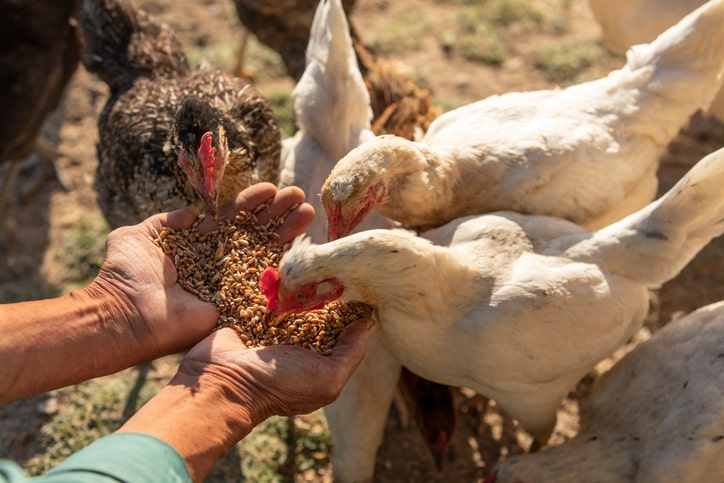
Credit: organicfeeds.com
Chicken Feed Ingredients
Chicken feed is a carefully crafted mix. It ensures the health and growth of poultry. Many people wonder about the ingredients in chicken feed. Understanding these ingredients can shed light on whether birds outside the coop might eat this feed.
Nutritional Composition
Chicken feed is rich in essential nutrients. Protein is a key component. It helps in muscle development and egg production. Carbohydrates provide energy for daily activities. Fats are included for energy and maintaining body temperature. Vitamins and minerals are added to support overall health. Calcium is crucial for strong eggshells. Each ingredient plays a vital role in chicken health.
Common Additives
Chicken feed often contains additives. These enhance nutrition and prevent disease. Probiotics support gut health. They aid in digestion and nutrient absorption. Antioxidants protect against cell damage. They ensure long-term health. Some feeds include medications to prevent common poultry illnesses. The goal is to keep chickens healthy and productive.
Attraction Of Chicken Feed To Birds
Birds are naturally curious creatures, always on the lookout for new food sources. Chicken feed, with its varied ingredients and easy accessibility, often attracts birds, leading to a delightful and sometimes challenging interaction between bird enthusiasts and poultry farmers. Have you ever wondered why birds find chicken feed irresistible? Let’s dive into the factors that make chicken feed a tempting treat for our feathered friends.
Flavor And Palatability
Chicken feed is crafted to be tasty for poultry, but its flavors don't stop there. Many birds find the taste of grains, seeds, and pellets in chicken feed appealing. Imagine the excitement of discovering a hidden buffet in your backyard!
The diverse ingredients in chicken feed, such as corn and wheat, are familiar and enjoyable to many birds. This similarity in flavor profiles can lead to birds flocking to your chicken coops more often than you might think. Have you noticed certain birds visiting your backyard more often? It could be the enticing aroma of chicken feed drawing them in.
Availability And Accessibility
Chicken feed is often stored in open areas, making it easily accessible to birds. When feed is left out in feeders or scattered on the ground, it becomes an open invitation for birds to partake in the feast. Are your feed storage practices inadvertently inviting avian guests?
Many backyard chicken owners leave feed out during the day for their hens, which naturally attracts wild birds. This accessibility can lead to an increase in bird visits and sometimes competition for the feed. Ensuring your feed is stored securely can help manage this interaction.
Consider how you manage your chicken feed. Are you inadvertently creating a bird buffet? By understanding the attraction of chicken feed to birds, you can better manage your feathered visitors and ensure your chickens get their fair share.

Credit: milefour.com
Potential Benefits For Wild Birds
Wild birds are often seen foraging for food in our backyards, sometimes even nibbling on chicken feed. You might wonder, is this beneficial for them? The answer is yes! Chicken feed can provide wild birds with much-needed nutrients and energy, especially during colder months when food is scarce.
Nutritional Advantages
Chicken feed is packed with essential nutrients that wild birds can benefit from. It contains grains, seeds, and sometimes added vitamins, catering to the dietary needs of chickens. These components can also support the health of wild birds. If you've ever noticed birds pecking at chicken feed, they're likely seeking these nutrients to boost their health.
Consider the proteins and fats present in chicken feed. They can be a boon for wild birds, aiding in their growth and feather maintenance. This is crucial, particularly for young birds or those preparing for migration. Next time you see wild birds near your chicken coop, know they're likely getting a nutritional boost.
Energy Source
Beyond nutrients, chicken feed offers a reliable energy source. Wild birds expend a lot of energy flying and searching for food. During winter, this energy demand increases as they try to stay warm. Chicken feed can provide the calories they need to thrive.
Have you ever observed birds in a frenzy around chicken feed during a chilly morning? That's because they're stocking up on energy to face the day. This energy source can be especially beneficial during the breeding season when birds need extra fuel for nesting and feeding their young.
As you watch wild birds enjoy chicken feed, consider the potential benefits they're gaining. Could providing access to such feed be a way to support local wildlife? It's a thought worth pondering, especially if you love seeing vibrant bird life in your garden.
Challenges And Risks
Birds pecking at chicken feed can lead to unintended challenges. They may consume large quantities, reducing the supply for chickens. This behavior also raises risks of disease transmission and increased feed costs. Protecting the feed is essential to ensure chickens receive adequate nutrition.
When it comes to feeding birds, you might find yourself pondering, "Do birds eat chicken feed?" The short answer is yes, but it’s not always the best choice for our feathered friends. There are several challenges and risks to consider before offering chicken feed to wild or pet birds. Understanding these challenges can help you make informed decisions about what to place in your bird feeders.
Health Concerns
Chicken feed is specifically formulated for chickens, with their nutritional needs in mind. It often contains high levels of calcium and protein, which might not be suitable for other bird species. For instance, excessive calcium can lead to kidney problems in some birds. Consider the nutritional balance of the feed you provide. Are you potentially causing harm? Offering inappropriate feed can disrupt a bird's digestive system. This can lead to severe health issues, impacting their survival in the wild. Always prioritize the health of the birds you aim to help.
Behavioral Changes
Feeding wild birds chicken feed can sometimes alter their natural behaviors. Birds may become dependent on easy food sources, disrupting their natural foraging instincts. This dependency can lead to a reduction in their ability to find food on their own. Have you noticed birds lingering around your feeder more than foraging naturally? Additionally, providing chicken feed might attract more aggressive birds. These birds could dominate the feed, pushing smaller, more timid species away. This can upset the natural balance of bird populations in your area. In my backyard, I once noticed an increase in aggressive starlings after offering chicken feed. This experience taught me the importance of considering the broader impact of my feeding choices. By understanding these challenges and risks, you can make better decisions about feeding birds. Are you prepared to adjust your bird feeding habits to support a healthier ecosystem?
Impact On Ecosystem
When birds swoop down on your backyard chicken feed, it might seem harmless. But the ripple effects on the ecosystem are significant. As we share our spaces with these feathered creatures, understanding the ecological impact becomes crucial. Your chicken feed might be shaping the dynamics of your local environment.
Competition With Native Species
Birds consuming chicken feed can outcompete native species for food resources. You might notice more birds flocking to your yard, disrupting the balance of local wildlife. This can lead to a decline in native bird populations as they struggle to find food.
Imagine your backyard becoming a battleground for survival. The once peaceful coexistence can turn into a competitive frenzy. Your efforts to feed chickens could inadvertently tip the scales against native birds.
Effects On Bird Population Dynamics
Feeding birds with chicken feed can alter their population dynamics. A sudden increase in accessible food can lead to a population boom. This might sound great, but it can have unintended consequences.
Consider how an overpopulation of certain bird species might affect your area. Increased numbers can lead to overcrowding and stress among birds. The natural order could be disrupted, affecting the entire ecosystem.
Have you ever wondered if your actions could change the bird populations around you? By feeding chickens, you might be influencing which birds thrive and which struggle. Think about the broader ecological picture before you next fill that feed tray.
Practical Considerations
Do birds eat chicken feed? Many people ask this question. It’s a common concern for those raising backyard chickens. Birds can be a nuisance, stealing feed meant for chickens. Understanding how to manage this issue is crucial. Several practical considerations can help. These strategies can minimize unwanted bird activity.
Feeding Strategies
Use feeders designed for chickens. These feeders limit access for wild birds. Choose models with covers or narrow openings. Adjust feeding times to deter birds. Chickens can eat early morning or late afternoon. Birds prefer feeding during the day. Keep the feed storage secure. Use bins with tight lids. This prevents access to the feed.
Mitigation Of Negative Impacts
Wild birds can bring diseases. They can infect chicken flocks. Reduce bird access to chicken areas. Install nets or barriers. These prevent birds from entering. Regularly clean chicken areas. Remove leftover feed promptly. Ensure proper sanitation. This reduces the risk of disease. Consider scare tactics. Use noise makers or decoys. These can deter birds from the area.
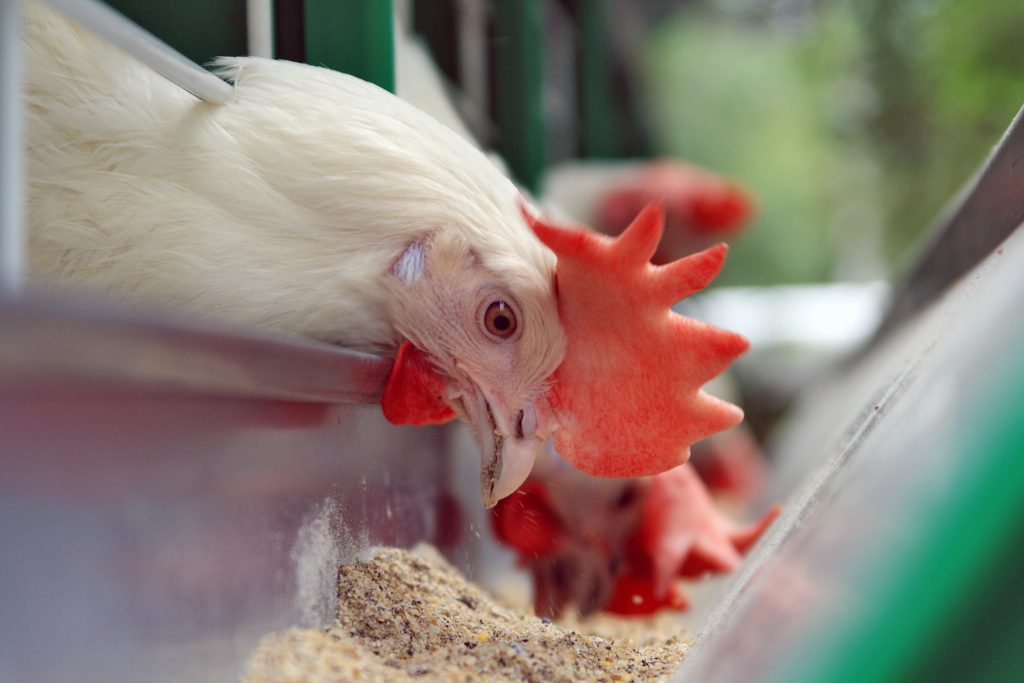
Credit: poultry.extension.org
Frequently Asked Questions
Do Wild Birds Eat Chicken Feed?
Yes, wild birds are often attracted to chicken feed. It provides a convenient and nutritious food source. Many backyard poultry owners notice various wild birds visiting their coops. This can include sparrows, doves, and even crows. It's important to manage this to prevent feed loss and potential disease.
Can Chicken Feed Harm Other Birds?
Chicken feed is generally safe for other birds. However, it may not meet all their nutritional needs. Wild birds have diverse diets that chicken feed might not fully support. It's best to offer specific bird seed mixes. This ensures all birds receive the nutrients they require for optimal health.
How To Prevent Birds From Eating Chicken Feed?
To prevent birds from eating chicken feed, use a secure feeder. Install feeders with covers to limit access. Hanging reflective objects can also deter birds. Regularly clean up spilled feed around the coop. This reduces attraction to the area. Properly managing feed storage also helps prevent wild bird access.
Why Are Birds Attracted To Chicken Feed?
Birds are attracted to chicken feed because it's rich in nutrients. It contains grains and seeds that appeal to many bird species. The feed is often readily accessible in open coops. This makes it an easy food source. Birds are opportunistic feeders, drawn to convenient food supplies.
Conclusion
Birds often enjoy chicken feed, thanks to its nutrients. This diet provides essential vitamins and minerals. Wild birds might not always find the same nutrients. Offering chicken feed can help them thrive. But moderation is key. Overfeeding can lead to dependency or health issues.
It's crucial to provide a balanced diet. Including seeds, fruits, and insects can ensure variety. Keep feeders clean to prevent disease. Observing birds' eating habits can be rewarding. It offers insights into their preferences and needs. Understanding these can enhance your bird-watching experience.
Feed responsibly, and enjoy the beauty birds bring.