


Imagine you're enjoying a peaceful walk in nature when suddenly, a wild bird lands near you. Its vibrant feathers and curious eyes draw you in, and you can't resist the urge to reach out and pet it.
But then a question pops into your mind: "Can you get sick from petting a wild bird? " This moment of hesitation is crucial. Your health and safety might depend on the answer. As you read on, you'll discover what happens when you touch these beautiful creatures.
This could change how you interact with nature forever. You'll learn about potential risks, and what you can do to stay safe. With this knowledge, you'll feel more confident and informed during your outdoor adventures. Keep reading to uncover the truth about petting wild birds and protect yourself from unexpected health hazards.
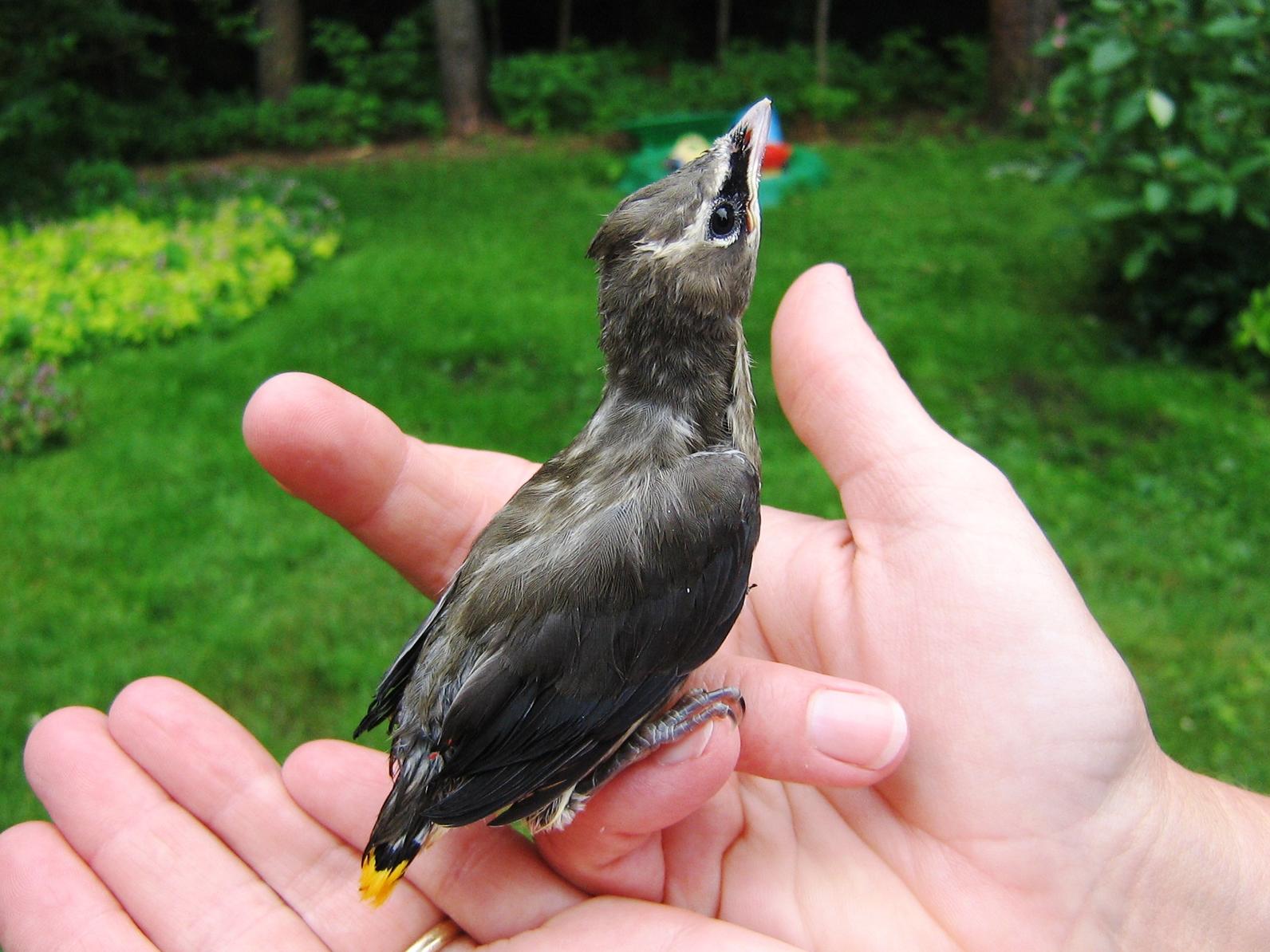
Credit: tx.audubon.org
Health Risks From Wild Birds
Touching wild birds can lead to health risks due to bacteria and viruses they might carry. Diseases like salmonella and avian influenza can spread through direct contact. Always wash your hands after interacting with wild birds to minimize the risk of illness.
Petting a wild bird might seem like a harmless activity, but it comes with its own set of health risks. While birds can be fascinating creatures, they can also carry diseases that are harmful to humans. Understanding these risks can help you make informed decisions when encountering wild birds.
1. Zoonotic Diseases
Wild birds can be carriers of zoonotic diseases, which are infections that can be transmitted from animals to humans. These diseases include avian influenza, West Nile virus, and psittacosis. If you touch a bird that is infected, you might unknowingly expose yourself to these illnesses.
2. Allergic Reactions
Some people may experience allergic reactions after handling wild birds. Bird feathers, droppings, and even their dander can trigger allergies in sensitive individuals. Symptoms can range from mild sneezing to severe respiratory issues.
3. Parasites
Wild birds often host parasites like mites, ticks, and fleas. These tiny hitchhikers can easily transfer to you during contact. Once on your skin or clothes, they might find their way into your home, causing discomfort and potential health issues.
4. Bacterial Infections
Birds can carry bacteria such as Salmonella and Campylobacter. These bacteria can cause infections if they enter your body through cuts or if you accidentally ingest them. Washing your hands thoroughly after touching a wild bird is crucial to prevent these infections.
5. Behavioral Risks
Wild birds are unpredictable. A seemingly calm bird may suddenly peck or scratch if it feels threatened. Such actions can lead to injuries, which may become infected if not properly treated. Have you ever wondered why experts advise against feeding wild birds by hand? It's not just about their safety, but yours too. Next time you find a wild bird, consider observing from a distance rather than petting. Your health might thank you for it.

Credit: www.oregonvma.org
Common Diseases Transmitted
Petting wild birds can expose humans to diseases like salmonella and avian flu. These diseases spread through direct contact or contaminated surfaces. Always wash hands after touching wild birds to minimize risks.
Petting a wild bird might seem like a harmless interaction, but it can potentially expose you to a host of diseases. These diseases are transmitted from birds to humans, known as zoonotic diseases. Understanding the risks can help you make informed decisions and stay safe while enjoying wildlife.
Avian Influenza
Avian influenza, commonly known as bird flu, is a viral infection that can spread from birds to humans. Although it's rare, when transmission occurs, it can lead to severe respiratory issues. You might wonder, how does this happen? Direct contact with infected birds or their droppings is a primary way the virus spreads. Interestingly, during my birdwatching trip last summer, a local guide mentioned that touching wild birds could be risky. His advice was to always wash hands thoroughly after any interaction, reducing the likelihood of contracting illnesses like avian influenza.
Psittacosis
Psittacosis, also known as parrot fever, is another concern. This bacterial disease is primarily associated with parrots, but it can be transmitted by other bird species as well. Symptoms in humans include fever, headache, and a dry cough, mirroring flu-like symptoms. Imagine taking care of an injured wild bird and not realizing the health risks. Ensuring proper hygiene can prevent such infections. Have you ever thought about the consequences of not washing your hands after touching a bird?
Salmonellosis
Salmonellosis is caused by Salmonella bacteria, often found in bird droppings. It can lead to gastrointestinal issues like diarrhea, fever, and abdominal cramps. Even indirect contact, such as touching surfaces contaminated by bird droppings, can put you at risk. A friend once shared how she got sick after cleaning her bird feeder without gloves. It was an eye-opener about the importance of taking simple precautions. Would you ever skip wearing gloves or washing your hands after such a task? Being aware of these potential health risks ensures you enjoy your interactions with wild birds safely. So next time you find yourself near a wild bird, ask yourself if you're prepared to take the necessary precautions to protect your health.
Modes Of Disease Transmission
Understanding how diseases can spread from petting wild birds is crucial. Birds can carry pathogens that may pose health risks to humans. Awareness of the different modes of disease transmission helps protect yourself and others.
Direct Contact
Touching or handling wild birds can transfer germs. Skin-to-feather contact is risky. Bacteria and viruses can be present on feathers. Open cuts or wounds on your hands increase risk. Always wash hands after touching birds.
Indirect Contact
Diseases can spread through surfaces touched by birds. Bird droppings or feathers left behind carry pathogens. These can contaminate surfaces like benches or tables. Avoid touching these surfaces if birds frequent them.
Aerosol Spread
Some diseases transmit through the air. Birds can release droplets when flapping wings or vocalizing. These tiny droplets may contain harmful germs. Close proximity to birds increases exposure risk. Keep a safe distance to reduce aerosol transmission.
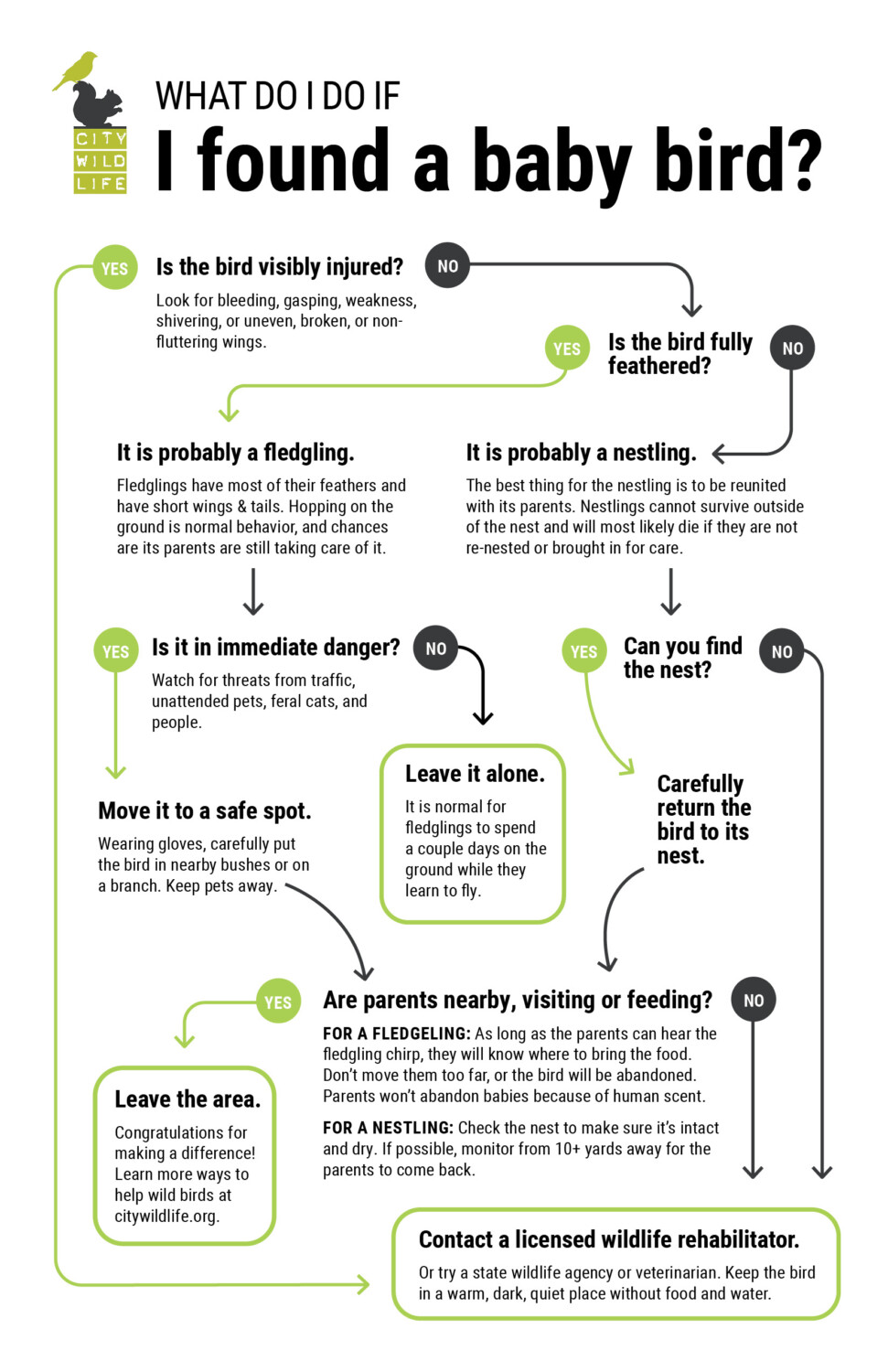
Credit: citywildlife.org
Symptoms Of Bird-related Illnesses
Petting a wild bird might seem harmless, but it can lead to unexpected health issues. While birds are fascinating creatures, they can carry bacteria or viruses that affect humans. Understanding the symptoms of bird-related illnesses is crucial for anyone who spends time outdoors or enjoys birdwatching. Are you aware of how a casual encounter with a bird could impact your health?
Respiratory Symptoms
Birds can carry bacteria like Chlamydia psittaci, which causes psittacosis, a respiratory illness. You might experience symptoms similar to a severe cold or flu. Coughing, fever, and difficulty breathing could signal a problem. Imagine feeling like you have the flu, but it's from petting a bird!
Have you ever noticed a sudden shortness of breath after visiting a park with numerous birds? It could be more than just an allergy. If you encounter respiratory issues, it's essential to seek medical advice promptly.
Gastrointestinal Issues
Interacting with wild birds can lead to gastrointestinal problems, too. Birds can transmit Salmonella, which causes stomach cramps, diarrhea, and vomiting. These symptoms might seem like food poisoning, but the source is your feathered friend.
Think back to a time when you felt unwell after a day in nature. Did you touch a bird or its droppings? Being mindful of these interactions can prevent uncomfortable days spent in bed.
Skin Reactions
Direct contact with birds can sometimes cause skin reactions. You might notice redness, itching, or even rashes after petting a bird. These reactions can be mild or severe, depending on your sensitivity.
Have you ever brushed against a bird and later noticed itchy bumps on your skin? It could be an allergic reaction or irritation from bacteria on the bird's feathers. Always wash your hands after contact to minimize risks.
Understanding these symptoms can help you enjoy nature safely. Have you considered how many times you've petted a bird without thinking about the potential consequences? Next time you encounter a bird, pause and think: is it worth the risk?
Preventive Measures
Petting wild birds can expose you to germs and bacteria. These creatures often carry diseases, such as salmonella. Washing hands thoroughly after contact is essential to prevent illness.
Interacting with wildlife can be a thrilling experience, but safety should always come first. If you've ever wondered about the risks of petting a wild bird, you're not alone. Understanding preventive measures is essential to protect your health and enjoy nature responsibly.
Proper Hygiene Practices
Wash your hands thoroughly with soap and water after any contact with a wild bird. It might sound simple, but handwashing is your first line of defense against germs. Consider carrying hand sanitizer if you're away from soap and water. It's a quick and effective alternative. Disinfect any surfaces that might have come into contact with the bird. Keep a small disinfectant spray in your backpack when you’re out on a nature walk.
Protective Clothing
Wearing gloves can reduce the risk of direct contact with bacteria or viruses. Opt for disposable gloves that you can easily discard after use. Long sleeves and pants can act as a barrier between you and the bird. Think of it as a simple way to keep your skin safe. A hat and sunglasses not only protect you from the sun but also shield your face. This is especially useful if you’re observing birds in close proximity.
Avoiding Direct Contact
Admire wild birds from a distance to minimize risk. This keeps you safe and ensures the birds remain undisturbed in their natural habitat. Use binoculars for a closer look. They allow you to observe without physical contact. If a bird approaches you, remain calm and let it fly away on its own. Sudden movements might stress both you and the bird. Have you ever thought about how a simple act like petting could lead to unintended consequences? Taking these preventive measures ensures that your interaction with nature remains a safe and enriching experience.
When To Seek Medical Attention
Petting a wild bird can sometimes lead to unexpected illnesses. While many interactions with birds are harmless, there are times when medical attention is crucial. Understanding when to seek help ensures safety and health.
Recognizing Severe Symptoms
Some symptoms require immediate attention. High fever that persists can be a warning sign. Difficulty breathing is another symptom to watch for. Severe headaches might indicate a serious condition. If these symptoms appear, contact a healthcare provider.
Consulting Healthcare Professionals
Healthcare professionals can provide guidance. They assess symptoms and recommend appropriate treatment. Early consultation prevents complications. Follow their advice for tests or medications. This ensures recovery and protects health.
Safe Interaction With Wildlife
Interacting with wildlife can be an amazing experience. But, it's important to know how to do it safely. Wild birds, in particular, can carry diseases that might affect humans. Learning how to interact with these beautiful creatures without putting yourself at risk is key. Let’s discuss how you can enjoy watching wild birds while keeping your health in check.
Observation From A Distance
Keeping a safe distance is crucial when watching wild birds. Just like when you're at a zoo, maintaining space ensures safety for both you and the animals. Wild birds can be unpredictable and might feel threatened if you approach them too closely.
Have you ever watched a bird from afar and noticed its natural behavior? It's fascinating to see how they interact with their environment. By observing from a distance, you allow them to act naturally while you stay safe.
Take your binoculars on your next bird watching trip. They offer a close-up view without encroaching on the bird's space. This way, you can admire their beauty without disturbing them.
Guidelines For Bird Watchers
Being a responsible bird watcher involves knowing a few simple guidelines. First, avoid touching or petting wild birds. They may carry germs or parasites that could transfer to you.
Consider wearing gloves when handling bird feeders or cleaning bird baths. This reduces the chance of germs getting onto your skin. It's a small step that makes a big difference.
Always wash your hands thoroughly after any interaction with wildlife. Doing so helps prevent illnesses and keeps you healthy. Have you ever wondered if a simple hand wash could prevent a cold? It very well might when dealing with wildlife.
Remember, respecting wildlife includes respecting their space and maintaining hygiene. By doing so, you contribute to their safety and yours. What other steps could you take to ensure safe wildlife interaction?
Frequently Asked Questions
Can Touching Wild Birds Spread Diseases?
Yes, touching wild birds can spread diseases. Birds can carry bacteria and viruses. These can be transmitted through feathers, droppings, or saliva. It's best to avoid contact with wild birds. Always wash your hands thoroughly after any interaction.
What Illnesses Can You Get From Wild Birds?
Wild birds can transmit illnesses like Salmonellosis and Avian Influenza. These diseases can spread through direct contact. Handling contaminated surfaces can also lead to infection. Proper hygiene can help prevent these illnesses.
How To Safely Interact With Wild Birds?
To safely interact with wild birds, maintain a safe distance. Avoid touching them directly. Use gloves if handling is necessary. Always wash your hands afterward. It's crucial to prioritize safety and hygiene.
Is Bird Droppings Harmful To Humans?
Yes, bird droppings can be harmful. They may contain harmful bacteria and fungi. These can cause respiratory issues and infections. Avoid direct contact with droppings. Clean surfaces contaminated by droppings promptly and safely.
Conclusion
Petting wild birds carries risks. Diseases can spread from birds to humans. Always stay cautious. Wash your hands after touching any bird. Use gloves if needed. Birds might seem harmless, but they can carry germs. Respect their space in nature.
Avoid direct contact to stay safe. Seek medical advice if you feel unwell after contact. Understanding risks helps protect your health. Enjoy wildlife from a distance. Safety first when interacting with animals. Be smart and informed. Nature is beautiful, but caution is key.
Stay educated and aware for peace of mind.