


Have you ever wondered if your pet bird can enjoy the same wild bird seed that their free-spirited counterparts do? You’re not alone.
Many bird owners find themselves asking this question, eager to provide a nutritious and exciting diet for their feathered friends. As you navigate the world of pet bird care, knowing what’s best for your avian companion can be a bit overwhelming.
You want to ensure they’re happy and healthy, but the abundance of choices can make it difficult to decide. We’ll uncover the truth about feeding wild bird seed to pet birds. By the end, you'll have a clear understanding of what works and what doesn't, ensuring your bird enjoys the best nutrition possible. Stick with us to discover how you can make mealtime both safe and delightful for your pet bird.
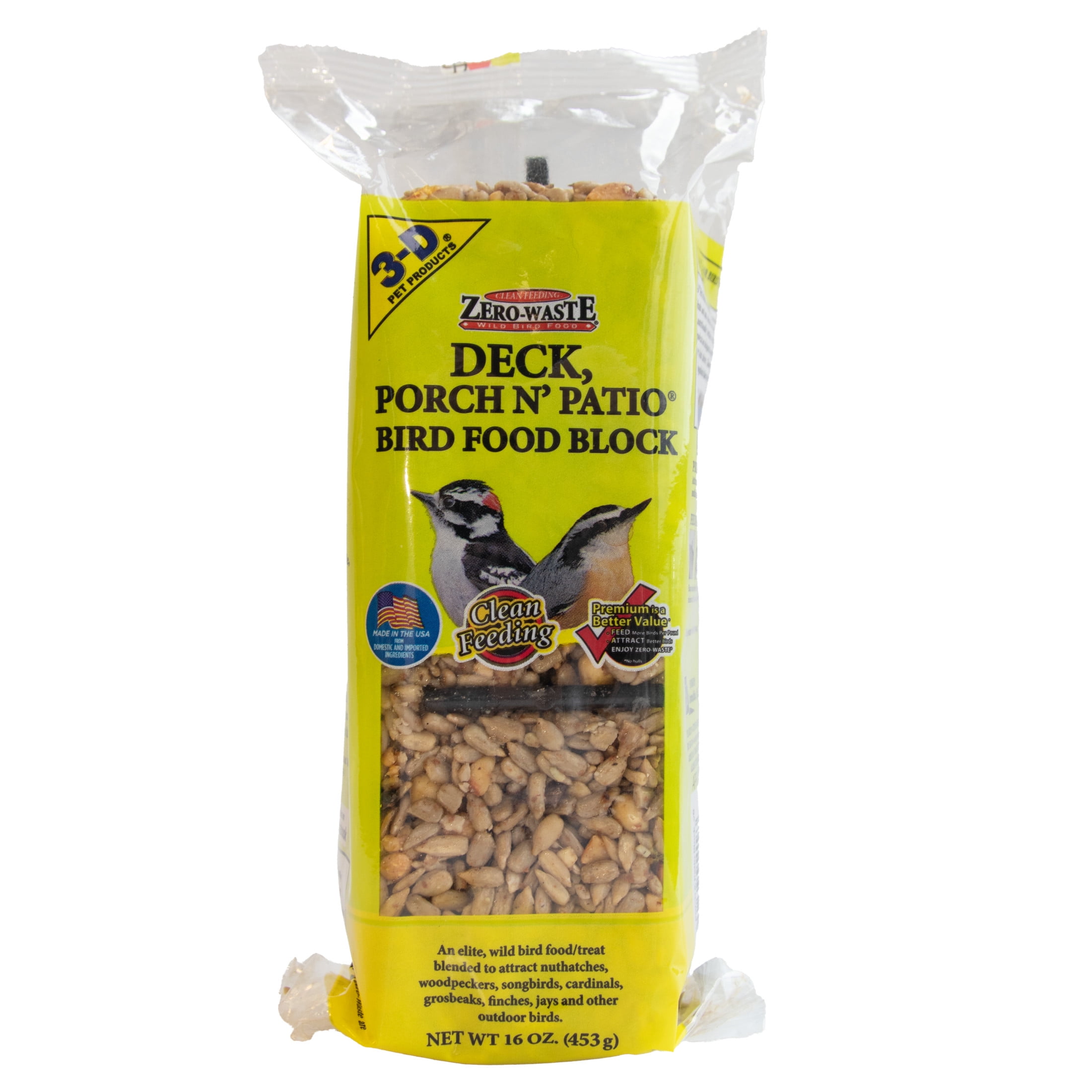
Credit: www.walmart.com
Pet Birds Vs Wild Birds
Feeding pet birds with wild bird seed can be risky. Wild seeds may lack the nutrients pet birds need. Always choose specially formulated seeds for pet birds to ensure their health and happiness.
Pet birds and wild birds may share a common ancestor, but their lifestyles and needs are worlds apart. If you've ever wondered whether it's okay to feed pet birds wild bird seed, you're not alone. Many pet owners struggle with this question. Understanding the differences between pet and wild birds can help you make informed decisions for your feathered friend.
Dietary Needs
Wild birds have a varied diet that changes with the seasons. They eat seeds, fruits, insects, and sometimes even small animals. Pet birds, however, rely on you for their food, which often includes specially formulated pellets or mixes. While wild bird seed can be tempting to feed your pet bird, it usually doesn't provide the necessary nutrients. Seeds alone lack essential vitamins and minerals. Pet birds need a balanced diet to stay healthy, which often means a mix of pellets, fresh fruits, and vegetables.
Behavioral Differences
Have you ever watched a wild bird at a feeder? They flit from one spot to another, always alert for predators. Wild birds are accustomed to fending for themselves and finding food in the wild. Pet birds, on the other hand, are more relaxed and dependent on human care. They may not have the instinct to seek out varied foods like their wild counterparts. This means they can easily become malnourished if their diet isn't carefully managed. When you consider the habits and lifestyles of these birds, it becomes clear why their dietary needs differ. Have you noticed how your pet bird behaves compared to wild birds outside your window? Understanding these differences can guide you in providing the best care for your feathered companion. Ultimately, the choice of what to feed your pet bird should align with their specific needs, not just what might seem convenient. What steps will you take today to ensure your pet bird gets the nutrition they deserve?
Credit: www.wbu.com
Types Of Wild Bird Seed
Pet birds and wild bird seed might not mix well due to different nutritional needs. Wild bird seed often lacks essential nutrients required by pet birds. Opt for specially formulated pet bird food for a balanced diet.
Understanding the types of wild bird seed is essential if you're considering feeding your pet bird with it. Wild bird seed mixtures are diverse, each offering different benefits and challenges. Knowing what these seeds offer can help you make informed decisions about your bird's diet.
Common Varieties
Wild bird seed comes in many types, each appealing to different bird species. Black oil sunflower seeds are popular because they are small and easy for birds to crack open. Nyjer seeds are another favorite, especially for finches. Millet is often included in mixes, attracting ground-feeding birds like sparrows. You might also find safflower seeds, which deter squirrels but attract cardinals and chickadees. I remember trying a mix with mostly sunflower seeds for my parakeet. She loved them, but I noticed she picked out her favorites and ignored the rest. This made me realize the importance of a balanced mix.
Nutritional Content
The nutritional content of wild bird seed varies significantly. Sunflower seeds are high in fat, providing energy but also risking obesity if overfed. Nyjer seeds are rich in oil and protein, supporting feather health. Millet is a great carbohydrate source, but it lacks essential fats. Consider the nutritional needs of your pet bird. Does it need more energy, or is it prone to weight gain? A balanced diet is crucial, and wild bird seeds might need to be supplemented with other foods to ensure your bird gets all the nutrients it needs. Have you ever noticed your bird's behavior change with different seeds? It’s fascinating to see how their preferences can influence their health and happiness. When feeding your pet bird wild bird seed, do you think it's getting the right balance? Always observe and adjust to meet their unique dietary needs.
Potential Risks Of Wild Bird Seed
Feeding pet birds wild bird seed can pose risks. It may contain harmful fungi, insects, or bacteria. Nutritional imbalance is another concern, as it might not meet your pet's dietary needs.
Feeding your pet bird is an act of love, but can you feed them wild bird seed? While it might seem like a natural and convenient option, there are potential risks involved. Understanding these risks can help you make better choices for your feathered friend's diet. Let's dive into some specific concerns you should be aware of.
Toxic Ingredients
Wild bird seed mixes often contain ingredients that might not be suitable for pet birds. Some seeds, like those from certain trees or plants, can be toxic if ingested by your pet. Even if wild birds tolerate them, your pet bird might not. Have you ever thought about the small differences between species that could make a big impact on their health? Moreover, many wild bird seeds include fillers that offer little to no nutritional value. These fillers can lead to malnutrition, affecting your bird's overall health and well-being. It's crucial to ensure that every bite your pet takes is beneficial.
Contamination Concerns
Contamination is another risk that comes with wild bird seed. These seeds are often stored in less controlled environments, leading to potential exposure to mold, bacteria, or pesticides. Imagine how quickly a small mold spore could become a big problem in your bird’s digestive system. Additionally, seeds meant for wild birds may not be cleaned as thoroughly as those packaged for pets. This means they could carry dust, debris, or even insects. Would you want your pet to ingest something that could cause harm? In my own experience, I once considered switching to wild bird seed to save on costs. However, after learning about these risks, I realized the health of my bird was priceless. Is saving a few dollars worth risking your bird's health? Taking the time to research and provide a balanced, safe diet is a responsibility that comes with having a pet bird. Prioritize their health by being mindful of what goes into their food bowl. Your bird depends on you to make the best choices for them—so choose wisely.
Nutritional Gaps In Wild Bird Seed
Wild bird seed often lacks essential nutrients for pet birds. It may not provide balanced nutrition. Consider specialized pet bird food for a healthier diet.
Feeding pet birds wild bird seed might seem like a convenient option. However, it often falls short in meeting the nutritional needs of your feathered friend. Understanding these nutritional gaps is crucial for ensuring your pet bird's health and happiness.
Lack Of Essential Nutrients
Wild bird seed mixes typically cater to the dietary needs of outdoor birds. They often lack the essential nutrients required by pet birds. For example, pet birds need a balanced intake of vitamins like A, D, and E, which are not commonly found in wild bird seed. Think about your own diet—would you thrive eating snacks all day without proper meals? It's similar for pet birds. They need a variety of nutrients to maintain their vibrant feathers and energetic behavior. Without these, they could suffer from poor health and decreased lifespan.
Overabundance Of Fillers
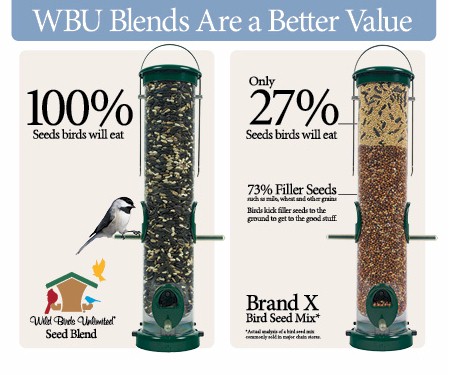
Wild bird seed often contains a high percentage of fillers, such as cracked corn and millet. These fillers are inexpensive and make up the bulk of the mix. While they might fill your bird’s stomach, they offer little nutritional value. A friend of mine once fed her parakeet a mix heavy on fillers and noticed her bird became lethargic. She switched to a specialized pet bird food, and soon her parakeet was back to chirping happily. This illustrates how fillers can lead to a lack of energy and vitality. Consider this: Are you unknowingly offering your pet bird empty calories? By choosing the right food, you can ensure your bird receives the nutrients it genuinely needs, rather than just filling its belly. In the end, your bird’s diet is crucial to its well-being. Would you be willing to adjust your bird’s diet for better health and happiness?
Safe Alternatives For Pet Birds
Feeding pet birds wild bird seed can be risky. These seeds might not meet the nutritional needs of pet birds. Opt for specially formulated bird food to ensure proper health and nutrition.
When it comes to feeding your pet birds, safety is a top priority. Many bird owners wonder if wild bird seed is a suitable option. While it might seem convenient, it doesn't always provide the balanced nutrition your pet birds need. Instead, let's explore some safe alternatives that ensure your feathered friends stay healthy and happy.
Commercial Bird Food Options
Commercial bird food is designed to meet the nutritional needs of various pet bird species. These products often include a mix of seeds, pellets, and essential vitamins. They're convenient and save you from the hassle of meal planning. Look for reputable brands that cater to your specific bird species. For example, parakeets, cockatiels, and finches all have different dietary requirements. Check the packaging for nutritional information, and choose a product that aligns with your bird's needs. Do you have a picky eater on your hands? Try offering a variety of commercial blends to keep your pet interested. Mixing different types of commercial bird food can provide a more balanced diet and might even discover a new favorite for your bird.
Homemade Diet Recipes
Creating homemade diets for your pet birds can be a rewarding experience. It's a way to control exactly what goes into their meals and ensure they're getting fresh, high-quality ingredients. You can start by including a mix of seeds, fresh fruits, and vegetables. Consider adding cooked grains like quinoa or brown rice for added nutrients. You can also include small amounts of cooked eggs for protein. Remember, moderation is key, especially when introducing new foods. How can you be sure your homemade diet is balanced? Consult with your veterinarian or an avian nutritionist. They can offer guidance on portion sizes and nutritional balance, ensuring your homemade meals meet all your bird's dietary needs.
Choosing safe alternatives for feeding your pet birds can be simple and fun. Whether you prefer the convenience of commercial options or the hands-on approach of homemade recipes, make sure you’re offering a variety that caters to your bird's species-specific needs. Have you tried any unique recipes or brands that your pet loves? Share your experiences and tips in the comments!
Consulting With A Veterinarian
Feeding your pet birds with wild bird seed might seem like a natural choice, but have you considered consulting a veterinarian? While it’s tempting to mimic nature, your pet birds have unique nutritional needs that may not be met by wild bird seed alone. A veterinarian can provide invaluable advice to ensure your feathered friend thrives, offering tailored nutritional plans and ongoing health monitoring.
Tailored Nutritional Plans
Veterinarians understand that each bird species has specific dietary requirements. What works for a wild sparrow may not be suitable for your pet parrot. A vet can design a tailored nutritional plan that aligns with your bird's species, age, and health status. This plan might include a mix of seeds, pellets, fruits, and vegetables.
Imagine your bird showing vibrant colors and energy, all thanks to a diet crafted just for them. Consulting a vet ensures your bird gets the right balance of vitamins and minerals, reducing health issues down the road.
Monitoring Bird Health
Regular check-ups with a veterinarian help keep your bird in top shape. Vets can spot early signs of nutritional deficiencies or other health concerns that might go unnoticed. Catching issues early can prevent serious health problems, saving you both heartache and money.
Has your bird been more lethargic than usual? A vet can assess whether their diet is at fault or if another issue is at play. Monitoring bird health isn’t just about addressing problems; it’s about ensuring your bird lives a happy, healthy life.
Consider the peace of mind that comes from knowing your bird's diet and health are professionally managed. Do you want your pet bird to flourish and live a long, vibrant life? Consulting with a veterinarian might be the key.
Tips For Bird Owners
As a bird owner, you may find yourself wondering if your pet bird can safely enjoy wild bird seed. Understanding what works for your feathered friend is crucial for their health and happiness. Here are some tips that can help you make informed decisions about your bird's diet.
Transitioning Diets Safely
Changing your bird's diet requires patience and care. Introduce new seeds gradually to avoid digestive issues. Start by mixing a small portion of wild bird seed with your bird’s current food. Increase the amount over a week or two, observing your bird’s reaction. This gradual transition helps your bird adapt to new flavors and textures without stress.
A friend once shared how she switched her parrot's diet too quickly. Her bird refused to eat for two days, causing unnecessary worry. Slow and steady is the key to a smooth dietary change. Remember, your bird's comfort comes first.
Signs Of Nutritional Deficiency
Nutrition is a cornerstone of your bird’s health. Watch for signs that your bird's diet might not be meeting its needs. Look out for changes in feathers, weight loss, or unusual behavior. These could indicate a deficiency in essential nutrients.
If you notice dull or brittle feathers, it might be time to reassess your bird's diet. Consider seeking advice from a vet if you're unsure. Your bird’s appearance and energy levels are strong indicators of how well they're nourished.
Is your bird eating but still lethargic? This could signal a lack of vital nutrients. Keep a close eye on their habits and adjust their diet as necessary. An informed approach ensures your bird stays vibrant and healthy.
Remember, your bird relies on you for their well-being. Make dietary choices with care and love. Your feathered friend deserves the best.

Credit: www.walmart.com
Frequently Asked Questions
Can Wild Bird Seed Harm Pet Birds?
Wild bird seed can be harmful to pet birds. It may contain additives or seeds unsuitable for domestic species. Pet birds require specific nutrients. Always ensure their diet meets their nutritional needs. Consult a vet for dietary advice tailored to your bird.
Is Wild Bird Seed Nutritious For Pet Birds?
Wild bird seed lacks essential nutrients for pet birds. It may not provide balanced nutrition. Pet birds need a diet with vitamins, minerals, and protein. A specially formulated bird feed is recommended. This ensures your pet bird maintains optimal health and well-being.
Can Pet Birds Eat Wild Bird Seed Occasionally?
Occasional wild bird seed may not harm pet birds. However, it should not be their primary diet. It lacks nutrients needed by pet birds. Always prioritize a balanced diet. Consult a veterinarian before introducing new foods to your bird’s diet.
How To Choose The Right Seed For Pet Birds?
Choose seeds specifically designed for pet birds. These are formulated with balanced nutrients. Check for a mix of seeds and pellets. Ensure it meets your bird's species-specific needs. Consult with avian experts for tailored dietary recommendations. This helps maintain your bird’s overall health.
Conclusion
Choosing the right seed for pet birds is crucial. Wild bird seed isn't always safe. It may lack nutrients your pet needs. Pet birds require a balanced diet. Consult a vet for advice. Safe bird food ensures your bird stays healthy.
Always read labels on birdseed packages. Understand what your pet bird needs to thrive. Consider your bird's species and size. Some seeds can harm pet birds. Keep your feathered friend happy and healthy. Provide them with proper nutrition. Your bird deserves the best care possible.
Make informed choices for their diet.