


How to Improve Bird Habitats?
Imagine stepping outside to a symphony of chirping birds and fluttering wings. It's more than just a beautiful scene; it's a sign of a thriving ecosystem.
You have the power to create and improve these bird habitats right in your backyard or community. Whether you're an avid birdwatcher or simply enjoy nature's wonders, enhancing bird habitats is a rewarding endeavor that benefits both you and our feathered friends.
This guide will show you simple yet effective ways to transform your space into a bird haven. You'll learn practical tips and discover the hidden joys of nurturing wildlife. Dive in, and let's make your environment come alive with the vibrant colors and songs of birds.

Credit: ocj.com
Choosing Native Plants
Native plants play a crucial role in enhancing bird habitats. These plants provide essential food, shelter, and nesting spaces. Birds thrive in environments where native flora supports their natural behaviors.
Choosing native plants is a key strategy to improve bird habitats. Native plants provide familiar food and shelter for local birds. These plants have evolved alongside the birds, offering the perfect resources. They are adapted to local soil and climate, making them easier to maintain. Selecting the right native plants can transform a garden into a bird-friendly environment.
Benefits Of Native Flora
Native plants attract birds with food sources like seeds and berries. They support insects that birds feed on, enhancing the ecosystem. Native flora helps in conserving water due to its adaptation to the local climate. These plants reduce the need for fertilizers and pesticides, creating a healthier habitat. Native vegetation also provides excellent shelter and nesting spots for birds.
Popular Native Plants For Birds
Certain native plants are particularly favored by birds. Serviceberry is loved for its tasty berries. Coneflowers attract insects that birds enjoy. Milkweed supports butterflies, which birds feed on. Elderberry shrubs offer abundant fruit for birds. Red-osier dogwood provides both food and shelter. Choose these plants to boost bird populations in your area.
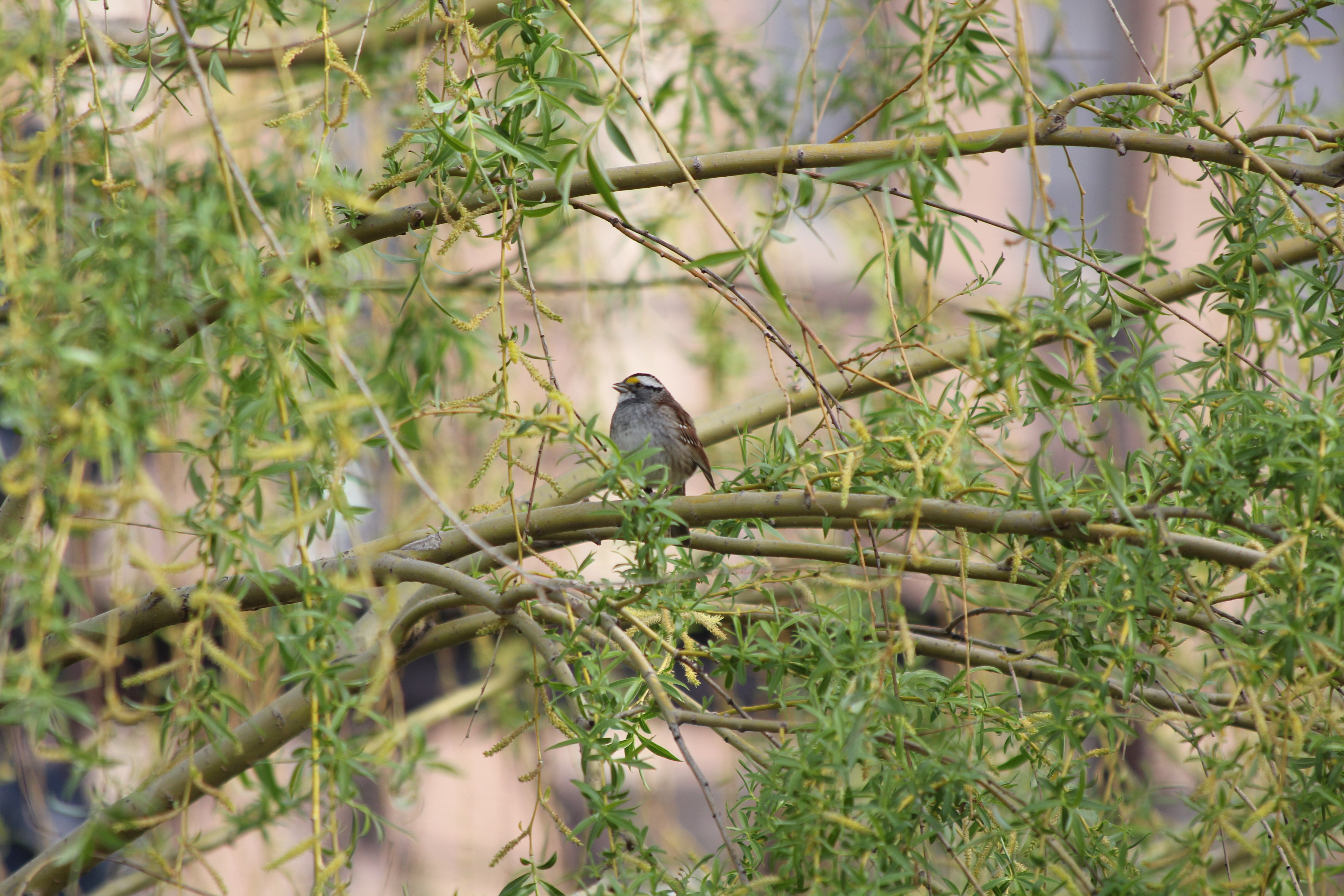
Credit: penntoday.upenn.edu
Providing Water Sources
Birds need water to drink and bathe. Adding water sources to your garden attracts more birds. Water refreshes them and keeps their feathers clean. A simple birdbath or a small fountain can create an ideal spot. Watching birds splash in water is a delightful sight.
Types Of Bird Baths
Various bird baths suit different spaces. A simple bowl on the ground is easy to install. Hanging bird baths are perfect for small gardens. Pedestal bird baths add charm and height. Consider a heated bird bath for winter months. Ensure the bath has a rough surface to prevent slipping. Shallow water, around two inches, is safe for birds. Variety in bird baths attracts diverse species.
Maintaining Clean Water
Regular cleaning keeps bird baths inviting. Change water every two days to prevent algae. Scrub the bath with a brush weekly. Avoid using harsh chemicals. Use a solution of water and vinegar for cleaning. Rinse thoroughly before refilling. Position the bath under a tree for shade. This helps keep the water cooler. A clean bird bath ensures healthy birds.
Creating Shelter And Nesting Sites
Creating shelter and nesting sites is essential for attracting birds. Birds seek safe places to rest and raise their young. Offering these spaces increases bird visits and supports their populations. Whether it's natural shelters or artificial ones, these efforts make a difference.
Natural Vs. Artificial Shelters
Natural shelters include trees, shrubs, and dense foliage. These provide cover from predators and harsh weather. Birds find materials for nests in these environments. Planting native trees and bushes enhances natural shelter.
Artificial shelters, like birdhouses, offer controlled environments. These can be tailored to specific bird species. Ensure birdhouses have proper ventilation and are placed at suitable heights. This increases their use by birds.
Encouraging Nesting In Your Yard
Provide nesting materials like twigs and leaves. Birds use these to build their homes. Keep your yard pesticide-free. This ensures a safe habitat for nesting birds. Water sources, like birdbaths, attract nesting birds. Clean these regularly to prevent disease.
Plant a variety of trees and shrubs. This offers diverse options for nesting. Different birds prefer different types of vegetation. Creating layers of vegetation mimics natural habitats. This encourages more birds to nest.

Credit: www.themeateater.com
Ensuring A Safe Environment
Boosting bird habitats requires planting native trees and shrubs. These provide essential food and shelter. Reducing pesticide use also helps preserve their natural environment.
Creating a haven for birds involves ensuring a safe environment where they can thrive. Birds face numerous threats, both natural and man-made. It’s essential to minimize these dangers to support their well-being and encourage diverse species to flourish in your garden or backyard. By taking practical steps, you can make your area a sanctuary for feathered friends.
Predator Control Methods
You might be surprised to find that not all predators are obvious. While we often think of cats as the primary threat, snakes, larger birds, and even some mammals can pose a danger. Install birdhouses and feeders at heights inaccessible to ground predators. Consider using baffles on poles to deter climbing animals. Reflective tapes and motion-activated lights can also scare away potential threats. A small investment in deterrents can make a big difference.
Reducing Chemical Use
Chemicals in pesticides and fertilizers can be harmful to birds. Opt for organic gardening methods to keep your feathered visitors safe. Create a natural balance by encouraging beneficial insects that prey on pests. Companion planting is another effective technique. For instance, marigolds can repel certain insects naturally. Think about what goes into your garden. Does it support a healthy ecosystem, or is it harmful? Using fewer chemicals not only helps birds but also enhances the overall health of your garden. Implementing these strategies not only ensures a safe environment for birds but also enriches your outdoor space. What changes can you make today to protect and welcome more birds into your habitat?
Supplying Food Resources
Enhancing bird habitats involves providing diverse food resources like seeds, berries, and insects. Plant native trees and shrubs to attract a variety of birds. Maintain feeders with fresh food to support their dietary needs throughout the year.
Supplying food resources is a fantastic way to enhance bird habitats in your backyard. By providing a variety of food options, you can attract different bird species, creating a lively and diverse ecosystem. Imagine the joy of watching colorful birds flutter around your garden, each finding their favorite treat. You'll not only enjoy the visual spectacle but also play a crucial role in supporting local wildlife.
Planting Fruit-bearing Trees
Have you ever noticed how birds flock to fruit trees during the harvest season? Planting fruit-bearing trees like apple, cherry, and mulberry can be a game-changer for your garden. These trees offer natural food sources that birds love. Choose trees suitable for your climate and soil conditions. Consider how much space you have and how much sunlight the trees will need. You'll be rewarded with the delightful sight of birds feasting on juicy fruits. Think of the long-term benefits. Not only do fruit trees provide food, but they also offer shelter and nesting sites for birds. It's a win-win situation for both your garden and the local bird population.
Choosing The Right Bird Feeders
Selecting the right bird feeders can make a huge difference in attracting various bird species. Start by understanding the types of birds in your area. Do you see more finches or woodpeckers? Opt for feeders that cater to the birds you want to attract. Tube feeders are great for small birds, while platform feeders are better for larger species. Keep the feeders clean and well-stocked to ensure regular visits. Consider the placement of your feeders. Are they easy for birds to spot? Are they safe from predators? Think about how the feeders fit into your garden's layout. The right placement can encourage birds to visit more frequently, adding life and color to your outdoor space. By taking these steps, you create a haven for birds, enriching your garden and contributing to biodiversity. What changes will you make to your garden to support your feathered friends?
Incorporating Diversity In Landscapes
Enhancing bird habitats requires planting native plants and creating water sources in landscapes. Diverse plant types offer food and shelter for various bird species. Safe nesting areas and minimal pesticide use also promote healthier bird environments.
Creating a vibrant bird habitat starts with embracing diversity in landscapes. Imagine your garden as a bustling community where every plant and feature plays a role. The more varied your landscape, the more inviting it becomes for different bird species. As I transformed my own backyard into a bird haven, I realized the importance of diversity. Each plant choice was like a new chapter in a story, bringing in different bird visitors and enhancing the ecosystem. Are you ready to turn your outdoor space into a bird paradise?
Variety Of Habitats
Think about the different environments birds thrive in. Some prefer open fields, while others seek dense forests. Your garden can offer a mini version of these habitats. Start with open areas for birds that love to forage on the ground. Add patches of shrubs for those who prefer hiding and nesting. A small water feature can mimic the edge of a pond, attracting birds that enjoy splashing around. Consider using native plants that suit the local bird population. They offer food and shelter, making your garden a magnet for feathered friends. What types of birds would you like to see visiting your garden?
Layering Vegetation
Layering vegetation is like creating a multi-story building for birds. It provides them with varied levels of shelter and food sources. Begin with tall trees for those who prefer higher perches. These offer shade and nesting spots. Next, add mid-sized bushes and shrubs that can host nests and offer berries. Finally, introduce ground cover plants that are rich in seeds. This layered approach mirrors natural forests, offering diverse options for birds to explore. By mixing heights and types, you create a dynamic environment. It's fascinating to see how birds interact with each layer. Have you ever noticed how a simple change in vegetation can alter the bird activity in your garden? Ultimately, improving bird habitats is about thinking creatively and acting thoughtfully. With a little effort, your garden can become a sanctuary for both birds and humans alike.
Monitoring Bird Populations
Monitoring bird populations is crucial for improving bird habitats. Understanding how many birds are present helps in making informed decisions. This practice ensures the health and safety of bird species. It also aids in understanding their behavior and migration patterns.
Keeping A Bird Journal
Start by keeping a detailed bird journal. Note down the types of birds you see daily. Record their behaviors and feeding habits. Write about their interactions with other birds. This practice helps in noticing changes over time. It also assists in identifying new species in the area.
Participating In Citizen Science
Join citizen science projects to monitor bird populations. These projects offer a structured way to collect data. Participation helps scientists understand bird trends. You contribute valuable information about bird numbers and health. It’s a rewarding experience that supports conservation efforts. Engage with local birdwatching groups for more opportunities.
Engaging Community In Bird Conservation
Engaging the community in bird conservation boosts local efforts. It creates a shared responsibility. It fosters a sense of unity. People care more when they are involved. Communities can make a big difference. They can help improve bird habitats effectively. The key lies in engaging them actively. With organized events and education, bird conservation becomes a community effort.
Organizing Local Bird Watching Events
Local bird watching events bring people together. They raise awareness about bird species. Participants learn about their environment. Such events spark interest in conservation. They can be simple, like weekend walks. Or elaborate, with expert talks and workshops. These events create a connection to nature. They encourage people to protect it.
Educating Neighbors
Educating neighbors is crucial for bird conservation. Knowledge empowers people to act. Start with simple tips for bird-friendly yards. Share facts about local bird species. Explain how they benefit the ecosystem. Host neighborhood meetings or workshops. Use flyers or newsletters to spread information. Education leads to informed decisions. It helps in creating a supportive community.
Frequently Asked Questions
How Can I Attract More Birds To My Garden?
To attract more birds, provide food, water, and shelter. Plant native shrubs and trees to offer natural food sources. Install bird feeders with seeds, nuts, and suet. Ensure a fresh water source, like a birdbath, is available. Create nesting areas using birdhouses or dense foliage.
What Plants Benefit Bird Habitats The Most?
Native plants are ideal for bird habitats. They offer natural food sources like berries and seeds. Consider planting dogwood, serviceberry, or elderberry. These provide both food and shelter. Incorporate a mix of plants to attract diverse bird species. Native plants also support local insect populations, essential for birds.
Why Is Water Important For Bird Habitats?
Water is crucial for birds' hydration, bathing, and preening. A birdbath or small pond attracts various species. Ensure water sources are clean and refreshed regularly. Moving water, like a fountain, can entice more birds. Water availability enhances the overall appeal of your garden to birds.
How Do Birdhouses Improve Bird Habitats?
Birdhouses provide safe nesting spots for cavity-nesting birds. They protect against predators and harsh weather. Install birdhouses at varying heights to attract different species. Ensure proper ventilation and drainage. Regularly clean birdhouses to prevent disease. Well-maintained birdhouses significantly boost your garden's bird population.
Conclusion
Improving bird habitats benefits nature and us. Simple actions make a big difference. Plant native trees and shrubs. Provide clean water sources. Avoid pesticides to keep birds safe. Create nesting spaces using birdhouses. Support local conservation efforts. Birds bring joy and help the ecosystem.
By enhancing their habitats, we ensure their survival. Everyone can contribute. Small changes lead to healthier environments. Let's protect our feathered friends. Start today and enjoy the beauty they bring.