


Imagine a world where the majestic flight of migratory birds is at risk. You might be wondering how you can help protect these incredible creatures that traverse continents, connecting ecosystems with their journeys.
The answer lies in a network approach to conservation. By understanding and prioritizing the critical habitats and routes these birds depend on, you can play a vital role in safeguarding their future. This isn't just about preserving beauty; it's about maintaining the intricate balance of our planet's biodiversity.
Ready to discover how you can make a difference? Dive into the strategies and insights that can empower your conservation efforts and ensure these feathered travelers continue to grace our skies.

Credit: conbio.onlinelibrary.wiley.com
Importance Of Migratory Birds
Migratory birds play a crucial role in maintaining ecological balance. Their seasonal journeys, spanning thousands of miles, connect diverse ecosystems. Understanding their importance helps prioritize conservation efforts effectively. These birds are more than just travelers; they are vital to our planet's health and culture.
Ecological Benefits
Migratory birds help control insect populations. They consume vast numbers, reducing pests naturally. This aids agriculture and lessens the need for pesticides. Birds also contribute to seed dispersal. As they travel, seeds hitch a ride. This helps plants grow in new areas, boosting biodiversity.
These birds are indicators of environmental health. Changes in their patterns signal shifts in climate or habitat quality. Monitoring them provides early warnings. This helps in taking timely conservation actions.
Cultural Significance
Migratory birds hold a special place in many cultures. Their journeys inspire stories, art, and traditions. People celebrate festivals marking their arrivals. These birds symbolize freedom and endurance.
They also hold economic value. Birdwatching attracts tourists worldwide. This activity supports local economies, creating jobs and fostering community pride. Protecting migratory birds preserves this cultural heritage for future generations.

Credit: conbio.onlinelibrary.wiley.com
Challenges In Conservation
Migratory birds face a myriad of challenges that threaten their survival, demanding urgent conservation efforts. As these feathered travelers journey across vast distances, they encounter obstacles that can disrupt their lifecycle and diminish their populations. Understanding these challenges is crucial to developing effective conservation strategies that can make a real difference.
Habitat Loss
Imagine if your home vanished overnight. That's the stark reality for many migratory birds facing habitat loss. Rapid urbanization and agricultural expansion continue to shrink their natural habitats. Wetlands get drained, forests are cleared, and grasslands are converted into farms. This loss severely impacts the birds' ability to find food, shelter, and breeding grounds. How can we balance development with preservation? It's a question that needs answering to ensure these birds have a place to call home.
Climate Change Impact
Climate change is not just a buzzword; it's a real threat to migratory birds. Rising temperatures alter migration patterns, leading to mismatches in the timing of food availability. A bird arriving too early or late at its destination might face starvation. Changing weather patterns can also destroy nesting sites or make them less habitable. What can you do to help? Consider reducing your carbon footprint or supporting initiatives aimed at protecting bird habitats.
Human Interference
Human activities often disrupt the delicate balance of ecosystems. From light pollution affecting navigation to hunting and poaching, our actions can have unintended consequences on migratory birds. Birdwatchers might unknowingly disturb nesting sites, while pollution can poison their food sources. How can you be mindful of your impact? Stay informed and advocate for responsible practices that minimize interference with wildlife.
These challenges are significant, but they are not insurmountable. By understanding the hurdles migratory birds face, you can contribute to meaningful conservation efforts that make a difference. Together, we can prioritize actions that ensure these majestic creatures continue to grace our skies for generations to come.
Network-based Conservation Strategies
Migratory birds travel thousands of miles across continents, making their conservation a complex but crucial task. A network-based conservation strategy focuses on creating interconnected efforts to protect these birds throughout their journey. By connecting habitats, resources, and communities, we can ensure these birds have a safe passage and thriving stopover sites.
Collaborative Efforts
Bird conservation is not a solo act. It requires collaboration across borders and between various stakeholders. Governments, NGOs, and local communities must work together to create a seamless network of protected areas.
Consider the success stories like the East Asian-Australasian Flyway Partnership. It brings together 39 partners from across the globe, uniting efforts for the common goal of migratory bird conservation. Such collaborations prove that united efforts can lead to significant positive impacts.
How can we encourage more stakeholders to join in? Sharing success stories and demonstrating the tangible benefits of collaboration can be a powerful motivator.
Technology Integration
Technology is a game-changer in conservation strategies. Satellite tracking and data analysis help us understand migration patterns with precision. This information is crucial in identifying critical habitats and potential threats.
Imagine tracking a tiny warbler across continents. With real-time data, conservationists can quickly respond to threats like habitat destruction or climatic changes. Technology not only aids in tracking but also in engaging a global audience through platforms and apps.
Have you ever used a birdwatching app that tracks migratory birds? These tools not only educate but also enable citizen science, allowing you to contribute to conservation efforts from your backyard.
Community Involvement
Local communities are the stewards of the habitats migratory birds depend on. By involving them in conservation strategies, we ensure sustainable and effective protection. Community-driven initiatives often lead to innovative solutions tailored to local needs and conditions.
Take the example of community-led wetland restoration projects. These not only provide vital stopover sites for migratory birds but also improve local biodiversity and economies. When communities see the direct benefits, they become passionate guardians of these areas.
What can you do in your community? Whether it's joining a local conservation group or participating in bird counts, every small action contributes to a larger network of conservation efforts.
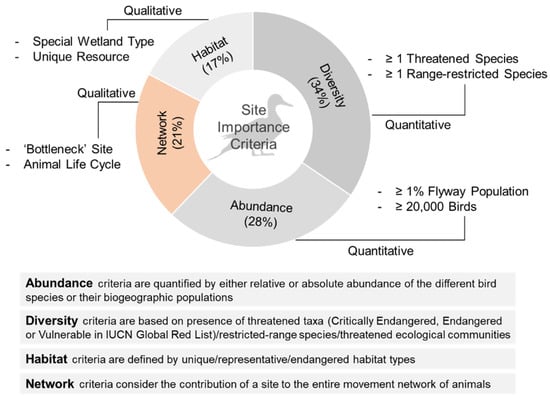
Credit: www.mdpi.com
Role Of International Policies
International policies play a key role in conserving migratory birds. These birds travel across borders, facing many challenges. Strong policies can ensure their safe passage and protection. Countries must work together. This cooperation helps maintain bird habitats and migration routes. Policies can also influence conservation strategies globally. They offer frameworks for action and collaboration.
Treaties And Agreements
Treaties and agreements are essential for bird conservation. Many countries sign treaties to protect migratory birds. These agreements set rules and standards. They guide nations on how to protect birds effectively. Treaties cover various aspects. They include habitat preservation and reducing threats like hunting. International agreements encourage countries to share data. This helps monitor bird populations and their health.
Cross-border Cooperation
Cross-border cooperation is vital for migratory bird conservation. Birds do not recognize political borders. So, countries must collaborate for their protection. Cooperation can lead to shared conservation strategies. It promotes joint efforts in habitat restoration. Countries can work together to tackle threats like pollution. Cross-border projects can improve monitoring systems. This ensures birds are safe throughout their journeys.
Success Stories And Case Studies
Success stories in conservation efforts for migratory birds offer hope. They show how focused strategies can make a real difference. These case studies highlight effective practices across various regions. They provide insights into what works and why. Understanding these success stories can guide future efforts. They help in crafting plans that are both practical and impactful.
Examples From Various Regions
In North America, community-led bird habitats have thrived. Local groups have created safe zones for migratory paths. This has increased bird populations and supported biodiversity. In Africa, collaborative efforts between nations have succeeded. These projects focus on shared goals and resources for bird conservation.
Asian countries have seen positive results. Governments have implemented protected corridors for migratory routes. These corridors ensure birds have safe passage and resting areas. Each region's approach offers valuable lessons. They demonstrate how tailored strategies can yield significant benefits.
Lessons Learned
Collaboration is key. Many successful efforts involve multiple stakeholders. Working together ensures comprehensive solutions. Local engagement is crucial too. Communities often play a vital role in conservation projects. Their participation leads to long-lasting impact.
Flexibility in planning makes a difference. Adapting strategies as conditions change is essential. This ensures efforts remain effective and relevant. Monitoring and data collection are vital tools. They help track progress and identify areas needing improvement.
These lessons highlight important practices. They pave the way for future success in conserving migratory birds. By understanding what works, conservationists can make informed decisions. This ensures sustained positive outcomes for migratory bird populations.
Future Directions For Conservation
As conservationists strive to protect migratory birds, the urgency to adapt and innovate becomes clearer with each passing season. The future of conservation hinges not only on traditional methods but also on embracing modern strategies that address the dynamic challenges faced by these birds. With climate change, habitat loss, and human activities constantly altering their migration patterns, fresh approaches are essential to safeguard their journey.
Innovative Approaches
Imagine using drones for monitoring bird migrations. These devices can collect data in real-time, offering insights into migratory routes that were previously hard to track. This technology could revolutionize the way conservationists understand bird behavior.
Another exciting development is the use of AI to predict threats. AI can analyze vast amounts of data to identify potential hazards along migratory paths, allowing for quick responses to protect birds from dangers such as extreme weather or habitat destruction.
Community engagement can also play a crucial role. Encouraging local communities to participate in bird conservation efforts can create strong networks of support. When you involve people who live in migration hotspots, you foster a sense of stewardship and responsibility.
Enhancing Global Networks
Strengthening international collaborations is vital for effective conservation. By connecting global networks, countries can share data, resources, and strategies, creating a unified approach to bird conservation.
Consider how a coordinated effort across borders can lead to the establishment of protected migratory corridors. These corridors ensure safe passage for birds, reducing risks during their long journeys.
What role can you play in this global network? By supporting organizations that focus on migratory birds, you contribute to a larger effort that transcends geographical boundaries. Your actions, no matter how small, can ripple across continents, aiding in the preservation of these incredible creatures.
The future of bird conservation is bright if we continue to innovate and collaborate. Embracing new technologies and fostering global cooperation are steps toward ensuring that these magnificent birds continue their migratory journeys for generations to come.
Frequently Asked Questions
What Is A Network Approach In Conservation?
A network approach involves using interconnected systems to enhance conservation planning. It focuses on the relationships and interactions among habitats, species, and ecosystems. This method helps in identifying critical areas and corridors that are vital for the survival of migratory birds.
It enhances the efficiency and effectiveness of conservation efforts.
Why Prioritize Migratory Birds In Conservation?
Migratory birds play a crucial role in ecosystems, controlling pests and pollinating plants. Prioritizing them ensures the protection of essential habitats and biodiversity. These birds face threats like habitat loss and climate change. Conservation efforts help in maintaining ecological balance and supporting the health of global ecosystems.
How Does Habitat Connectivity Benefit Migratory Birds?
Habitat connectivity ensures that migratory birds can safely travel between breeding and wintering grounds. It allows for genetic exchange and access to diverse resources. This connectivity mitigates risks from habitat fragmentation and climate change, ensuring the survival and resilience of bird populations.
What Are Key Threats To Migratory Birds?
Migratory birds face threats like habitat loss, climate change, and pollution. Urbanization and deforestation reduce available habitats, while climate change alters migration patterns and food availability. Pollution, such as pesticides and plastics, further endangers these birds, making conservation efforts crucial for their survival.
Conclusion
Prioritizing conservation for migratory birds is crucial for their survival. A network approach offers clear benefits. It helps identify key areas for action. This method ensures resources are used effectively. Birds face many threats during migration. By focusing efforts smartly, we can protect them better.
Collaboration among nations and organizations is vital. It supports global conservation goals. Simple steps can make a big difference. Protecting these birds preserves biodiversity. It also maintains ecological balance. Let's work together to safeguard migratory birds for future generations. Your support matters.
Every action counts in this vital mission.