


Imagine stepping into your backyard and being greeted by the gentle symphony of chirping birds. Creating a bird habitat in your own space isn’t just a dream; it’s a rewarding reality that’s within your reach.
You don’t need vast lands or deep pockets—just a little time and some thoughtful planning. Picture the joy of watching vibrant birds fluttering around, turning your garden into a lively sanctuary. Are you curious about how you can transform your outdoor space into a haven for birds?
You’re not alone. Many people are discovering the simple pleasures and benefits of inviting nature into their lives. You’ll learn straightforward steps to create a bird-friendly environment that will attract a variety of feathered friends. Ready to bring your garden to life and enjoy the beauty of nature every day? Let’s dive in and explore how you can make it happen.
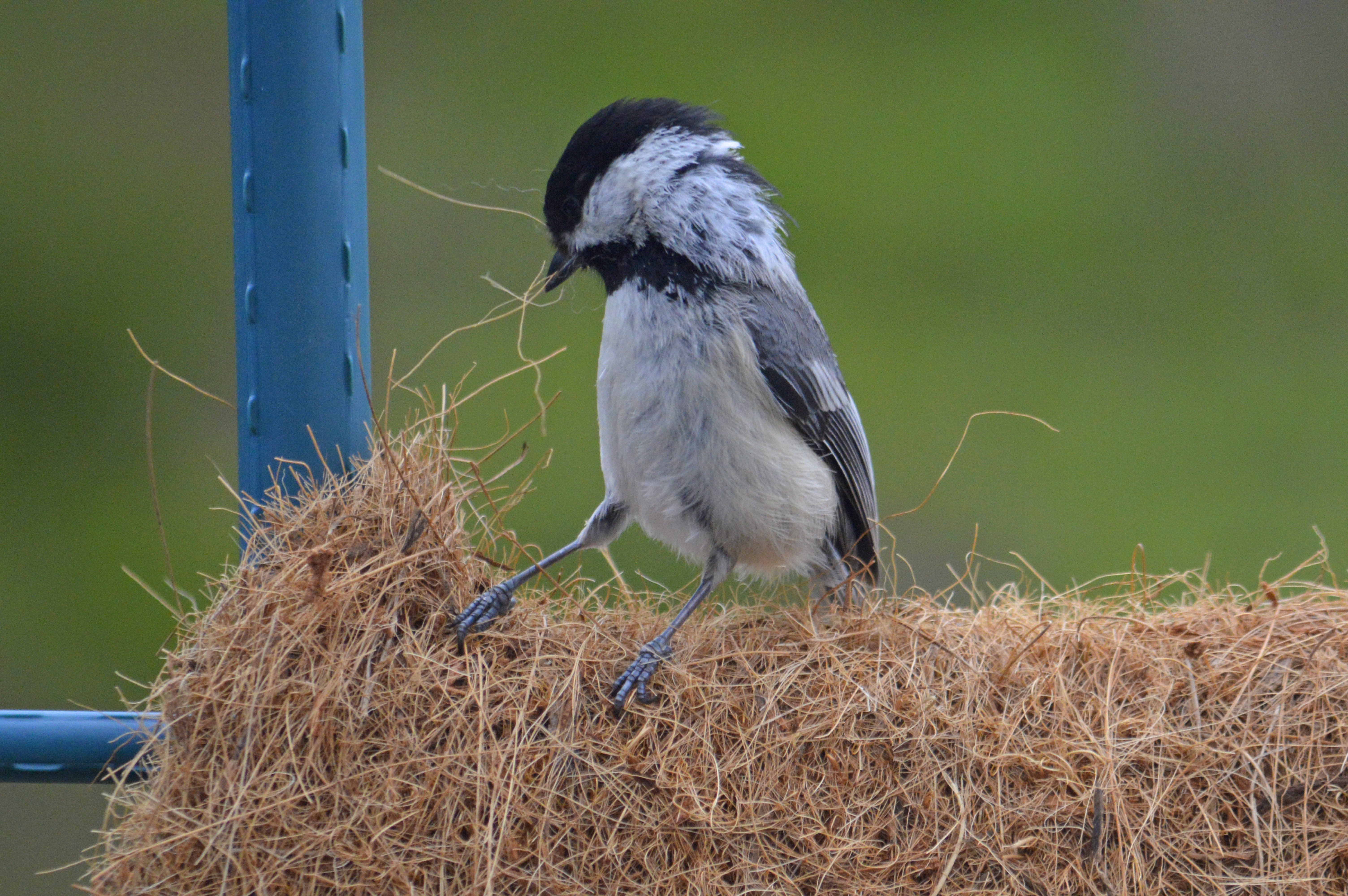
Credit: blog.nwf.org
Benefits Of Bird-friendly Backyards
Creating a bird-friendly backyard offers many benefits. It transforms your outdoor space into a lively sanctuary, attracting various bird species. This interaction with nature brings joy and relaxation. It also helps in promoting biodiversity in your local environment. A backyard that welcomes birds contributes significantly to ecological balance.
Environmental Benefits
Birds play a key role in controlling pests. They feed on insects that damage plants. This natural pest control reduces the need for chemicals. Birds also aid in pollination. This process helps plants produce fruits and seeds. Their activities contribute to a healthier ecosystem.
Educational Opportunities
A bird-friendly backyard offers great learning experiences. Observing birds helps children understand nature. It encourages curiosity and discovery. This can be a fun family activity. It also fosters a love for wildlife and conservation.
Improved Mental Health
Watching birds can reduce stress. Their songs and movements bring peace. A bird-friendly environment promotes relaxation. This interaction with nature improves mental well-being. It's a simple way to enhance your mood.
Increased Property Value
Bird-friendly gardens add aesthetic value. They enhance the beauty of your property. This appeal can increase property value. Homes with well-maintained gardens attract potential buyers. A lively backyard is always a great asset.
Community Engagement
Creating bird habitats can foster community spirit. Neighbors might join efforts to create bird-friendly spaces. This collaboration builds stronger community ties. Sharing experiences and tips enriches the neighborhood. It creates a supportive and engaged community.
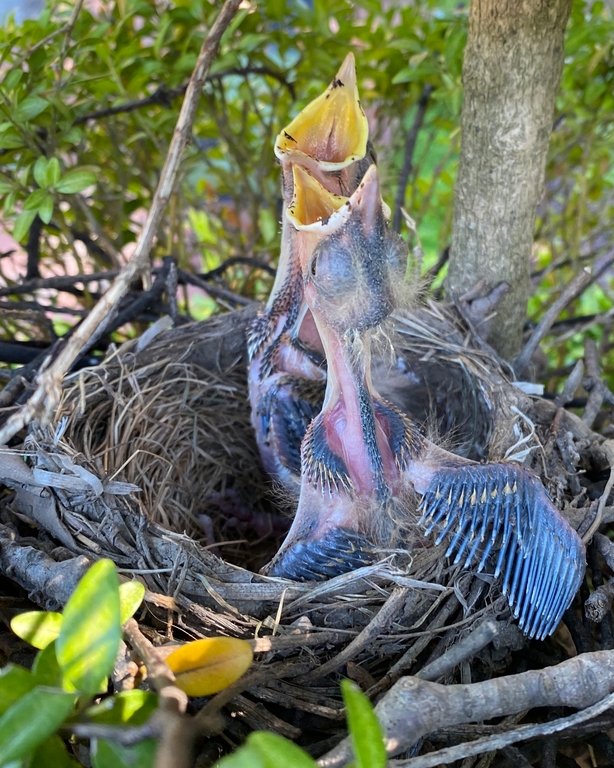
Credit: gardens.si.edu
Choosing Native Plants
Native plants attract birds by providing food and shelter. They adapt well to local conditions. This makes them easy to grow. As a result, birds find a comfortable habitat in your garden.
Creating a bird habitat in your backyard can be a rewarding endeavor, not only for the birds but also for you. One of the most crucial aspects of building this sanctuary is choosing native plants. Native plants are those that have naturally evolved in your region over thousands of years. They are well-suited to the local climate and soil conditions, making them a perfect choice for supporting local wildlife, including birds. This section will guide you through the importance of native flora and how to select the right plant varieties for your bird-friendly garden.
Importance Of Native Flora
Native flora provides an essential foundation for creating a thriving bird habitat. These plants offer a familiar and reliable source of food, such as seeds, berries, and nectar, which birds depend on throughout the year. Have you ever noticed how vibrant and active your garden becomes when you plant something native? Birds, insects, and other wildlife are naturally drawn to these plants because they recognize them as their natural food source. Native plants also support insects, which are a critical food source for many bird species, especially during nesting season. Moreover, native plants require less maintenance and fewer resources. They are adapted to your local environment, meaning they need less water, fertilizer, and pesticides. This not only saves you time and money but also creates a healthier ecosystem for birds and other wildlife.
Selecting Plant Varieties
Selecting the right plant varieties for your bird habitat involves understanding which plants will best support the birds you wish to attract. Consider the types of birds native to your area and research the plants that meet their needs. Think about a time when you added a new plant to your garden, only to find it became a favorite haunt for a particular bird species. This experience underscores the importance of choosing the right plants. Look for a mix of trees, shrubs, and flowering plants that can provide food and shelter throughout the year. When choosing plants, aim for diversity. A variety of plant heights and types can create layers in your garden, offering different niches for different bird species. For example, taller trees can serve as lookout points and nesting sites, while shrubs can offer shelter and food sources. Consider also the seasons. Some plants bear fruit in the summer, while others provide seeds in the winter. By selecting plants that offer resources throughout the year, you ensure that your garden remains a sanctuary for birds in every season. Incorporating native plants into your bird habitat is more than just a gardening choice—it's an investment in the local ecosystem. By creating a space that supports native wildlife, you're contributing to biodiversity and sustainability. What plants will you choose to make a difference in your garden?
Providing Water Sources
Creating a bird habitat involves ensuring accessible water sources. Install birdbaths or small ponds to attract various species. Regularly clean and refill water to maintain a fresh supply.
Creating a bird-friendly habitat involves more than just planting trees and shrubs. Providing water sources is crucial for attracting and supporting a diverse range of bird species. Without clean water to drink and bathe in, birds may overlook your garden. You can make your outdoor space a haven for birds by adding appealing and functional water features.
Birdbaths And Water Features
Birdbaths are an easy addition to any garden. They offer birds a place to drink, bathe, and cool off. Choose a birdbath with a shallow basin, ideally 1-2 inches deep. This depth allows birds to wade in safely. Consider different styles—traditional pedestal birdbaths or modern ground-level basins. You might add a small fountain or dripper for movement. This attracts more birds and keeps the water fresher. Imagine the joy of watching a goldfinch splash around, or a robin dipping its wings on a hot afternoon. You could also integrate natural water features like small ponds or streams. These mimic birds' natural habitats. Just ensure they are safe from predators. For those with limited space, a simple dish can work wonders. A friend once used an old pie pan successfully to attract chickadees and sparrows.
Maintaining Clean Water
Keeping water clean is vital for bird health. Dirty water can harbor disease. Regularly empty and scrub your birdbath or water feature. This prevents algae buildup and removes debris. Use a stiff brush to clean, and rinse thoroughly. Consider adding a few stones to the basin. They offer birds a landing spot and help keep water moving. In colder months, check for ice. Birds need access to liquid water even in winter. Heated birdbaths are an option. Or, you can break the ice daily. Wouldn't you want to ensure a robin finds its drink on a chilly morning? Create a routine for maintenance. It doesn’t take long, but the benefits for birds are immense. Providing clean water is a simple yet powerful gesture. It ensures your garden is a safe and inviting space for feathered visitors year-round. Are you ready to transform your garden into a bird paradise with these water sources?
Creating Shelter And Nesting Areas
Creating shelter and nesting areas is essential for bird habitats. Birds need safe places to rest and raise their young. By providing these, you help birds thrive in your garden. Let's explore ways to create inviting shelters and nesting spots.
Natural Shelters
Trees and shrubs provide excellent natural shelters for birds. Dense foliage offers protection from predators. Evergreen trees are especially useful as they retain leaves year-round. Planting a variety of native plants also attracts diverse bird species. Use bushes to create hidden spots where birds can nest. Fallen logs and brush piles are great too. They mimic natural forest environments.
Installing Birdhouses
Birdhouses are a perfect addition for creating nesting areas. Choose the right size for the birds in your area. Each species has specific needs. Place birdhouses at a safe height to protect from predators. Ensure they are out of direct sunlight. Clean birdhouses regularly to prevent disease. Different designs attract different birds. Research the species you want to attract and adjust accordingly.
Feeding Birds Naturally
Creating a bird habitat involves planting native trees and shrubs, providing water sources, and ensuring natural food availability. Encouraging biodiversity attracts various bird species, enhancing your garden's ecosystem. Simple elements like birdhouses and feeders further support bird populations.
Feeding Birds Naturally is a rewarding way to attract and support wildlife in your backyard. It’s not just about scattering seeds or setting up feeders; it's about creating an environment where birds can thrive and feel safe. You might be surprised at how quickly birds flock to your garden when you provide them with nutritious food choices and natural feeding setups. Imagine sipping your morning coffee while watching a colorful array of birds visiting your homemade bird paradise. Have you ever wondered what kind of feed attracts specific birds to your yard?
Using Bird Feeders
Bird feeders are an excellent way to supplement natural food sources. They offer a consistent supply of food, especially during colder months when resources are scarce. When I first set up a feeder, I noticed how quickly birds became regular visitors. Consider the location of your feeder. Place it in a quiet spot away from predators. Ensure it's easy for you to refill and clean. Choose feeders designed for the types of birds you want to attract, like tube feeders for small birds or platform feeders for larger ones.
Choosing The Right Feed
Selecting the right feed can make all the difference in attracting diverse species. Different birds have different dietary needs, so offering a variety of seeds can create a more inviting habitat. Think about sunflower seeds, which are popular among many birds like cardinals and finches. Suet is another great option, especially for woodpeckers. Mixing these with native plants can create a balanced diet. Do you know which birds frequent your area? Observing local bird populations can guide your feed choices. Keep an eye out for what types of feed disappear fastest from your feeders to tailor your offerings. By providing natural feeding options, you not only support birds but enrich your own life with their beauty and songs. So, what steps will you take to create a bird-friendly habitat in your garden?

Credit: www.amazon.com
Avoiding Pesticides And Chemicals
Creating a bird habitat means using natural gardening methods. Encourage wildlife by avoiding pesticides and chemicals. Grow native plants and trees to attract birds naturally.
Creating a bird-friendly habitat in your garden requires care and consideration, especially when it comes to avoiding pesticides and chemicals. Birds are incredibly sensitive to toxins, and exposure can lead to serious health issues. You want your garden to be a sanctuary, where birds can thrive without the threat of harmful substances. So, how can you achieve this? By exploring natural alternatives and considering the health of the birds, you make your garden a safe haven for our feathered friends.
Natural Pest Control Alternatives
Did you know that many household ingredients can effectively control pests? Vinegar is a powerful deterrent for many common pests. Simply mix it with water and spray it on affected plants. Are you struggling with aphids? Soapy water can be your solution. A few drops of dish soap in water can keep aphids at bay. Planting companion plants like marigolds can naturally repel insects. These plants are not only beautiful but also functional. Have you considered introducing beneficial insects? Ladybugs and lacewings are natural predators to many garden pests. By attracting them, you maintain a natural balance.
Protecting Bird Health
Birds play a crucial role in your garden's ecosystem. By avoiding chemicals, you protect their health and well-being. Think about the consequences of chemical exposure—it's not just about immediate harm but long-term effects on their reproduction and lifespan. Birds can ingest chemicals through contaminated water or food. Using organic fertilizers ensures that the food sources remain safe. Observe the birds in your garden; their behavior can tell you a lot about your habitat. Are they nesting and feeding comfortably? If yes, you’re on the right track. Consider the bird species in your area. Do any require special care? Research their needs and adapt your garden accordingly. Creating a safe environment means being proactive. What steps can you take today to safeguard your garden? The choices you make can transform your space into a thriving bird habitat. By embracing natural methods and prioritizing bird health, you contribute to a healthier ecosystem. Your garden becomes a welcoming retreat, offering a safe refuge for birds to flourish.
Encouraging Bird Diversity
Creating a welcoming space for birds involves planting native trees and shrubs. Provide fresh water sources like birdbaths. Install bird feeders to offer seeds and nuts. These steps will attract diverse bird species to your garden.
Creating a vibrant bird habitat in your backyard isn't just about attracting birds; it's about encouraging a rich diversity of species that can thrive all year round. By focusing on bird diversity, you not only enhance the beauty of your surroundings but also contribute to the ecological balance. With a few thoughtful steps, you can invite a variety of birds to your garden, making it a lively and colorful sanctuary.
Attracting Different Species
Different bird species have unique preferences when it comes to food, shelter, and water. Consider planting a mix of native trees, shrubs, and flowers that can provide food and nesting sites for various birds. A bird feeder stocked with seeds, nuts, and suet can lure seed-eating birds like finches and sparrows. Adding a bird bath or a small pond encourages species that love water, such as robins and warblers. Think about the seasons. Some birds visit only during specific times of the year. By offering seasonal food sources, like berries in winter and insects in summer, you can attract a wider range of birds.
Understanding Bird Migration
Migration is a fascinating aspect of bird life that can add an exciting dimension to your habitat. Birds travel thousands of miles during migration periods, and your garden can serve as a pit stop for these travelers. Study the migration patterns of birds in your area. Are there particular species that you could attract during their journey? Providing temporary shelter and food can turn your garden into a haven for migratory birds. Why not keep a bird journal? Document the different species that visit during migration periods. This can help you understand which plants and feeders are most effective in attracting diverse species. Creating a diverse bird habitat is a rewarding endeavor that benefits both the environment and your own enjoyment. With each change you make, consider the impact on the variety of birds that might visit. What new species might you discover in your own backyard?
Maintaining A Bird-friendly Environment
Creating a bird habitat involves providing food, water, and shelter. Plant native trees and bushes to attract local birds. Install bird baths and feeders to support their daily needs.
Creating a bird habitat in your backyard or community space is a rewarding way to connect with nature. However, the work doesn't end after setting it up. Maintaining a bird-friendly environment is crucial to ensure birds continue to visit and thrive. This ongoing commitment requires attention to changes in seasons, monitoring bird activity, and adapting your space to meet their needs.
Seasonal Adjustments
Birds have different needs as the seasons change. In the spring, you might see new nests and young birds learning to fly. This is a good time to ensure there are plenty of natural food sources and water available. Summer can be hot, and birds need shade and water to stay cool. Consider adding a birdbath or planting trees that provide both food and shelter. In fall, as birds prepare for migration, they need high-energy foods like seeds and berries. You can help by planting native plants that produce these foods. Winter can be harsh, and birds need constant food supplies and protection from the cold. Keep feeders filled and offer shelter like birdhouses or dense shrubs.
Monitoring Bird Activity
Keeping an eye on bird activity helps you understand what your feathered friends need. Do you notice fewer birds at certain times? Perhaps they're not finding enough food or water. Adjust your offerings based on what you observe. Try keeping a bird journal. Note down which species visit and when. This can help you spot trends and make changes as needed. Engage your family or friends in bird watching. This not only makes the task fun but also provides more eyes to catch new visitors or changes in bird behavior. Are the birds using the birdhouses you put up? If not, consider relocating them. Sometimes a small change can make a big difference. Maintaining a bird-friendly environment can be a rewarding experience. Are you ready to make your habitat a haven for birds all year round?
Frequently Asked Questions
How Do I Start Creating A Bird Habitat?
Begin by researching local bird species and their needs. Provide native plants, water sources, and nesting areas. Minimize pesticide use to ensure a healthy environment. Consistency in providing food and water will attract birds. Regularly monitor and maintain the habitat for best results.
What Plants Attract Birds To My Garden?
Choose native plants that produce seeds, berries, or nectar. Examples include coneflowers, sunflowers, and elderberries. These plants provide essential food sources and attract a variety of bird species. Ensure a mix of shrubs and trees to offer shelter and nesting sites.
How Important Is Water In A Bird Habitat?
Water is crucial for birds to drink and bathe. Install birdbaths or small ponds to provide a constant water source. Ensure the water is clean and fresh to attract more birds. Consider adding a dripping feature, as the sound of water can be inviting for birds.
Can I Use Bird Feeders To Attract Birds?
Yes, bird feeders are an effective way to attract birds. Choose feeders suited for your local bird species and fill them with appropriate seeds. Regularly clean and refill feeders to maintain bird health. Position feeders near shrubs or trees for birds to quickly find shelter.
Conclusion
Creating a bird habitat is simple and rewarding. Start with native plants. Birds love them. Offer fresh water. It attracts more birds. Shelter is important too. Trees and shrubs work well. Avoid pesticides. They harm birds. Use natural solutions instead.
Birdhouses add charm and functionality. Keep them clean. Watching birds thrive brings joy. You help nature and enjoy peace. Your garden becomes lively and colorful. Birds sing, and you relax. A small effort creates a big impact. Nature thanks you.
Enjoy your vibrant, bird-friendly space.