


Do Certain Bird Species Prefer Specific Habitats?
Have you ever wondered why certain birds are always seen in the same types of places? Imagine stepping into a lush forest, a quiet marsh, or a bustling city park, and hearing the songs of birds that seem perfectly at home.
It's not just a coincidence. Birds, much like humans, have their own preferences when it comes to where they live. Some species thrive in open fields, while others find sanctuary in dense forests or by the shore. But why do these feathered creatures choose one habitat over another?
Understanding these choices not only satisfies your curiosity but also helps in preserving their natural environments. If you're eager to explore the fascinating reasons behind these preferences and discover how they impact the world around you, keep reading. This could change the way you see the world—and your role in it.

Credit: www.massaudubon.org
Bird Habitat Preferences
Certain bird species show distinct preferences for specific habitats. Forests, wetlands, or grasslands attract various birds based on their needs. Understanding these preferences helps in conservation efforts.
Birds are fascinating creatures, each with its own unique preferences and behaviors. One intriguing aspect of their lives is the choice of habitat. Have you ever wondered why certain birds are found in specific environments? Understanding bird habitat preferences can offer insights into their survival, feeding, and breeding habits. These preferences are not random; they are finely tuned to each species' needs.
Understanding Habitat Selection
Birds select habitats based on several factors such as food availability, shelter, and breeding sites. For example, the woodpecker thrives in forests with abundant trees for nesting and food. In contrast, sparrows often favor open fields with plenty of seeds. Each bird species evaluates its environment to ensure survival and success.
The Role Of Climate And Geography
Climate plays a significant role in habitat selection. Some birds, like penguins, are adapted to cold, icy regions, while others, such as flamingos, prefer warmer climates. Geography also influences where birds settle. Coastal regions attract seabirds due to abundant fish, whereas mountainous areas might house eagles and hawks.
How Human Activity Impacts Bird Habitats
Human activities can dramatically alter bird habitats. Urbanization often pushes birds out of their natural environments. However, some species, like pigeons and crows, adapt well to city life. By understanding how our actions affect these creatures, we can make more conscious choices to protect their homes.
Your Backyard As A Bird Habitat
Creating a bird-friendly environment in your backyard can support local bird populations. Consider adding bird feeders or planting native plants. This not only attracts birds but also provides essential resources. Why not transform your outdoor space into a mini sanctuary for our feathered friends?
Why Habitat Diversity Matters
Habitat diversity is crucial for maintaining bird populations. Different habitats support various species, ensuring biodiversity. This diversity also helps ecosystems remain resilient against environmental changes. How can you contribute to preserving this diversity in your area? In exploring the habitat preferences of birds, we discover more than just their living conditions. We gain insights into the delicate balance of ecosystems and the importance of preserving natural environments for all creatures. What steps will you take to support bird habitats today?
Forest-dwelling Birds
Certain bird species show a strong preference for specific habitats. Forest-dwelling birds, for example, thrive in dense canopies and rich foliage. These environments offer shelter and abundant food sources, catering to their unique needs and lifestyles.
Forest-dwelling birds are fascinating creatures with unique habitat preferences. They thrive in dense, wooded areas, relying on the forest's resources for survival. These birds find food, shelter, and breeding grounds among the trees. Understanding their habitat preferences helps in conserving these vital ecosystems.
Characteristics Of Forest Habitats
Forests provide a diverse environment for birds. Trees of various heights and species create layers of canopy. This offers multiple feeding and nesting sites. Fallen leaves and branches form a rich ground layer. It teems with insects and other food sources. Forests offer a consistent climate. The canopy shields from harsh weather and predators.
Bird Species Found In Forests
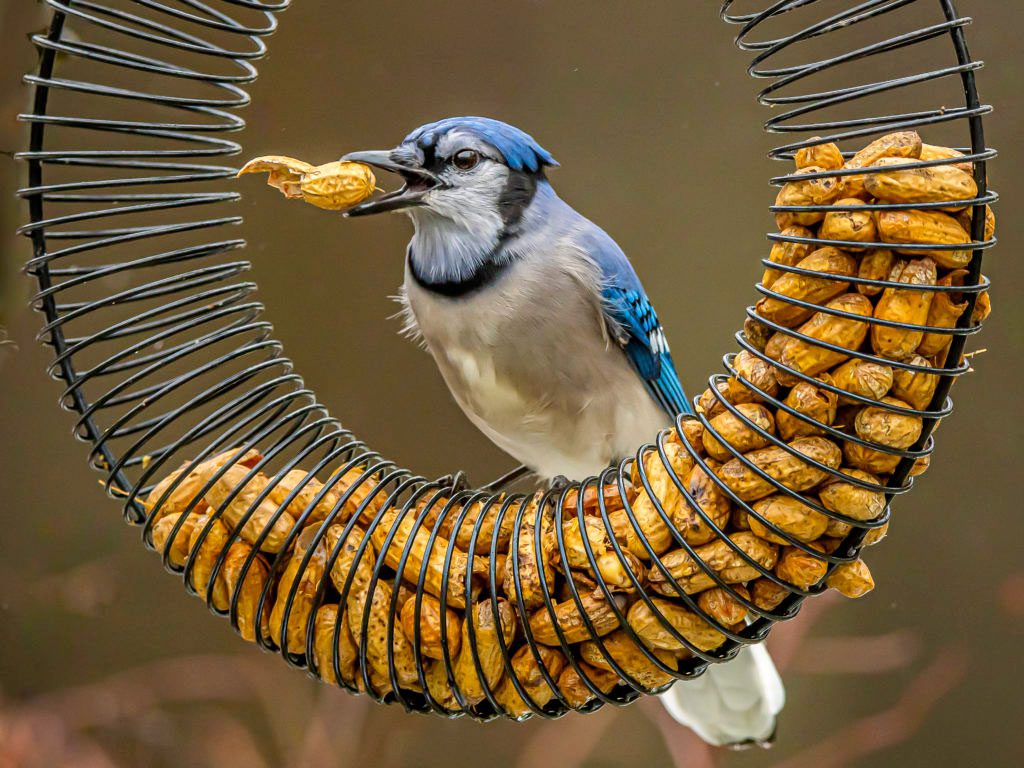
Many bird species call forests home. The woodpecker is a common sight, known for pecking tree trunks. Warblers flit among branches, hunting insects. Owls use tree hollows for nesting and roosting. Jays and thrushes search the forest floor for seeds and berries. Each species adapts uniquely to this lush environment.
Grassland Birds
Birds that thrive in grasslands are known as grassland birds. These birds are adapted to open, grassy areas, where they find food and shelter. Grasslands provide a unique environment, different from forests or wetlands. Many species of birds choose grasslands over other habitats. Their survival depends on the features of grasslands. The adaptations of grassland birds make them experts in living in these areas.
Grassland Habitat Features
Grasslands are open areas with few trees. They have tall grasses and shrubs. The climate is often dry, with little rain. Sunlight is abundant, providing warmth. The soil is fertile, perfect for plants. Grasslands cover vast lands, creating wide, open spaces. These features attract birds that prefer open environments. Grassland birds find plenty of food in these areas. Insects and seeds are abundant.
Adaptations Of Grassland Birds
Grassland birds have special adaptations. They have long legs for walking through tall grass. Their colors blend with the surroundings, providing camouflage. They have strong wings for flying over open spaces. Some birds nest on the ground, hidden among grasses. Others build nests in low bushes. Grassland birds are alert. They have keen senses to detect predators. Their songs are loud, echoing across the plains.
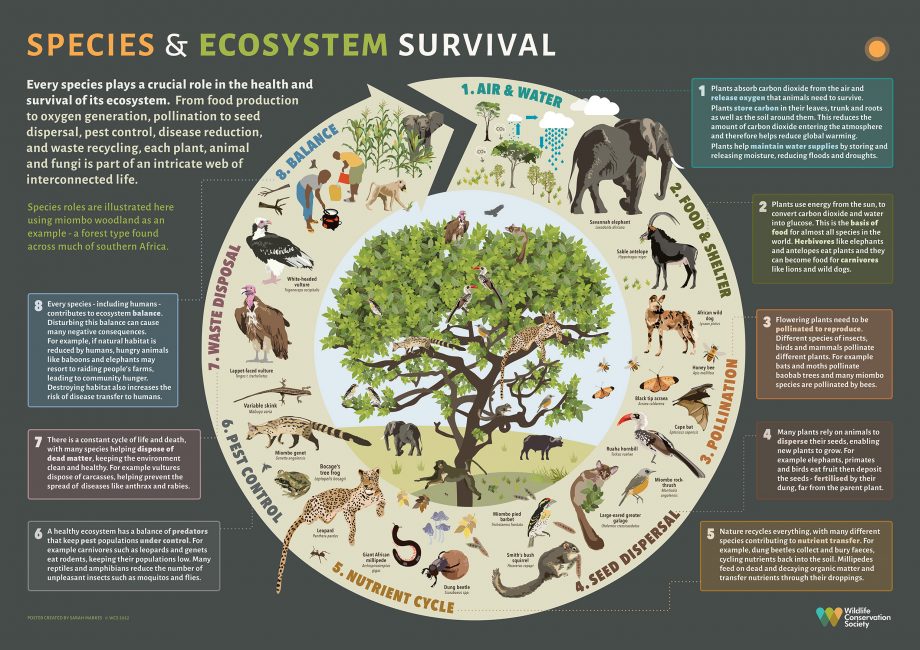
Credit: blog.wcs.org
Wetland Birds
Wetland birds are a fascinating group of species. They thrive in diverse environments. These birds have unique adaptations. They are perfectly suited to life in wetlands. Wetlands provide food, shelter, and breeding grounds. Birds in these habitats show incredible diversity. They contribute significantly to the ecosystem's health.
Types Of Wetland Environments
Wetlands come in various forms, each offering unique characteristics. Marshes are grassy areas with standing water. Swamps have trees and shrubs. Bogs are acidic, with peat and moss. Fens have neutral water and diverse plant life. Each type supports different bird species. Each environment offers specific resources and protection.
Common Wetland Bird Species
Ducks are one of the most recognizable wetland birds. They often inhabit marshes and swamps. Herons are another common sight. They prefer shallow waters for hunting fish. Egrets, similar to herons, are elegant and white. They thrive in both marshes and swamps. Rails are small, elusive birds found in dense marshes. Bitterns are secretive and blend into reed beds. These species highlight the diversity of wetland birds.
Urban Bird Species
Urban areas are not just for humans. Birds have adapted to city life too. Some bird species thrive in urban environments. These birds find food, shelter, and opportunities in cities. Their presence is a testament to adaptation and resilience.
Adaptation To Urban Settings
Urban birds adapt to noise and crowds. They learn to find food in trash bins and parks. Buildings become their nesting sites. Traffic and pollution don't deter them. Their survival skills are remarkable.
Some species change their feeding habits. They eat scraps and insects found in cities. Others learn to avoid predators. Urban life demands smart choices and quick learning. Birds in cities evolve rapidly to survive.
Examples Of Urban Birds
Pigeons are the most common urban birds. They are everywhere, from streets to rooftops. House sparrows also thrive in cities. They nest in buildings and feed on crumbs.
Crows are intelligent urban dwellers. They solve problems and find food creatively. Starlings are often seen in urban parks. Their adaptability to city life is impressive.
Seagulls are frequent visitors to coastal cities. They scavenge for food along the waterfronts. Each of these birds has unique survival strategies. They make urban areas their homes.
Credit: www.allaboutbirds.org
Factors Influencing Habitat Selection
Birds are fascinating creatures, each species having unique preferences that influence where they live. Habitat selection isn't random; it's guided by various factors that ensure survival and comfort. Have you ever wondered why some birds thrive in bustling cities while others prefer serene forests? Understanding these factors can deepen your appreciation for birdwatching and conservation efforts.
Food Availability
Birds need food to survive, and the availability of food is a major factor in habitat selection. Some birds are drawn to areas abundant with their preferred diet, like seeds, insects, or nectar. Imagine a hummingbird choosing a garden filled with blooming flowers over a barren field. The abundance of food not only fuels their daily activities but also supports their breeding and growth.
Predation Pressure
Safety is a priority for birds, just like it is for you. High predation pressure can make birds wary of certain habitats. If a location has many predators, birds might avoid it, even if the food is plentiful. This is why some birds opt for dense forests where they can hide from predators. A quiet, sheltered area gives them a better chance to escape and protect their young.
Climate And Weather Conditions
Weather plays a crucial role in where birds choose to live. Climate affects food availability and safety, influencing their habitat preferences. Birds adapted to cold climates might struggle in warm areas, and vice versa. Consider how migratory birds travel vast distances to escape harsh winters, seeking milder climates with adequate resources. How does the weather in your area influence the birds you see?
Understanding these factors can transform your birdwatching experience, offering insights into why birds are drawn to certain areas. Next time you observe birds, think about what might be influencing their choice of habitat. Could it be the food, safety, or the climate? Your observations could contribute to conservation strategies that help protect these remarkable creatures.
Impact Of Habitat Loss
Birds thrive in specific environments tailored to their needs. Habitat loss disrupts these environments, causing strain on bird populations. Urban expansion, deforestation, and climate change drive these losses. As habitats vanish, birds face challenges in finding food and shelter. Their survival becomes threatened, leading to population declines and shifts in migration patterns. This issue highlights the urgent need for conservation efforts.
Effects On Bird Populations
Habitat loss reduces available nesting sites for birds. Many species struggle to reproduce in unsuitable environments. Their population numbers drop rapidly. Some birds abandon traditional nesting grounds entirely. This leads to overcrowding in remaining habitats. Competition for resources becomes fierce. Migratory birds face disrupted patterns. They struggle to find resting spots during long journeys. Ultimately, this affects their breeding success and longevity.
Conservation Efforts
Conservationists work tirelessly to protect bird habitats. They establish protected areas to safeguard critical regions. Reforestation projects offer new habitats for displaced birds. Education programs raise awareness about habitat preservation. Community involvement plays a crucial role in these efforts. Everyone can contribute to making a difference. Governments implement policies to limit land development. They ensure sustainable practices in agriculture and forestry. These actions aim to preserve bird species for future generations.
Role Of Migratory Patterns
Some bird species show clear habitat preferences during migration. For instance, they may favor wetlands over forests. These choices are often driven by food availability and safety needs. Understanding these patterns helps in conservation efforts.
Understanding the role of migratory patterns is key to answering whether certain bird species prefer one habitat over another. Birds are fascinating creatures that travel thousands of miles across continents. Their migratory journeys are not just about escaping harsh climates but about finding the perfect habitat to feed, breed, and thrive.
Seasonal Habitat Changes
As the seasons change, so do the habitats that birds seek out. During spring and summer, many birds head to northern regions where food is abundant, and breeding conditions are ideal. Come autumn, these same birds migrate to warmer climates to avoid the harsh winter conditions. Migratory birds adapt to different habitats based on the resources available. For instance, the Arctic Tern travels from the Arctic to the Antarctic, experiencing endless summer. This journey ensures they have access to food year-round. Have you ever noticed how certain birds disappear from your backyard as the seasons change? This is a perfect example of how migratory patterns influence habitat preference.
Challenges For Migratory Birds
Migratory birds face numerous challenges during their journeys. Habitat destruction is a significant concern. As urban areas expand, birds lose essential resting and feeding grounds, forcing them to travel longer distances without breaks. Weather changes also pose a threat. Unpredictable storms can lead to exhaustion or even death. Birds rely on specific wind patterns to aid their long journeys, and disruption can derail their migration. How can we help these migratory birds? Creating bird-friendly environments in our backyards can provide much-needed rest stops. Plant native species, maintain water sources, and reduce pesticide use to offer a safe haven. Migratory patterns play a crucial role in the habitat preferences of birds. By understanding these patterns, you can better appreciate the incredible journeys these birds undertake and the challenges they overcome.
Research And Observations
Certain bird species show clear preferences for specific habitats. Observations reveal choices between forests, grasslands, and wetlands. Understanding these preferences helps in conservation efforts and habitat protection.
Understanding the connection between bird species and their preferred habitats is a fascinating field. The patterns of where birds choose to live can reveal much about their survival strategies and ecological roles. Whether you're a bird enthusiast or a curious nature observer, the research and observations in this area provide valuable insights.
Methods Of Studying Bird Habitats
Researchers use various methods to study bird habitats. Field observations are a primary tool, allowing scientists to watch birds in their natural environments and note their behaviors. Advanced techniques like GPS tracking give detailed data on migratory paths and habitat preferences. Bird banding, where birds are tagged with small rings, helps track their movements over time. This method offers insights into seasonal habitat changes. Citizen science projects also play a role, with volunteers gathering data on bird sightings and behaviors in their areas.
Recent Findings
Recent studies have uncovered intriguing patterns in bird habitat preferences. For example, certain species thrive only in old-growth forests, relying on the dense canopy and diverse plant life. Others are more adaptable, occupying urban parks or suburban gardens with ease. Research has shown some birds are sensitive to habitat changes, while others adjust to new environments. These findings challenge us to think about the impact of human activities on bird populations. Have you ever wondered how urban development affects your local bird species? Observations suggest birds play a crucial role in maintaining the balance of their ecosystems. They help with seed dispersal and pest control, making their habitat choices vital for the environment's health. What can you do to support the habitats of the birds in your area?
Frequently Asked Questions
Do Certain Birds Have Habitat Preferences?
Yes, some bird species show strong habitat preferences. Factors like food availability, nesting sites, and climate influence these choices. Birds often select habitats that best meet their survival needs.
Why Do Birds Choose Specific Habitats?
Birds choose habitats based on food, shelter, and breeding conditions. Some species need specific environments for nesting and feeding. Habitat selection is crucial for their survival and reproduction.
How Does Habitat Affect Bird Populations?
Habitat quality directly impacts bird populations. Suitable habitats support healthy populations by providing essential resources. Poor habitats can lead to decline due to lack of food and shelter.
Can Habitat Changes Impact Bird Species?
Yes, habitat changes can significantly affect bird species. Deforestation, urbanization, and climate change can alter habitats. These changes can lead to displacement or decline of bird populations.
Conclusion
Birds show clear preferences for their habitats. Certain species thrive in forests. Others find comfort in wetlands. This choice affects their survival and behavior. Understanding these preferences helps in conservation. It aids in creating suitable environments. This knowledge benefits both birds and ecosystems.
Enthusiasts and researchers can gain valuable insights. Observing these patterns enhances our appreciation. Next time you see a bird, think about its habitat choice. It tells a fascinating story.