


Are you a chicken owner curious about whether bird seed is a good option for your flock? You’re not alone.
Many poultry keepers wonder if the bird seed they have lying around could be a nutritious addition to their chickens’ diet. After all, bird seed is packed with grains and seeds, which seem like a natural fit for our feathered friends.
But before you sprinkle some in the coop, it's crucial to understand what bird seed offers—or doesn't offer—your chickens. We'll explore the benefits and drawbacks of feeding bird seed to chickens, helping you make informed decisions for your flock's health and happiness. So, let's dive in to discover if bird seed is a treat or a trick for your chickens. Your chickens are counting on you to get this right!
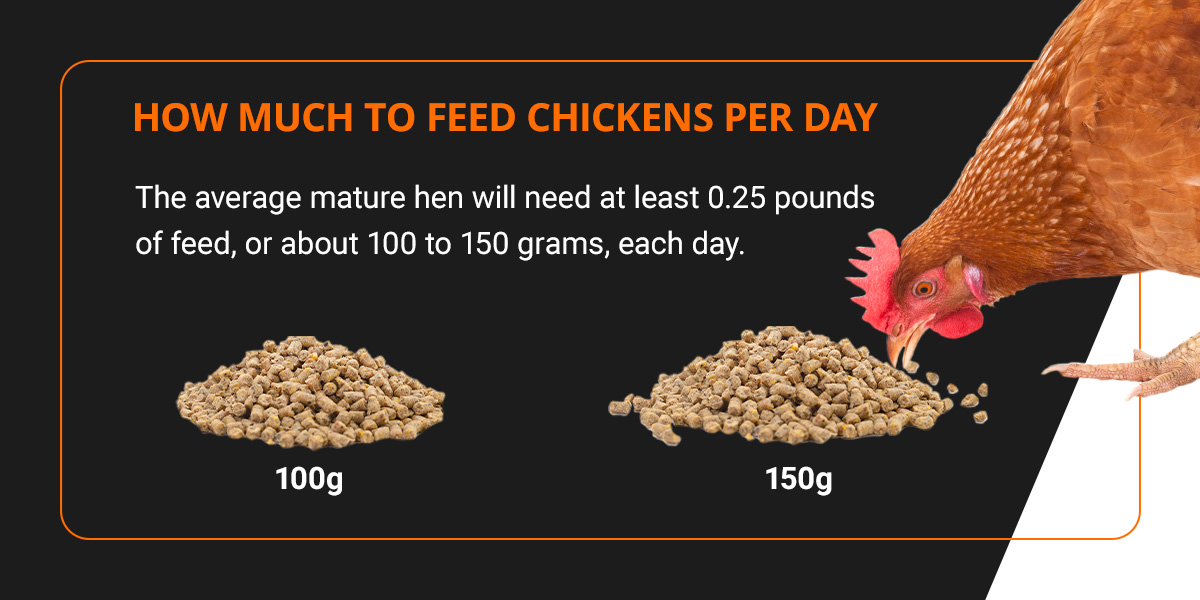
Credit: organicfeeds.com
Chickens' Dietary Needs
Understanding chickens' dietary needs is crucial for their health and productivity. Chickens require a balanced diet to lay eggs efficiently and maintain strong immune systems. While bird seed can be part of their diet, it's essential to know what else they need to thrive.
Balanced Diet Importance
Chickens need a mix of proteins, vitamins, and minerals. They thrive on grains, greens, and insects. Bird seed can provide some nutrients, but it's not enough on its own.
Imagine feeding your chickens just bird seed. They might miss out on essential proteins and minerals. This could lead to fewer eggs and weaker birds.
A friend once tried feeding only bird seed, hoping it would simplify her feeding routine. Soon, she noticed her chickens weren't laying as many eggs. After adding variety, she saw improvements.
Protein Requirements
Protein is vital for growth and egg production. Chickens need around 16% protein in their diet. Bird seed often lacks this level.
Adding sources like mealworms or kitchen scraps can boost protein intake. Consider mixing bird seed with layers' feed to ensure your chickens get enough protein.
Have you ever wondered why some chickens lay more eggs than others? It often boils down to their protein intake.
Vitamins And Minerals
Vitamins like A, D, and E are essential for chickens' health. Minerals such as calcium are crucial for strong eggshells. Bird seed alone may fall short in providing these nutrients.
Incorporate oyster shells or grit into their diet for better mineral intake. This helps in achieving those robust eggs you desire.
Think about it: Would you rely solely on one type of food for complete nutrition? Your chickens shouldn't either.
Variety Is Key
Diverse diets help chickens stay healthy and happy. Mix bird seed with layers' pellets and fresh greens. This combination offers a more complete nutritional profile.
Encourage free-ranging if possible, as it allows chickens to consume insects and plants. This natural foraging can be a great way to meet dietary needs.
Have you tried mixing up your chickens' feed lately? You might notice a change in their energy levels and egg production.
Practical Feeding Tips
- Use bird seed as a treat, not a staple.
- Balance bird seed with layers' pellets for complete nutrition.
- Monitor egg production to gauge dietary effectiveness.
Ask yourself: Are your chickens getting a balanced diet? Adjust as needed to ensure they thrive.

Credit: www.facebook.com
Types Of Bird Seed
Chickens can eat bird seed, but it's not their main diet. Seeds offer variety, but chickens need balanced feed. Mixing seeds with regular chicken feed can provide extra nutrients.
Thinking about feeding your chickens bird seed? It's a tempting option, especially if you already have some lying around for the wild birds. But before you toss it into the coop, it's important to understand the types of bird seed available and what they mean for your flock. Not all seeds are created equal, and what works for sparrows and finches might not be ideal for your chickens. Let's break it down to help you make an informed choice.
Common Ingredients
Bird seed mixes often contain a variety of seeds tailored for wild birds. These can include sunflower seeds, millet, cracked corn, and safflower seeds. Some mixes might also contain oats, barley, and peanuts. Each ingredient offers different benefits. Sunflower seeds, for example, are high in fat, providing energy. Millet is small and easy to eat, while cracked corn is a popular, cost-effective filler. Have you noticed how your chickens peck more eagerly at certain seeds than others? Their preferences can give you clues about what they find most nutritious or tasty.
Nutritional Content
Understanding the nutritional content of bird seed is crucial. Chickens need a balanced diet rich in protein, vitamins, and minerals for optimal health. Bird seeds, however, can be low in protein and high in fat, which might not meet your chickens' dietary needs. For example, sunflower seeds are high in fat and can lead to overweight chickens if fed in large quantities. On the other hand, cracked corn is low in protein and lacks essential nutrients. Before adding bird seed to your chickens' diet, consider how it fits into their overall nutritional plan. Would adding bird seed enhance their diet or just be an occasional treat? It's essential to strike the right balance to ensure your chickens stay healthy and happy. Always ask yourself if the nutritional content aligns with what your chickens need daily.
Pros Of Feeding Bird Seed To Chickens
Feeding chickens bird seed can enhance their diet with extra nutrients. It offers variety, encouraging healthy eating habits. Chickens enjoy the diverse textures and flavors, which can improve their overall well-being.
Pros of Feeding Bird Seed to Chickens Feeding bird seed to chickens can be an interesting option for those looking to enhance their flock's diet. While many chicken owners stick to the usual feed, introducing bird seed can offer several benefits. Let's delve into why you might consider adding this to your chickens' menu.
Nutritional Benefits
Bird seed can provide a variety of nutrients that are beneficial to chickens. Seeds like sunflower, millet, and safflower are packed with essential fatty acids, vitamins, and minerals. These nutrients can contribute to healthier feathers and improved egg production. You may notice your hens laying eggs with stronger shells and richer yolks when their diet is enhanced with these seeds. Moreover, bird seed often contains grains like oats and barley, which are excellent sources of fiber. This can aid in digestion, keeping your chickens healthy and active.
Variety In Diet
A monotonous diet can lead to boredom and a lack of interest in food. By adding bird seed, you introduce new textures and flavors, which can stimulate your chickens' curiosity and appetite. Imagine your chickens pecking enthusiastically at a mix of colorful seeds. This variety can keep them engaged and more satisfied. Experimenting with different types of bird seed can also help you discover what your chickens prefer. It’s a fun way to interact with your flock and observe their individual tastes and preferences. Think about this: Would you enjoy eating the same meal every day? Your chickens might appreciate the change just as much as you would. The pros of feeding bird seed to chickens are clear. Why not try it and see how your flock responds?
Cons Of Feeding Bird Seed To Chickens
Feeding bird seed to chickens might lead to nutritional imbalances. Chickens require a specific diet for optimal health. Overreliance on bird seed could result in deficiencies, affecting their egg production and overall well-being.
Feeding chickens bird seed might seem like a cost-effective and convenient option, especially if you already have some on hand for your backyard birds. However, there are several cons to consider before making it a staple in your chickens’ diet. While chickens might gobble up bird seed eagerly, it could lead to nutritional imbalances and potential health risks that can affect their overall wellbeing and productivity.
Nutritional Imbalance
Bird seed is primarily designed for wild birds, not chickens. It lacks essential nutrients that chickens need to thrive. Chickens require a balanced diet rich in proteins, vitamins, and minerals to produce healthy eggs and maintain robust health. Feeding them only bird seed can lead to deficiencies in crucial nutrients like calcium, which is vital for strong eggshells. You might notice weaker shells or a drop in egg production if your chickens aren't getting enough of the right nutrients. Consider how a human diet would suffer if reliant solely on snacks. Chickens need a varied diet to ensure they get everything they need for optimal health.
Potential Health Risks
Bird seed can pose health risks due to its high-fat content. Chickens can gain weight rapidly if they're consuming too many fatty seeds, leading to obesity and related health issues. Obesity in chickens can cause them to be less active, putting them at risk for heart disease and other ailments. Have you ever noticed how sluggish a chicken becomes when it’s overweight? It’s not a pretty sight, and it affects their quality of life. Bird seed might also contain additives or preservatives that aren't suitable for chickens. These can lead to digestive problems or even toxicity if ingested in large amounts. If you're considering bird seed as a treat, think about the potential long-term effects on your flock. Would you be willing to risk their health for a temporary solution?
Alternatives To Bird Seed
Chickens enjoy a varied diet beyond standard bird seed. Fresh fruits, vegetables, and grains offer great alternatives. These foods provide essential nutrients and keep your flock healthy and happy.
Feeding chickens bird seed might seem like a convenient option, but it’s not always the best choice for their health. Bird seed lacks the complete nutrients chickens need to thrive. If you want your chickens to lay eggs regularly and grow strong, considering alternatives is wise. Chickens need a balanced diet for optimal health. While bird seed can be a treat, it shouldn’t be their main meal. Luckily, there are excellent alternatives that can meet their dietary needs.
Commercial Chicken Feed
Commercial chicken feed is a reliable choice. Designed specifically for chickens, it provides a balanced mix of grains, vitamins, and minerals. This ensures your flock gets all the essential nutrients they need. You can find different types of commercial feed based on the age and purpose of your chickens. Laying hens, for instance, need feed high in calcium. Look for feeds labeled as "layer feed" for egg production. When I first started raising chickens, I quickly learned that a good commercial feed made a noticeable difference in egg quality and shell strength. Have you noticed any changes in your chickens’ egg production lately? It might be time to try a new feed.
Homemade Feed Options
If you prefer a more hands-on approach, homemade feed options can be rewarding. Creating your own feed allows you to control exactly what goes into your chickens' diet. A mix of grains like corn, wheat, and barley can form the base of your homemade feed. You can also add protein sources like fish meal or soybean meal. Don’t forget to include a calcium supplement like crushed oyster shells, especially if your chickens are laying eggs. This helps them develop strong eggshells. Making feed at home gives you the flexibility to adjust the ingredients based on seasonal availability or specific needs of your flock. Have you ever tried making your own chicken feed? It can be a learning experience worth exploring. By choosing the right feed for your chickens, you not only support their health but also improve their productivity. Your chickens deserve the best, and with a bit of attention to their diet, they can thrive and reward you with fresh eggs and happy clucks.
Tips For Feeding Chickens Safely
Feeding chickens safely is crucial for their health and productivity. Many chicken owners wonder about feeding bird seed to their flock. While bird seed can be a tasty treat, proper feeding practices are vital. Chickens need balanced nutrition to thrive. Let's explore some essential tips for feeding chickens safely.
Portion Control
Chickens can overeat if given too much bird seed. Keep portions small to prevent obesity. Measure the bird seed before serving. A handful per chicken is often enough. This helps maintain their weight and health. Overfeeding can lead to health issues.
Supplementing With Other Foods
Bird seed should not be the only food source. Chickens need a balanced diet. Include fruits and vegetables in their meals. Provide grains and protein sources too. This ensures they get all necessary nutrients. A varied diet boosts their immune system.
Common Myths And Misconceptions
Chickens enjoy bird seed, yet misconceptions arise. Some worry it lacks nutrients necessary for healthy growth. Mixing bird seed with chicken feed ensures balanced nutrition, dispelling myths about insufficient diet variety.
Feeding chickens can be a delightful task, yet it's fraught with myths and misconceptions. You might have heard varied opinions about using bird seed as chicken feed. Some swear by it, while others dismiss it entirely. Understanding the truth behind these myths can help you make informed choices for your flock.
Myth: Bird Seed Is Harmful To Chickens
Many believe bird seed is detrimental to chickens' health. The idea is rooted in concerns over nutritional imbalance. Unlike formulated chicken feed, bird seed might lack essential nutrients like calcium and protein. However, offering bird seed as a treat or supplement can be perfectly fine. Balance is key. Think of it as a snack rather than a meal.
Myth: Chickens Will Only Eat Bird Seed
You might worry that if you give your chickens bird seed, they'll refuse other food. Chickens are curious creatures and will peck at a variety of foods. When I introduced bird seed to my flock, they enjoyed it but didn't neglect their regular feed. Mixing up their diet keeps them happy and healthy. Have you ever tried mixing bird seed with other grains for variety?
Misconception: Bird Seed Is Expensive
Another common belief is that bird seed is too costly. While high-quality seeds can be pricey, there are affordable options available. Buying in bulk can reduce costs significantly. Consider teaming up with fellow chicken owners to split larger purchases. Smart shopping can make bird seed a cost-effective addition to your chickens' diet.
Misconception: Bird Seed Attracts Pests
Some chicken owners worry about attracting pests like rodents if they use bird seed. It's true that improper storage can lead to pest problems. However, storing bird seed in sealed containers can prevent this issue. Keeping your coop clean and tidy minimizes pest risks. Do you have strategies for pest prevention in your chicken coop?
Myth: Chickens Can't Digest Bird Seed
There's a myth that chickens can't digest bird seed properly. Chickens have powerful gizzards that grind seeds efficiently. Providing grit ensures they can digest seeds like sunflower or millet. Offering bird seed occasionally won't harm them. Understanding your chickens' digestion can help you make better feeding choices. Have you noticed how quickly chickens adapt to different foods? By debunking these myths and misconceptions, you can confidently decide if bird seed fits into your chickens' feeding routine. Remember, moderation and variety are crucial for a healthy flock. What are your thoughts on incorporating new foods into your chickens' diet?

Credit: www.amazon.com
Frequently Asked Questions
Is Bird Seed Safe For Chickens?
Bird seed is generally safe for chickens in moderation. It lacks essential nutrients needed for their optimal health. Use it as a treat rather than a staple diet. Always ensure chickens have access to a balanced poultry feed to meet their nutritional needs.
Can Chickens Eat Sunflower Seeds?
Yes, chickens can eat sunflower seeds. They are a healthy treat and provide protein and fats. However, they should be given in moderation to avoid imbalance in their diet. Always ensure they have access to a balanced feed.
How Often Should Chickens Eat Bird Seed?
Chickens should eat bird seed only occasionally. Use it as a treat, not a primary food source. Overfeeding bird seed can lead to nutritional imbalances. Ensure your chickens primarily consume a balanced poultry feed for optimal health.
What Are The Benefits Of Feeding Bird Seed?
Bird seed can provide variety and enrichment for chickens. Seeds like sunflower and millet offer protein and fats. However, it should not replace a balanced diet. Offering it in moderation can keep chickens engaged and add variety to their diet.
Conclusion
Feeding chickens bird seed can be an option. It provides variety and nutrients. But it's not enough alone. Chickens need balanced nutrition to stay healthy. Mix bird seed with chicken feed. Include grains, proteins, and greens. Watch for allergies or reactions.
Every chicken is different. Observe their health and energy. Adjust the diet as needed. Consult a vet for expert advice. Healthy chickens lay more eggs. Happy chickens are productive chickens. Choose wisely for their best health.