


Have you ever looked at your chirping companion and wondered if you could catch something from them? Your pet bird brings joy, color, and life to your home, but can they also bring illness?
It's a question many bird owners ponder, and the answer might surprise you. Understanding the risks and knowing how to protect yourself and your feathered friend is crucial. Dive into this article to discover the truth about bird-related illnesses, clear up misconceptions, and ensure that your bond with your pet remains as healthy as it is heartwarming.
Could your beloved bird be hiding more than just a beautiful song? Keep reading to find out!
Common Diseases From Pet Birds
Pet birds can sometimes carry diseases that affect humans. Psittacosis and salmonella are common ailments transmitted through contact. Regular cleaning and vet visits help prevent these infections.
Having a pet bird can bring joy and companionship into your life. However, like any pet, birds can sometimes carry diseases that might affect you. Understanding these common diseases will help you keep yourself and your feathered friend healthy.
Psittacosis
Psittacosis, often known as "parrot fever," is a bacterial disease that birds can pass to humans. It's usually transmitted through inhalation of dried bird droppings or secretions. Symptoms in humans can include fever, chills, and respiratory issues. If your bird seems sick or you notice any unusual symptoms, consult a vet. They can conduct tests to diagnose and treat your pet. Regular cleaning of your bird's cage and ensuring proper ventilation can reduce the risk.
Avian Tuberculosis
Avian Tuberculosis is less common but can be serious. This bacterial infection can spread from birds to humans, typically through inhalation or direct contact with infected birds. Symptoms in humans might include persistent cough and weight loss. It's crucial to maintain good hygiene when handling your bird. Wash your hands thoroughly and frequently, especially after cleaning the cage or touching your pet.
Allergic Alveolitis
Allergic Alveolitis, also known as "bird fancier’s lung," results from breathing in dust from bird feathers or droppings. This condition can cause coughing, fever, and even breathing difficulties. If you find yourself having respiratory problems, consider whether your bird's environment might be the cause. Use air purifiers and clean the cage regularly to minimize dust and allergens. Are you aware of any allergies you might have? Consulting with a healthcare professional can provide more clarity and solutions. Keeping your pet bird healthy and your living space clean is essential. Have you ever encountered any of these issues with your pet bird? Sharing your experiences can help others understand these conditions better.

Credit: birdsupplies.com
Transmission Methods
Pet birds can sometimes carry diseases that humans might catch. Germs spread through droppings, feathers, or close contact. Handling birds with care and maintaining good hygiene can reduce the risk of illness.
Understanding how diseases can be transmitted between pet birds and humans is crucial for maintaining both your health and your pet’s well-being. Birds, like any other pets, can carry bacteria, viruses, and fungi that may pose health risks to you. Being aware of how these germs spread can help you take preventive measures. Let’s explore some common transmission methods that can help you stay safe while enjoying the company of your feathered friend.
Airborne Particles
Birds shed particles into the air through feathers, droppings, and even saliva. These airborne particles can carry pathogens that you might inhale. If your bird is infected, you could breathe in these particles and potentially get sick. Think about the time you spent cleaning your bird's cage. Did you notice dust floating in the air? That dust could be a carrier of germs. Ventilate the room well and wear a mask to reduce your exposure.
Direct Contact
Handling your bird or its droppings without washing your hands afterward can lead to transmission. Birds can carry bacteria like Salmonella and Chlamydia psittaci, which can cause Psittacosis in humans. Imagine cuddling your bird and then reaching for a snack without washing your hands. It’s easy to overlook, but germs can transfer swiftly. Always wash your hands thoroughly after interacting with your pet.
Contaminated Surfaces
Birds often leave droppings and dander on their cages, perches, and toys. These surfaces can become breeding grounds for bacteria and viruses. Have you ever thought about how often you clean these surfaces? Regular cleaning with bird-safe disinfectants can prevent the spread of germs. Make it a habit to wipe down surfaces and toys frequently to keep your environment healthy. Are you taking the right steps to protect yourself and your bird? Knowing these transmission methods can empower you to create a safer living space. Your health and your bird’s happiness go hand in hand.
Symptoms In Humans
Pet birds can sometimes carry germs that lead to illness in humans. Symptoms may include fever, cough, or upset stomach. Regular cleaning and proper hygiene can help prevent infection.
When sharing your home with a pet bird, it's essential to be aware of the potential health risks. Although birds can be delightful companions, they sometimes carry diseases that can affect humans. Understanding the symptoms in humans can help you take timely action to protect your health and enjoy your feathered friend's company safely.
Respiratory Issues
Pet birds can sometimes spread airborne diseases that affect your respiratory system. If you've noticed persistent coughing, sneezing, or difficulty breathing after spending time near your bird, it's important to consider this possibility. Just like a friend of mine, who found herself constantly battling a stubborn cough after adopting a parrot. A visit to the doctor revealed it was related to her feathered friend. Have you experienced similar symptoms?
Fever And Fatigue
Another common symptom to watch for is fever coupled with fatigue. You might find yourself unusually tired or battling a low-grade fever after interacting with your bird. This could be a sign of an infection passed from your pet. A neighbor once mentioned feeling constantly worn out and feverish, only to discover it was due to a disease transmitted by her bird. It's a reminder that if you're feeling off, your pet might be the unexpected source.
Skin Reactions
Birds can also cause skin reactions in humans. Itching, redness, or rashes might develop due to allergens or bacteria carried by your pet. Have you noticed any unusual skin issues after handling your bird? A colleague shared how she developed a mysterious rash, which was traced back to her feathered companion. It opened her eyes to the importance of monitoring skin health when living with birds. Being proactive about these symptoms can help you maintain a healthy relationship with your pet bird. If you notice any of the symptoms mentioned, consulting a healthcare professional is a wise step. You want the joy of bird companionship without compromising your well-being, right?

Credit: birdsupplies.com
Preventative Measures
Having a pet bird can be a delightful experience, but it also comes with responsibilities. Birds can sometimes transmit diseases to humans, making it essential to take preventative measures to ensure your health and theirs. By focusing on proper hygiene, regular vet check-ups, and safe handling practices, you can minimize risks and enjoy a happy, healthy relationship with your feathered friend.
Proper Hygiene
Start with the basics. Wash your hands thoroughly after handling your bird or cleaning its cage. Use soap and warm water to eliminate any potential germs. It's simple but effective.
Consider creating a cleaning schedule. Clean your bird’s cage regularly to prevent the buildup of droppings and feathers. This reduces the risk of airborne diseases.
Think about your surroundings. Keep your bird's living area separate from your eating space. This helps prevent cross-contamination and keeps your home safe.
Regular Vet Check-ups
Schedule routine vet visits. Regular check-ups ensure your bird is healthy and not carrying any hidden illnesses. A vet can spot symptoms you might miss.
How often should you go? Typically, an annual visit is recommended, but consult your vet for a personalized schedule based on your bird's species and age.
Don't wait for signs of illness. Early detection can prevent more serious health issues for both you and your bird. Be proactive with vet care.
Safe Handling Practices
Handle with care. Always approach your bird calmly and confidently. Birds can be sensitive to sudden movements, which can stress them out.
Use protective gear if needed. Gloves can offer an extra layer of protection, especially if your bird is prone to nipping or scratching.
Teach your family safe handling methods. Ensure everyone knows how to interact with your bird properly. This reduces the risk of accidental bites or scratches.
As a bird owner, you play a crucial role in both your pet's health and your own. By implementing these preventative measures, you can create a safe and loving environment for you and your feathered companion. Have you checked if your current practices are keeping both of you safe?
When To Seek Medical Attention
Birds can carry diseases that affect humans. If you notice unusual symptoms like persistent coughing or fever after contact, consider medical advice. Protecting your health is important, especially when pet birds are involved.
When you share your home with a pet bird, it's important to know when their presence might affect your health. While birds are delightful companions, they can sometimes carry diseases that might make you feel unwell. Knowing when to seek medical attention can make all the difference. Whether it's a lingering cough or an unexpected rash, understanding the signs that warrant professional help is crucial for your well-being.
Persistent Symptoms
If you experience symptoms like a cough, fever, or fatigue that just won't go away, it's time to pay attention. These could be signs of psittacosis, a disease transmitted by birds. My neighbor once ignored a persistent cough, thinking it was just a cold. A doctor's visit revealed it was indeed bird-related. Don't let minor symptoms linger and escalate. Frequent headaches or muscle pain can also be a red flag. Do they persist despite over-the-counter medication? If yes, consider discussing your symptoms with a healthcare provider. It's better to be safe than sorry.
Severe Reactions
Severe reactions such as difficulty breathing, chest pain, or a high fever require immediate attention. These symptoms can escalate quickly and may indicate a serious condition like an allergic reaction to bird dander. Imagine waking up unable to breathe properly, a scenario that should prompt an immediate visit to the ER. Your safety is paramount, and professional intervention can prevent complications.
Consulting A Specialist
Regular doctors may not always catch bird-related health issues. If your symptoms persist, consulting an infectious disease specialist can be invaluable. They have the expertise to diagnose less common ailments linked to birds. Consider asking your doctor for a referral to a specialist. It's a proactive step towards ensuring your health isn't compromised by your feathery friend. Have you ever wondered how specialists can pinpoint rare diseases? Their targeted knowledge can be a game-changer in managing your health. By recognizing when to seek medical attention, you can continue to enjoy your pet bird without compromising your health. Stay informed and proactive about your well-being.
Safe Coexistence With Pet Birds
Pet birds bring joy and life into our homes. Their vibrant colors and sweet melodies enrich our lives. Yet, it’s essential to ensure a safe coexistence with our feathered friends. This involves creating a healthy environment and understanding potential risks. Awareness and proactive measures protect both humans and birds. Let's explore key strategies for harmonious living with pet birds.
Creating A Clean Environment
A clean home reduces health risks. Regularly clean bird cages to prevent bacteria buildup. Use mild soap and hot water for effective cleaning. Change cage liners and bedding frequently. Ensure good ventilation around the bird's area. This helps maintain fresh air. Use a vacuum to remove dust and feathers. A tidy environment promotes well-being.
Educating Family Members
Everyone should know basic bird care. Teach family members about hygiene practices. Handwashing after handling birds is crucial. Explain the importance of not disturbing the bird when eating or resting. Inform kids about gentle interaction with birds. Awareness minimizes risks and enhances bird-human relationships. A knowledgeable family supports a safe living space.
Monitoring Bird Health
Regular health checks are vital. Observe your bird for any unusual behavior. Changes in eating habits or energy levels can signal issues. Visit a vet for routine check-ups. Vaccinations and preventive care are essential. A healthy bird is a happy bird. Early detection of health problems prevents complications. Keep a close eye on your bird's wellbeing.
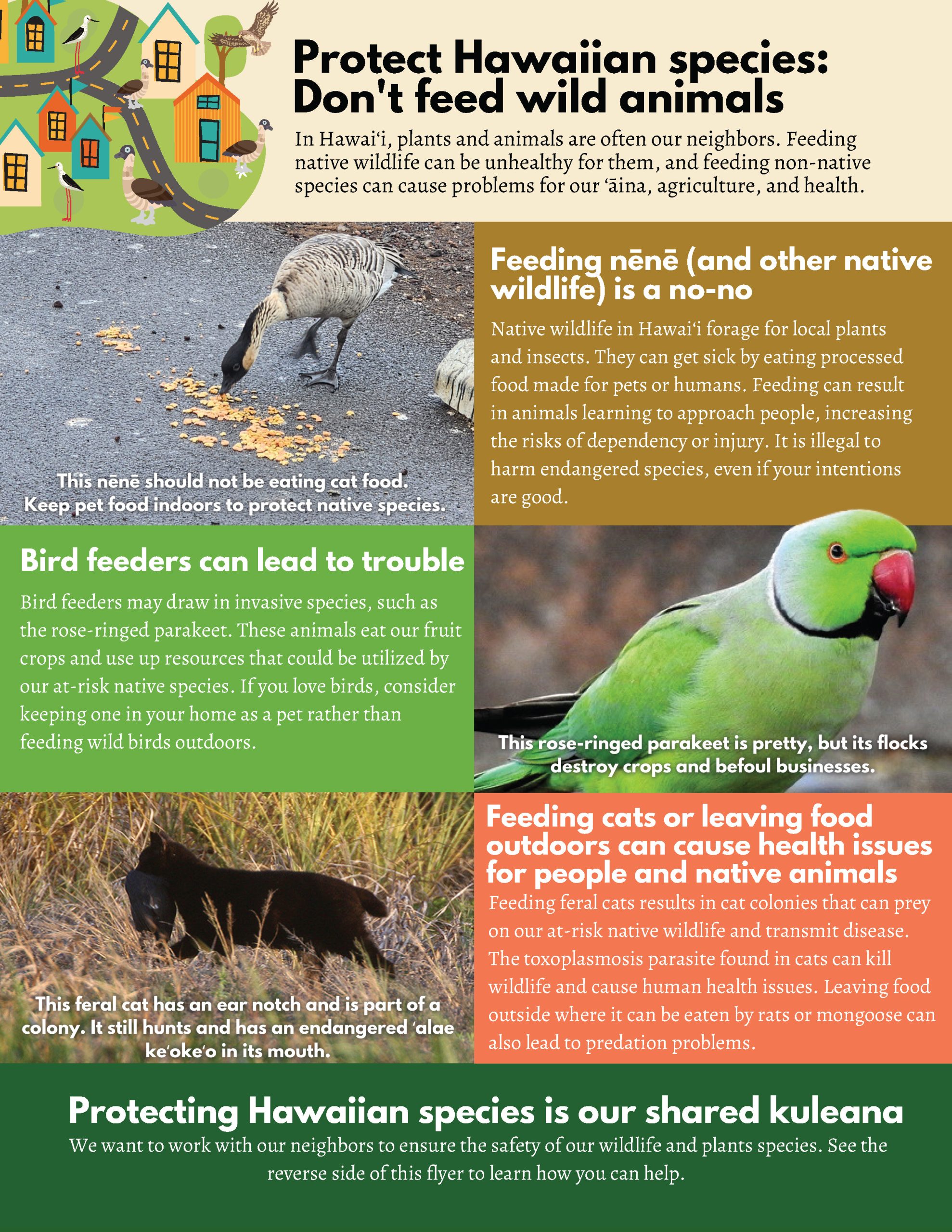
Credit: dlnr.hawaii.gov
Frequently Asked Questions
Can Pet Birds Transmit Diseases To Humans?
Yes, pet birds can transmit diseases like psittacosis, avian tuberculosis, and salmonella to humans. These are zoonotic diseases, meaning they can transfer from animals to humans. It's important to practice good hygiene, such as washing hands after handling birds or cleaning their cages, to minimize the risk.
What Symptoms Indicate Illness From A Pet Bird?
Symptoms of illness from a pet bird include flu-like signs such as fever, chills, and cough. Other symptoms can be fatigue, muscle aches, or respiratory issues. If you experience these symptoms after contact with your bird, consult a healthcare professional for evaluation and treatment.
How Can I Prevent Getting Sick From My Bird?
To prevent illness, maintain good hygiene by washing hands after handling birds or cleaning their cages. Regularly clean and disinfect cages and bird accessories. Ensure your bird has regular veterinary check-ups. Avoid handling birds if you have cuts or open wounds to reduce infection risk.
Are Certain Birds More Likely To Cause Illness?
Yes, some birds like parrots, cockatiels, and budgerigars are more associated with psittacosis. This is due to their potential to carry and transmit the bacteria. However, any bird can potentially carry zoonotic diseases, so it's important to practice proper hygiene with all pet birds.
Conclusion
Caring for a pet bird is rewarding. Yet, it's crucial to stay informed. Birds can carry germs that affect humans. Washing hands after handling them is essential. Clean cages regularly to reduce risks. Watch for any signs of illness in your bird.
Regular vet visits help ensure health. Choose a reputable breeder for your pet bird. This reduces the risk of diseases. With proper care, pet birds are safe companions. Enjoy their company while being mindful of hygiene. Stay healthy and happy with your feathered friend.