


How is Urban Sprawl Affecting Bird Migration
Have you ever wondered how the expansion of cities impacts the natural world around us? Urban sprawl, the spread of urban development into rural areas, is changing the landscape dramatically.
But what does this mean for bird migration? These graceful travelers, often crossing continents in search of food and breeding grounds, are facing new challenges due to our growing cities. As you consider the vibrant symphony of bird songs that greet you each morning, or the mesmerizing sight of flocks soaring across the sky, it's crucial to understand how urban sprawl might be altering these natural patterns.
This article will explore the fascinating ways in which bird migration is being affected, and why it matters to you and your environment. Keep reading to discover how your city life may be intertwined with the journeys of these incredible creatures.
Impact On Natural Habitats
Urban sprawl disrupts bird migration by fragmenting natural habitats. Birds struggle to find suitable resting spots during their long journeys. Loss of green spaces impacts their survival, altering established migratory paths.
Urban sprawl is rapidly changing landscapes worldwide. This growth affects bird migration significantly. Natural habitats are shrinking. Birds face challenges in finding safe places. The change in environment disrupts their migration patterns. Here’s how urban sprawl impacts their habitats.
Loss Of Nesting Areas
Birds need safe places to nest. Urban sprawl reduces these areas. Trees and green spaces make way for buildings. Birds struggle to find suitable nesting sites. Their traditional habitats vanish. This loss affects their breeding success. Fewer nesting areas lead to fewer birds. Species struggle to maintain their populations.
Fragmentation Of Ecosystems
Urban sprawl fragments ecosystems. Roads and buildings divide natural landscapes. Birds find it harder to move freely. This separation affects their migration routes. They face obstacles in reaching feeding grounds. Fragmented ecosystems lead to isolated bird populations. This isolation can reduce genetic diversity. Birds face increased risks of extinction. Urban sprawl changes the natural world. Birds struggle to adapt. Their survival depends on our actions. Protecting natural habitats is crucial.
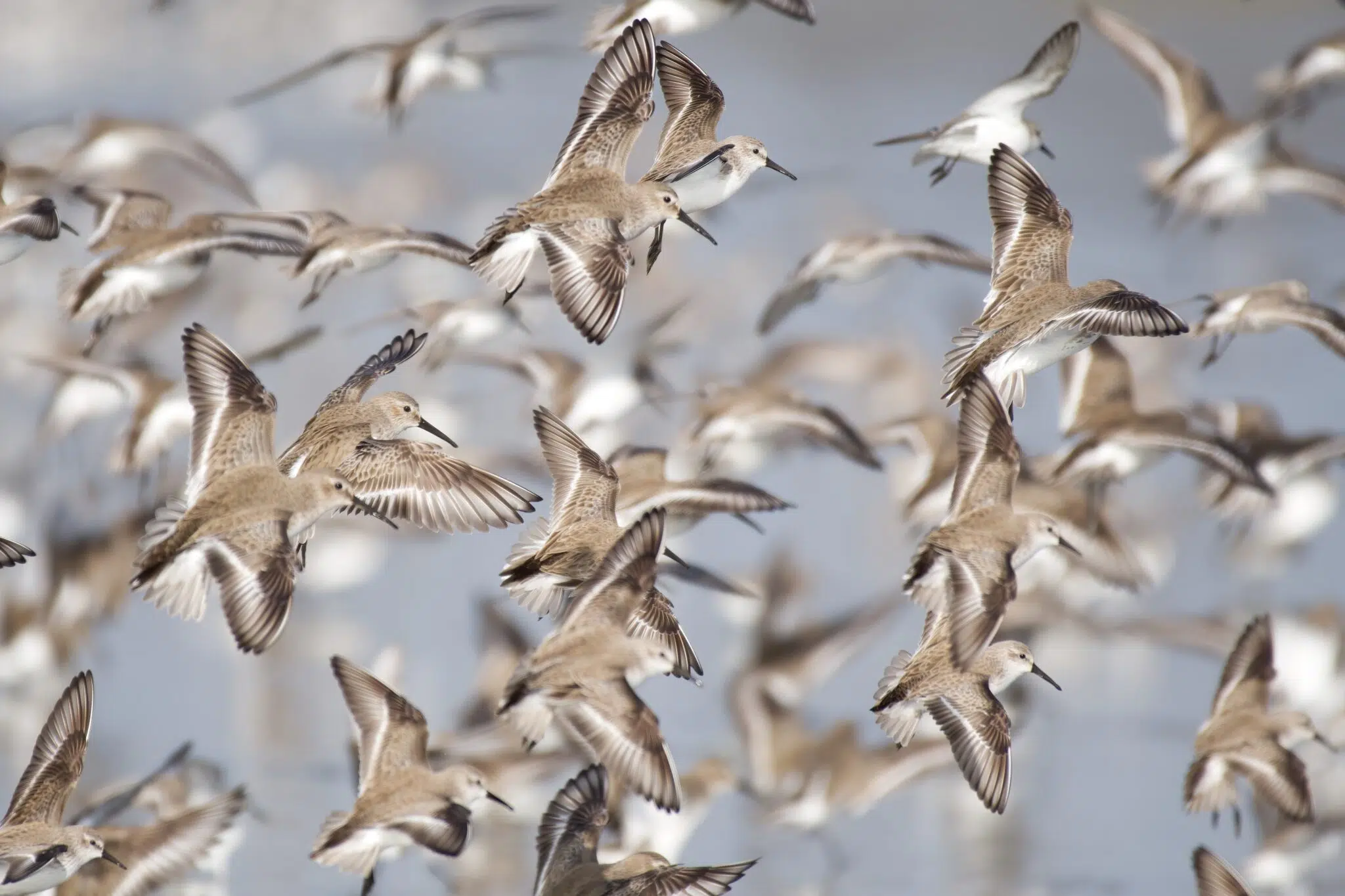
Credit: www.birdlife.org
Changes In Food Availability
Urban sprawl is reshaping our landscapes, and one of the subtle yet significant impacts is on bird migration. Birds depend on specific food sources during their migratory journeys. However, as cities expand, these resources are changing, leaving birds struggling to find enough food. Let's dive into how the decline in insect populations and alteration of plant life are affecting these feathered travelers.
Decline In Insect Populations
As urban areas expand, natural habitats shrink, leading to a decrease in insect populations. Insects are a vital food source for many migrating birds. You might notice fewer bugs buzzing around in your backyard compared to rural areas. This reduction means birds have less to eat during their long journeys.
Think about the last time you saw a swarm of butterflies or bees. Their absence isn't just an annoyance—it's a direct impact on the ecosystem. Without enough insects, birds may struggle to maintain their energy levels, affecting their migration routes and survival rates.
Consider the impact of pesticides and pollution. These elements further reduce insect numbers. It's a chain reaction: fewer insects mean fewer birds. This decline can lead to shifts in migration patterns, as birds search for food in more promising areas.
Alteration Of Plant Life
Urban sprawl doesn't just reduce insect numbers; it also changes plant life. Native plants, which offer food and shelter to birds, are often replaced by non-native species or concrete jungles. When was the last time you saw a berry bush in a city park?
Native plants provide essential nutrients during migration. Their loss forces birds to adapt or face starvation. You might see birds foraging in unusual places, a sign they're struggling to find suitable food sources. This alteration can also affect the timing of migration, as birds rely on cues from native plants.
Imagine your favorite restaurant suddenly closing its doors. You'd have to find a new place to eat. Birds face a similar challenge with changing plant life. This disruption can lead to longer migration times and reduced breeding success, impacting bird populations over time.
How can we help? Consider planting native plants in your garden or supporting local conservation efforts. Small changes can make a big difference in supporting bird migration. What steps will you take to ensure birds have the resources they need?
Obstacles In Migration Routes
Urban sprawl creates barriers for migrating birds by reducing green spaces and increasing urban structures. These changes disrupt traditional flight paths, causing confusion and exhaustion. Birds struggle to find safe resting spots, impacting their survival rates during long migrations.
Urban sprawl is reshaping our landscapes, often at the expense of our feathered friends. Bird migration, a natural marvel, faces increasing hurdles as cities expand. These obstacles disrupt their ancient routes, creating challenges that can affect their survival.
Increased Urban Barriers
As cities grow, they create physical barriers that birds must navigate. Buildings, roads, and bridges can disrupt migration paths, making travel more hazardous. Imagine a bird's-eye view of a sprawling city—an intricate maze of obstacles that weren't there a few decades ago. These barriers don't just pose physical threats. They also fragment habitats, forcing birds to adapt or perish. The more urban areas expand, the fewer safe havens birds have.
Light Pollution Effects
Urban sprawl is synonymous with bright lights that pierce the night. Light pollution confuses migrating birds, leading them astray. Have you ever noticed birds circling lit buildings at night? That's disorientation at play. Excessive artificial light can also disrupt their natural behaviors. It can alter their internal clocks, affecting feeding and breeding patterns. How can birds thrive when the night sky no longer guides them? These challenges prompt us to reconsider our urban development strategies. How can we make cities more bird-friendly? Simple actions like dimming unnecessary lights could make a significant difference. By understanding these obstacles, we can work towards solutions that benefit both humans and our avian neighbors.

Credit: www.instagram.com
Climate Change Interactions
Urban sprawl and climate change are deeply linked. Both impact bird migration. As cities expand, natural habitats shrink. This forces birds to adapt or move. Climate change adds another layer of complexity. It alters the conditions birds rely on during migration. Let's explore how these shifts affect birds.
Temperature Shifts
Climate change causes temperatures to rise. This affects bird migration patterns. Birds rely on specific cues to migrate. Temperature is a key signal for them. Rising temperatures can lead birds to migrate earlier. This disrupts their usual timings. It can also affect food availability. Birds may arrive before food sources are ready. This mismatch can harm bird populations.
Weather Pattern Disruptions
Climate change alters weather patterns significantly. Unpredictable weather confuses migrating birds. Storms and extreme weather events can delay migration. Birds may have to detour or rest longer. This consumes more energy. These disruptions can lead to increased mortality rates. Changing wind patterns can also affect flight paths. Birds may end up in unfamiliar territories. This increases their risk of survival challenges.
Impacts On Bird Behavior
Urban sprawl is rapidly altering landscapes across the globe. Its impact on bird migration is significant. Birds rely on specific cues for migrating. These cues are disrupted by urbanization. Birds face challenges adapting to new environments. Their behavior undergoes noticeable changes.
Altered Flight Patterns
Urban areas introduce obstacles like buildings and roads. Birds struggle to maintain traditional flight paths. Tall structures create hazardous conditions. Birds often detour, using more energy. This affects their migration efficiency. Some species avoid urban zones altogether. This changes their migration routes. Researchers observe shifts in flight patterns. These changes can affect survival rates.
Changes In Breeding Timing
Urban sprawl affects breeding cycles. Birds rely on environmental signals to breed. Light pollution disrupts these signals. Artificial lights confuse their internal clocks. Birds may breed earlier or later than usual. This mismatch affects offspring survival. Temperature changes in cities also play a role. Urban heat islands alter breeding cues. Timing changes impact population dynamics.
Conservation Efforts
Urban sprawl disrupts bird migration by altering landscapes and reducing natural habitats. Birds struggle to find food and shelter, affecting their migration routes. Conservation efforts focus on preserving green spaces and creating bird-friendly environments in cities to support their journey.
Urban sprawl is rapidly changing landscapes, affecting bird migration patterns in surprising ways. As cities expand, natural habitats shrink, posing challenges for migratory birds. However, conservation efforts are underway to address these impacts, focusing on practical solutions to make urban environments more bird-friendly. These efforts involve creating spaces that cater to the needs of birds, developing policies, and planning strategies that prioritize wildlife conservation.
Creating Bird-friendly Urban Spaces
Have you ever noticed a bird trying to find its way through a busy city? It's a struggle many birds face due to urban sprawl. Creating bird-friendly spaces can make a significant difference. Simple actions like planting native trees and shrubs can provide shelter and food for migratory birds. Consider turning your garden into a mini sanctuary. Use bird feeders and water sources to attract birds. These small changes can transform urban landscapes into welcoming havens for our feathered friends. Urban parks and green roofs also play a vital role. They offer safe stopovers for birds during their long journeys. The presence of diverse plant species can attract various bird species, creating a vibrant ecosystem within the city.
Policy And Planning Strategies
Policies and planning strategies are crucial in mitigating the effects of urban sprawl on bird migration. Cities can implement zoning laws that protect critical habitats from development. Does your city have wildlife corridors connecting parks and green spaces? These corridors can facilitate safe passage for migratory birds. Local governments can prioritize conservation in their urban planning. Integrating bird-friendly designs in new developments can reduce the negative impacts on migratory birds. For example, using bird-safe glass on buildings can prevent collision deaths. Think about advocating for these changes in your community. Support initiatives that focus on sustainable urban growth and wildlife conservation. Your voice can help shape policies that protect birds and ensure their safe migration through urban areas. Together, these efforts can help balance urban expansion with wildlife conservation, ensuring that birds continue to grace our skies with their presence.

Credit: www.sciencelearn.org.nz
Frequently Asked Questions
What Is Urban Sprawl?
Urban sprawl refers to the uncontrolled expansion of urban areas. It leads to significant changes in land use patterns. This phenomenon often results in habitat fragmentation. Such changes can disrupt natural ecosystems, affecting wildlife, including birds.
How Does Urban Sprawl Impact Bird Migration?
Urban sprawl fragments natural habitats and alters migratory routes. Birds face challenges in finding resources and rest stops. These disruptions can affect their survival and breeding success. As cities expand, the impact on bird migration becomes more pronounced.
Why Are Bird Habitats Shrinking?
Bird habitats shrink due to urbanization and land development. Natural areas are converted into residential and commercial zones. This reduces available space for birds to thrive. Habitat loss is a major threat to bird populations worldwide.
Can Urban Planning Mitigate Urban Sprawl Effects?
Yes, urban planning can mitigate effects through strategic land use. Implementing green spaces and wildlife corridors helps. These measures support biodiversity and assist bird migration. Thoughtful planning can balance development with ecological preservation.
Conclusion
Urban sprawl changes bird migration patterns. Birds face habitat loss. This disrupts their natural routes. They struggle to find food and shelter. Urban lights confuse them, leading to collisions. Noise pollution stresses birds. They alter their calls and behaviors. Conservation efforts are vital.
Protecting green spaces helps birds survive. Plant native trees and shrubs. Create bird-friendly environments. Everyone can contribute to this cause. Together, we can ensure safe migration paths. By understanding these impacts, we can make a difference. Bird life depends on our actions.
Let's protect their journey.