


Imagine a world where the skies are not filled with the familiar patterns of migrating birds. Instead, you notice unusual flock formations, different timing, and even unfamiliar species passing through your backyard.
This isn't just a distant possibility; it's happening right now. As our planet warms, the intricate dance of bird migration is being altered in ways that could profoundly impact ecosystems, biodiversity, and even your local environment. You might be wondering how these changes affect the birds you love watching or why migration patterns are shifting.
You'll discover how climate change is reshaping migration routes, why these changes matter to you, and what can be done to support our feathered friends in a warming world. Get ready to delve into the fascinating, yet concerning, world of avian migration and learn how you can make a difference.
Impact Of Climate Change On Bird Migration
Climate change is altering the natural world in many ways. Birds are among the most affected creatures. Their migration patterns are changing. Warmer temperatures influence when and where they migrate. This shift has profound effects on their survival.
How Temperature Changes Affect Migration Timing
Birds rely on seasonal cues to migrate. Rising temperatures disrupt these cues. Birds might migrate earlier than usual. This can lead to mismatches with food availability. Early migration means arriving before food sources are ready. This affects their ability to breed and thrive.
Changing Habitats And Migration Routes
Climate change alters habitats along migration routes. Birds find their traditional stopovers transformed. Some areas become unsuitable for resting or feeding. This forces birds to change their routes. New routes may be longer and more dangerous.
Impact On Breeding And Feeding Grounds
Birds breed in specific areas. They depend on these locations for food. Climate change can make these areas less hospitable. Warmer temperatures may reduce food availability. This puts pressure on bird populations. Some species may struggle to find enough to eat.
Consequences For Bird Populations
Changes in migration patterns affect bird populations. Some species may decline in number. Others might adapt but face new challenges. Predators and competition can increase. Birds must constantly adapt to survive.
Adaptation And Resilience
Birds are resilient creatures. They have adapted to changes over time. Some may adjust their migration habits successfully. Others might find it harder to cope. This ongoing adaptation is crucial for their survival.
Shifts In Migration Patterns
Shifts in migration patterns are raising questions about bird species' survival. As the world warms, birds adapt in fascinating ways. These changes impact ecosystems and biodiversity. Scientists study these shifts for critical insights.
Changes In Timing
Warmer climates affect when birds start their migration. Birds might leave earlier or later than usual. This timing shift influences their survival and reproduction. Early migration can lead to mismatched food availability. Late migration may affect breeding success.
Altered Routes
Birds are changing their traditional paths. New routes emerge as birds seek optimal conditions. Altered routes can lead to unexpected challenges. Birds face unfamiliar predators and habitats. These changes require birds to adapt quickly for survival.
Impacts On Bird Populations
The warming world is reshaping bird migration patterns. Birds are vital for ecosystems. They help with seed dispersal and pest control. Climate change disrupts their natural cycles. This shift affects their survival and reproduction. Understanding these impacts is crucial for conservation efforts.
Species At Risk
Some bird species face greater risks due to climate change. Arctic birds suffer as ice melts. Their breeding grounds shrink. Migratory routes become treacherous. Warmer temperatures affect food availability. Insects and plants emerge earlier. Birds may miss peak feeding times.
Tropical birds also struggle. Rising temperatures push them to higher altitudes. Suitable habitats decrease. These changes stress populations. Conservationists worry about extinction risks. Protecting these species is urgent.
Adaptation Strategies
Birds are adapting in surprising ways. Some migrate earlier in the year. They adjust to new breeding schedules. Changes in flight paths are observed. Birds seek cooler regions. These adaptations are crucial for survival.
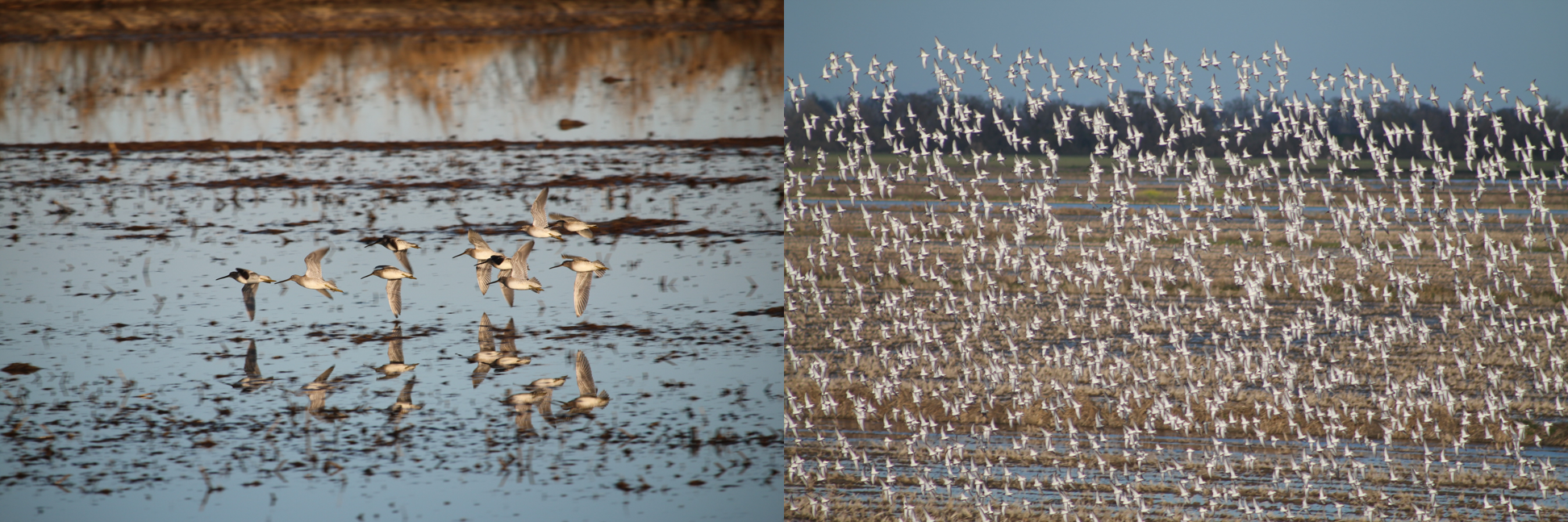
Research shows some birds are evolving. Their wings and bodies change over generations. This helps them in longer flights. Conservationists study these adaptations. Understanding them aids in creating effective protection plans.
Credit: climate.nasa.gov
Role Of Temperature And Weather
As our planet warms, birds are among the many creatures adapting to new environmental realities. Temperature and weather play crucial roles in shaping migration patterns. As you watch a flock of birds, you may wonder how these changes impact their journey. Let's explore how rising temperatures and fluctuating weather events are influencing bird migration.
Influence Of Temperature Rise
Rising temperatures are altering the timing of bird migration. Warmer climates can signal an early arrival of spring, tempting birds to begin their journey sooner. This could lead to mismatched food availability, affecting their survival.
Additionally, temperature changes can shift habitats, pushing birds to find new routes. You might notice birds in regions where they were previously unseen. These adaptations are fascinating yet concerning, as they reflect the urgency of climate change impacts.
Weather Events And Migration
Extreme weather events are becoming more frequent and unpredictable. Storms can disrupt migration paths, forcing birds to take longer routes. Imagine a bird navigating through a sudden storm; it uses precious energy and time.
Unpredictable weather patterns can also affect breeding seasons. Birds rely on stable conditions to ensure their young thrive. When weather changes unexpectedly, it can lead to fewer offspring, impacting population sizes.
Considering these factors, how do you think these changes will shape the future of bird migration? Observing birds as they adapt can provide insights into the broader effects of climate change. Each of your birdwatching moments can be a small window into understanding these shifts.
Effects On Ecosystems
Bird migration patterns are shifting due to a warming world. These changes disrupt ecosystems. Birds play key roles in maintaining balance. Their altered paths affect food chains and habitats. Understanding these impacts is crucial. Let's explore how warming affects ecosystems.
Disrupted Food Chains
Birds help control insect populations. When birds migrate differently, insect numbers can surge. This leads to crop damage and affects human food sources. Birds also distribute seeds. Changes in migration impact plant growth and diversity. These disruptions ripple through entire ecosystems.
Habitat Alterations
Warming temperatures change habitats. Some birds migrate earlier or later. This can lead to mismatches in food availability. Birds may arrive when food is scarce. This affects their survival and reproduction. As birds move, they may also outcompete local species. This alters the balance in ecosystems. Over time, these changes reshape habitats, affecting both flora and fauna.
Scientific Studies And Findings
As the world warms, scientists are keenly observing changes in bird migration patterns. Studies reveal fascinating shifts, suggesting birds are adapting to new climatic realities. But how exactly are these changes unfolding?
Key Research Insights
Research shows some birds are migrating earlier due to rising temperatures. A study on American robins found they are arriving at their breeding grounds up to 12 days sooner than 25 years ago. This shift raises questions about how early migration affects food availability and breeding success.
In Europe, swallows are altering their routes to avoid changing wind patterns. This adaptation could impact their energy levels and survival rates. Scientists are now looking at whether these changes are temporary or indicative of long-term shifts.
Have you ever wondered how these changes might affect the delicate balance of ecosystems? Understanding these dynamics is crucial for conservation efforts.
Technological Advancements
Advancements in technology are enhancing our understanding of migration patterns. GPS tracking devices on birds provide real-time data on routes and timing. This technology has uncovered unexpected migration paths, offering new insights.
Satellite imagery is another tool revolutionizing bird migration studies. Researchers use it to analyze changes in vegetation and weather patterns, which directly affect migration. These technological tools help scientists make more accurate predictions.
Imagine being able to track a bird's journey across continents. With these advancements, you can gain a closer look at the challenges birds face and the strategies they employ to survive.
As you consider these scientific studies and findings, what do you think the future holds for bird migration in a warming world? Your perspective might just be the key to understanding and addressing these changes.
Conservation Efforts
As the world warms, birds face new migration challenges. Conservation efforts are crucial. Many species rely on specific routes to migrate successfully. Climate change disrupts these paths. Protecting these routes is essential for bird survival.
Protecting Migration Pathways
Birds migrate over long distances. Their journey spans continents. They need safe paths to travel. Habitat loss threatens these routes. Conservation groups work to preserve these areas. They ensure birds find food and shelter. Protecting migration pathways helps maintain bird populations.
International Collaboration
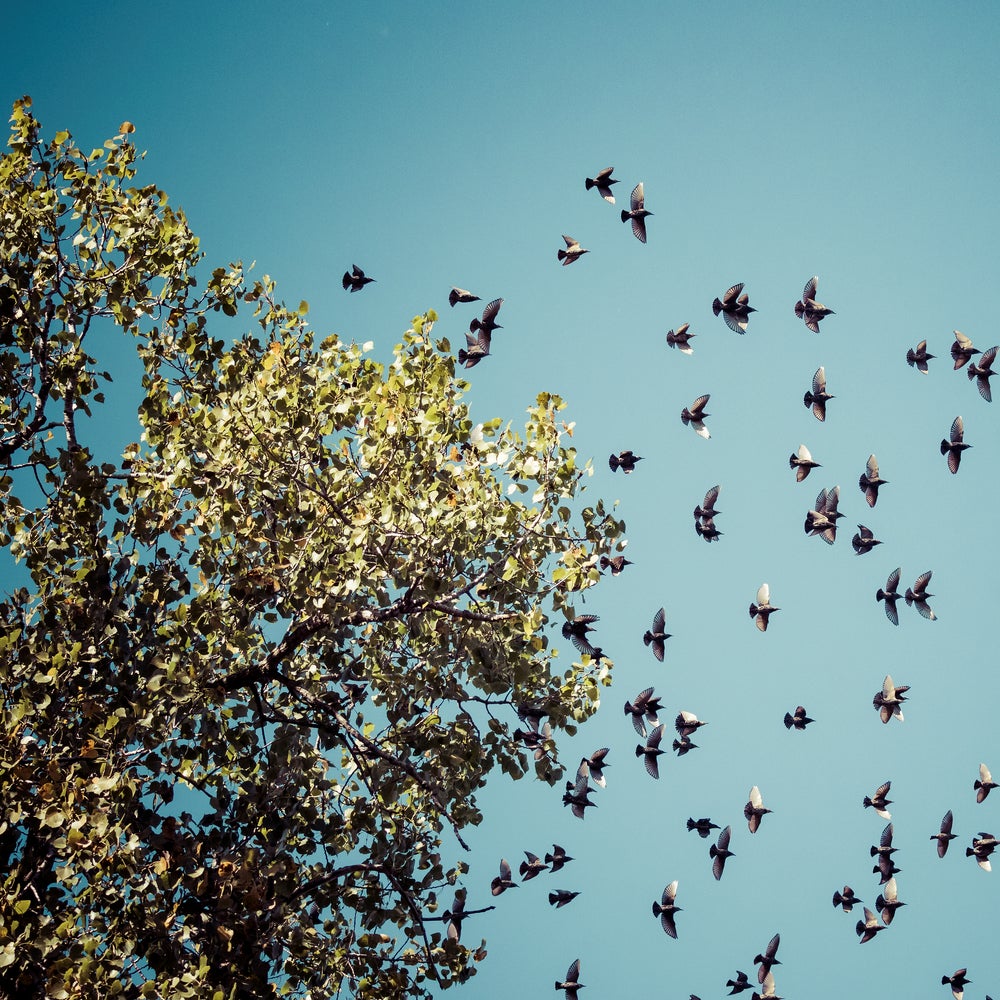
Bird migration crosses borders. Countries must work together. International collaboration is key. Organizations unite for bird conservation. They share data and strategies. This cooperation supports bird migration. It ensures birds have safe passage across regions.
Efforts include monitoring bird populations. Tracking changes in migration patterns. Sharing insights leads to effective solutions. Collaborations aim to tackle climate effects. They promote conservation actions worldwide. Birds benefit from unified global efforts.
Credit: www.scientificamerican.com
Future Prospects
As global temperatures rise, bird migration patterns face new challenges. These changes impact ecosystems, biodiversity, and food chains. Understanding future prospects is crucial for conservation.
Predicted Trends
Scientists predict earlier migration for many bird species. Warmer temperatures signal birds to leave sooner. Some birds might shorten migration distances. This could lead to new habitats and competition.
Climate change may cause mismatches between birds and food availability. Birds may arrive before their food sources are ready. This affects their survival and reproduction rates. Understanding these trends helps in planning conservation efforts.
Potential Solutions
Conservationists suggest creating more protected areas along migration routes. These safe havens provide rest stops and food for migrating birds. Restoring habitats can also help birds adapt to changing climates.
Technology offers tools to track and study migration patterns. Satellite tracking and citizen science projects provide valuable data. This helps scientists understand and predict changes in real time.
International cooperation is vital to protect migratory birds. Countries must work together to safeguard habitats across borders. Global policies can ensure birds have safe passage during migration.
Credit: vt.audubon.org
Frequently Asked Questions
How Does Climate Change Affect Bird Migration?
Climate change alters temperatures and food availability, impacting bird migration patterns. Birds may migrate earlier or later, or change their routes. These changes can disrupt ecosystems and affect breeding and survival rates.
Are Birds Migrating Shorter Distances Now?
Yes, some birds are migrating shorter distances due to warming temperatures. They find suitable habitats closer to their breeding grounds. This shift can affect their survival and breeding success, as well as ecosystem dynamics.
Why Do Birds Migrate Earlier Now?
Birds migrate earlier due to rising temperatures and earlier availability of food resources. This adaptation helps them align with changing seasonal patterns. However, it can lead to mismatches with food availability, affecting their survival.
What Challenges Do Birds Face With Migration Changes?
Birds face challenges like mismatched timing with food resources, altered habitats, and increased competition. These changes can lead to decreased survival rates and affect breeding success. Conservation efforts are crucial to mitigate these impacts.
Conclusion
Bird migration patterns are changing as the world warms. Birds adapt to survive. They face new challenges and opportunities. Warmer climates shift breeding and feeding grounds. Some birds migrate earlier, others later. Climate change impacts are complex and ongoing. Understanding these changes helps protect bird species.
Conservation efforts become crucial. We must support habitats and ecosystems. Every action counts in preserving nature's balance. Observing birds gives insights into climate health. Their journeys tell a bigger story. Embrace the wonder of migration. It connects us to the natural world.
Let's act responsibly for future generations.