


Imagine waking up to a world without the cheerful chirps of birds. It’s a world that's missing something vital and beautiful.
Birds play a crucial role in maintaining the balance of our ecosystems, and their habitats are under threat. You have the power to make a difference. By learning how to protect birds' habitats, you can help preserve these magnificent creatures for future generations.
This guide will show you simple yet effective ways to contribute to this cause. Dive in to discover how your actions can create a safe haven for birds and enrich your own life with their presence.
Importance Of Bird Habitats
Preserving bird habitats is crucial for maintaining biodiversity. Trees and wetlands provide food and shelter. Protecting these areas ensures birds thrive and ecosystems remain balanced. Conservation efforts should focus on reducing habitat destruction and promoting sustainable practices.
Bird habitats are vital for the survival and prosperity of bird species. They provide shelter, food, and breeding grounds, forming the essential components of a bird's life cycle. With their habitats under threat, understanding their importance becomes crucial for anyone looking to protect these beautiful creatures.
Why Bird Habitats Matter
The existence of diverse bird species hinges significantly on their habitats. Each bird species has unique habitat needs, like specific trees for nesting or certain plants for feeding. When these environments are disrupted, the birds struggle to survive. Consider the forests where woodpeckers thrive. These birds depend on the bark of trees to find insects. Without trees, their food source diminishes, leading to a decrease in their population.
The Role Of Habitats In Biodiversity
Bird habitats are integral to maintaining biodiversity. They are home to countless species, each playing a role in the ecosystem. When you protect a bird's habitat, you are also safeguarding many other species that coexist in that environment. Think about a wetland—a dynamic ecosystem where birds, fish, and plants create a balanced habitat. Disturbing this balance can lead to a ripple effect, affecting the entire ecosystem.
Impact On Human Life
Birds contribute significantly to human life in various ways. They control pests, pollinate plants, and spread seeds. By maintaining healthy bird habitats, you are supporting these ecological services that benefit agriculture and gardens. Imagine your garden flourishing with vibrant flowers and healthy crops. Birds play a silent yet essential role in this. Their presence ensures a balanced ecosystem that ultimately supports human life.
Challenges Faced By Bird Habitats
Bird habitats face numerous challenges today. Urbanization, deforestation, and pollution are major threats reducing the natural spaces available for birds. When you notice fewer birds in your area, it's often a sign of a struggling habitat. Reflect on urban parks. Once bustling with bird life, they now face the pressures of urban expansion. Addressing these challenges requires active involvement and awareness.
What Can You Do?
You play a crucial role in protecting bird habitats. Simple actions like planting native trees or reducing pesticide use can make a big difference. Consider participating in local conservation efforts or supporting organizations that focus on habitat preservation. Ask yourself, what small change can you make today to protect a bird's home? Every action counts, no matter how small. Your contribution can lead to a safer, healthier environment for birds.
Credit: www.aa.com.tr
Threats To Bird Habitats
Bird habitats are facing significant challenges today. These threats are diverse and impact birds in various ways. Understanding these threats is crucial for effective conservation efforts.
Climate Change Impact
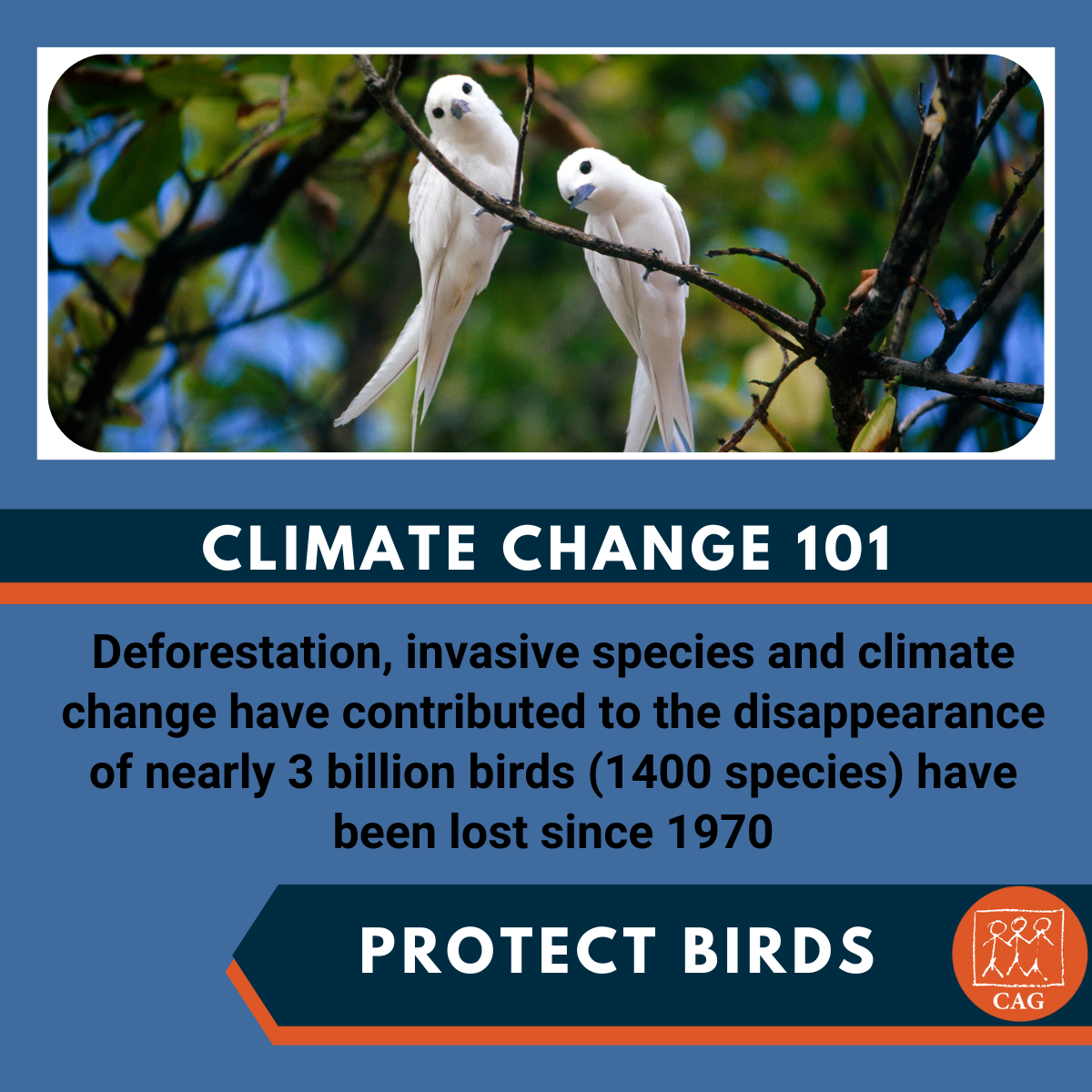
Climate change is reshaping environments at an alarming rate. Rising temperatures and shifting weather patterns disrupt the delicate balance of bird ecosystems. Birds struggle to find food and suitable nesting sites as their habitats change.
Have you noticed how seasonal patterns are no longer predictable? This unpredictability forces birds to adapt quickly or face extinction. Your support in advocating for climate action can make a difference.
Urban Development Challenges
Cities are expanding, and with this growth comes the destruction of natural habitats. Urban development replaces forests and wetlands with concrete and steel. Birds lose their homes and food sources in this process.
When was the last time you saw a bird's nest in your neighborhood? Consider supporting local initiatives that aim to create green spaces and preserve natural habitats within urban settings.
Pollution And Its Effects
Pollution is a silent killer for many bird species. Chemicals in the air, water, and soil can poison birds and their food sources. Plastic waste is particularly harmful, entangling birds or being mistaken for food.
Next time you see litter, think about its impact. Simple actions like reducing plastic use and participating in clean-up drives can significantly improve bird habitats.
Invasive Species Problems
Invasive species are another threat to bird habitats. These species compete with native birds for resources. They can also bring diseases that native birds are not equipped to handle.
Have you ever wondered how these species arrive? Often, human activity introduces them. By supporting conservation programs, you help control invasive species and protect native bird populations.
Your actions can have a profound impact on bird habitats. What steps will you take today to protect these vital ecosystems? Every effort counts in preserving the beauty and diversity of our planet's avian life.
Conservation Strategies
Safeguarding bird habitats involves creating protected areas and restoring natural environments. Planting native trees and reducing pollution help maintain ecosystems. Encouraging sustainable farming practices ensures food sources for birds.
Protecting bird habitats is crucial for preserving biodiversity and maintaining ecological balance. Conservation strategies play an essential role in safeguarding these natural spaces, ensuring birds continue to thrive. Whether you're a seasoned birdwatcher or just starting to notice the feathered friends around you, understanding and implementing these strategies can make a significant difference in your local environment.
Creating Bird-friendly Environments
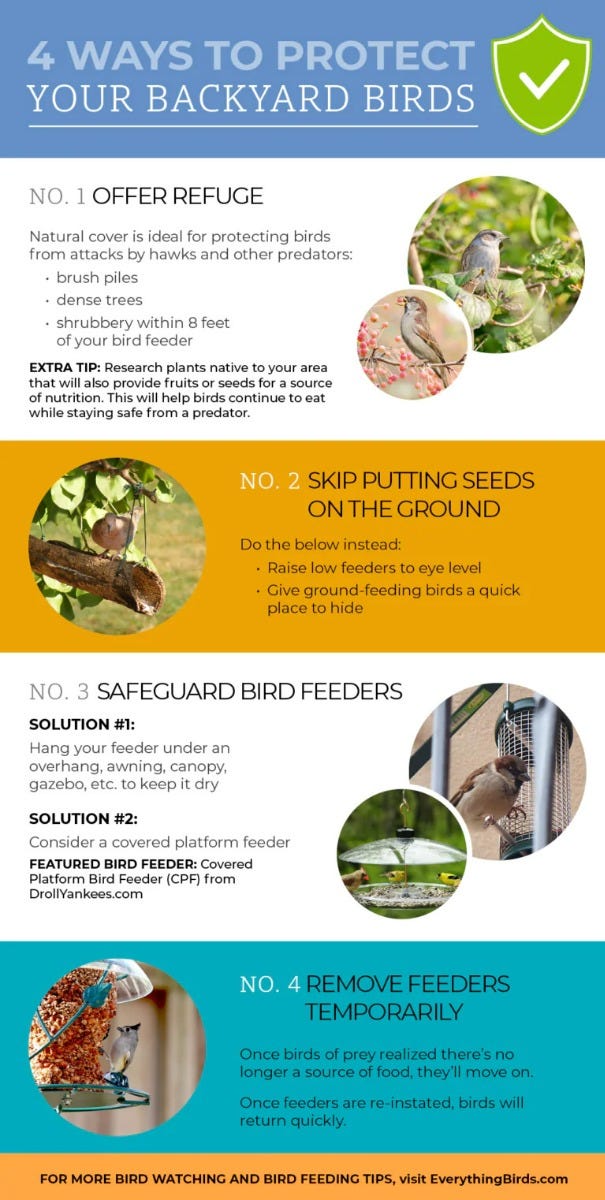
Creating spaces that cater to birds' needs is easier than you might think. Begin by planting native trees and shrubs in your garden. These plants offer food and shelter, transforming your backyard into a mini sanctuary. If you have a bird feeder, clean it regularly. This prevents the spread of diseases and ensures a healthy diet. You can also add a bird bath to provide fresh water, vital for hydration and hygiene. Consider adding nesting boxes. Birds such as swallows and bluebirds will appreciate a safe place to raise their young. These small changes can attract a variety of species, enhancing your connection to nature.
Restoration Of Natural Habitats
Restoring natural habitats is a powerful strategy. You can participate in local conservation projects aimed at reforesting and cleaning up areas. Even a few hours of volunteering can make a big impact. Removing invasive species is another effective method. These plants often outcompete native flora, reducing food sources for birds. Work with local groups to identify and remove these threats. Promote the use of organic farming techniques. Pesticides and chemicals harm birds and their habitats. Supporting organic practices can reduce these harmful impacts, fostering healthier ecosystems.
Implementing Legal Protections
Legal protections are pivotal in conserving bird habitats. Familiarize yourself with local and national laws that protect wildlife. Knowing these regulations can empower you to advocate for birds' rights. Support organizations that work towards stronger legal frameworks. Donations, volunteering, or simply spreading the word can bolster their efforts. Stay informed about changes in policy. Engage with your community and representatives to push for legislation that prioritizes conservation. Your voice can influence decisions that shape the future of bird habitats. By adopting these conservation strategies, you can actively participate in preserving bird habitats. What steps will you take today to make a difference in your local environment?
Credit: climateconnection.org.in
Community Involvement
Community involvement is crucial for protecting bird habitats. When people come together, they create a powerful force that can make a real difference. You can contribute significantly by engaging with local conservation efforts, participating in citizen science projects, and supporting educational outreach programs.
Local Conservation Groups
Joining local conservation groups can be a rewarding way to protect bird habitats. These groups often organize clean-ups, tree planting events, and habitat restoration projects. By participating, you not only help birds but also meet like-minded people who share your passion for nature.
My first volunteering experience involved planting native shrubs to create a sanctuary for migratory birds. The satisfaction of seeing flocks return each year made every effort worthwhile. Have you considered joining a local group to make a visible impact?
Citizen Science Projects
Citizen science projects offer a unique way to contribute to bird conservation. These projects collect data on bird populations, migration patterns, and habitat usage. You can participate by observing birds in your area and submitting your findings online.
Last spring, I joined a bird-counting project. Counting birds in my backyard became a delightful morning routine and helped scientists track important trends. What better way to start your day than contributing to science while sipping your coffee?
Educational Outreach Programs
Educational outreach programs spread awareness about the importance of protecting bird habitats. These programs often involve workshops, school visits, and public talks. By supporting or volunteering in these programs, you help educate others about the value of conservation.
Once, I helped organize a workshop for children about local bird species. Watching their faces light up while learning about the birds inspired me to continue advocating for education. Could your next community event include an educational component on bird conservation?
Engaging in these activities not only protects birds but also enriches your community and personal life. What will be your first step in joining the movement to protect our feathered friends?
Sustainable Practices
Protecting bird habitats is crucial for preserving biodiversity. Sustainable practices provide a pathway to ensure these habitats remain safe and thriving. By adopting eco-friendly methods, we contribute significantly to bird conservation. Below, explore three key sustainable practices that can help protect bird habitats.
Eco-friendly Gardening
Eco-friendly gardening promotes a healthy environment for birds. Use native plants in your garden. They attract local bird species and provide natural food sources. Reduce lawn size to create more space for wild plants. This encourages birds to visit and stay.
Compost waste instead of using chemical fertilizers. Natural compost enriches soil without harming birds. A water feature like a small pond can be a great addition. It offers birds a place to drink and bathe.
Responsible Land Use
Responsible land use helps maintain bird habitats. Preserve natural areas during development projects. This ensures birds have safe places to nest and feed.
Maintain green spaces in urban areas. Parks and trees offer birds shelter and food sources. Implement land management practices that avoid disrupting wildlife.
Reduction Of Pesticide Use
Pesticides pose a threat to birds. Reduce or eliminate their use to protect bird habitats. Opt for organic pest control methods. These are safer for birds and the environment.
Introduce natural predators like ladybugs to manage pests. They reduce pest populations without harming birds. Encourage community efforts to limit pesticide usage.
Educate others about the dangers of pesticides. Awareness can lead to better choices for bird conservation.
Role Of Technology
Technology plays a vital role in protecting bird habitats. It offers innovative solutions to monitor and preserve these ecosystems. By utilizing advanced tools, we can track bird movements and gather essential data. This helps conservationists make informed decisions and improve habitat protection strategies.
Tracking And Monitoring Tools
GPS trackers allow scientists to follow bird migration patterns. These small devices attach to birds and send real-time data. This information shows where birds travel and rest. It helps identify important habitats that need protection.
Satellite imaging provides detailed views of landscapes. It shows changes in habitats over time. Conservationists use this data to spot threats and assess habitat health. Early detection of changes allows for quick response.
Data Collection And Analysis
Smart sensors collect environmental data from bird habitats. They monitor temperature, humidity, and pollution levels. This information helps researchers understand the habitat conditions. It is crucial for creating effective conservation plans.
Data analysis software processes large amounts of information. It identifies patterns and predicts future changes. This helps in making strategic decisions. Conservationists can focus efforts where they are most needed.
Citizen science platforms engage the public in data collection. People share observations of birds and their habitats. These contributions enrich the data pool. They provide valuable insights into local ecosystems.
Global Conservation Efforts
Birds are a vital part of our ecosystem, contributing to biodiversity and the health of our planet. Protecting their habitats is essential for ensuring their survival. Global conservation efforts are crucial in this mission, combining the strengths and knowledge of countries worldwide. These efforts focus on creating sustainable environments where birds can thrive, while fostering collaboration and understanding across borders.
International Treaties And Agreements
International treaties play a pivotal role in bird conservation. They establish guidelines and commitments for countries to protect migratory bird habitats. A prime example is the Convention on Migratory Species, which encourages nations to safeguard and manage crucial areas that birds depend on.
Another significant agreement is the Ramsar Convention, focusing on the conservation of wetlands. Wetlands are critical for many bird species, providing breeding and feeding grounds. By adhering to these treaties, countries can effectively work towards preserving these essential environments.
Collaboration Across Borders
Global conservation isn’t just about signing agreements; it's about action. Countries are increasingly collaborating to share resources and expertise. Joint initiatives, like the East Asian-Australasian Flyway Partnership, unite countries in protecting migratory routes.
Such collaborations allow for pooling of funds, expertise, and technology. This helps in monitoring bird populations and habitats more effectively. By working together, countries can tackle challenges that are too vast for any single nation to handle alone.
Have you ever considered how your actions impact bird habitats? Every small effort counts. From supporting global initiatives to making conscious choices locally, you can contribute to these conservation efforts. What steps will you take to make a difference?
Credit: www.perkypet.com
Frequently Asked Questions
What Are The Best Ways To Protect Bird Habitats?
Preserving bird habitats involves conserving natural areas, planting native vegetation, and reducing pesticide use. Supporting conservation organizations and advocating for bird-friendly policies are also crucial. By creating bird-friendly environments in your backyard and participating in citizen science projects, you can make a significant impact on bird conservation efforts.
Why Is Habitat Protection Important For Birds?
Habitat protection ensures birds have access to food, shelter, and breeding grounds. It helps maintain biodiversity and ecological balance. Without suitable habitats, many bird species face the threat of extinction. Protecting these environments is crucial for the survival and health of bird populations worldwide.
How Can Individuals Contribute To Bird Habitat Conservation?
Individuals can plant native plants, reduce pesticide use, and keep cats indoors. Supporting local conservation groups and participating in citizen science projects also helps. Making bird-friendly choices in your community and spreading awareness can significantly contribute to protecting bird habitats.
What Impact Do Human Activities Have On Bird Habitats?
Human activities, like deforestation and urbanization, destroy and fragment bird habitats. Pollution and climate change further threaten these environments. These activities disrupt food sources, nesting sites, and migration patterns. Protecting bird habitats from human threats is essential for their survival and well-being.
Conclusion
Protecting bird habitats is vital for their survival. Simple actions make a difference. Plant native trees. They provide shelter and food. Reduce pesticide use. It harms birds and their food sources. Support local conservation efforts. Join community clean-ups. Clean spaces help birds thrive.
Educate others about bird-friendly practices. Share knowledge and inspire action. Every small effort adds up. Birds need safe environments to live and thrive. Let’s ensure a future where they flourish. Together, we can make a positive impact. For birds, for nature, and for us all.