


How Can We Protect the Habitat of Birds?
Imagine a world without the cheerful chirping of birds. It's a quieter place, isn't it?
Birds add music to our mornings, color to our skies, and play a crucial role in our ecosystem. But did you know that their habitats are under threat? From deforestation to urban sprawl, these beautiful creatures face challenges daily. You might wonder how you can make a difference.
Protecting bird habitats is easier than you think, and your actions can have a significant impact. You’ll discover simple yet effective ways to safeguard the homes of our feathered friends, ensuring they remain a part of our world for generations to come. Curious to learn more? Let's dive in and explore how you can be a part of the solution.
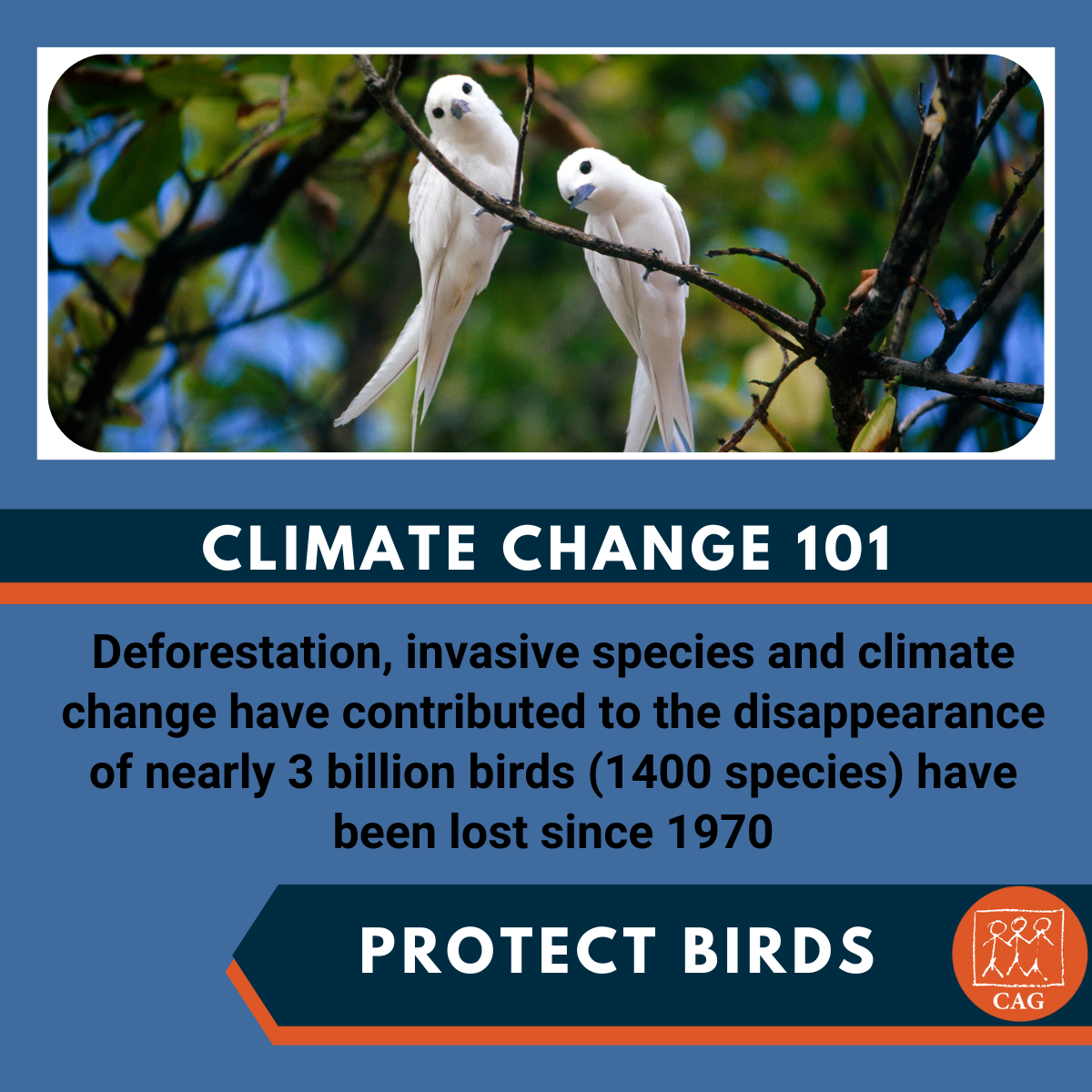
Credit: climateconnection.org.in
Importance Of Bird Habitats
Bird habitats are crucial for the survival of countless species. They provide shelter, food, and breeding grounds. Without them, birds face extinction. Habitats support biodiversity, helping ecosystems thrive. Preserving these areas is vital for environmental health.
Why Bird Habitats Matter
Bird habitats are nature's lifeline for avian species. They offer safe spaces for nesting and feeding. These areas help maintain ecological balance. Birds play a key role in pollination and seed dispersal. Losing habitats disrupts these natural processes.
Impact Of Habitat Loss
Habitat loss threatens bird populations worldwide. Urban expansion and deforestation are major causes. As habitats shrink, birds struggle to find resources. This leads to decreased populations and even extinction. Protecting habitats can prevent this tragic outcome.
Role In Climate Regulation
Birds contribute to climate regulation. They help control pests and pollinate plants. Healthy habitats support these activities. Without them, climate change accelerates. Conserving bird habitats aids in climate stability.
Community Involvement In Conservation
Local communities play a crucial role in conservation efforts. Educating people about bird habitats raises awareness. Community projects can restore and protect these areas. Everyone can contribute to safeguarding bird habitats.
Credit: www.eastsideaudubon.org
Threats To Bird Habitats
Bird habitats face threats like deforestation and pollution. Planting native trees helps restore these vital areas. Supporting bird-friendly policies and protecting wetlands also ensures a safe home for our feathered friends.
Birds bring color and life to our world, yet their habitats face increasing threats. Urban development, climate change, and pollution are some of the major challenges. These threats not only jeopardize bird populations but also impact biodiversity. Understanding these threats can inspire action to protect our feathered friends.
Urban Development
Cities are growing rapidly, often at the expense of natural spaces. Forests, wetlands, and grasslands are converted into buildings and roads. This loss of habitat leaves birds with fewer places to nest and feed. Have you noticed fewer birds in your neighborhood as it expands? Urban sprawl also fragments habitats, making it difficult for birds to find mates and food. You can help by supporting green spaces in your community. Plant native trees and shrubs to create mini-habitats in your backyard.
Climate Change
Climate change is altering the environments birds depend on. As temperatures rise, some species struggle to adapt. Migration patterns are disrupted, and birds may arrive at breeding grounds too early or too late. Changing weather patterns also affect food availability. Consider how a delayed spring bloom might impact a bird's diet. Are you doing your part to reduce carbon emissions and mitigate climate change?
Pollution Impact
Pollution contaminates the air, water, and soil that birds rely on. Chemicals from pesticides can poison birds and reduce insect populations. What steps can you take to use fewer chemicals in your home and garden? Plastic waste is another major threat. Birds often mistake plastic for food, leading to injury or death. Reduce plastic use and participate in clean-up efforts to make a difference. Have you ever thought about the journey your waste takes and how it might affect bird habitats? Taking action on these issues can help protect the vibrant tapestry of life that birds bring to our world. What changes will you make today to safeguard their future?
Preserving Natural Environments
Birds thrive in diverse ecosystems. Preserving natural environments is crucial for their survival. These environments provide food, shelter, and breeding grounds. By protecting these areas, we ensure birds can live and flourish. Understanding how to maintain these habitats is essential.
Protecting Wetlands
Wetlands are vital for bird populations. They offer water and food resources. Protecting wetlands involves managing water levels. This helps maintain the natural flora. Wetlands also need protection from pollution. Runoff from farms and cities can harm them. Efforts to clean and restore wetlands benefit birds.
Maintaining Forests
Forests are home to many bird species. They offer nesting sites and food sources. Forests need protection from logging and deforestation. Sustainable practices can help preserve forest habitats. Planting native trees supports bird populations. Ensuring forests remain healthy is key.
Conserving Grasslands
Grasslands provide essential resources for birds. They host insects and seeds for food. Grasslands face threats from agriculture expansion. Preserving these areas involves careful land management. Native grasses and plants should be protected. Grazing practices need to be monitored. Healthy grasslands support diverse bird life.
Creating Bird-friendly Spaces
Creating bird-friendly spaces involves protecting their natural habitats. Plant native trees and shrubs to offer shelter. Provide clean water sources for birds to drink and bathe. Reduce pesticide use to maintain safe environments. Install nesting boxes to support bird reproduction.
Creating bird-friendly spaces helps protect bird habitats in urban areas. These spaces provide essential resources for birds to thrive. You can make a difference by transforming your garden or backyard. Here are some ways to create inviting areas for birds.
Gardening For Birds
Choose native plants for your garden. They offer food and shelter for birds. Flowers with seeds and berries attract them. Trees and shrubs provide nesting spots. Keep your garden pesticide-free. Chemicals can harm birds and insects. Use compost and mulch for natural pest control. A diverse garden attracts various bird species.
Building Birdhouses
Birdhouses offer safe nesting sites. Different birds prefer different types. Research the species in your area. Build or buy birdhouses that suit them. Place birdhouses in quiet, shaded spots. Ensure they are safe from predators. Clean birdhouses after nesting seasons. This prevents disease and attracts new birds.
Providing Water Sources
Birds need water for drinking and bathing. Add a birdbath to your garden. Keep it shallow and clean. Change the water regularly to prevent mosquitoes. Consider a fountain or drip system. Moving water attracts more birds. In winter, heated birdbaths offer a water source. Ensure the area around water is safe and visible.
Reducing Hazards
Birds face many threats in their environment. These threats often come from human activities. To protect their habitats, reducing hazards is essential. Taking simple steps can help save many bird lives. Let's explore effective ways to minimize these dangers.
Preventing Window Collisions
Birds often fly into windows. They see reflections of trees and sky. This confusion can be deadly. Use window decals to break up reflections. Curtains or blinds can also help. Keeping feeders far from windows reduces risks. These steps make a big difference.
Minimizing Pesticide Use
Pesticides harm birds and their food sources. Birds eat insects and seeds covered in chemicals. This poisons them. Choose natural pest control methods. Encourage beneficial insects like ladybugs. They control pests without chemicals. Safe methods protect bird health.
Managing Predators
House cats pose a threat to birds. They hunt birds in backyards. Keep cats indoors to protect wildlife. Installing birdhouses with predator guards is helpful. These measures ensure birds stay safe from harm. Simple actions can help balance ecosystems.
Credit: www.taiwantoday.tw
Community Engagement
Engaging communities is crucial in protecting bird habitats. When you involve local people, you create a powerful force for conservation. This collective effort can lead to real changes and lasting impacts. Let’s explore how you can be part of this movement.
Local Conservation Projects
Participating in local conservation projects is a practical way to protect bird habitats. You can join or support initiatives in your area focused on preserving green spaces or restoring wetlands. These projects often rely on volunteers like you to plant trees, remove invasive species, or clean up polluted areas. Your contribution can make a tangible difference in creating safe havens for birds.
Have you ever thought about how much you can learn from hands-on conservation work? These projects can be an eye-opener, showing you the importance of every small action. Your efforts, combined with others, can significantly enhance local ecosystems and make them more hospitable to birdlife.
Educational Programs
Education is a powerful tool in conservation. Local organizations often offer programs that teach residents about birds and their habitats. By attending workshops or seminars, you can gain valuable knowledge on how to protect these environments. You can then share what you learn with friends and family, expanding the impact.
Imagine the effect of inspiring a child to love and protect birds. Educational programs can foster a lifelong passion for nature in young minds. This can lead to future generations who are committed to conservation. By engaging with these programs, you help cultivate a community that values and protects bird habitats.
Citizen Science Initiatives
Citizen science initiatives invite you to contribute to scientific research. You can participate in bird counts, habitat monitoring, or data collection. These activities provide critical information that can guide conservation efforts. Your observations can help scientists understand bird populations and their needs better.
Consider the thrill of spotting a rare bird and knowing your report contributes to important research. Citizen science empowers you to play a direct role in conservation. It’s a chance to make meaningful contributions without needing to be an expert. Your involvement can help shape strategies to protect bird habitats more effectively.
Have you ever wondered what impact your involvement could have? By engaging in these initiatives, you become part of a bigger picture, influencing policies and conservation strategies. The data you collect can lead to significant changes in how habitats are managed and preserved.
Community engagement is more than just participating; it’s about creating a lasting commitment to bird conservation. What steps will you take to protect their habitats?
Policy And Legislation
Preserving bird habitats requires effective policy and legislation. Government actions can safeguard natural areas. Legal measures can control harmful activities. They ensure a safe environment for birds. Legislators can create lasting change. Communities can thrive alongside wildlife. Policies must be clear and enforceable. Let's explore key elements.
Protected Areas
Protected areas offer vital shelter for birds. Governments can designate land for conservation. These areas limit human interference. They provide safe spaces for nesting and feeding. National parks and reserves play a big role. They help maintain biodiversity. These sanctuaries are crucial for species survival. Birds can flourish without disturbance.
Wildlife Laws
Wildlife laws protect birds from threats. Governments can enact laws against hunting. These laws can control habitat destruction. They can regulate pollution levels. Legal frameworks can include penalties. They deter harmful activities. Strong laws ensure bird safety. Enforcement is key for effective protection.
Sustainable Practices
Sustainable practices help preserve bird habitats. Policies can promote eco-friendly farming. They can support renewable energy sources. Sustainable forestry practices can be encouraged. Urban planning can include green spaces. These methods reduce habitat loss. They support long-term environmental health. Communities can adopt these practices easily.
Supporting Bird Conservation Organizations
Protect bird habitats by supporting conservation groups. These organizations restore natural areas and create safe environments. They also educate communities on sustainable practices to preserve bird populations.
Protecting the habitats of birds is a noble mission that calls for collective action. One of the most effective ways to contribute is by supporting bird conservation organizations. These dedicated groups focus on preserving natural habitats, conducting research, and educating the public. By getting involved with them, you play a direct role in ensuring that future generations can enjoy the beauty of birds.
Donations And Sponsorships
Donations can make a significant impact on these organizations. Even a small contribution can help fund research projects and conservation efforts. You might also consider sponsoring a bird or a habitat restoration project. This provides a more personal connection to the cause and often comes with regular updates on how your funds are making a difference.
Volunteering Opportunities
Volunteering your time can be just as valuable as financial contributions. Many conservation groups need help with everything from administrative tasks to fieldwork. Imagine the satisfaction of participating in a habitat restoration project or conducting a bird count. Such experiences not only enhance your understanding of the issues birds face but also provide a sense of fulfillment.
Advocacy And Awareness
Raising awareness is crucial for driving change. Share information about bird conservation on your social media platforms. Talk to your friends and family about the importance of protecting bird habitats. You could even organize local events or workshops to educate others. Advocacy can be as simple as starting a conversation or as organized as a community campaign. In what ways can you engage your network to support bird conservation efforts? By taking these steps, you contribute to a larger movement that strives to protect our feathered friends. Your involvement can inspire others to join the cause, creating a ripple effect for lasting change.
Frequently Asked Questions
How Can Planting Trees Help Bird Habitats?
Planting trees provides shelter and food for birds, supporting their survival. Trees offer nesting spaces and attract insects, which are essential for bird diets. Additionally, trees improve air quality and create a balanced ecosystem. By planting native trees, we can enhance local biodiversity and create a sustainable environment for birds.
What Role Do Birdhouses Play In Conservation?
Birdhouses offer safe nesting sites, protecting birds from predators and harsh weather. They support species that lack natural nesting options due to habitat loss. By installing birdhouses in your garden, you encourage local bird populations to thrive. Regular maintenance ensures birdhouses remain safe and attractive to birds.
Why Is Reducing Pesticide Use Important For Birds?
Pesticides contaminate food sources, harming birds directly and indirectly. They reduce insect populations, which are crucial for many birds' diets. By minimizing pesticide use, we support a healthier food chain and enhance bird survival. Opting for organic pest control methods can significantly benefit bird habitats and local biodiversity.
How Does Water Conservation Aid Bird Habitats?
Water conservation ensures birds have access to clean drinking water, essential for their survival. Protecting wetlands and reducing water pollution are crucial steps. Providing birdbaths in gardens can also support hydration needs. Sustainable water management practices help maintain habitats and support diverse bird species.
Conclusion
Protecting bird habitats is vital for their survival. Simple actions make a difference. Plant native trees and shrubs. Reduce pesticide use in gardens. Keep cats indoors to prevent hunting. Support local conservation efforts. Educate others about bird-friendly practices. Every small step counts in preserving these environments.
By working together, we ensure safe spaces for birds to thrive. Our efforts today safeguard their future. Let's cherish and protect our feathered friends. A healthier planet depends on it. So, start taking action now. It's time to be a part of the solution.
The birds will thank you.