


Have you ever wondered how birds manage to travel thousands of miles, crossing continents and oceans, only to return to the same spot each year? It's a marvel of nature, but there's more to their journey than instinct and endurance.
A critical question arises: Does the Migratory Bird Treaty Act protect the very habitats these incredible creatures rely on? As you dive into this article, you'll discover the intricate balance between legislation and the natural world, and how it directly impacts the serene mornings filled with birdsong that you cherish.
Understanding this could be the key to ensuring these feathered travelers continue to grace our skies. Ready to explore the unseen forces at play that shape the future of our avian friends? Let's get started.

Credit: www.instagram.com
Migratory Bird Treaty Act Origins
The Migratory Bird Treaty Act, established in 1918, protects migratory birds by regulating hunting and conservation efforts. Its primary goal is to safeguard habitats essential for nesting and survival, ensuring bird populations remain stable. This act emphasizes preserving ecosystems crucial for birds' migration routes.
The origins of the Migratory Bird Treaty Act (MBTA) are deeply rooted in the early 20th century, a time when the survival of numerous bird species hung by a thread. This legislation emerged as a beacon of hope, promising to shield migratory birds from the relentless threats they faced. But how did this pivotal act come to be, and what does it mean for the habitats these birds call home?
Historical Background
At the turn of the century, bird populations were in rapid decline due to unregulated hunting and habitat destruction. Birds were hunted for their feathers, which adorned fashionable hats, causing some species to face extinction. This sparked a movement among conservationists and concerned citizens who demanded action. In 1916, a treaty was signed between the United States and Great Britain (acting on behalf of Canada), laying the groundwork for what would become the MBTA. This agreement marked a significant shift in how countries viewed and managed natural resources. It was one of the first international treaties to address wildlife conservation, setting a precedent for future environmental efforts.
Key Provisions
The Migratory Bird Treaty Act, enacted in 1918, introduced crucial protections for migratory birds. It prohibited activities like hunting, capturing, and selling birds without proper permits. This was a game-changer, as it provided a legal framework to hold people accountable for actions that harmed bird populations. One of the most impactful provisions of the MBTA is its protection of bird habitats. By safeguarding the environments where birds nest and feed, the Act indirectly ensures the preservation of these crucial ecosystems. This protection extends beyond just birds; it benefits countless other species that share these habitats. The MBTA also emphasizes international cooperation. Countries that are part of the treaty work together to monitor bird populations and share conservation strategies. This collaboration has led to successful initiatives, such as habitat restoration projects and the establishment of bird sanctuaries, proving that when nations unite for a common cause, positive change is possible. As you reflect on these origins and provisions, consider how the MBTA impacts the natural world around you. What role do you think you can play in supporting the conservation efforts initiated by this historic act? Understanding its origins may inspire you to take action, whether through advocacy, education, or simply appreciating the beauty of the migratory birds that grace our skies.
Scope Of Protection
The Migratory Bird Treaty Act (MBTA) is a significant piece of legislation designed to protect migratory bird species by regulating human activities that might harm them. The scope of protection under this Act is extensive, ensuring that various bird species are safeguarded throughout their migratory routes. But what exactly does this protection encompass, and how does it impact both the species and human activities?
Species Covered
The MBTA covers over 1,000 species of migratory birds, ensuring they are not harmed by human activities. This includes birds like the American Bald Eagle and the Sandhill Crane, which are essential to the ecosystem. Even common species like the American Robin fall under this protection, highlighting the Act's broad coverage.
Have you ever wondered if that bird chirping in your backyard is protected by law? Chances are, it might be. This broad range of species ensures that even lesser-known birds receive the care and attention they deserve.
Activities Regulated
The Act regulates activities that could negatively impact these birds, such as hunting, capturing, and selling. Even seemingly harmless activities like collecting feathers or disturbing nests fall under scrutiny. This regulation helps maintain the delicate balance of ecosystems dependent on these birds.
Think about the last time you found a beautiful feather on a hike. Did you know that collecting it could be restricted by the MBTA? These regulations remind us of the importance of respecting our natural world.
Moreover, the Act encourages sustainable practices in industries like construction and energy. By imposing restrictions, it ensures that businesses consider migratory birds in their planning. This balance between development and conservation is crucial for a sustainable future.
How can you contribute to this effort? Simple actions, like being mindful of your activities near bird habitats, can make a significant difference. The MBTA's scope of protection is vast, but it relies on collective responsibility to be truly effective.
Habitat Considerations
The Migratory Bird Treaty Act is crucial for bird protection. Understanding habitat considerations is essential. Habitats provide food, shelter, and breeding grounds. These areas support diverse bird populations.
Direct Vs. Indirect Protection
Direct protection targets specific habitat features. Laws safeguard nesting sites and feeding areas. This approach is clear and focused. It ensures birds have safe environments.
Indirect protection involves broader strategies. It includes conserving landscapes and ecosystems. These efforts maintain ecological balance. Birds thrive in healthy, expansive habitats.
Habitat Conservation Efforts
Conservation groups play a vital role. They manage and restore natural areas. Their work benefits migratory birds immensely. Efforts include planting native vegetation. This provides essential resources for birds.
Community involvement enhances conservation success. Volunteers contribute to habitat maintenance. Educational programs raise awareness. People learn the importance of preserving bird habitats.
Government policies also support habitat protection. Regulations limit harmful activities. These laws help maintain vital bird areas. Cooperation ensures sustainable environments for future generations.
Legal Interpretations
The Migratory Bird Treaty Act raises questions about habitat protection. Experts debate its reach and effectiveness. Does it truly safeguard essential habitats for migratory birds? Understanding this act is crucial for conservation efforts.
Understanding the legal interpretations of the Migratory Bird Treaty Act (MBTA) can help you better grasp how it protects bird habitats. The MBTA, enacted in 1918, was initially designed to prevent the hunting and trade of migratory birds. Over time, its scope has expanded, and the way courts and policymakers interpret its provisions continues to evolve. These interpretations significantly impact how effectively the MBTA safeguards bird habitats.
Court Cases
Court cases play a crucial role in shaping the legal landscape of the MBTA. For example, a landmark case in 1979 challenged whether incidental harm to birds, such as those harmed by oil spills, was punishable under the act. The court's decision in favor of including incidental harm broadened the MBTA's protective reach, ensuring companies consider bird safety in their operations. Legal battles often highlight the tension between economic development and environmental protection. In one notable case, a construction company faced penalties for destroying a habitat crucial for migratory birds. By holding businesses accountable, courts reinforce the importance of preserving bird habitats under the MBTA. Do you think court decisions adequately balance economic interests with environmental protection? This ongoing dialogue between judicial rulings and environmental advocacy continues to refine how the MBTA is applied.
Policy Changes
Policy changes also influence how the MBTA is interpreted and enforced. Over the years, various administrations have adjusted the act's enforcement policies. For instance, in recent years, there was a shift to exclude incidental take from MBTA violations, sparking significant debate and legal challenges. These policy shifts can have immediate impacts on bird conservation efforts. When the definition of what constitutes a violation changes, it can alter how industries operate and plan projects. You may wonder how these policy changes affect the habitats of migratory birds you see in your own backyard. Policies can swing with changing political climates, making it essential for bird conservation advocates to stay informed and engaged. By understanding these changes, you can better advocate for policies that prioritize habitat protection and ensure the MBTA's legacy continues to safeguard our feathered friends.
Impact On Conservation
The Migratory Bird Treaty Act plays a crucial role in preserving bird habitats. It ensures protection for diverse ecosystems. This act encourages conservation efforts. It helps maintain biodiversity and supports species survival.
The Impact on Conservation of the Migratory Bird Treaty Act (MBTA) is a topic that resonates deeply with many nature enthusiasts. This Act has shaped the landscape of bird conservation in the United States and beyond. By providing legal protection to over 1,000 bird species, the MBTA ensures that habitats crucial for their survival are preserved. But how does this legislation translate into real-world conservation success and what challenges does it face?
Success Stories
The MBTA has led to several notable conservation triumphs. Take the recovery of the Snowy Egret. Once nearly driven to extinction due to the plume trade, this bird has made a remarkable comeback thanks to the protective measures enforced under the MBTA. Similarly, the resurgence of the Bald Eagle population stands as a testament to the Act's effectiveness. The MBTA's emphasis on habitat protection has been pivotal in providing safe nesting grounds, contributing to the eagle's removal from the endangered species list. These stories highlight the MBTA's role in nurturing a more diverse and vibrant avian ecosystem. But what keeps these success stories from being just isolated cases?
Challenges And Limitations
Despite its achievements, the MBTA faces significant challenges. Enforcement is often a major hurdle. With limited resources, ensuring compliance across vast and varied habitats can be daunting. Moreover, the Act's focus on direct harm means indirect threats like habitat loss due to urban development often slip through the cracks. How can the Act evolve to address these modern challenges? Another limitation is the constant need for updating the list of protected species. Climate change and other environmental factors are causing shifts in bird populations, which the MBTA must keep up with. These challenges invite you to ponder: How can laws adapt to changing environmental landscapes while ensuring comprehensive protection? By understanding both the successes and limitations of the MBTA, you can contribute to its continuous improvement. Every action you take, no matter how small, can help support bird conservation efforts. Have you considered how your local community can engage with these conservation efforts more actively?

Credit: birdallianceoregon.org
Future Directions
The Migratory Bird Treaty Act (MBTA) has long been a cornerstone in preserving avian habitats. As we look toward the future, it's vital to consider how this legislation can adapt to evolving environmental challenges and ensure continued protection for migratory birds. With climate change altering habitats and human activities encroaching on natural spaces, the MBTA’s role is more critical than ever. But what changes are needed to keep pace with these shifts?
Proposed Amendments
The MBTA could benefit from amendments that address modern threats to bird habitats. These include expanding protections to cover indirect threats such as pollution and climate change. Imagine if the act could enforce stricter penalties for habitat destruction or provide incentives for businesses to adopt bird-friendly practices. Such amendments could transform the MBTA into a proactive tool rather than just a reactive measure.
Another idea is to update the act to include digital monitoring of bird populations. Using technology could help track migrations and habitat changes in real-time. This data can guide policymakers to make informed decisions quickly. How might your own community benefit from such innovative approaches?
Role Of Stakeholders
Stakeholders play a crucial role in shaping the future of the MBTA. Think about the impact local communities, businesses, and conservation groups can have when they work together. By sharing resources and knowledge, stakeholders can drive significant progress in habitat protection.
Community involvement is key. When individuals feel connected to the birds in their area, they are more likely to support protective measures. Consider organizing local events or educational programs to raise awareness. What steps could you take to engage your neighborhood in bird conservation?
Businesses, on the other hand, can incorporate bird-friendly practices into their operations. From modifying building designs to reduce collision risks to sponsoring conservation projects, their role is invaluable. What if more companies viewed bird protection as a part of their corporate responsibility?
Conservation groups must continue their advocacy work while embracing collaboration. Partnering with tech companies to use drones or AI for habitat monitoring could yield new insights. How might these partnerships redefine conservation efforts in the future?
The future of the MBTA hinges on proactive amendments and active stakeholder involvement. Consider how you can be part of this journey to safeguard migratory birds and their habitats. What legacy do we want to leave for the next generation of bird lovers?
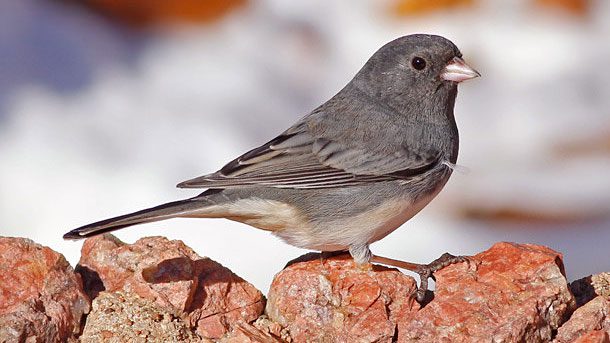
Credit: www.allaboutbirds.org
Frequently Asked Questions
What Is The Migratory Bird Treaty Act?
The Migratory Bird Treaty Act (MBTA) is a U. S. federal law. It was enacted in 1918 to protect migratory birds. The law makes it illegal to hunt, capture, or kill them without a permit. It aims to conserve bird populations and their habitats.
Does The Act Protect Bird Habitats?
Yes, the Act indirectly protects habitats by safeguarding birds. By preventing harm to birds, their natural habitats are preserved. This encourages the maintenance of ecosystems. It supports a balanced environment and biodiversity. Habitat conservation is essential for migratory birds' survival.
How Does The Act Benefit Migratory Birds?
The Act provides legal protection to migratory birds. It reduces threats like hunting, trapping, and poaching. By minimizing human interference, it helps maintain bird populations. The Act also promotes conservation awareness. This ensures a safer environment for birds to thrive.
What Species Are Covered By The Act?
The Act covers over 1,000 bird species. It includes migratory birds that travel between the U. S. and other countries. Some examples are ducks, cranes, and songbirds. The Act's protection extends to nests and eggs. It aims to conserve diverse bird species.
Conclusion
The Migratory Bird Treaty Act plays a crucial role in habitat protection. It helps safeguard important areas for birds. These areas provide essential resources for survival. Without protection, birds face numerous threats. The Act ensures habitats remain safe and thriving.
This benefits not only birds but ecosystems too. Healthy habitats support diverse wildlife. Conserving these areas aids biodiversity. By protecting habitats, we support nature's balance. The Act's importance cannot be overstated. It remains vital for bird conservation. Ensuring the Act's enforcement is key.
Continued efforts strengthen habitat protection. A collective responsibility ensures a sustainable future for all.