


Are you tired of watching squirrels turn your bird feeder into their personal buffet? It's a common problem.
You fill your feeder with the best seeds for your feathered friends, only to find those pesky squirrels raiding it before the birds even have a chance. You might feel frustrated or even at a loss for how to handle this crafty little intruder.
But don’t worry, there are effective solutions to outsmart them! Imagine enjoying your morning coffee while watching vibrant birds gather at your feeder, undisturbed by any furry gatecrashers. Intrigued? Let’s dive into proven strategies that will help keep your bird feeder a squirrel-free zone.
Why Squirrels Love Bird Feeders
Squirrels are clever and nimble, easily reaching bird feeders for a quick snack. To keep them away, install squirrel-proof feeders with weight-sensitive perches or cages. Placing feeders far from trees and using spicy seeds can also help deter these furry invaders from enjoying the birds' treats.
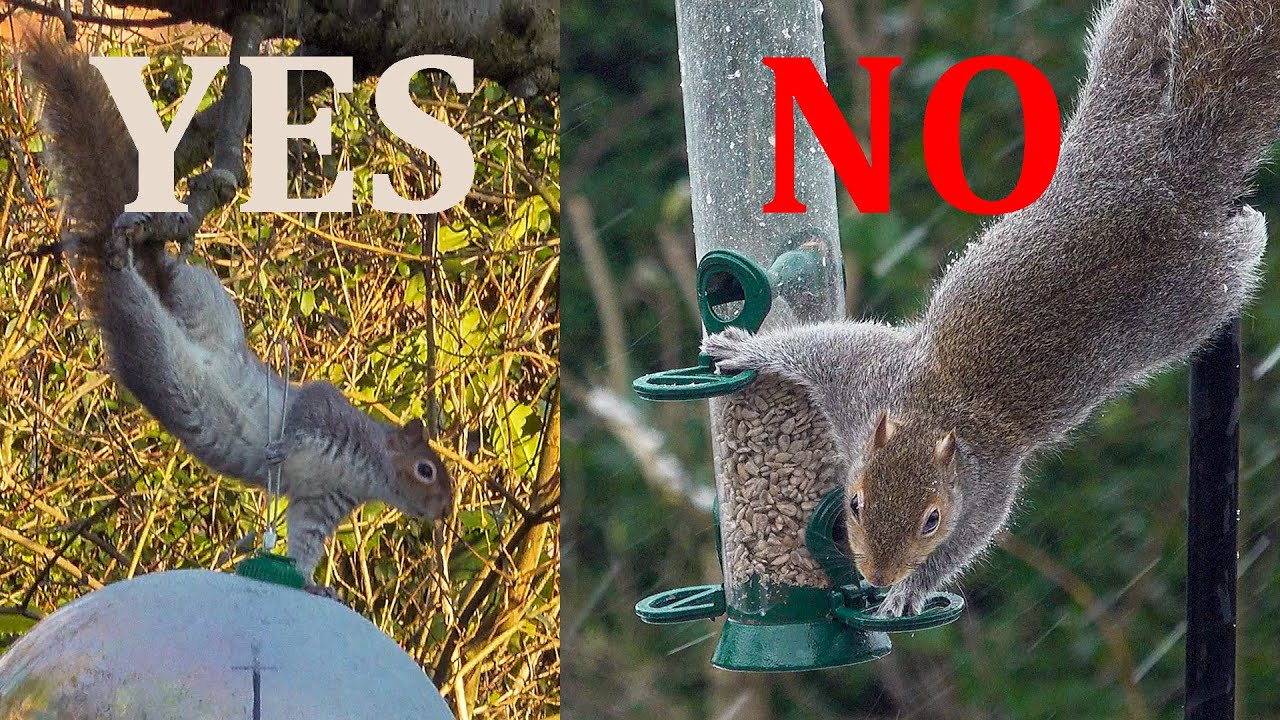
Have you ever wondered why squirrels seem to be more attracted to your bird feeder than the birds themselves? It's a common problem for bird enthusiasts, and understanding the reasons behind this can help you find effective solutions. Let's dive into why these furry critters can't resist raiding your bird feeders.
1. Abundance Of Food
Squirrels are opportunistic eaters. They are naturally drawn to places where food is plentiful. Bird feeders offer them an easy source of nuts, seeds, and grains that they don't have to forage for. Think about it: would you choose the buffet or the sparse meal? Bird feeders are like buffets for squirrels. They can feast without much effort, making them a magnet for these agile creatures.
2. Convenience And Accessibility
Bird feeders are designed for easy access, but not just for birds. Squirrels are excellent climbers and jumpers. They can easily navigate most feeders to get to the seeds. Consider the agility of squirrels. They can leap long distances and climb with finesse. This makes reaching your feeder a breeze for them, turning it into their personal dining spot.
3. Nutritional Appeal
Birdseed is not only abundant but also packed with nutrients that squirrels need. These seeds provide proteins and fats essential for their diet. Imagine the energy boost squirrels get from these seeds. It's like their version of an energy bar. Wouldn't you be tempted if you found a stash of your favorite snacks right in your backyard?
4. Lack Of Predators
Squirrels often find bird feeders in locations that are relatively safe from predators. This sense of security encourages them to frequent these spots more often. Think about the safety factor. If you were a squirrel, wouldn't you prefer a location where you can eat without the constant threat of being chased away?
5. Curiosity And Exploration
Squirrels are naturally curious creatures. They love to explore new territories and investigate potential food sources. Their curiosity often leads them to bird feeders. They are always on the lookout for new and intriguing places to explore, and your bird feeder fits the bill perfectly. --- Now that you know why squirrels love bird feeders, what can you do to keep them away? Have you tried any unique methods to deter them? Share your thoughts and tips in the comments below.
Credit: www.youtube.com
Choosing The Right Bird Feeder
Bird feeders invite beautiful birds to your garden. Yet, squirrels often intrude and eat the birdseed. Choosing the right bird feeder is key to keeping these furry visitors at bay. This guide helps you select a feeder that is both bird-friendly and squirrel-proof.
Squirrel-proof Designs
Various squirrel-proof designs exist for bird feeders. These designs keep squirrels from reaching the birdseed. Weight-activated feeders close off access when a squirrel lands on them. Cages around the feeder let small birds in but keep squirrels out. Look for feeders with spinning perches. Squirrels find it hard to hold on to spinning perches.
Materials That Deter Squirrels
Materials play a big role in deterring squirrels. Metal feeders resist chewing better than plastic ones. Squirrels have strong teeth and can chew through plastic easily. Glass feeders are also a good choice. They are tough and difficult for squirrels to destroy. Make sure the feeder has a secure lid. Squirrels are clever and can lift loose lids to access food.
Strategic Placement Of Bird Feeders
Strategic placement of bird feeders is a clever tactic to keep squirrels at bay. If you've ever watched these furry acrobats outsmart your best efforts, you know the struggle is real. The right placement not only deters squirrels but also ensures your feathered friends can feed in peace. Here’s how to set up your bird feeders strategically.
Location Tips
Your choice of location can make or break your squirrel-proofing efforts. Place your bird feeder at least 10 feet away from potential squirrel launching pads, like trees or fences. Squirrels can jump surprisingly far, so this distance is crucial.
Consider the area beneath the feeder too. Open spaces with no cover make squirrels feel exposed, which can deter them from attempting to reach the feeder. A clear line of sight also means you'll enjoy watching birds without obstructions.
Height And Distance Considerations
Height is your ally in the battle against squirrels. Suspend your bird feeder at least 5 feet above the ground. This height is out of reach for most squirrels, who are adept climbers but not miracle workers.
Ensure the feeder is a safe distance from any jumping-off points. A squirrel can leap about 10 feet horizontally, so maintain this distance from trees, roofs, and other tall structures. This simple step often makes all the difference.
Have you ever found a clever workaround that squirrels devised to reach your feeder? Consider sharing your story in the comments. Together, we can outsmart these persistent critters with strategic placement and a little creativity!

Credit: birdseedandbinoculars.com
Using Squirrel Baffles
Squirrel baffles act as a barrier, stopping squirrels from reaching bird feeders. These devices can be placed above or below feeders to block climbing paths. Made from smooth materials, baffles prevent squirrels from gripping, keeping bird food safe.
Keeping squirrels away from your bird feeder can feel like an endless battle. These clever creatures are always looking for ways to snatch some of the bird food intended for your feathered friends. One effective solution is using squirrel baffles. These devices can be a game-changer in your quest to protect your bird feed from squirrels. Let's dive into the types of baffles available and how to install them effectively.
Types Of Baffles
Squirrel baffles come in different shapes and designs, each with its unique advantage. You can choose from cone-shaped baffles, which resemble an upside-down funnel, making it difficult for squirrels to climb past them. There are also torpedo-shaped baffles, which slide up and down the pole to thwart sneaky squirrels. Some people prefer wrap-around baffles for easy installation around existing poles. These baffles can be clamped securely, adding an extra layer of difficulty for the squirrels. Have you ever wondered if the color of the baffle matters? It turns out, dark colors can help baffles blend in with the surroundings, adding a touch of elegance to your garden while protecting your bird feed.
Installation Tips
Proper installation is key to ensuring your baffles work effectively. Height matters—place the baffle at least four feet off the ground to prevent squirrels from jumping over it. Measure twice to avoid frequent adjustments. Secure the baffle tightly to avoid wobbling, which squirrels might exploit. If you're using a pole-mounted baffle, ensure it's fitted snugly to prevent any gaps. Do you have other wildlife visiting your yard? Consider installing multiple baffles to cover different angles and approaches. Using squirrel baffles is a proactive way to safeguard your bird feed. By selecting the right type and ensuring proper installation, you can enjoy uninterrupted birdwatching while keeping those pesky squirrels at bay. Have you tried using baffles before, or do you have a unique approach to keeping squirrels out? Share your thoughts and experiences!
Feeding The Squirrels Elsewhere
Feeding squirrels elsewhere can be a clever strategy to keep them away from your bird feeder. If you've ever watched squirrels darting around your yard, you know how persistent they can be. Instead of battling them, why not offer them a meal of their own? This approach can redirect their attention and preserve your birdseed. Plus, having a squirrel-friendly space can add charm and entertainment to your garden.
Creating A Squirrel Feeding Station
A squirrel feeding station can be as simple or elaborate as you like. Start by choosing a spot away from your bird feeder. This helps to keep the squirrels occupied and less likely to raid the birdseed.
Consider using a platform or low table to set up your station. You can even nail a few boards together to create a small feeding area. If you're handy, you might enjoy building a little wooden structure.
Place the feeding station near trees or bushes where squirrels naturally forage. This mimics their natural habitat and makes the station more appealing.
Food Preferences For Squirrels
Squirrels have specific food likes that differ from birds. They love nuts like peanuts, walnuts, and almonds. You can scatter these around their feeding station.
Fruits such as apples or berries can be a delightful treat for squirrels. They also enjoy sunflower seeds and corn kernels. Offering variety keeps them interested and coming back for more.
Think about what you've seen them snacking on in your yard. Use those foods as a guide. This ensures you're giving them something they'll truly enjoy.
Have you considered how feeding squirrels elsewhere might change your garden dynamics? It might just transform your space into a lively wildlife haven where everyone gets a fair share.
Natural Deterrents
Keep squirrels away from your bird feeder by using natural deterrents like spicy birdseed or installing squirrel baffles. Hanging feeders far from trees can also help. These methods ensure birds can feed without interruption.
Natural deterrents offer eco-friendly ways to keep squirrels away from bird feeders. These methods are safe for birds and the environment. They rely on scents and plants that squirrels dislike. Simple strategies can effectively protect bird feeders from unwanted visitors.
Scent-based Repellents
Squirrels have a keen sense of smell. Certain scents can deter them from bird feeders. Sprinkle cayenne pepper around the feeder. It irritates squirrels without harming birds. Use garlic cloves or onion slices for a similar effect. These strong odors drive squirrels away. Essential oils like peppermint or eucalyptus also work. Dab a few drops on the feeder to create a barrier.
Plants That Repel Squirrels
Grow plants that squirrels dislike near the bird feeder. Daffodils are a great choice; squirrels find them unpleasant. Marigolds emit a strong scent that deters squirrels. Plant them around the feeder for protection. Mint is another effective plant. Its strong aroma repels squirrels naturally. Use rosemary for a similar effect. These plants beautify the garden while safeguarding feeders.
Technological Solutions
Bird feeders attract colorful birds but often draw pesky squirrels too. These clever creatures can empty feeders quickly, leaving birds hungry. Thankfully, there are technological solutions to keep them at bay. Let's explore some effective options.
Electronic Feeders
Electronic feeders use smart technology to keep squirrels away. They detect the weight of a squirrel and shut down access. This ensures birds enjoy the seeds without interference. Adjustable settings cater to various bird sizes. Some models offer remote control features. This provides flexibility in feeder management.
Motion-activated Devices
Motion-activated devices scare squirrels off with sudden movements or sounds. These tools sense motion and activate deterrents immediately. Water sprays or ultrasonic sounds are common deterrents. They don't harm squirrels but effectively keep them away. Placement near feeders maximizes their effectiveness. These devices are often solar-powered, reducing maintenance needs.
Regular Maintenance
Regular maintenance is essential to prevent squirrels from raiding bird feeders. Clean feeders and trim nearby branches regularly. Utilize squirrel-proof feeders to create a less inviting environment for these clever critters.
Regular maintenance of your bird feeder is essential to keep squirrels at bay. Consistent upkeep not only ensures that your feathered friends have a clean and safe place to eat but also helps in identifying and addressing potential squirrel issues early on. Think of it as a routine check-up that can prevent bigger problems down the line. Plus, a clean feeder is more inviting to birds and less enticing to squirrels.
Cleaning And Inspecting Feeders
Start by cleaning your bird feeder regularly. A clean feeder means fewer food residues and less attraction for squirrels. Use warm water and mild soap to wash away any debris. Inspect the feeder for any damages. Cracks or holes can make it easier for squirrels to access the food. Replace or repair any broken parts promptly. A clean feeder is not just about aesthetics; it’s also about hygiene. Birds are less likely to visit a dirty feeder, and squirrels are more likely to invade one.
Monitoring Squirrel Activity
Observe the area around your bird feeder. Are squirrels visiting more often than usual? Keep a journal or use your phone to note down any patterns you see. Consider setting up a simple motion sensor or camera to track activity. This can give you insights into when squirrels are most active, so you can adjust your strategies accordingly. Ask yourself: Are there specific times of the day when squirrels are most present? Understanding their habits can help you better plan your deterrence methods. Regular maintenance might seem like a chore, but it’s your first line of defense. By keeping things clean and staying vigilant, you can enjoy watching birds without the interruption of pesky squirrels.

Credit: www.youtube.com
Frequently Asked Questions
How Can I Squirrel-proof My Bird Feeder?
To squirrel-proof your bird feeder, use a baffle or dome. Place it above or below the feeder. These devices prevent squirrels from climbing or jumping onto the feeder. Additionally, use weight-sensitive feeders that close off seed access when heavy creatures like squirrels land on them.
What Bird Seed Do Squirrels Dislike?
Squirrels usually dislike safflower seeds and nyjer seeds. These seeds are less appealing to them compared to sunflower seeds. Using seed mixes that contain these can help deter squirrels. Additionally, try incorporating hot pepper into bird feed, as birds are unaffected by it, but squirrels dislike the spice.
Do Squirrel-proof Bird Feeders Work Effectively?
Yes, squirrel-proof bird feeders are effective if used correctly. They are designed with features that deter squirrels. These include weight-sensitive perches and cages that restrict access. Consistent use can significantly reduce squirrel interference. Combining feeders with other deterrents enhances their effectiveness.
Can I Use Spicy Deterrents For Squirrels?
Yes, you can use spicy deterrents like cayenne pepper in bird seed. Birds are not affected by capsaicin, but squirrels dislike it. Ensure the spice is evenly distributed. This non-toxic method effectively deters squirrels without harming birds.
Conclusion
Keeping squirrels away from your bird feeder takes patience and strategy. Use squirrel-proof feeders for best results. Place feeders far from trees and fences. Baffles can block squirrels from climbing up poles. Regularly check for any damage or new ways squirrels might access.
Consistency is key in maintaining a squirrel-free zone. Enjoy watching your birds without pesky interruptions. Remember, persistence and the right tools make a difference. Happy birdwatching!