


Are you tired of watching those pesky squirrels turn your bird feeder into their personal buffet? You fill it with the finest seeds, hoping to attract beautiful birds, only to find it raided by furry intruders.
It's frustrating, isn't it? You're not alone in this battle. Many bird lovers face the same challenge. But what if you could finally outsmart these clever critters and reclaim your bird feeder? Imagine enjoying the serene sight of colorful birds flocking to your garden while squirrels stay at bay.
In this guide, we'll reveal proven strategies to keep squirrels out of your bird feeder once and for all. Stay with us, and let's tackle this problem together!

Credit: birdseedandbinoculars.com
Choosing The Right Bird Feeder
Choosing the right bird feeder can be a game-changer in your quest to keep those persistent squirrels at bay. If you've ever watched in frustration as a clever squirrel outsmarts your feeder’s defenses, you're not alone. The key is selecting a feeder that combines smart design with practical features, ensuring your feathered friends enjoy their meals in peace.
Squirrel-proof Designs
Consider feeders specifically designed to be squirrel-proof. These come with clever mechanisms like weight-sensitive perches that close access to food when heavier animals land on them. My neighbor swears by his feeder with a spinning perch that gently tosses squirrels off, much to their confusion and his amusement.
Others use cages around the feeding ports, allowing only smaller birds to access the seeds. These designs can be effective, but it’s crucial to ensure they are sturdy and well-constructed. After all, squirrels are persistent and resourceful!
Material Considerations
The material of your bird feeder plays a significant role in its durability and squirrel resistance. Opt for feeders made from metal or hard plastic, as these materials are tougher for squirrels to chew through. I once made the mistake of using a wooden feeder, only to find it gnawed apart within a week.
Metal feeders not only withstand the wear and tear of weather but also deter squirrels from causing damage. Ensure that any plastic parts are reinforced or thick enough to withstand biting attempts. It’s a small investment that can save you from frequent replacements.
Size And Location
The size and location of your feeder can significantly impact its squirrel-proof status. Larger feeders with more seed capacity might attract more birds, but they can also be more inviting to squirrels. Position your feeder in an area that’s difficult for squirrels to access, such as away from trees or structures they can jump from.
Hang feeders on poles equipped with squirrel baffles, or place them at least six feet off the ground. This simple adjustment can make a world of difference. Have you considered placing your feeder over a patio or balcony where squirrels have less leverage? It’s worth thinking about.
By carefully selecting the right bird feeder, you take a proactive step in enjoying the beauty of birdwatching without the constant battle against squirrels. Which feature will you prioritize in your next feeder purchase?
Positioning Strategies
Keeping squirrels out of your bird feeder can be a challenge. Positioning strategies can make a big difference. Correct placement can deter these pesky critters. Let's explore some effective tactics.
Optimal Feeder Height
Set the feeder at least 5 feet above the ground. This height makes it hard for squirrels to jump up. Use a pole to reach this height. Avoid placing it too low or too high.
Safe Distances From Trees
Place the feeder at least 10 feet from trees. Squirrels can jump long distances. Keeping feeders away from launch points is crucial. Ensure no branches hang over the feeder.
Using Baffles And Guards
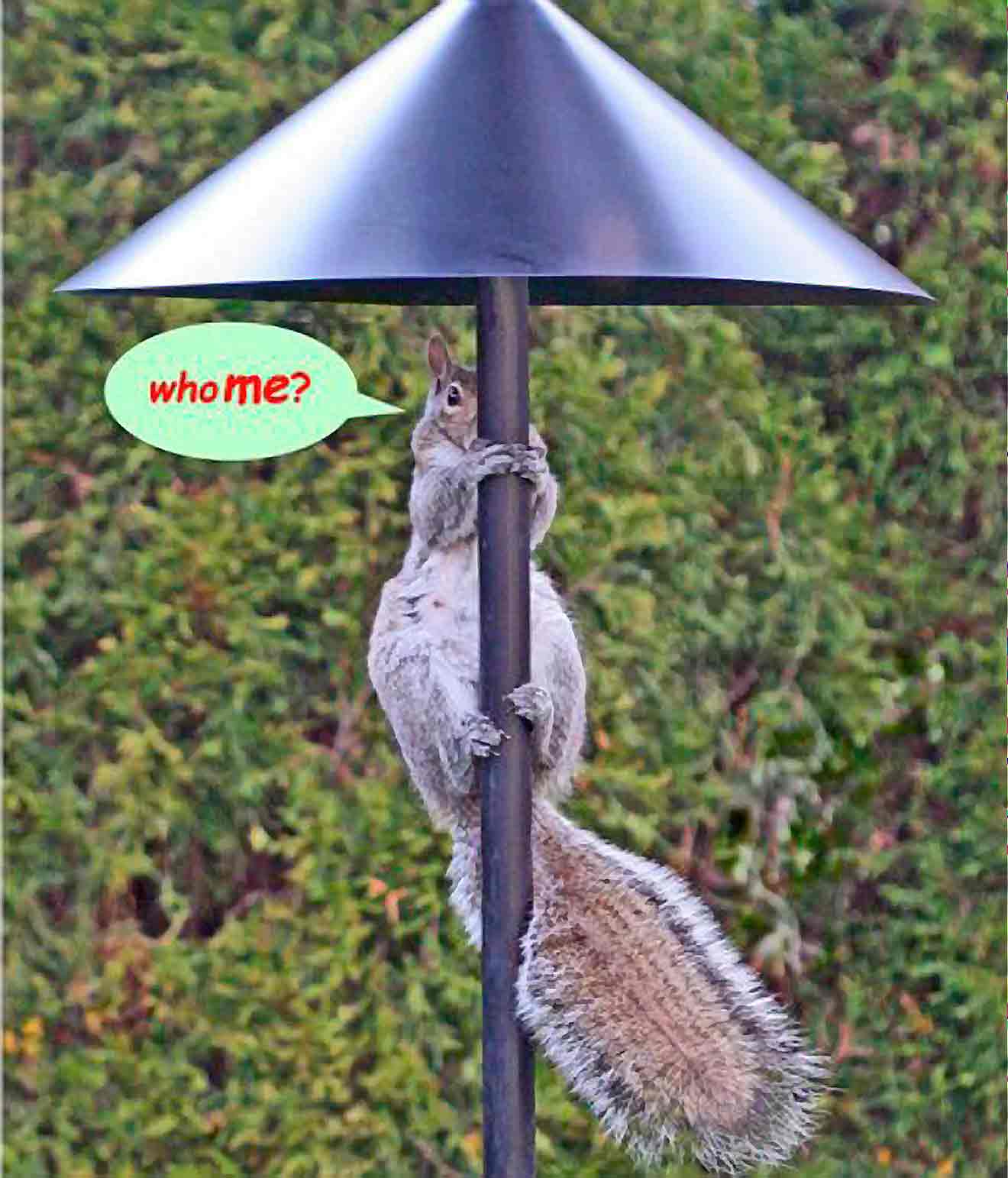
Install baffles on poles to block squirrels. Use a dome or cone-shaped baffle above or below. Guards can also be useful. They create physical barriers that squirrels can't bypass.
Feeder Modifications
Feeding birds can be a delightful pastime. Yet, squirrels often raid bird feeders, leaving little for the birds. Modifying your feeder can deter these clever intruders. Simple changes can ensure your feathered friends enjoy their meals in peace. Let's explore some effective feeder modifications.
Installing Squirrel Baffles
Squirrel baffles are barriers that block squirrels. Install them below hanging feeders or above pole-mounted ones. Make sure they wobble. This discourages squirrels from climbing past them. Choose baffles made of metal or smooth plastic. These materials make it hard for squirrels to grip. Protect your feeder effectively.
Adding Weight-activated Mechanisms
Weight-activated mechanisms are clever tools. They work by closing access when a squirrel's weight is detected. Only birds can enjoy the seeds inside. Adjust the weight sensitivity for different bird sizes. This ensures only your intended guests can feast. It’s a smart, efficient solution.
Using Slippery Materials
Slippery materials can thwart determined squirrels. Coat feeder poles with materials like petroleum jelly. Squirrels can’t climb easily on slippery surfaces. Choose feeders made from slippery plastics or metals. These materials make it hard for squirrels to hold on. Keep your bird feeder safe.
:max_bytes(150000):strip_icc()/how-to-keep-squirrels-out-of-bird-feeders-8646434-final-895c367fca1e4f8cbc344d3ae281a5a5.png)
Credit: www.thespruce.com
Alternative Feeding Options
Discovering effective ways to keep squirrels out of your bird feeder can be challenging. By offering alternative feeding options, you can keep both birds and squirrels satisfied. This approach helps reduce competition and ensures each creature has its own space to enjoy meals. Let's explore some alternative feeding options that can help you manage this common backyard dilemma.
Ground Feeding For Squirrels
Consider feeding squirrels on the ground. This can divert their attention from bird feeders. Spread some seeds or nuts on a designated area. The ground is their natural foraging spot. This keeps them occupied and away from the bird feeders.
Dedicated Squirrel Feeders
Another option is installing squirrel feeders. These feeders are designed specifically for squirrels. Place them away from bird feeders. This ensures squirrels have their own feeding station. They won't need to intrude on bird spaces.
Choosing Squirrel-friendly Foods
Select foods that squirrels love. Nuts, corn, and sunflower seeds work well. These foods attract squirrels to their designated feeder. They help keep them away from the bird feeders. Squirrels enjoy these treats and will focus on their feeder.
Natural Deterrents
Natural deterrents like cayenne pepper and peppermint oil can help keep squirrels away from bird feeders. These scents make the area unattractive to squirrels, allowing birds to enjoy their meal undisturbed. Regularly applying these natural solutions ensures effectiveness in safeguarding your feathered friends' feeding spots.
Keeping squirrels away from bird feeders can be challenging. Natural deterrents offer a gentle way to protect your bird seed. These methods are eco-friendly and safe. They help maintain a peaceful garden environment. Let's explore some effective natural deterrents.
Planting Squirrel-repelling Plants
Certain plants can deter squirrels effectively. Marigolds, daffodils, and alliums are great choices. Their strong scent keeps squirrels at bay. These plants are easy to grow. They add beauty to your garden. Plus, they protect your bird feeder.
Using Natural Scent Deterrents
Strong scents can repel squirrels. Pepper flakes or garlic powder work well. Sprinkle them around the feeder area. Squirrels dislike these smells. They are safe for birds. Regular application is needed. This keeps squirrels away.
Encouraging Natural Predators
Natural predators help control squirrel populations. Owls and hawks are effective. Install nest boxes to attract them. They naturally deter squirrels. This creates a balanced ecosystem. Birds remain safe. Squirrels stay away from your feeder.
Maintenance And Monitoring
Keeping squirrels out of your bird feeder can feel like a never-ending battle. However, with consistent maintenance and monitoring, you can significantly reduce their visits. While it might seem tedious, regular attention to your feeder setup ensures that your efforts remain effective and adaptable. Let's delve into some practical steps that you can take to make your bird feeder a squirrel-free zone.
Regular Feeder Checks
Performing regular checks on your bird feeder is crucial for maintaining a squirrel-free environment. Inspect your feeder for any damage caused by persistent squirrels. Look for signs like chew marks or broken parts. Ensure the feeder is hanging securely and is difficult for squirrels to access.
A simple habit of checking the feeder each morning can help catch any issues early. You might notice a new path the squirrels are using or a loose part that could be tightened. Fixing these quickly can save a lot of hassle later.
Adjusting Strategies
As you observe the interactions with your bird feeder, be ready to adjust your strategies. If squirrels find a way to bypass your current setup, it might be time to try something new. This could be as simple as relocating the feeder or changing the type of bird seed.
Consider experimenting with squirrel-proof feeders or adding baffles. Sometimes a small tweak can make a big difference. Have you ever thought about adding spicy birdseed? Birds don’t mind the heat, but it can deter squirrels effectively.
Documenting Squirrel Activity
Keeping a record of squirrel activity can be surprisingly insightful. Note down when squirrels are most active and any patterns you observe. Do they visit more often in the morning or late afternoon? Such details can help tailor your prevention strategies.
Use a simple notebook or even your phone to jot down observations. This documentation can help identify which tactics work and which need revision. You might find that certain deterrents are more effective during specific times of the day.
Ask yourself: How can this information shape my approach to keeping squirrels at bay? The answers might surprise you and lead to a more peaceful coexistence with your feathered friends.
Credit: www.theaudubonshop.com
Frequently Asked Questions
How Do I Squirrel-proof My Bird Feeder?
To squirrel-proof your bird feeder, use baffles or squirrel-proof designs. Position feeders at least 10 feet from trees and fences. Opt for spicy bird seed or safflower seeds, which squirrels dislike. Regularly clean the area to remove spilled seeds, reducing attraction.
What Is The Best Squirrel Baffle To Use?
A cone-shaped or cylindrical baffle is effective in deterring squirrels. Install it above or below your feeder, ensuring it's slippery and well-secured. Choose a sturdy material like metal or strong plastic. Proper placement and maintenance are key to maximizing its effectiveness.
Can Squirrels Harm Bird Feeders?
Yes, squirrels can damage bird feeders. They chew on plastic parts and can break fragile components. This damage can lead to seed spillage and feeder malfunction. Choosing durable, squirrel-resistant materials helps in minimizing these risks and prolongs feeder life.
Do Spicy Seeds Deter Squirrels?
Spicy seeds, like those treated with cayenne pepper, can deter squirrels. Birds are unaffected by the spice, but squirrels dislike it. Ensure the coating is consistent and safe for birds. Regularly check and refresh seeds to maintain their effectiveness as a deterrent.
Conclusion
Keeping squirrels away can protect your bird feeder. Try different strategies to see what works best. Use squirrel-proof feeders or add baffles. Place feeders away from trees and fences. Feed birds seeds that squirrels dislike. Regularly check and adjust your setup.
Persistence is key. Enjoy watching birds without squirrel interruptions. Happy bird watching!