


Imagine sipping your morning coffee while watching a flurry of colorful birds dance around your garden. Sounds delightful, right?
Creating a bird feeder is your golden ticket to attracting these feathery friends right to your doorstep. Whether you’re a seasoned birdwatcher or a curious beginner, making a bird feeder can be a fun and rewarding experience. Not only does it allow you to connect with nature, but it also brings life and movement to your outdoor space.
You don't need to be a master craftsman or spend a fortune to build one. With a few simple materials and a sprinkle of creativity, you can craft a feeder that’s both functional and charming. So, are you ready to transform your backyard into a bird haven and enjoy the endless joy and tranquility that birds bring? Let’s dive into the simple steps of making your very own bird feeder.
Credit: www.chicagochildrensmuseum.org
Materials Needed
Creating a bird feeder at home can be an enjoyable activity. It attracts various bird species to your garden. Before starting, gather all the essential materials. This ensures a smooth and fun crafting experience. Let's explore the materials needed to make a simple yet effective bird feeder.
Wood Or Recycled Material
Choose wood or recycled materials for the feeder base. Wood is durable and blends well with nature. Recycled materials like plastic bottles are eco-friendly and easy to find. Ensure the material is safe for birds.
Nails Or Screws
Nails or screws are needed to join the parts. Use small nails or screws to prevent damage. Ensure they are not exposed to avoid harming the birds.
Glue Or Adhesive
Use strong glue or adhesive for extra stability. It helps in holding parts together securely. Make sure the glue is non-toxic for bird safety.
Paint And Brush
Paint adds color and protection to the feeder. Use a brush for even application. Choose non-toxic paint to keep birds safe.
Drill Or Hammer
A drill or hammer is needed for assembly. A drill helps in making precise holes. A hammer is useful for securing nails.
Sandpaper
Sandpaper smoothens rough edges and surfaces. It prevents splinters that might harm birds. Sand the feeder until it's smooth to touch.
String Or Wire
String or wire is essential for hanging the feeder. It should be strong enough to hold the weight. Ensure it is securely tied to prevent falls.
Protective Varnish
Apply protective varnish to shield the feeder from weather. It prolongs the feeder's life. Ensure the varnish is bird-safe.
Choosing The Right Location
Choosing the right location for your bird feeder is crucial. Birds are sensitive to their surroundings. They need a safe and welcoming space. A well-positioned feeder attracts more birds. It also offers protection from predators. Consider these factors when selecting a spot.
Accessibility For Birds
Place the feeder where birds can easily reach it. Ensure branches are nearby for perching. Birds need a place to land first. Avoid areas with dense foliage. Clear pathways encourage birds to visit.
Safety From Predators
Keep the feeder away from potential threats. Cats and squirrels are common predators. Hang the feeder at least five feet high. This height deters ground predators. A safe location ensures birds feel secure.
Protection From Elements
Choose a spot shielded from wind and rain. Birds prefer calm environments. A sheltered area provides comfort. Keep feeders away from harsh sunlight. Direct sunlight can spoil food quickly. Shade helps preserve birdseed quality.
Visibility For Bird Watching
Place the feeder where you can easily observe it. Birdwatching is a rewarding activity. Ensure it’s visible from a window. A clear view enhances the experience. Watching birds is both relaxing and educational.
Basic Feeder Designs
Crafting a bird feeder can be simple and fun. Start with a pine cone, coat it in peanut butter, and roll it in birdseed. Hang it outside with string for a perfect spot to watch birds.
Creating a bird feeder is a delightful way to invite wildlife into your backyard. Not only does it provide food for birds, but it also offers endless entertainment and a sense of connection to nature. With a variety of basic feeder designs, you can easily tailor your project to fit your space and creativity. Whether you prefer something simple or more decorative, there's a design just right for you. Let's explore a couple of straightforward options that you can start building today.
Simple Tray Feeder
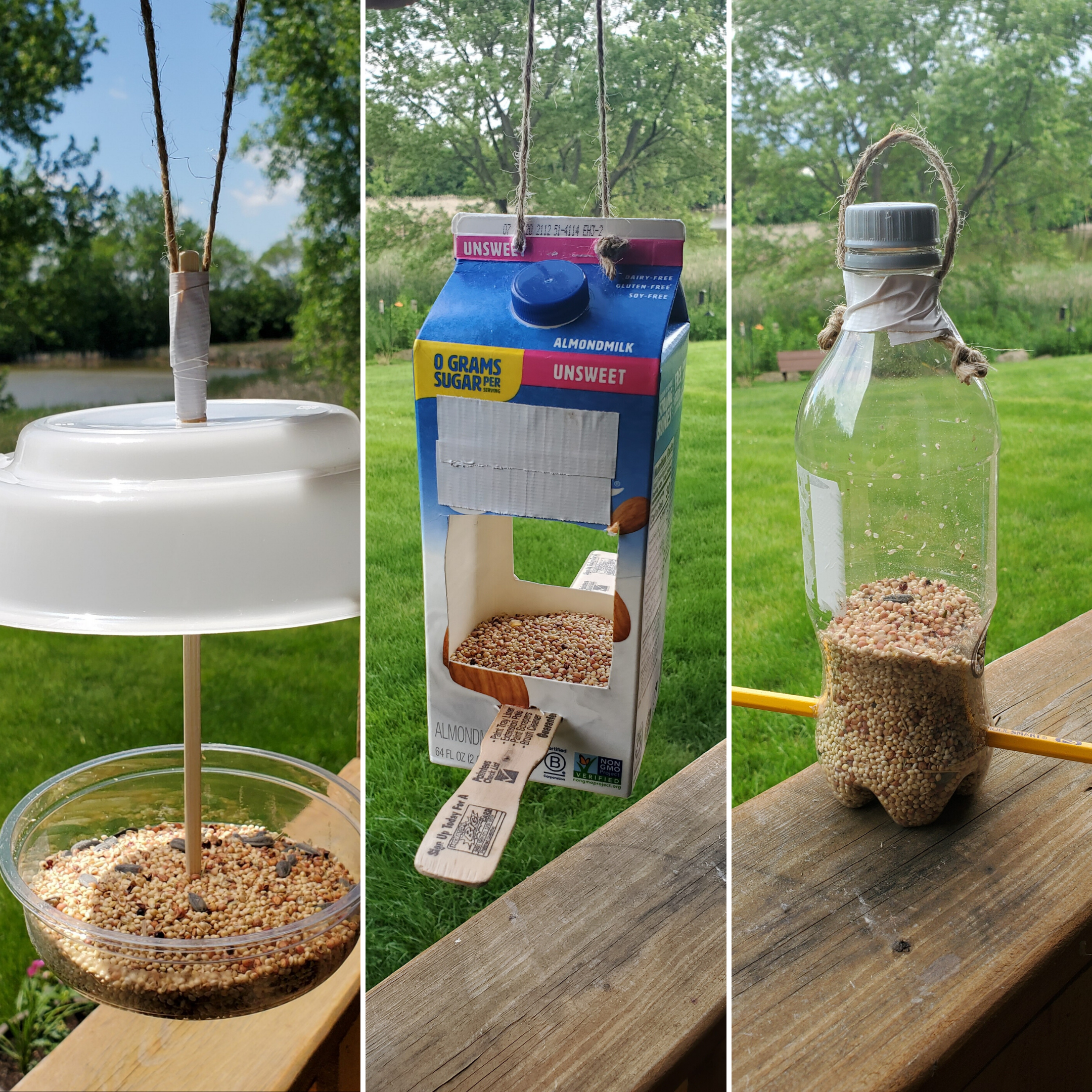
A simple tray feeder is one of the easiest designs you can create. It involves using a shallow tray or even a plate to hold seeds. Place it on a flat surface, like a table or a railing, where birds can easily access it. To make this feeder, find a sturdy tray or board, preferably with raised edges to keep the seeds from spilling. Drill a few small holes in the bottom for drainage. This prevents water from collecting and spoiling the seeds. Consider adding some weight, like small stones or hooks, to keep the tray stable in windy conditions. If you use a wooden tray, a quick coat of non-toxic sealant can protect it from the elements, extending its life.
Hanging Bottle Feeder
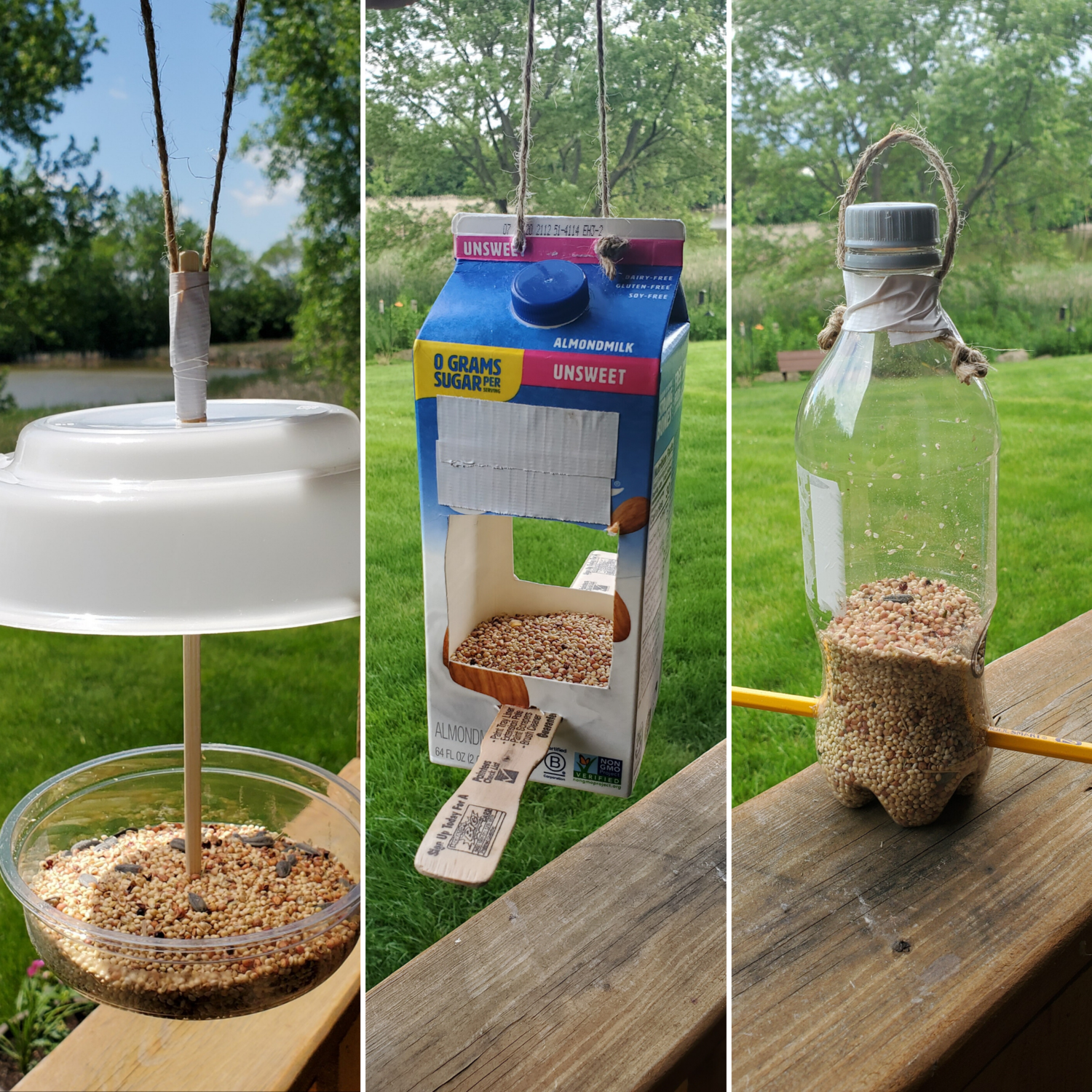
The hanging bottle feeder is a fantastic way to upcycle plastic bottles while feeding your feathered friends. Use a clean, empty bottle as the main structure of the feeder, and watch as it transforms into a bird magnet. Begin by piercing small holes near the bottom of the bottle for the birds to access the seeds. Ensure the holes are big enough for seeds to flow out but small enough to prevent waste. Attach a perch, like a wooden dowel or twig, just below the holes for birds to rest on while feeding. Secure a string or wire around the neck of the bottle to hang it from a tree branch or hook. You can even decorate the bottle with paint or stickers to make it more visually appealing. Remember to refill the seeds regularly, as this type of feeder can attract many visitors. Building these bird feeders can be a fun project for a weekend afternoon. Have you thought about which design suits your space best?
Advanced Feeder Projects
Crafting a bird feeder can be a fun project. Gather materials like wood, plastic bottles, or tin cans. Assemble and decorate them creatively to attract birds. Enjoy watching birds visit your homemade feeder while enhancing your garden's ambiance.
Creating bird feeders can be a rewarding hobby, especially when you advance to more complex projects. These projects not only challenge your creativity but also offer a unique touch to your garden. Whether you're using recycled materials or crafting a wooden masterpiece, there's a sense of accomplishment in knowing you've made something special for your feathered friends.
Recycled Materials Feeder
Why not turn everyday waste into a bird haven? Using recycled materials for a bird feeder is an excellent way to reduce waste and attract birds. Think about using old plastic bottles or tin cans to create a simple yet effective feeder. To start, cut a few holes in a plastic bottle. Insert wooden spoons through these holes to act as perches and feeding spots. Fill the bottle with birdseed, secure the cap, and hang it in your garden. This project is not only eco-friendly but also a fun way to engage kids in crafting.
Wooden Platform Feeder
For those who love working with wood, a platform feeder is a perfect project. This type of feeder is ideal for attracting larger birds that need a bit more space. You’ll need some basic woodworking tools and skills. Start by cutting a wooden board to your desired size. Add a raised edge around the platform to keep the seeds in place. Drill holes in the corners of the board for attaching hanging ropes. Finally, find a sturdy branch or a pole to hang your feeder. Imagine the satisfaction of watching birds flock to your beautifully crafted wooden feeder. It’s a testament to both your skills and your love for nature. Have you ever tried making a bird feeder from scratch? What was your experience, and did the birds enjoy it as much as you did?
Decorative Touches
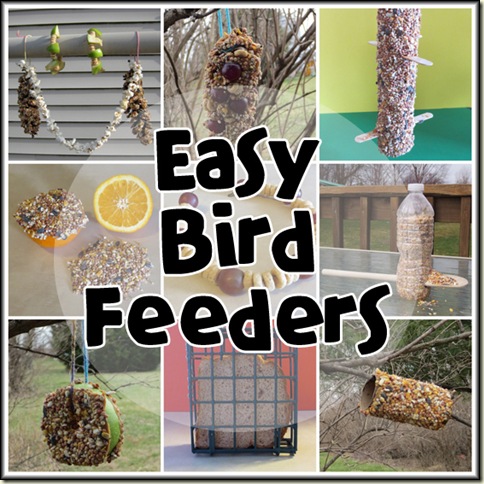
Crafting a bird feeder adds charm to any garden. Use simple materials like a plastic bottle or milk carton. Paint it with vibrant colors, and attach a small perch for birds to rest.
Adding decorative touches to your bird feeder not only enhances its visual appeal but can also make it more inviting for birds. A creatively designed feeder can turn your garden into a charming bird haven, catching both the eye of your feathered friends and those who visit your outdoor space. So, how do you transform a simple bird feeder into a masterpiece that stands out? Let's dive into some practical, actionable ideas that can help you achieve this.
Personalize With Paint
Use non-toxic paint to add vibrant colors to your bird feeder. Bright shades can attract various bird species, making your feeder a popular spot. Personalize it with patterns or designs that reflect your style. One weekend, I painted sunflowers on my feeder, and it became a delightful pop of color in my garden. Have you considered what designs might reflect your personality?
Incorporate Natural Elements
Think about using natural elements like twigs, pinecones, or dried flowers to decorate your feeder. These materials blend seamlessly with the environment and create an organic look. You could glue a few pieces around the edges or hang small pinecones from the bottom. This not only looks appealing but also provides birds with familiar materials they might use for nesting.
Use Recycled Materials
How about giving a second life to some household items? Recycled materials can add a unique touch to your bird feeder. Consider using bottle caps, old buttons, or even pieces of broken pottery. I once used colorful bottle caps to create a mosaic pattern on my feeder, and it was a hit with both guests and birds. What items do you have around that could be repurposed?
Add A Splash Of Creativity
Unleash your creativity by integrating small accessories or ornaments. Little bells, beads, or wind chimes can add a whimsical touch. These can also create gentle sounds that might attract curious birds. Just ensure any additions are securely fastened and safe for the birds.
Think Seasonal
Decorate your bird feeder to match the seasons. In spring, you might add pastel-colored ribbons, while autumn could see earthy tones or mini pumpkins. This keeps your garden decor fresh and engaging throughout the year. Have you thought about how your feeder could change with the seasons? By focusing on these decorative touches, you not only create a visual treat but also a warm, welcoming environment for birds. Your bird feeder can become a reflection of your creativity and love for nature, enriching your garden space in unexpected ways. What decorative ideas are you excited to try on your bird feeder?
Credit: thehomeschoolscientist.com
Selecting Bird Food
Creating a bird feeder involves choosing the right bird food. The food you select plays a significant role in attracting different bird species. Understanding the types of seeds and their seasonal variations can enhance your bird-watching experience.
Seed Types
Different birds prefer different seeds. Sunflower seeds attract cardinals and finches. They are rich in oil and provide energy. Millet is loved by sparrows and doves. It is small and easy for them to eat. Nyjer seeds are a favorite for goldfinches. They are tiny and packed with nutrients.
Mixed seeds cater to a variety of birds. They contain a combination of sunflower, millet, and cracked corn. This mixture appeals to many birds, increasing your chances of diverse visitors.
Seasonal Variations
Birds have changing needs with seasons. During winter, birds need high-fat seeds. Sunflower seeds provide warmth and energy. In spring, birds prefer seeds rich in protein. Protein aids in feather growth and nesting.
Summer brings more fruits and insects. Birds shift to lighter food sources. Autumn requires seeds that prepare birds for winter. Consider adding nuts and berries to your feeder. Seasonal changes in bird diet ensure birds get the nutrition they need.
Maintaining Your Feeder
Crafting your own bird feeder can be simple and rewarding. Start by gathering easy-to-find materials like wood or plastic bottles. Next, assemble them with basic tools, ensuring the feeder is sturdy. Regularly clean it to maintain hygiene and attract more birds.
This DIY project brings nature closer to home.
Maintaining your bird feeder is as essential as building it. Regular upkeep ensures that the birds visiting your garden stay healthy and keep coming back. It can also prevent common issues like pest infestations and mold growth. Paying attention to your feeder's condition shows that you care about your feathered friends and your backyard's ecosystem. Are you ready to learn how to keep your bird feeder in tip-top shape?
Cleaning Tips
Keep your bird feeder clean to ensure the birds' health and safety. A simple rinse with hot water will often do the trick. For a deeper clean, scrub it with mild dish soap and a brush. Rinse thoroughly to remove all soap residues. Dry it completely before refilling to prevent mold. Cleaning doesn't have to be a chore. Schedule it as a relaxing weekend activity. You might even spot some new birds while you're at it.
Preventing Pests
Pests can turn your bird feeder into a problem spot. To keep them away, ensure no seeds are spilling onto the ground. Opt for feeders designed to deter squirrels and other critters. You can also try adding a baffle—a dome-shaped guard—to your feeder pole. Spice things up by mixing cayenne pepper into the birdseed. Birds are not affected by the heat, but it will keep squirrels and pests at bay. Are you doing enough to protect your bird feeder from uninvited guests?
Encouraging Bird Visits
Creating a homemade bird feeder invites feathered friends to your garden. Use pine cones and peanut butter to attract them. Hang it outdoors and watch various bird species gather for a snack.
Creating a bird feeder is a delightful way to invite nature. Watching birds visit your garden can be a peaceful experience. To attract more birds, certain strategies can be effective. This section explores practical ways to make your feeder more appealing.
Providing Water
Birds need water for drinking and bathing. Place a shallow birdbath near the feeder. Keep it clean and filled with fresh water. Use a small fountain or dripper to create moving water. Birds find moving water more attractive. In winter, consider a heated birdbath. It prevents the water from freezing.
Creating A Safe Environment
Safety is crucial for encouraging bird visits. Position the feeder near trees or shrubs. Birds use them as a refuge from predators. Avoid placing feeders near windows to prevent collisions. Use squirrel-proof feeders to deter unwanted visitors. Regularly clean the feeder to prevent disease spread. Ensure there's no toxic plants or chemicals nearby. `
Credit: www.chicagochildrensmuseum.org
Frequently Asked Questions
How Can You Make A Simple Bird Feeder?
To make a simple bird feeder, start with a recycled plastic bottle. Cut small holes for perches and dispensing bird seed. Attach spoons or sticks through these holes for perches. Fill the bottle with seeds and hang it in a suitable location.
Ensure it's accessible for birds but safe from predators.
What Materials Do You Need For A Bird Feeder?
For a basic bird feeder, you'll need a plastic bottle, scissors, wooden spoons or sticks, and bird seed. Additionally, you'll need string or wire for hanging. These materials are easily available and affordable, making it a fun and simple DIY project for all ages.
Where Should You Place A Bird Feeder?
Place your bird feeder in a quiet, open area with some natural cover nearby. Ensure it's visible to birds but safe from predators. Hang it at eye level or higher. Avoid windy spots and maintain a clear view from your home for easy observation and refilling.
How Do You Attract Birds To Your Feeder?
To attract birds, use a variety of seeds like sunflower seeds and millet. Different birds prefer different seeds. Place the feeder near shrubs or trees for safety. Ensure a consistent supply of fresh seeds. Clean the feeder regularly to prevent disease and mold.
Conclusion
Building a bird feeder can be a fun project. You get to enjoy nature up close. Birds bring music and life to your garden. They can be entertaining to watch. Making a feeder is simple and rewarding. You only need a few materials.
You can use recycled items too. This activity is great for kids and adults alike. Watching birds can be relaxing and educational. Your homemade feeder will attract many birds. Soon, your garden will be buzzing with activity. Enjoy the beauty and sounds of nature.
Your efforts will pay off with happy chirps.