


How Do Birds Feed Their Chicks?
Ever watched a bird feeding its chicks and wondered how this magical process unfolds? You’re about to discover the fascinating world behind those fluffy little nestlings and their devoted parents.
When birds feed their chicks, it's not just about providing food; it's a captivating dance of nature, where survival and love intertwine. This article will unveil the secrets of how birds manage to nourish and protect their young, ensuring their chicks grow strong and healthy.
You’ll learn about the incredible methods birds use, from regurgitating food to teaching their chicks to hunt. By the end, you’ll view every chirp and flutter with newfound awe and appreciation. Stick with us, and satisfy your curiosity about this enchanting aspect of avian life.

Credit: www.nwf.org
Birds' Feeding Techniques
Birds feed their chicks by regurgitating pre-digested food directly into their mouths. This method ensures young birds receive essential nutrients for growth. Parents tirelessly gather food, providing frequent meals to ensure their chicks' survival and development.
When you think about birds nurturing their chicks, the image that likely comes to mind is a parent bird diligently feeding its young. The techniques birds use to feed their chicks are fascinating and varied. From regurgitating food to hunting for insects or seeds, and even more specialized methods, each technique is a marvel of nature.
Regurgitation Process
One of the most common feeding techniques is regurgitation. Parent birds consume food and store it in their crop, a special pouch in their throat. When they return to the nest, they regurgitate the partially digested food for their chicks. This may sound unpleasant, but it’s incredibly efficient. The young birds receive food that’s easier to digest, packed with nutrients they need to grow strong. Have you ever watched a bird feed its chick this way and wondered about the bond it creates?
Insects And Seeds
Not all birds rely on regurgitation. Some species, like robins and sparrows, bring insects and seeds directly to the nest. They skillfully catch insects or gather seeds and deliver these fresh meals to their hungry chicks. This method ensures that chicks get a varied diet, essential for their development. Next time you see a bird hopping around your garden, consider the effort it takes to find the perfect snack for its young.
Specialized Feeding Methods
Some bird species use highly specialized feeding techniques. For instance, woodpecker parents might chip away at bark to expose insects for their chicks. Kingfishers dive into water to catch fish, offering their chicks a protein-rich meal. These specialized methods highlight the adaptability and resourcefulness of birds. It makes you wonder—how do these skills evolve, and what can we learn from their adaptability? Understanding these feeding techniques not only deepens our appreciation for bird behavior but also raises questions about the wonders of nature. How do these techniques impact the survival and growth of chicks? Next time you see a bird at work, take a moment to marvel at these intricate and efficient feeding practices.
Adaptations For Feeding
Birds feed their chicks by regurgitating food directly into their mouths. This process helps provide essential nutrients. Parent birds often hunt or gather food, ensuring their chicks receive adequate nourishment for growth and development.
Birds have fascinating adaptations that help them feed their chicks efficiently. These adaptations ensure that their young receive the nutrition they need to grow and thrive. As you observe different bird species, you might wonder how their physical traits assist in this nurturing process. Let's delve deeper into how beak shapes and digestive systems play a crucial role in feeding their young.
Beak Shapes And Functions
Birds have beaks specially designed to suit their feeding habits. Ever noticed how a pelican's beak is long and scoop-like? It's perfect for catching fish. Sparrows, on the other hand, have short, conical beaks ideal for cracking seeds. These variations aren't random; they're evolutionary adaptations to their environment. The shape and size of a bird's beak determine what kind of food it can gather and how efficiently it can feed its chicks. Imagine a hummingbird with its long, slender beak sipping nectar from flowers. That same beak helps feed its chicks by transferring small insects and nectar. How does your environment shape your tools and techniques?
Digestive Adaptations
Birds aren't just about beaks; their digestive systems are equally fascinating. Birds like pigeons produce a substance called "crop milk." It's a nutrient-rich fluid that's regurgitated to feed their young. Other birds may partially digest food before feeding it to their chicks. This ensures that the nutrients are more accessible and easier for the chicks to digest. It's like a parent pre-chewing food for a toddler to prevent choking. Have you ever considered how your digestion impacts your health and energy levels? Birds show us the importance of efficient digestion and nutrient absorption. Their unique digestive systems highlight how evolutionary adaptations can optimize feeding strategies. By examining these adaptations, you gain a deeper appreciation for the intricate ways nature supports survival. Next time you see a bird feeding its young, take a moment to appreciate the ingenious design behind these everyday miracles. Are there adaptations in your life that you might be overlooking?
Parental Roles In Feeding
Birds have fascinating ways of feeding their chicks. Parents often take turns bringing food to the nest. They regurgitate partially digested food directly into the chicks’ mouths, ensuring they receive necessary nutrients for growth. This nurturing process highlights the crucial role of parental care in a chick's survival and development.
Birds display fascinating strategies when feeding their chicks, reflecting nature's brilliance in ensuring survival. The roles played by bird parents in feeding their offspring are a testament to teamwork and dedication. You might wonder how these feathered parents manage the demanding task of keeping their chicks well-fed. Let's delve into the dynamics between mother and father birds and explore how they share responsibilities to ensure their chicks thrive.
Mother And Father Dynamics
In many bird species, both parents are actively involved in feeding their chicks. This teamwork is crucial, especially when food resources are scarce. The mother often initiates the feeding process, but the father is equally important in gathering food. You might observe this in common backyard birds, where both parents tirelessly hunt and deliver food to their hungry brood. It's intriguing how they communicate and coordinate their roles, ensuring the chicks never go hungry. Have you ever noticed how synchronized their movements are during feeding times?
Shared Responsibilities
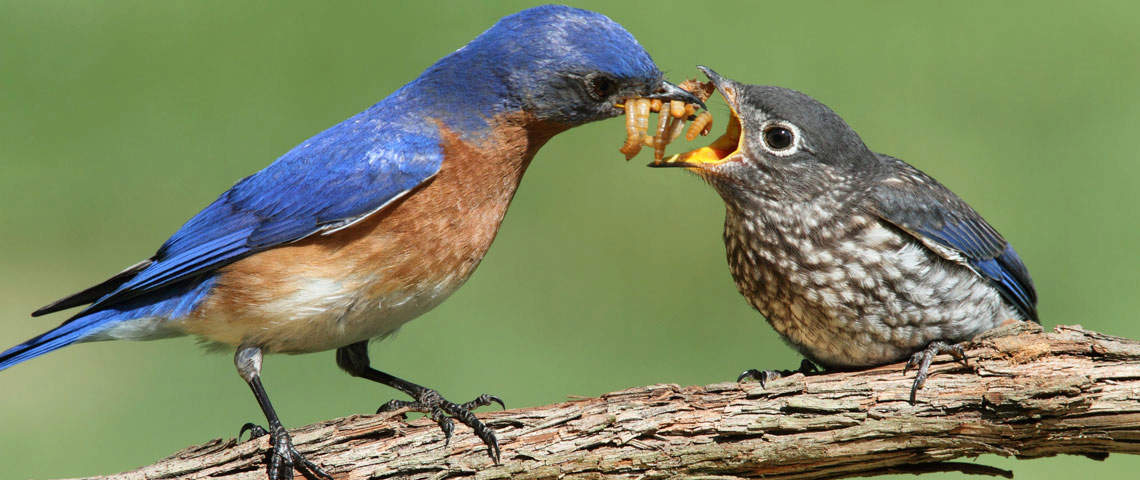
Bird parents often divide their duties to maximize efficiency. While one might forage for food, the other stays back to guard the nest and chicks. This division of labor ensures that chicks are both nourished and safe from predators. Imagine witnessing this seamless partnership in action—it's like watching a well-rehearsed dance. Both parents contribute to the upbringing of their young, and this shared responsibility strengthens the bond between them. Have you ever considered how this cooperation might influence the chicks' future behavior? By understanding these intricate parental roles, you gain a deeper appreciation for the natural world around you. Next time you see birds feeding their chicks, take a moment to observe their unique teamwork. What insights have you gained from watching birds in your neighborhood?
Credit: www.pennington.com
Challenges In Feeding
Birds face challenges when feeding their chicks, often requiring multiple daily trips to find food. Parent birds must balance protection and nourishment, keeping their young safe from predators while providing essential nutrients.
Feeding chicks is no easy task for birds. As you watch a mother bird tirelessly scurry back and forth to bring food to her babies, you might wonder about the hurdles she faces. Birds face numerous challenges in ensuring their chicks receive enough nourishment. These challenges can often be the difference between survival and peril for the young ones. Let's dive into some of the major obstacles birds encounter during this critical phase of chick-rearing.
Food Scarcity
Imagine being tasked with finding food for your family, but the grocery stores are often empty. That's a similar challenge birds face when food becomes scarce. Seasonal changes can drastically affect the availability of food. During colder months or droughts, insects and seeds can be hard to find. This scarcity means birds must travel further and expend more energy to find adequate nourishment. Have you ever wondered how birds manage to feed their chicks when food is hard to come by? Some species adapt by timing their breeding season to coincide with peak food availability. Others might store food in advance. Yet, this doesn't guarantee success. The constant search for food can exhaust parent birds, impacting their ability to care for their chicks.
Predator Threats
Feeding chicks isn't just about finding food; it’s also about ensuring safety. Predators constantly lurk, waiting for the perfect opportunity to strike. As parent birds venture out to gather food, they risk exposing their nests to danger. A momentary lapse in vigilance can result in disaster. Do you often think about the strategies birds use to protect their nests? Many species employ clever tactics to keep predators at bay. Some birds build nests in hard-to-reach places, while others use distraction techniques. Still, the risk remains. Every trip out to feed their chicks is fraught with the possibility of encountering a predator. These challenges highlight the incredible resilience and determination birds exhibit in raising their young. Next time you observe birds in your backyard, consider the trials they face just to feed their chicks. Their ability to navigate these obstacles is truly remarkable and offers insights into the natural world's tenacity. How do you think human activities impact these challenges further?
Impact On Chick Development
Birds play a crucial role in the development of their chicks. The way they feed their young impacts growth and learning. This nurturing process shapes the future of the chicks. Feeding not only supplies nutrition but also affects overall development. Let's explore how feeding influences chick growth and skills.
Growth Rates
Proper feeding directly affects chick growth rates. Chicks need regular meals to grow strong. The nutrients they receive from their parents are vital. Protein and fats in their diet contribute to healthy growth. Chicks that receive ample food develop faster. They become independent sooner than underfed chicks.
Parents often adjust feeding based on chick needs. This ensures optimal growth during critical stages. Chicks grow rapidly in the first weeks. This rapid growth sets the foundation for their survival.
Survival Skills
Feeding also teaches chicks essential survival skills. Chicks learn to recognize food sources. They observe their parents' hunting techniques. This knowledge aids in self-feeding later. Chicks practice these skills through imitation.
Additionally, feeding time helps chicks build social skills. They learn to communicate with siblings. This communication is vital in avoiding danger. Social interactions during feeding improve their survival chances.
Chicks develop problem-solving skills by observing their parents. These skills are crucial for finding food independently. Understanding these feeding impacts provides insight into bird development. It highlights the importance of a balanced diet in their early life.
Evolutionary Insights
Birds have fascinated humans for centuries with their colorful plumage and melodious songs. But it's the nurturing aspect of how birds feed their chicks that offers a glimpse into the marvels of evolution. Understanding these evolutionary insights not only deepens your appreciation for nature but also provides a window into the adaptive strategies that have ensured the survival of numerous bird species across generations.
Historical Feeding Strategies
Birds have developed various strategies over time to feed their young. In ancient times, some bird species relied solely on regurgitating pre-digested food. Others, like the Egyptian Plover, were known to transport water in their beaks to hydrate their chicks. These methods highlight a historical reliance on direct transfer of nourishment from parent to offspring.
Imagine watching a parent bird carefully breaking down food before offering it to its chick. This was not just nurturing; it was a survival tactic shaped by evolutionary pressures. What methods do you think have persisted, and why?
Adaptive Evolution
As environments changed, birds adapted their feeding techniques to increase the chances of their chicks' survival. Some birds evolved to feed their chicks insects, providing essential proteins for growth. Others adjusted to feed on seeds or fruits, reflecting the availability of resources.
Take the example of birds living in urban areas. They've learned to feed on scraps left by humans, showing remarkable adaptability. This evolution in feeding strategies is a testament to their resilience. How do you think this adaptability affects bird populations today?
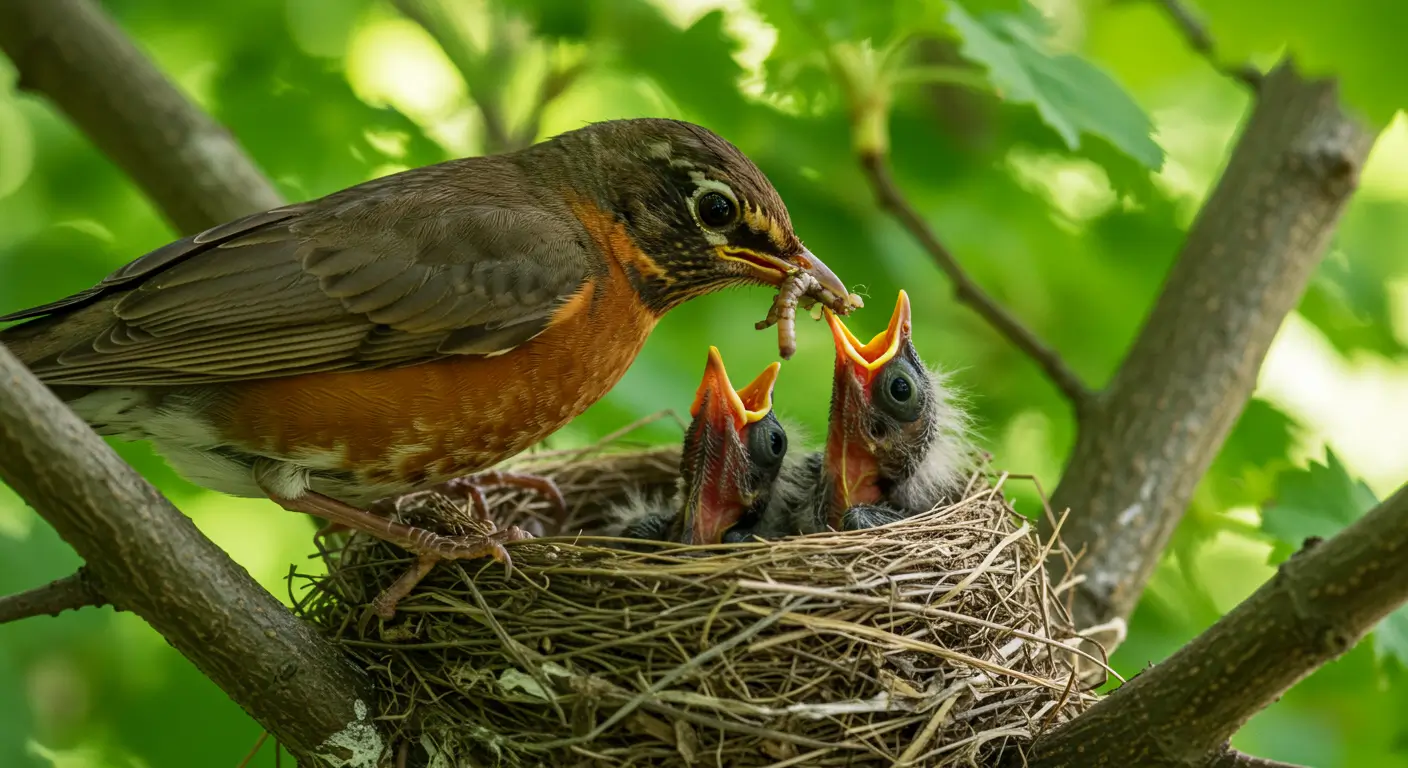
These feeding strategies offer insights into the evolutionary journey of birds. Next time you observe a bird feeding its chicks, consider the complex web of strategies and adaptations that have led to that moment. The marvel of nature is in its details, waiting for you to notice and appreciate.
Credit: mostbeautifulbirds.com
Frequently Asked Questions
How Do Birds Find Food For Chicks?
Parent birds forage for food by hunting insects, gathering seeds, or catching small prey. They have keen senses to locate food sources. Once found, they bring it back to the nest to feed their chicks. This ensures that the chicks receive essential nutrients for growth.
What Do Birds Feed Their Young Ones?
Birds typically feed their young insects, seeds, or regurgitated food. The choice depends on the bird species and availability of food. Insects are rich in protein, which is crucial for the chicks’ development. Some birds also feed their chicks with soft fruits or small animals.
Do Birds Feed Chicks At Night?
Some bird species feed their chicks at night, especially nocturnal birds like owls. Most birds, however, primarily feed during daylight hours. Nighttime feeding depends on the bird species and their feeding habits. It ensures the chicks receive enough nutrition throughout the day and night.
How Often Do Birds Feed Their Chicks?
Birds feed their chicks several times a day, often every 20-30 minutes. The frequency depends on the species, chicks’ age, and food availability. More frequent feedings are common in the early days after hatching. As chicks grow, the feeding intervals may increase slightly.
Conclusion
Birds feeding their chicks is a fascinating process. Parents work tirelessly to ensure their chicks' survival. They gather food, often tirelessly, flying miles to find it. It's a beautiful cycle of nature. Chicks depend on their parents for warmth and nutrition.
As they grow, they learn to fend for themselves. This journey from dependence to independence is vital. It highlights the importance of parental care in nature. Observing birds can teach us about dedication and responsibility. Nature's wonders are all around us.
Next time you see a bird, think about its incredible life.