


Imagine discovering a nest of young birds in your backyard. Their tiny beaks open wide, waiting for their next meal.
You might feel a surge of responsibility and wonder, "How can I help? " Feeding young birds can be a rewarding experience, but it's crucial to know how to do it right. Whether you’re an avid bird lover or someone who’s stumbled upon this delightful duty, understanding the best practices can make a significant difference in their survival.
By the end of this article, you'll feel equipped and confident to nurture these fragile creatures, ensuring they grow strong and healthy. Ready to learn the secrets of caring for your feathered friends? Let's dive in!
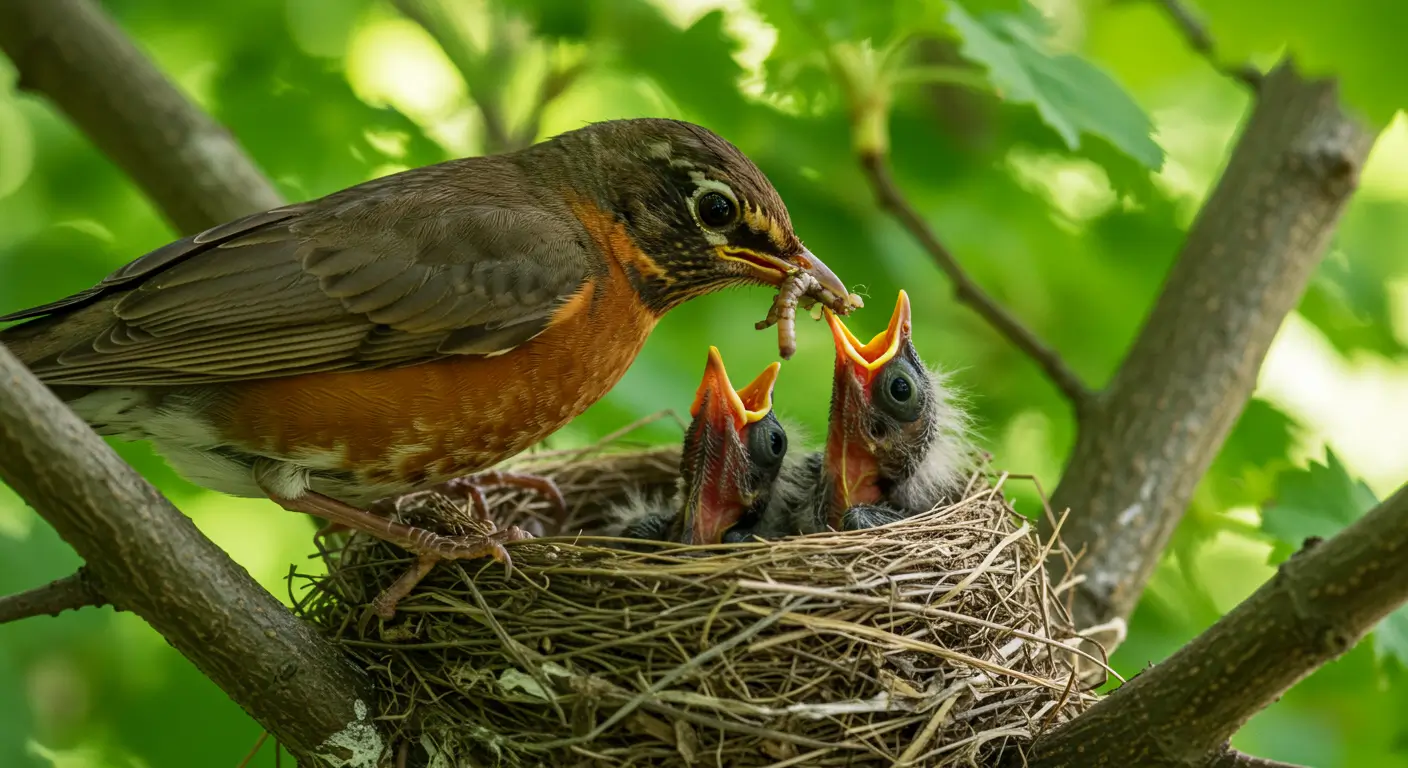
Credit: mostbeautifulbirds.com
Identifying Young Bird Species
Identifying young bird species is crucial for proper care and feeding. Young birds come in various shapes and sizes, making identification tricky. Knowing the species helps you understand their dietary needs. It also guides you in providing appropriate care. This knowledge ensures their healthy growth.
Common Backyard Species
Common backyard species include sparrows, robins, and blue jays. Each has distinct features. Sparrows are small and brown with streaked patterns. Robins have red chests and grey backs. Blue jays are vibrant blue with black and white markings. Observing these features helps in identifying them.
Recognizing Nestlings And Fledglings
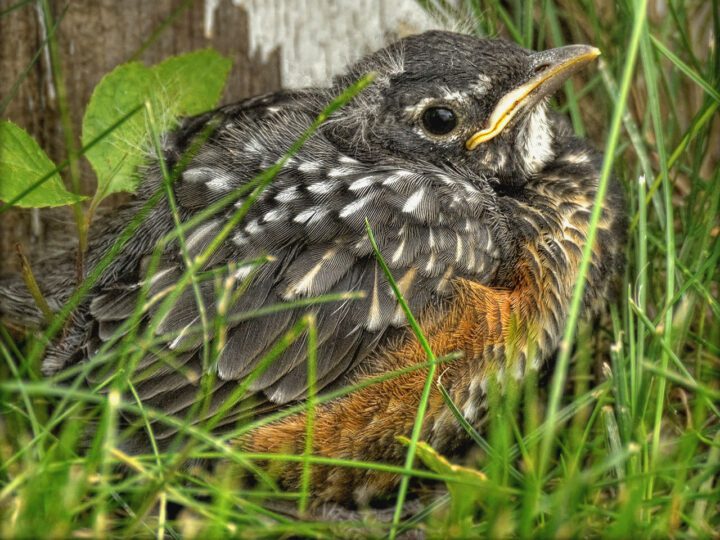
Nestlings are birds still in the nest. They have sparse feathers and need warmth. Their eyes might be closed or barely open. Fledglings are more developed, with fuller feathers. They often leave the nest but stay nearby. Fledglings appear awkward and unsteady in flight. Recognizing their development stage aids in proper feeding.
Understanding Dietary Needs
Feeding young birds requires careful attention to their nutritional needs. Provide soft, moist food that mimics their natural diet. Ensure a balanced mix of proteins, fats, and carbohydrates for healthy growth.
Understanding the dietary needs of young birds is crucial for their survival and growth. Feeding them the right food ensures they develop strong bones, healthy feathers, and robust immune systems. But how do you know what to give them? Understanding their natural diets and nutritional requirements will help you make informed decisions.
Natural Diets Of Young Birds
In the wild, baby birds rely on their parents to bring them food. The diet often varies depending on the species. For instance, insect-eating birds like robins and wrens provide their chicks with a protein-rich diet of worms and insects. Seed-eating birds, on the other hand, might offer regurgitated seeds. Have you ever noticed a mother bird tirelessly foraging for food? This is because young birds need frequent feedings to grow quickly. Observing birds in nature can give you insights into their dietary habits.
Nutritional Requirements
Young birds need a balanced diet rich in proteins, fats, and carbohydrates. Proteins are essential for muscle development, while fats provide energy. Carbohydrates also play a vital role in overall health. How can you ensure they get these nutrients? Consider feeding them a mixture of soaked dog or cat kibble, which is often recommended for orphaned birds. It provides a good balance of essential nutrients. Additionally, baby bird formula available at pet stores can be a convenient option. Remember, the nutritional needs can vary with species. Always research or consult a professional if you're unsure. Have you ever thought about the tiny details that go into feeding these little creatures? Every meal counts towards their future. Taking the time to understand and meet the dietary needs of young birds can make a significant difference in their survival and quality of life. As you care for them, you're not just feeding them—you're nurturing the next generation of nature's wonders.
Preparing Suitable Food
Feeding young birds requires care and attention to their dietary needs. It is crucial to provide them with the right nutrition for healthy growth. Preparing suitable food ensures that these little creatures receive all essential nutrients.
Homemade Bird Food Recipes
Creating homemade bird food is simple and cost-effective. You can use ingredients from your kitchen. Start with a mix of hard-boiled eggs, mashed well. Add some small pieces of fruits like apples or berries. Make sure to remove any seeds or pits.
Include a few grains such as oatmeal or crushed cornflakes. These provide energy and are easy for young birds to digest. Avoid adding salt or sugar to their food. Keep the mixture moist to help them eat without difficulty.
Commercial Bird Feeding Options
Commercial bird food is available in many pet stores. These products are designed to meet the nutritional needs of young birds. Choose a formula specifically for baby birds. It should contain a balance of proteins, fats, and vitamins.
Read the labels carefully before purchasing. Ensure there are no artificial additives or preservatives. Follow the feeding instructions provided by the manufacturer. This ensures your young birds get the necessary nutrients for growth.
Feeding Techniques
Feeding young birds requires careful attention and the right techniques. Proper feeding ensures their growth and survival. You must learn the best methods to provide nourishment. Using feeding syringes and hand-feeding strategies are effective ways.
Using Feeding Syringes
Feeding syringes are handy tools for young birds. They allow precise control over food quantity. Choose syringes with a narrow tip for easy feeding. Fill the syringe with a smooth mixture. Ensure the food is warm but not too hot. Slowly release the food into the bird's mouth. Watch for signs of acceptance or refusal. Clean the syringe after each use.
Hand-feeding Strategies
Hand-feeding builds trust between you and the bird. Use a spoon or your fingers to offer food. Make sure the food is soft and easy to swallow. Offer small portions to prevent choking. Encourage the bird gently, speaking softly. Observe their behavior closely for any signs of distress. Adjust the feeding technique as needed. Patience is key to successful hand-feeding.
Creating A Safe Feeding Environment
Creating a safe feeding environment for young birds is essential. They need protection and comfort while eating. This ensures their healthy growth. Simple steps can make a big difference. Let's explore how to create a secure space for these young creatures.
Choosing The Right Location
Pick a quiet spot away from noise. Avoid areas with heavy foot traffic. Birds need peace while feeding. Choose a place sheltered from wind. Strong winds can disturb and scare them. Ensure the location is out of direct sunlight. Too much heat can harm young birds. A shaded area is ideal.
Minimizing Stress For Birds
Stress can affect a bird's health. Keep pets and predators away. Birds feel safer without threats around. Remove any shiny objects nearby. They can confuse or scare the birds. Limit sudden movements around the feeding area. Birds are sensitive to quick actions. Softly approach the area to avoid startling them.
Credit: www.allaboutbirds.org
Monitoring Growth And Health
Monitoring the growth and health of young birds is crucial for their development. Just like a gardener tends to a delicate plant, you must pay close attention to the changes in your feathered friends. Every chirp, flutter, and peep tells a story about their well-being.
Tracking Weight And Development
Regularly weigh your young birds to monitor their growth. Use a digital kitchen scale for accuracy. Record their weight daily in a notebook or spreadsheet. This helps you spot any growth spurts or slowdowns. For example, if a chick gains weight consistently, it’s a sign of healthy development.
Keep an eye on their feathers and mobility. Are the feathers growing evenly? Can they move around easily? These indicators show if your birds are developing correctly. A simple checklist can guide you: fluffy feathers, bright eyes, and active movement.
Recognizing Signs Of Illness
Learn to recognize signs of illness early. Watch for symptoms like lethargy, loss of appetite, or unusual droppings. These can signal health issues. If a bird’s behavior changes suddenly, it might need medical attention.
Act quickly if you notice anything unusual. Consult a vet if necessary. Early intervention can save a bird’s life. Remember, their health is in your hands. Would you know what to do if your bird stopped eating?
Engage with your birds daily. Observe their habits and interactions. This builds a bond and helps you notice changes. Your close attention ensures they grow strong and healthy.
Dealing With Common Challenges
Feeding young birds can be challenging. Ensure their diet is rich in nutrients. Use a dropper for feeding. Keep the environment safe and warm. Regular feeding intervals are essential for growth.
Dealing with young birds can be as challenging as it is rewarding. As they grow, these feathered friends often present unique obstacles that require your patience and creativity. Addressing these issues head-on helps ensure their healthy development. Let's dive into some common challenges you might face in feeding young birds and how to tackle them effectively.
Handling Picky Eaters
Young birds can be surprisingly selective about their food. You might find them turning up their beaks at certain seeds or grains. Try offering a variety of foods to see what they prefer. Mix different seed types in a shallow dish. Observe which ones disappear first. This can give you clues about their favorite choices. Consider adding small pieces of fruit or vegetables. These natural treats often entice even the fussiest eaters. What unexpected food has worked for your birds?
Managing Feeding Schedules
Establishing a feeding schedule is crucial for their growth. But it can sometimes feel like trying to align the stars. Start by feeding them at regular intervals each day. Create a simple schedule. For example, feed them in the morning and late afternoon. This routine helps them anticipate meals and stay nourished. Use a timer or reminder. Let technology assist you in maintaining consistency. Have you tried setting alarms for feeding times? It could be your new best friend. Feeding young birds is a journey filled with learning curves. Embrace these challenges, and you'll find joy in watching them thrive under your care.

Credit: www.istockphoto.com
Transitioning To Independent Feeding
Transitioning young birds to independent feeding is a rewarding journey. This stage marks their growth and development. You need patience and care to guide them. The aim is to help them feed themselves confidently. With the right approach, young birds will learn quickly. This section discusses how to encourage self-feeding and introduce natural foods.
Encouraging Self-feeding
Start by placing food within their reach. Make sure it is visible and accessible. Use bright colors to attract their attention. Offer a variety of textures and shapes. This stimulates curiosity and exploration. You can also mimic pecking motions. Young birds often learn by imitation. Spend time with them during feeding. Monitor their progress closely. Praise small successes to boost their confidence. Keep sessions short to avoid overwhelming them.
Introducing Natural Foods
Gradually introduce natural foods into their diet. Begin with soft fruits and seeds. These are easy to digest and nutritious. Offer small portions at first. Observe their reaction to new foods. Gradually increase variety and quantity. Include vegetables, grains, and insects. This provides a balanced diet. Ensure the food is fresh and clean. Avoid processed foods and additives. Natural foods support healthy growth. They also prepare young birds for the wild.
Frequently Asked Questions
What Do Young Birds Eat?
Young birds primarily eat a diet of insects and worms. These foods provide essential proteins and nutrients for growth. Some species might also consume fruits and seeds, depending on their natural diet. Always ensure that the food is soft, easy to digest, and appropriate for the bird species.
How Often Should You Feed Baby Birds?
Baby birds typically need to be fed every 20 to 30 minutes during daylight. This frequent feeding is crucial for their rapid growth and development. As they grow, the feeding intervals can be gradually extended. Always monitor their health and adjust feeding schedules based on their activity and needs.
Can You Feed Young Birds Bread?
Bread is not recommended for young birds. It lacks essential nutrients and can cause digestive issues. Instead, focus on providing a diet rich in proteins, like insects or specialized bird food. Ensuring the food's nutritional value is key to supporting the birds' healthy growth and development.
How Do You Safely Feed Orphaned Chicks?
To safely feed orphaned chicks, use a dropper or syringe for precision. Ensure the food is soft, moist, and at room temperature. Avoid forcing food, as this can harm them. It’s crucial to research the specific dietary needs of the species to provide appropriate care.
Conclusion
Feeding young birds takes patience and care. Start with a safe environment. Ensure fresh water is always available. Use appropriate food for their species. Avoid offering human snacks. Observe their eating habits closely. Notice any health changes quickly. Handling them gently is crucial.
Their growth depends on proper nutrition. Seek expert advice if needed. Enjoy watching them thrive. Your efforts will make a big difference. Birds need your commitment and love. Continue learning for their best care. Happy bird feeding!