


Imagine the heartwarming scene: a parent bird tirelessly flying back and forth, delivering food to its hungry chicks nestled safely in the nest. It's a fascinating spectacle that captures the essence of nurturing in the wild.
But have you ever wondered how birds manage to feed their young ones so efficiently? You're about to uncover the secrets behind this incredible natural process. As you read on, you'll discover the remarkable techniques and instincts birds use to ensure their babies grow strong and healthy.
Each detail will not only deepen your appreciation for these winged creatures but also leave you with insights that could change how you view the world around you. So, are you ready to dive into the captivating world of avian parenting? Let's explore together!
Feeding Strategies
Birds employ diverse feeding strategies to nourish their young. Parents regurgitate partially digested food to chicks, ensuring essential nutrients. Some species deliver whole insects or seeds directly to their offspring.
Feeding strategies among birds reveal fascinating behaviors that ensure the survival of their young. Each species has evolved unique methods to provide nourishment to their chicks, adapting to their environment and available resources. Observing these strategies can offer a glimpse into the diverse ways nature finds solutions to common challenges.
Regurgitation Techniques
Many bird species use regurgitation to feed their young. This involves the parent bird partially digesting the food before bringing it back up to feed the chicks. Think of it as nature's blender, making sure the food is soft and easy for the chicks to consume. Imagine watching a robin delicately feed its babies. The care and precision are astonishing. This technique ensures that the young receive food that is safe and nutritious, especially when they are too young to digest solid food.
Direct Feeding Methods
Direct feeding is a straightforward approach where the parent bird delivers food straight into the mouths of their chicks. Many times, you can see this in birds like eagles and storks, where the parent hunts or forages and brings back the prey or food. Consider the majestic sight of an eagle soaring with a fish clenched tightly, dropping it into the nest. The eaglets eagerly await, their mouths wide open, ready for their meal. This method emphasizes the importance of precision and skill in feeding.
Specialized Feeding Habits
Some birds have evolved specialized feeding habits tailored to their unique environments or dietary needs. Woodpeckers, for example, may feed their young insects extracted from tree bark, providing a protein-rich diet. Have you ever seen a hummingbird feed its young? They sip nectar from flowers and then directly feed this sugary solution to their chicks. This specialized diet requires the parents to carefully select the best flowers, ensuring their young thrive. Have you ever thought about how these feeding strategies might be influenced by changes in their environment? What happens when food becomes scarce or a habitat changes drastically? Understanding these strategies can deepen your appreciation for the adaptability and resilience of birds in the wild.
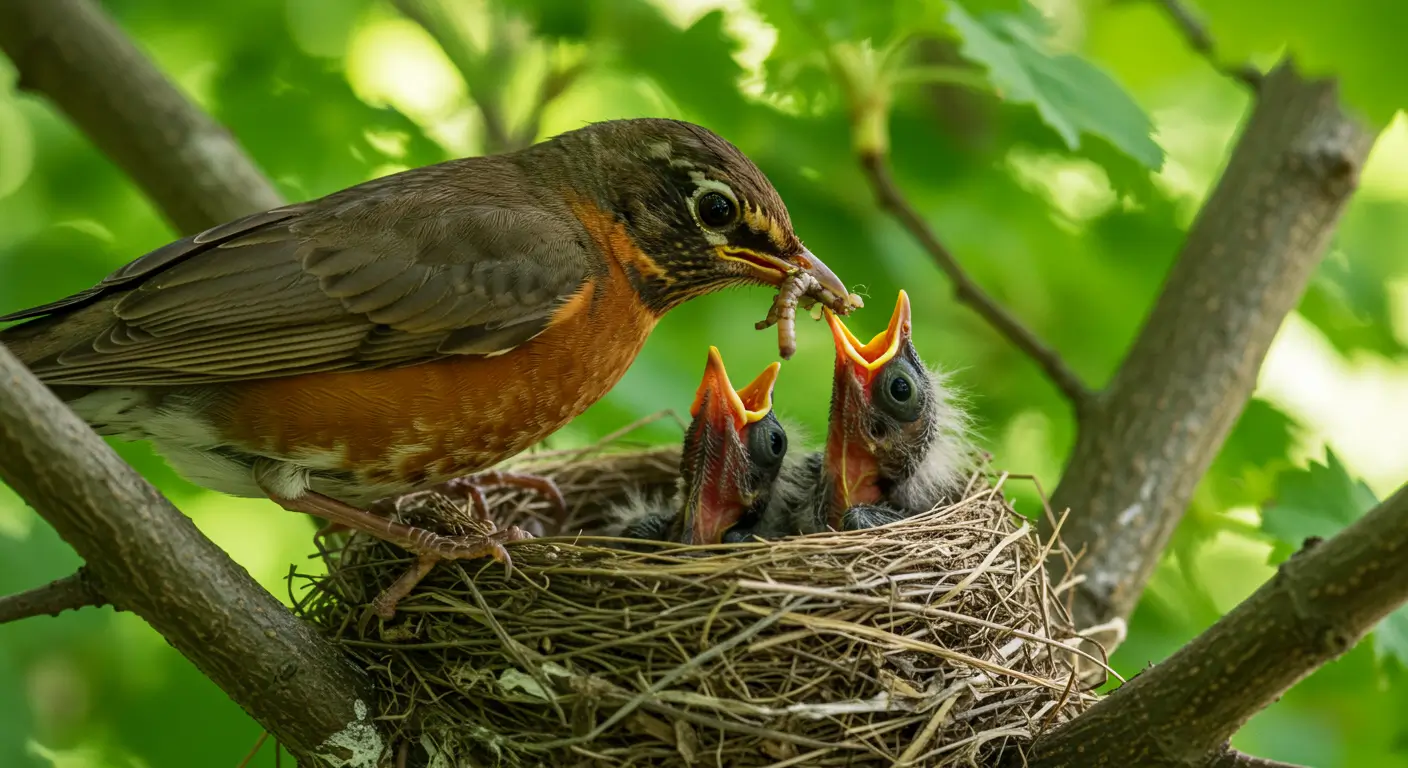
Credit: mostbeautifulbirds.com
Parental Roles
Birds exhibit unique parental roles by tirelessly gathering food to nourish their young. Both parents often participate, ensuring their chicks grow strong and healthy. The feeding process involves regurgitating pre-digested food, which is easier for the chicks to consume. This teamwork highlights their nurturing instincts.
Birds are fascinating creatures. Their nurturing methods captivate many. Parental roles in feeding are crucial. Both parents participate in raising their young. They each have unique responsibilities. Together, they ensure the survival of their offspring.
Maternal Feeding Behaviors
Mother birds play a vital role. They often incubate the eggs. This keeps them warm and safe. After hatching, mothers feed their chicks. They find food nearby and return quickly. The food is often regurgitated to the young. This makes it easier for chicks to digest. Many species rely heavily on maternal care.
Paternal Contributions
Father birds are equally important. They protect the nest from predators. Many fathers gather food for the mother. This allows her to stay with the chicks longer. Some species see fathers feeding the chicks directly. Their efforts ensure the young receive enough nourishment. Paternal roles vary among bird species.
Shared Responsibilities
In many bird species, roles overlap. Both parents may alternate feeding duties. This teamwork ensures constant care for the young. They may take turns guarding the nest. Shared responsibilities increase chick survival rates. It allows parents to balance energy and time. Such cooperation is seen in many bird families. `
Dietary Needs Of Chicks
Understanding the dietary needs of chicks is crucial for their survival. Young birds require specific nutrients to grow strong and healthy. Their parents have adapted to meet these needs in unique ways.
Nutritional Requirements
Chicks need a balanced mix of proteins, fats, and carbohydrates. Proteins are essential for muscle and feather development. Fats provide energy for growth and activity. Carbohydrates help maintain their energy levels. Vitamins and minerals support their immune system and bone health. Parents must find food that meets these nutritional needs.
Adaptations To Diet
Birds have developed various feeding techniques to nourish their chicks. Some species regurgitate partially digested food for easier consumption. Others bring food in their beaks and pass it directly to the chick. This adaptation ensures the chick receives a meal that's both nutritious and safe.
Impact Of Habitat On Diet
Habitat plays a significant role in a chick's diet. Birds in forest areas may feed their young insects and berries. Coastal birds often rely on fish and marine life. Urban birds might scavenge human food or hunt smaller creatures. Each habitat offers different food options, affecting how chicks are fed.
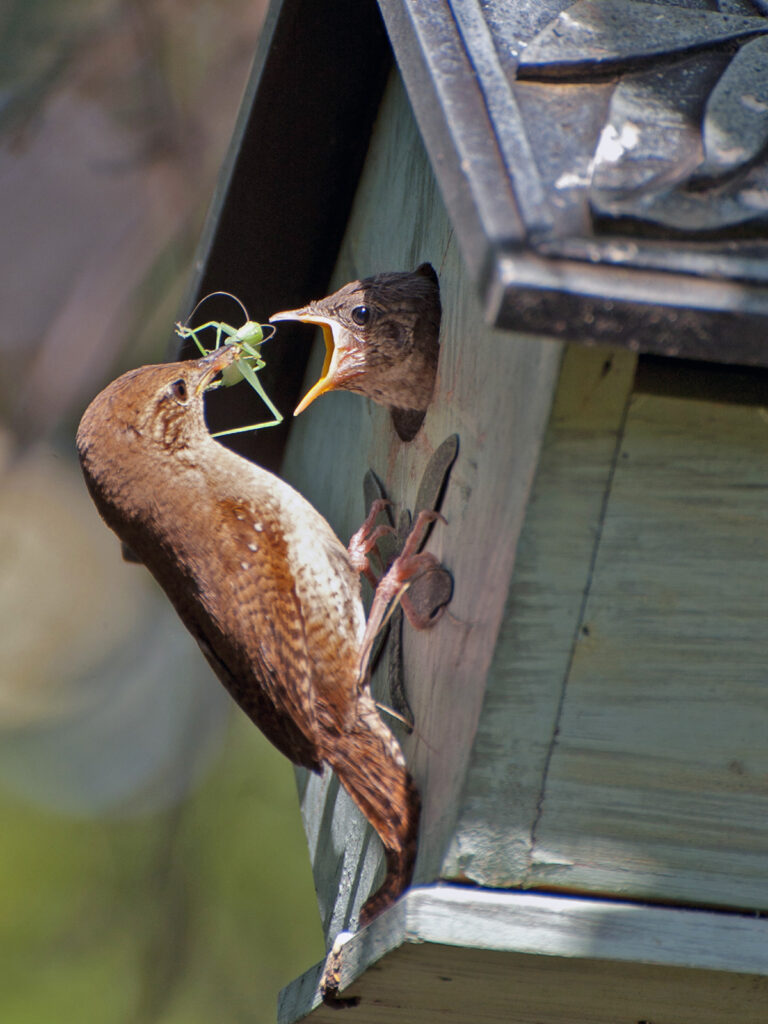
Credit: ourhabitatgarden.org
Challenges In Feeding
Birds face many challenges in feeding their young ones. They must find food, avoid predators, and ensure nutrition. Parents work tirelessly, often making multiple trips daily, to feed hungry chicks and ensure their growth.
Feeding young birds is no small feat for their feathered parents. The challenges they face often dictate the survival and growth of their chicks. These difficulties are not just about finding enough food but also navigating a world filled with numerous obstacles. From environmental pressures to predation risks, each factor can impact the success of raising the next generation of birds.
Environmental Pressures
Environmental changes can be a big headache for bird parents. Sudden weather changes, like unexpected storms, can make food scarce or hard to find. Pollution and habitat destruction also add to the pressure, as they reduce the availability of safe feeding areas. Imagine a small bird navigating through a city, dodging cars and noise, just to find a few worms for its chicks. How would you handle such a daily grind?
Predation Risks
Predators pose a constant threat to both adult birds and their young. Parent birds must often leave their nests to find food, leaving their chicks vulnerable. A personal story comes to mind: observing a robin fiercely defending its nest from a curious squirrel. The energy spent on vigilance and defense could have been used to gather more food. Are these risks worth the potential loss?
Competition For Resources
Birds often compete with other animals and even other birds for food. In areas with limited resources, this competition can be fierce. Picture a bustling wetland, where herons, egrets, and ducks all vie for the same fish. Each bird family needs to strategize and adapt to ensure their young are fed. What strategies would you employ if you were a bird parent in such a crowded ecosystem? Feeding young birds is a complex, high-stakes task. Understanding these challenges gives us a glimpse into the resilience and ingenuity of bird parents. Next time you see a bird darting through the sky, remember the myriad of challenges it overcomes each day just to feed its young. How might these insights change the way you view the natural world around you?
Evolutionary Adaptations
Birds have evolved various feeding strategies to nurture their young ones. Some regurgitate partially digested food, providing essential nutrients. Others bring back whole insects or seeds, teaching chicks to hunt and forage.
Evolutionary Adaptations Birds have evolved fascinating ways to feed their young ones, ensuring their survival in diverse environments. These adaptations are not just limited to what they feed their chicks but also how they deliver it. From structural changes in their bodies to intricate behaviors, birds have developed a wide range of strategies. As you observe these feeding habits, you might wonder: What drives these changes? How do these adaptations benefit the survival of the species? Let's dive into some of the remarkable ways birds have adapted to care for their offspring.
Morphological Changes
Birds have developed unique physical features to assist in feeding their young. Some species have specialized beaks that allow them to pick up and deliver food efficiently. For example, pelicans have pouch-like beaks perfect for scooping fish, making it easier to feed their chicks. Additionally, woodpeckers use their strong, chisel-like beaks to extract insects from tree bark, providing a steady diet for their young. These changes in morphology are not just about feeding but also about ensuring that the young receive the right nutrition for growth.
Behavioral Adaptations
Bird behavior plays a crucial role in how they feed their young. Parents often engage in elaborate rituals to teach their offspring how to forage and hunt. Take the example of penguins. They regurgitate pre-digested food directly into their chick’s mouth, ensuring that the young receive all the necessary nutrients. Birds like the peregrine falcon practice food-sharing flights, where they pass food to their young mid-air, honing their flying and hunting skills simultaneously. These behaviors not only ensure survival but also prepare the young for independent life.
Species-specific Innovations
Each bird species has its own unique way of feeding their young, tailored to their environment and diet. For instance, the cuckoo bird is known for its parasitic feeding strategy, laying eggs in the nests of other birds and leaving the host birds to feed their chicks. On the other hand, the American robin uses a more nurturing approach, providing a diet rich in worms and insects that is easy for the young to digest. These innovations highlight the incredible diversity in the avian world. Have you ever noticed a unique feeding habit in a bird? Observing these behaviors can offer insights into the adaptability and survival strategies of different species. By understanding these adaptations, you not only gain knowledge but also develop a deeper appreciation for the complex world of birds. What other evolutionary adaptations have you witnessed in the animal kingdom?
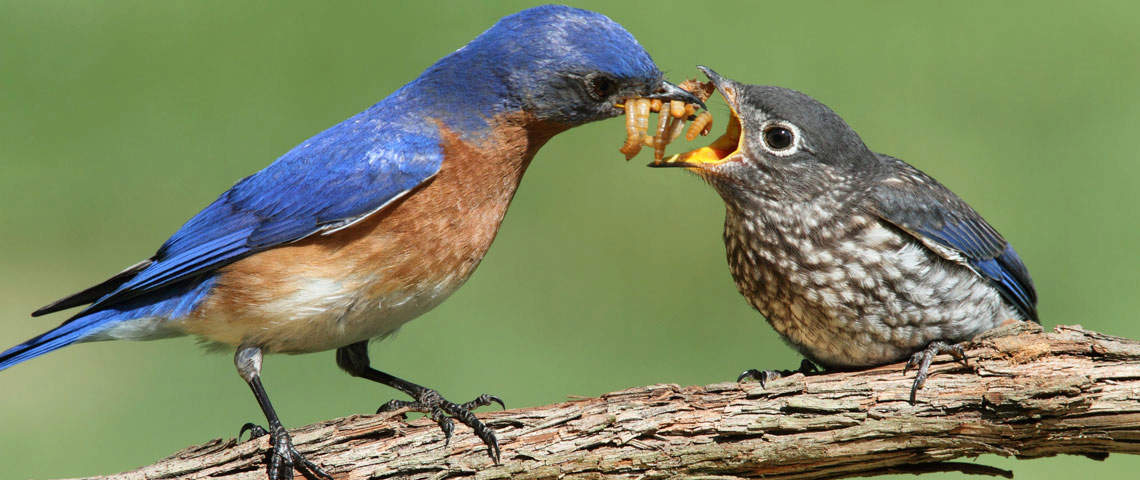
Credit: www.pennington.com
Human Impacts
Human activities significantly affect how birds feed their young. Urbanization, pollution, and habitat destruction disrupt natural feeding patterns. Birds often face challenges due to these changes, which impact their survival and growth.
Effects Of Urbanization
Urbanization alters the landscape, reducing natural habitats for birds. Concrete jungles replace forests and fields, leaving birds with fewer nesting sites. Noise and light pollution also interfere with birds' feeding routines. Human food waste attracts birds, leading them to consume non-nutritional items.
Conservation Efforts
Many organizations work to preserve bird habitats. These efforts include planting native trees and creating protected areas. Conservationists monitor bird populations to ensure they have enough food sources. Education campaigns raise awareness about the importance of preserving bird environments.
Role Of Wildlife Sanctuaries
Wildlife sanctuaries provide safe spaces for birds to thrive. They offer environments rich in natural food sources. Sanctuaries protect birds from urban threats and predators. They also educate visitors about the significance of protecting bird habitats.
Frequently Asked Questions
How Do Birds Feed Their Young Ones?
Birds typically feed their young ones by regurgitating pre-digested food. This method ensures the chicks receive nutrition easily digestible for their immature digestive systems. Parent birds often hunt or forage for food like insects or seeds, then return to the nest to provide nourishment to their chicks.
What Do Baby Birds Eat?
Baby birds primarily consume a diet of insects, worms, or regurgitated food from their parents. This protein-rich diet supports rapid growth and development. Some species may include seeds, berries, or other plant matter. The specific diet depends on the bird species and their natural habitats.
Why Do Parent Birds Regurgitate Food?
Parent birds regurgitate food to provide easily digestible nourishment for their chicks. This process ensures the young birds receive essential nutrients in a form their immature digestive systems can handle. It also allows parents to transport food safely back to the nest without it spoiling or being lost.
How Often Do Birds Feed Their Chicks?
Birds typically feed their chicks multiple times a day, depending on the species. Some birds may feed their young every 10 to 20 minutes. Frequent feeding ensures the chicks receive adequate nutrition for growth. The frequency decreases as chicks grow and begin to feed independently.
Conclusion
Birds nurturing their young is a fascinating process. Each species has unique methods. Some parents bring food directly to the nest. Others teach their young to hunt. This ensures survival and growth. These feeding practices strengthen family bonds. They also prepare young birds for life.
Understanding these behaviors reveals nature's beauty. It shows the dedication of bird parents. Observing these habits offers valuable insights. And reminds us of nature's wonders. So, next time you see a bird, think of its role. It might be feeding or teaching its offspring.
Nature has much to teach us.