


How Can I Keep Pigeons off My Bird Feeder?
Are you tired of watching pigeons turn your bird feeder into their personal buffet? You fill it with care, hoping to attract colorful songbirds, only to find those pesky pigeons hogging all the seeds.
It feels frustrating, doesn’t it? You’re not alone. Many bird lovers share your plight, yearning for a peaceful solution that lets them enjoy the beauty of diverse feathered visitors without the pigeon parade. You're about to discover simple, effective methods to keep pigeons at bay, ensuring your bird feeder becomes a haven for the birds you actually want to see.
Keep reading to learn how you can reclaim your bird feeder and transform your garden into a sanctuary for your favorite avian guests.
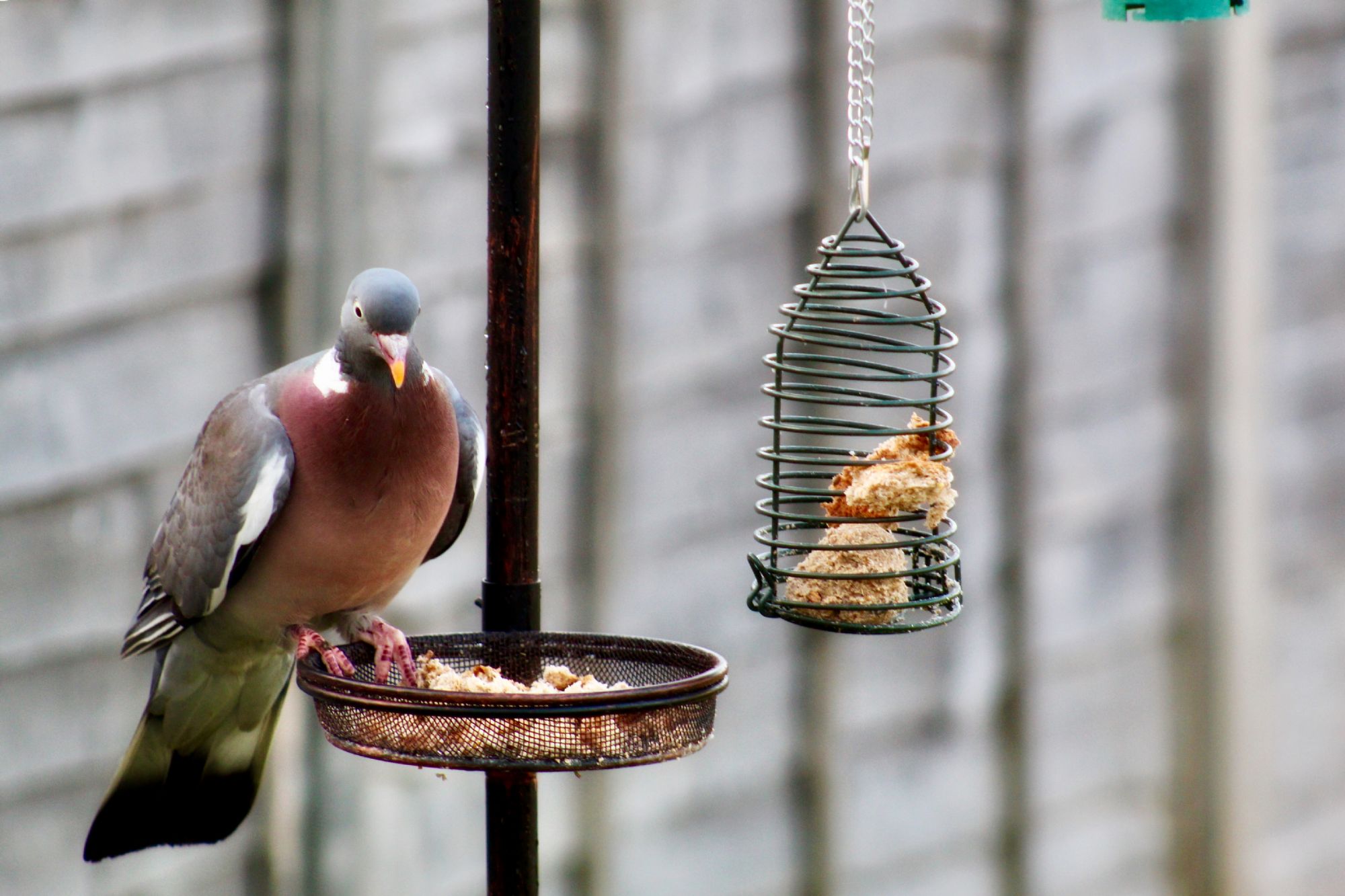
Credit: www.webbsdirect.co.uk
Understanding Pigeon Behavior
Keeping pigeons away from your bird feeder requires understanding their behavior. Install barriers or use feeders designed for smaller birds. Regular cleaning and removing spilled seeds can deter pigeons effectively.
Understanding pigeon behavior is key to keeping these feathered visitors away from your bird feeder. Many bird enthusiasts, like yourself, have faced the challenge of managing pigeons in their backyards. While pigeons are fascinating creatures, their presence can deter the more delicate bird species you wish to attract.
Why Pigeons Are Attracted To Bird Feeders
Pigeons are often drawn to bird feeders because they provide an easy source of food. They are not picky eaters and will happily feast on seeds meant for smaller birds. The abundance of food is a major lure, especially in urban areas where natural food sources are scarce. This makes your feeder a prime target.
Common Pigeon Feeding Habits
Pigeons are known to feed in groups, which can quickly empty your bird feeder. This flocking behavior can intimidate other birds, leaving them without a chance to eat. Their feeding times often overlap with more desirable birds, causing unwanted competition. It’s essential to observe these patterns to devise strategies to keep them away. Reflect on your own experiences. Have you noticed pigeons swooping in right after you refill the feeder? This predictable behavior is something you can use to your advantage. Consider asking yourself: What steps can you take to disrupt these habits? Maybe adjusting your feeding schedule or using specific feeder designs could make a difference. Engage with your backyard ecosystem and find what works best for your feathered friends. Embrace the challenge of outsmarting these clever birds.
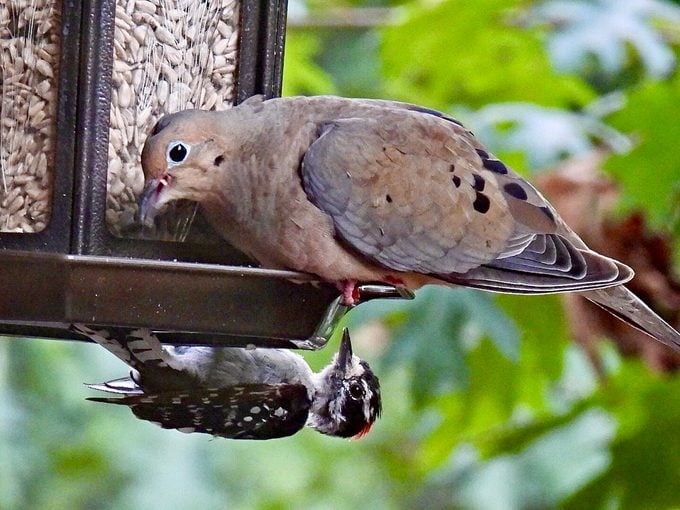
Credit: www.birdsandblooms.com
Choosing The Right Bird Feeder
Pigeons can be a real nuisance at bird feeders. They often scare away smaller birds and eat all the food. Choosing the right bird feeder can help keep pigeons at bay. This way, you can enjoy watching a variety of birds in your garden.
Types Of Feeders That Discourage Pigeons
Some feeders are designed to deter larger birds like pigeons. Tube feeders are a good option. They have small perches that suit smaller birds. Another choice is the caged feeder. It has a metal cage that keeps pigeons out. Only small birds can get through. Hopper feeders with weight-sensitive perches also work well. They close access when heavier birds land.
Features To Look For In A Pigeon-proof Feeder
Look for feeders with adjustable perches. They can be set to support only lightweight birds. Check for feeders with built-in baffles. Baffles can prevent pigeons from reaching the seed. Some feeders have squirrel-proof designs. These often work for pigeons too. Choose feeders with small feeding ports. Pigeons find it hard to access these.
Location Strategies
Bird feeders attract a variety of birds, but pigeons often dominate them. It becomes challenging to keep them away. Strategic placement of your feeder can help deter pigeons. Here are some location strategies to consider.
Optimal Placement To Deter Pigeons
Place your feeder in areas less accessible to pigeons. Choose spots surrounded by dense foliage. Pigeons find it hard to navigate through thick branches. Suspend the feeder from a thin wire or branch. Pigeons struggle with balancing on narrow surfaces. Consider positioning the feeder at least six feet above the ground. Pigeons prefer ground feeding.
Using Physical Barriers
Install barriers to make it difficult for pigeons to reach the feeder. Use cages around the feeder. They allow small birds access while keeping larger pigeons out. Consider using a dome or baffle above the feeder. It prevents pigeons from landing directly on it. Opt for feeders with narrow perches. Pigeons avoid uncomfortable perches. Place spikes or mesh near the feeder. They discourage pigeons from landing nearby.
Feed Selection
Pigeons can be a nuisance at bird feeders. Choosing the right feed helps attract your desired birds while discouraging pigeons. The right seed selection can make a big difference.
Best Seeds To Attract Desired Birds
Sunflower seeds are a favorite for many songbirds. They attract finches, cardinals, and chickadees. Nyjer seeds are perfect for goldfinches and sparrows. They are small and pigeons find them hard to eat. Safflower seeds appeal to cardinals and grosbeaks. Most pigeons dislike the bitter taste. Millet is loved by sparrows and juncos. It is small and easy for tiny birds to handle.
Avoiding Pigeon-friendly Foods
Pigeons love corn and bread crumbs. Avoid these to keep them away. Peanuts and oats are also pigeon favorites. Keep these out of your feeder. Mixed bird seed often contains ingredients pigeons enjoy. Choose pure seeds to reduce pigeon interest. Large seeds attract pigeons due to their size. Choose smaller seeds to keep them at bay.
Behavioral Deterrents
Pigeons can be persistent visitors to bird feeders. They often outcompete smaller birds for food. To keep pigeons away, behavioral deterrents can be effective. These methods encourage pigeons to seek food elsewhere. They do not harm the birds. Implementing these can create a more inviting space for desired birds.
Using Scare Tactics Effectively
Scare tactics can discourage pigeons. Shiny objects like CDs or aluminum foil strips work well. Hang them near the feeder. Their reflections startle pigeons. Movement adds to their effectiveness. Rotate their position often. This prevents pigeons from getting used to them. Scarecrows designed for pigeons can help. Place them strategically around the feeding area.
Incorporating Predatory Sounds
Predatory sounds create an environment that pigeons avoid. Recordings of hawks or owls can deter them. Install speakers near the bird feeder. Play these sounds intermittently. Ensure the volume is not too loud. It should not disturb neighbors. This method mimics the presence of predators. Pigeons feel unsafe and stay away.
Tech Solutions
Keeping pigeons away from your bird feeder can be challenging. Try using feeders with smaller openings or add a dome on top. Installing a motion-activated sprinkler might also deter them effectively.
Imagine a peaceful morning, sipping coffee while enjoying the symphony of chirping birds at your feeder. But then, the relentless pigeons swoop in, turning your serene scene into a chaotic frenzy. Don't worry, tech solutions can help you reclaim your bird-watching sanctuary from these persistent intruders. With modern gadgets, you can deter pigeons without disrupting your feathered friends' feeding routine.
Ultrasonic Devices
Ultrasonic devices are a fantastic option for keeping pigeons at bay. These gadgets emit high-frequency sounds that are unpleasant for pigeons but inaudible to humans and most other birds. This means your backyard can remain a welcoming haven for smaller birds while pigeons steer clear. Imagine having a device that silently guards your bird feeder, ensuring only the intended guests can enjoy their meal. You can place these devices strategically around your garden to create a pigeon-free zone. They're easy to install and require minimal maintenance, making them a hassle-free solution for pigeon problems.
Motion-activated Sprinklers
Motion-activated sprinklers offer a dynamic approach to deter pigeons. These sprinklers are equipped with sensors that detect movement and release a harmless jet of water to scare away unwanted visitors. It's like having a vigilant guardian watching over your bird feeder. These sprinklers are particularly effective because they surprise pigeons, teaching them to associate your garden with unexpected showers. You might even find it amusing to watch pigeons flee at the first sign of water. Plus, your plants benefit from the extra hydration! Have you ever considered using technology to enhance your bird-watching experience? With these tech solutions, you can enjoy the beauty of nature without the nuisance of pigeons. Are you ready to transform your garden into a pigeon-free paradise?
Regular Maintenance
Regular maintenance can deter pigeons from your bird feeder. Clean the area frequently and remove spilled seeds. Install barriers like spikes or nets to prevent pigeons from landing.
Regular maintenance is key to keeping pigeons away from your bird feeder. It's not just about setting up deterrents; it's about maintaining a routine that ensures your feeder remains attractive to the birds you want and unappealing to those you don't. This requires attention to detail and a willingness to adapt as needed.
Cleaning And Monitoring Feeders
Regularly cleaning your bird feeder is like setting up a friendly welcome sign for your favorite feathered guests. Pigeons are often attracted to leftover seeds and debris. By keeping your feeder clean, you remove their food source. Check your feeder at least once a week. Look for signs of pigeon activity—such as droppings or unusual wear. This can help you adjust your strategies before pigeons become a problem.
Adjusting Strategies Over Time
If you're not seeing the results you want, don't hesitate to tweak your approach. Maybe your current deterrents aren't working as effectively as you'd hoped. Consider changing the type of bird seed you use. Opt for blends that pigeons find less appealing. Experiment with different feeder designs that make it harder for pigeons to perch. Have you ever noticed that certain times of year bring more pigeons than usual? Keep track of these patterns and adjust your strategies accordingly. This vigilance allows you to stay one step ahead. What changes have you noticed in your backyard wildlife? Regular maintenance isn't just a chore—it's an opportunity to learn and grow.

Credit: www.arkwildlife.co.uk
Frequently Asked Questions
How Do I Stop Pigeons From Eating Bird Seed?
To stop pigeons from eating your bird seed, use a weight-sensitive feeder. These feeders close when heavier birds land. Alternatively, provide food pigeons dislike, like safflower seeds. You can also install a cage around the feeder to allow only small birds access.
What Scares Pigeons Away From Bird Feeders?
Pigeons are scared by reflective surfaces and sudden movements. Hang shiny objects like CDs or aluminum foil nearby. Use a motion-activated sprinkler to startle them. Owl decoys and wind chimes can also deter pigeons effectively. These methods create a less inviting environment for pigeons.
Can I Use Bird Spikes To Deter Pigeons?
Yes, bird spikes can effectively deter pigeons from perching. Install them on flat surfaces where pigeons gather. These spikes are safe and don't harm birds. They simply prevent pigeons from landing comfortably. Use them around feeders and roof edges for best results.
Are There Pigeon-proof Bird Feeders Available?
Yes, pigeon-proof bird feeders are designed to exclude larger birds. Look for weight-sensitive or caged feeders. These feeders ensure only small birds can access the food. They help maintain a peaceful feeding area, keeping pigeons and other large birds away.
Conclusion
Keeping pigeons away from your bird feeder is possible. Use simple strategies. Try using a feeder with a cage. It stops large birds. Hang your feeder in a tricky spot. Pigeons find it hard to reach. Clean up spilled seeds.
They attract pigeons. Consider using a pigeon deterrent. Harmless but effective. Be patient and consistent. Pigeons will learn to stay away. Enjoy watching your favorite birds visit. Your efforts will pay off. Your garden will be peaceful again. Remember, small changes make a big difference.
Stay persistent and happy birdwatching!