


Have you ever set up a bird feeder in your backyard and wondered how long it would take before the first curious visitor arrives? You're not alone.
Many bird enthusiasts eagerly await the moment when vibrant feathered friends start flocking to their feeders. Understanding how long it takes for birds to discover this new source of food can turn anticipation into a thrilling experience. We'll explore the factors that influence the time it takes for birds to find your feeder and share tips to speed up the process.
Prepare to transform your backyard into a lively bird-watching sanctuary!

Credit: www.facebook.com
Factors Influencing Bird Discovery
Setting up a bird feeder is an exciting way to invite nature into your backyard. But how quickly will those feathered friends find your offering? Several factors influence the speed at which birds discover a new feeder. Understanding these can help you ensure your feeder becomes a busy hub of avian activity.
Location Of The Feeder
Where you place your feeder is crucial. Birds are more likely to find feeders that are in visible, open spaces. Placing the feeder near trees or shrubs can provide birds with a sense of security and a quick escape route, encouraging them to visit more often. Think about the vantage points from where birds may spot your feeder.
Type Of Bird Seed
The choice of bird seed can make or break your feeder's popularity. Different seeds attract different species. Black oil sunflower seeds are universally loved and can attract a wide variety of birds. If you're hoping to see specific species, research their preferences and stock your feeder accordingly. Have you noticed a particular seed that attracts more birds?
Feeder Design And Visibility
Some feeders are easier for birds to spot than others. Brightly colored feeders can catch a bird's eye more effectively. Consider using a feeder with multiple perches to accommodate more visitors at once. It's also important to ensure your feeder is clean and maintained, as clutter can deter birds.
Bird Species In The Area
Bird discovery is also influenced by the species present in your locality. If your area is home to a diverse range of birds, your feeder may be discovered quicker. Research the common birds in your region and tailor your feeder to their habits and preferences. Have you ever noticed how different species have distinct feeding habits?
By paying attention to these factors, you can create a welcoming environment that attracts birds swiftly and keeps them coming back for more. Which of these factors have you already considered in your setup?
Time Frame For Birds To Find Feeders
Birds usually discover feeders within a few days, especially if food is abundant. Placing feeders in visible areas helps attract them faster. Fresh, appealing seeds can speed up the process, encouraging birds to visit regularly.
Understanding the time frame for birds to find feeders is crucial for anyone looking to attract feathered friends to their garden. Whether you're a seasoned birdwatcher or a beginner, knowing how long it might take for birds to visit your feeder can set your expectations and help you plan accordingly. Let's break down the various time frames you might experience once you set up a bird feeder in your yard.
Immediate Visits
Sometimes, birds might surprise you with an immediate visit to your feeder. It's thrilling to see them arrive within hours. This often happens if your feeder is placed in an area where birds are already active. Birds are naturally curious and may quickly notice new additions to their environment. You may have observed this if you've ever switched out a feeder or added a new one. Birds tend to investigate changes swiftly, especially if food is involved. Have you ever noticed how quickly birds respond to scattered seeds on the ground?
Days To Weeks
More commonly, you might need to wait a few days to a couple of weeks for birds to find your feeder. Patience is key during this period. Birds rely on sight to locate feeders, so visibility is crucial. Placing the feeder in a spot where birds can easily see it from above or during flight can speed up the process. Consider the height and surroundings of your feeder. Is it easy for birds to spot amidst foliage or other obstacles?
Seasonal Variations
The time it takes for birds to find a feeder can also vary with the seasons. During colder months, when natural food sources are scarce, birds might flock to your feeder more quickly. In spring and summer, when food is abundant, it may take longer. If you're setting up a feeder in winter, you might see more immediate results. In contrast, setting up a feeder in summer might require extra patience. Have you noticed a difference in bird activity around your feeder as the seasons change? Each season offers unique opportunities to observe different species and behaviors, so keeping a journal might enhance your birdwatching experience.
Tips To Attract Birds Faster
Birds usually find feeders within a few days, especially if placed in a visible location. Fresh seeds and a clean feeder help attract them faster. Placing feeders near shelter like trees or bushes can also speed up their discovery.
Attracting birds to your feeder can be a rewarding experience, but how can you make it happen faster? By understanding a few key strategies, you can create a welcoming environment that birds can't resist. Whether you're a seasoned bird watcher or a beginner, these tips will help you get the most out of your backyard birding experience. Let's dive into some practical steps to speed up the process of attracting our feathered friends to your feeder.
Choosing The Right Feeder
Selecting the appropriate feeder is crucial. Different birds prefer different types of feeders. Tube feeders are great for small birds like finches, while platform feeders attract larger birds such as cardinals. Consider the material of the feeder. Metal or plastic feeders tend to be more durable and weather-resistant. Ensure the feeder has adequate drainage to keep seeds dry and fresh.
Optimal Placement Strategies
The location of your feeder can significantly affect how quickly birds will find it. Place it near trees or bushes where birds can easily perch and hide from predators. A spot that's visible from a distance also helps birds spot the feeder more easily. Keep the feeder at a safe distance from windows to prevent collisions. Positioning it within three feet or over 30 feet from a window can reduce the risk of bird strikes.
Regular Cleaning And Maintenance
Regular cleaning of your feeder is essential to keep birds healthy and coming back. Dirty feeders can spread diseases, deterring birds from visiting. Clean your feeder every two weeks with mild soap and water. Check for moldy seeds and remove them immediately. A clean feeder not only attracts more birds but also ensures their safety.
Offering A Variety Of Food
Birds have diverse tastes, and offering a variety of food can make your feeder more appealing. Sunflower seeds, nyjer seeds, and suet are popular choices. Different foods attract different species, increasing the diversity of birds at your feeder. Experiment with different food combinations to see what works best for your local birds. Are you noticing more sparrows or blue jays? Adjust your offerings accordingly to cater to their preferences. By following these tips, you'll create a thriving bird-friendly habitat that draws in a colorful array of avian visitors. Have you tried any of these strategies before, and if so, what was your experience? Share your insights or questions in the comments below!
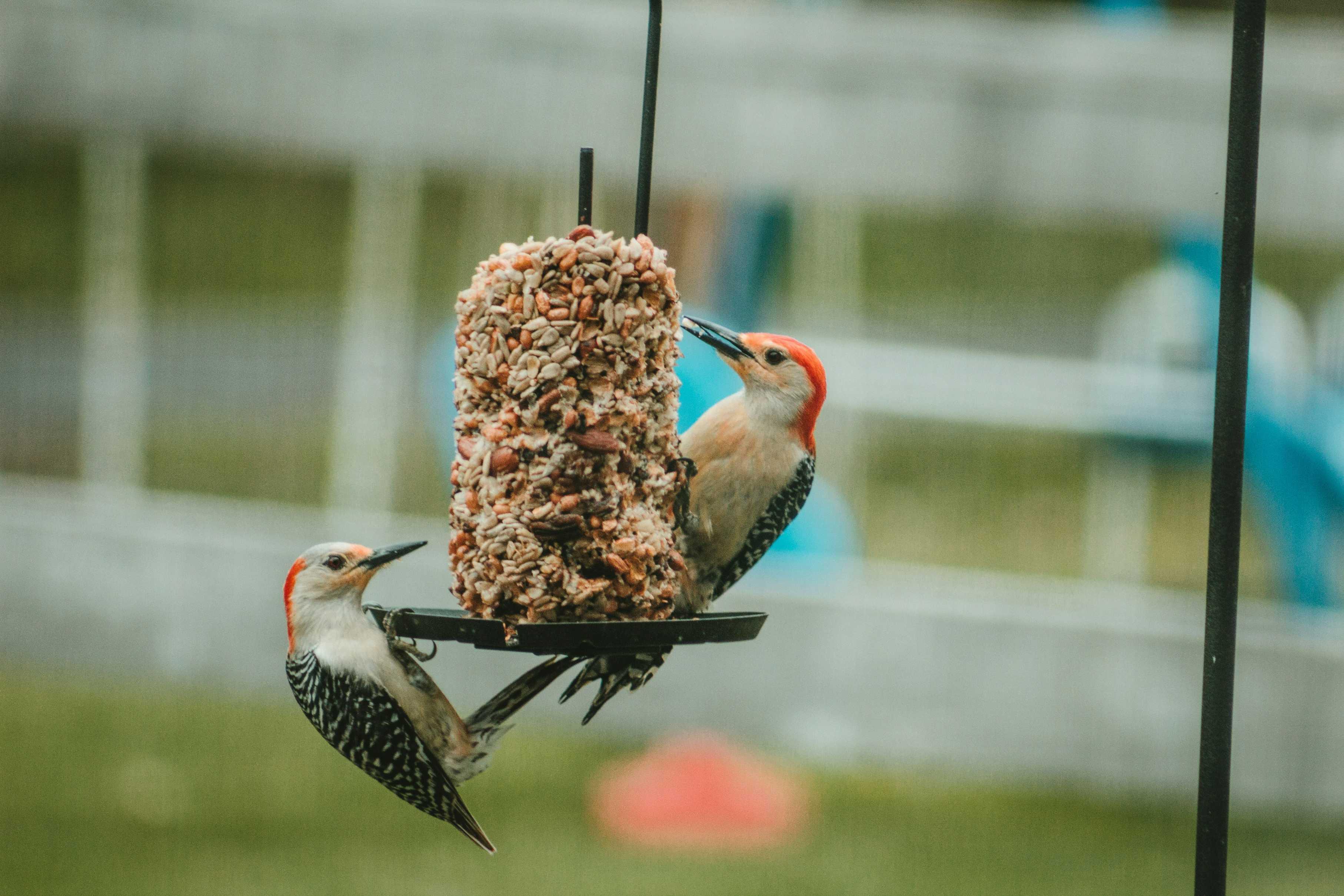
Credit: www.greenmatters.com
Common Challenges And Solutions
Setting up a bird feeder can be challenging. Birds may take time to find your feeder. Several factors influence this process. Identifying common challenges can help speed things up. Solutions exist for each hurdle. Addressing these challenges can attract birds faster.
Dealing With Predators
Birds avoid areas with predators. Cats often pose a threat to birds. Ensure your feeder is placed in a safe spot. Hang it high or near bushes for cover. Predators won't easily reach these places. Birds will feel safer visiting your feeder.
Handling Unwanted Pests
Squirrels and rats can invade bird feeders. They scare birds away. Use squirrel-proof feeders to deter them. Placing feeders away from trees can help. Pests have a harder time reaching isolated feeders. Clean up spilled seeds regularly. This reduces pest attraction.
Addressing Weather Conditions
Weather affects bird activity. Rain or snow can deter birds from feeding. Use covered feeders to protect seeds. Ensure feeders are sturdy against wind. Birds come more during mild weather. Keep feeders dry and sheltered. This encourages more visits.
Observing Bird Behavior
Observing bird behavior around your feeder can be a delightful and educational experience. Each bird species has its own unique way of approaching a food source. Some may be bold and curious, while others are cautious and take time to adjust to new feeders. By watching these patterns, you can gain insights into their habits and preferences. Observing these behaviors not only enhances your bird-watching skills but also contributes to your understanding of local wildlife.
Identifying New Visitors
When you set up a new feeder, you might wonder which birds will visit first. Pay attention to the different species that arrive and how they behave. Are they familiar faces or new visitors? You may notice that smaller birds like finches and sparrows are among the first to explore. Larger birds might take longer to approach, often observing from a distance before venturing closer.
Consider keeping a list of the birds you spot. This can help you track changes over time and recognize new visitors. It's exciting to see diversity increase as word spreads among the bird community.
Understanding Feeding Patterns
Birds have specific feeding patterns that can tell you a lot about their behavior. Some prefer to feed in the early morning, while others might visit during midday. Watch for regular visitors and note their feeding times. This can help you ensure your feeder is stocked when they're most likely to appear.
Different species might favor certain types of seeds or feeding styles. Observing these preferences can assist you in selecting the right food to attract a variety of birds. Adjusting your offerings based on their patterns can lead to more frequent visits.
Recording And Sharing Observations
As you observe and identify bird behavior, consider documenting your findings. This can be as simple as jotting down notes in a journal or using a bird-watching app. Keeping records allows you to track changes and make informed decisions about feeder placement and food choices.
Why not share your observations with fellow bird enthusiasts? You can connect online or join local bird-watching groups. Sharing insights can lead to new discoveries and enhance your overall experience. Plus, you never know what unique behaviors others might notice that could enrich your own knowledge.
Have you ever noticed a surprising pattern in bird behavior at your feeder? What did you learn from it? Engaging with others can spark interesting discussions and deepen your appreciation for these fascinating creatures.

Credit: www.youtube.com
Frequently Asked Questions
How Quickly Do Birds Notice A New Feeder?
Birds can find a new feeder within hours or days. It depends on their activity in the area. Placing the feeder in a visible spot and using popular seeds can speed up the process. Patience is key, as birds may take time to trust a new food source.
What Attracts Birds To A Feeder?
Birds are attracted by the type of food and feeder location. Using seeds like sunflower and millet increases attractiveness. Place the feeder near trees or bushes for cover. Regular cleaning and refilling ensure birds return for fresh food. Bright colors can also catch their attention.
Why Aren't Birds Visiting My Feeder?
Birds might avoid a feeder if food is old or the location is unsuitable. Ensure the feeder is clean and stocked with fresh seeds. Place it in a quiet, safe spot away from predators. Changing seed types or feeder design might also attract more birds.
Does Weather Affect Bird Feeder Visits?
Yes, weather can impact bird feeder visits significantly. Birds are more active in mild conditions, searching for food. During harsh weather, they may seek shelter and visit feeders less often. Providing high-energy foods during cold weather can encourage more frequent visits.
Conclusion
Birds finding a feeder takes time. Patience is key. Some birds arrive quickly. Others may take days. Location matters. Place feeders wisely. Food choice influences visits. Offer seeds birds like. Sunflower seeds are popular. Keep feeders clean. Dirty feeders deter birds.
Consistency helps. Refill regularly. Birds remember food spots. Watching birds is rewarding. Their visits bring joy. Enjoy the nature show. Keep observing. Birds will come. Their colorful presence brightens days. Feeders connect us with nature. This connection enriches life. Enjoy the birds' company.
Keep feeders ready. The wait is worthwhile.