


Imagine stepping into a vibrant world where life is endlessly captivating and full of diverse colors and sounds. This is the enchanting world of bird habitats.
Here, every chirp and flutter tells a unique story that invites you to explore further. Have you ever wondered what makes a bird habitat so special or how it impacts the life of these fascinating creatures? You might be surprised to learn that a bird's habitat is not just a place to live; it's a complex environment that influences their survival, behavior, and even their song.
As you delve deeper into this article, you'll discover how these habitats shape the lives of birds and why understanding them can enhance your appreciation of nature. Ready to uncover the secrets of these feathered environments? Let's dive in!
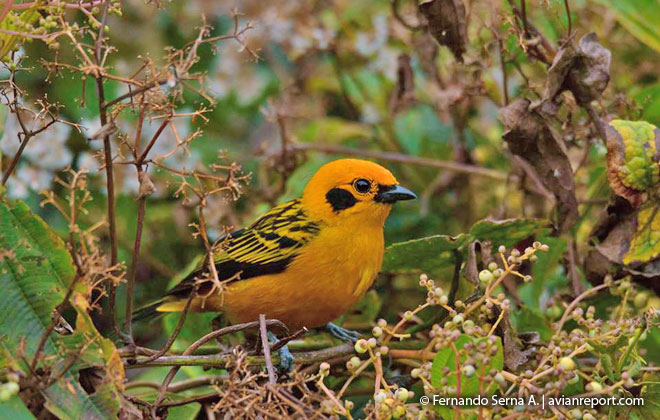
Credit: avianreport.com
Forest Habitats
Birds thrive in forest habitats, finding safety and food among the trees. Dense foliage offers nesting sites and protection. Various bird species rely on forests for survival, making these habitats vital for biodiversity.
Forests are a magical place where life thrives in abundance. They provide a rich and varied habitat for countless bird species. When you take a walk through a forest, it's not just the rustling leaves you hear; it's a symphony of bird calls echoing through the trees. These habitats offer everything a bird needs: food, shelter, and a place to raise their young. But have you ever wondered what makes forest habitats so special for birds?
Diverse Bird Species
Forests are home to an incredible diversity of bird species. In a single forest, you might spot a vibrant woodpecker hammering away at a tree trunk or a majestic hawk soaring above the canopy. Each bird has adapted uniquely to its forest environment, using its specific skills to survive and thrive. Walking through a forest, you might notice how different birds occupy different layers of the forest. Some prefer the high canopy, while others are content on the forest floor. This layered habitat supports a wide range of species, each with its niche.
Food Sources And Nesting
Forests are a buffet of food options for birds. From insects crawling on leaves to seeds from towering trees, there's something for every bird's taste. Have you ever watched a bird delicately extract a worm from the ground? It's a testament to their adaptability and the forest's bounty. Birds also find perfect nesting sites in forests. The dense vegetation offers protection from predators and harsh weather. You might see nests cleverly hidden in tree branches or nestled in dense shrubs. These strategic locations not only protect the eggs but also ensure a steady supply of food for the chicks. Next time you visit a forest, take a moment to observe its avian inhabitants. Notice how they interact with their surroundings and each other. What can you learn from their resourcefulness and adaptability?
Wetland Wonders
Wetland Wonders offers a vibrant sanctuary for birds. These rich habitats provide food, shelter, and breeding grounds. Birds thrive amidst lush vegetation and serene waters, creating a lively, harmonious environment.
Wetlands are among the most diverse habitats on Earth, teeming with life and vibrant ecosystems. They serve as nature’s sponge, filtering water and providing a rich feeding ground for countless species. When you step into a wetland, you're stepping into a world of wonder, where every sight and sound tells a story of survival and adaptation.
Migratory Birds
Wetlands are crucial stopovers for migratory birds, acting as their seasonal homes. These birds travel thousands of miles, and wetlands provide them with essential rest and nourishment. Imagine witnessing flocks of birds descending from the sky, a testament to their incredible journey. Have you ever wondered what fuels their long flights? It’s the rich biodiversity of wetlands that offers sustenance and refuge. Next time you spot a migratory bird, think about the wetlands that have played a pivotal role in its journey.
Role In Ecosystems
Wetlands are the unsung heroes of our ecosystems, supporting an array of plant and animal life. They help in maintaining water quality by filtering pollutants and trapping sediments. Without wetlands, many species would struggle to survive, leading to a ripple effect on the entire ecosystem. Consider the role of wetlands in flood control. They absorb excess rainwater, reducing the impact of floods. How different would our world be without these natural buffers? Wetlands also support local economies. They offer recreational activities like bird watching and fishing, which attract tourists and boost local businesses. Have you ever visited a wetland park and felt the tranquility it offers? That's the magic of these vibrant ecosystems. In essence, wetlands are more than just marshy areas; they are dynamic habitats that support life in many forms. Their preservation is not just an environmental issue but a call for us to appreciate the wonders they hold. So, what can you do to protect these vital habitats?
Desert Dwellings
Deserts are harsh, unforgiving landscapes. Yet, many birds call them home. These arid regions offer unique challenges and opportunities. Birds in deserts have developed remarkable ways to thrive. Let's explore how these avian creatures adapt and behave in their dry environments.
Adaptations For Survival
Desert birds face extreme temperatures and scarce water. They have evolved to meet these challenges. Many species have specialized beaks. These help in extracting moisture from food. Feathers play a crucial role. They insulate against heat during the day. At night, they preserve warmth in colder temperatures. Some birds have unique physiological traits. They minimize water loss through efficient respiration. This keeps them hydrated longer.
Unique Bird Behaviors
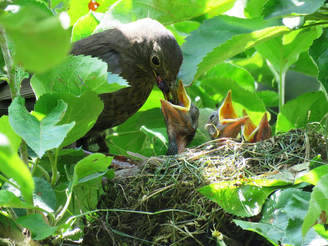
Behavioral adaptations are key for desert birds. They often forage early or late in the day. This strategy avoids the midday heat. Some birds practice communal roosting. Grouping together provides warmth during cold nights. Desert species are known for their nomadic lifestyles. They may travel long distances in search of food and water. Vocal communications are adapted too. Calls are often short and focused. This reduces energy expenditure.
Credit: www.masoncd.org
Grassland Homes
Birds find the grasslands a perfect place to live. The wide-open spaces and abundant food attract many species. These habitats provide everything they need to survive and thrive.
Grasslands offer a unique environment for birds. The flat terrain allows birds to spot predators easily. Tall grasses provide shelter and nesting sites. These homes support a diverse bird population.
Camouflage And Protection
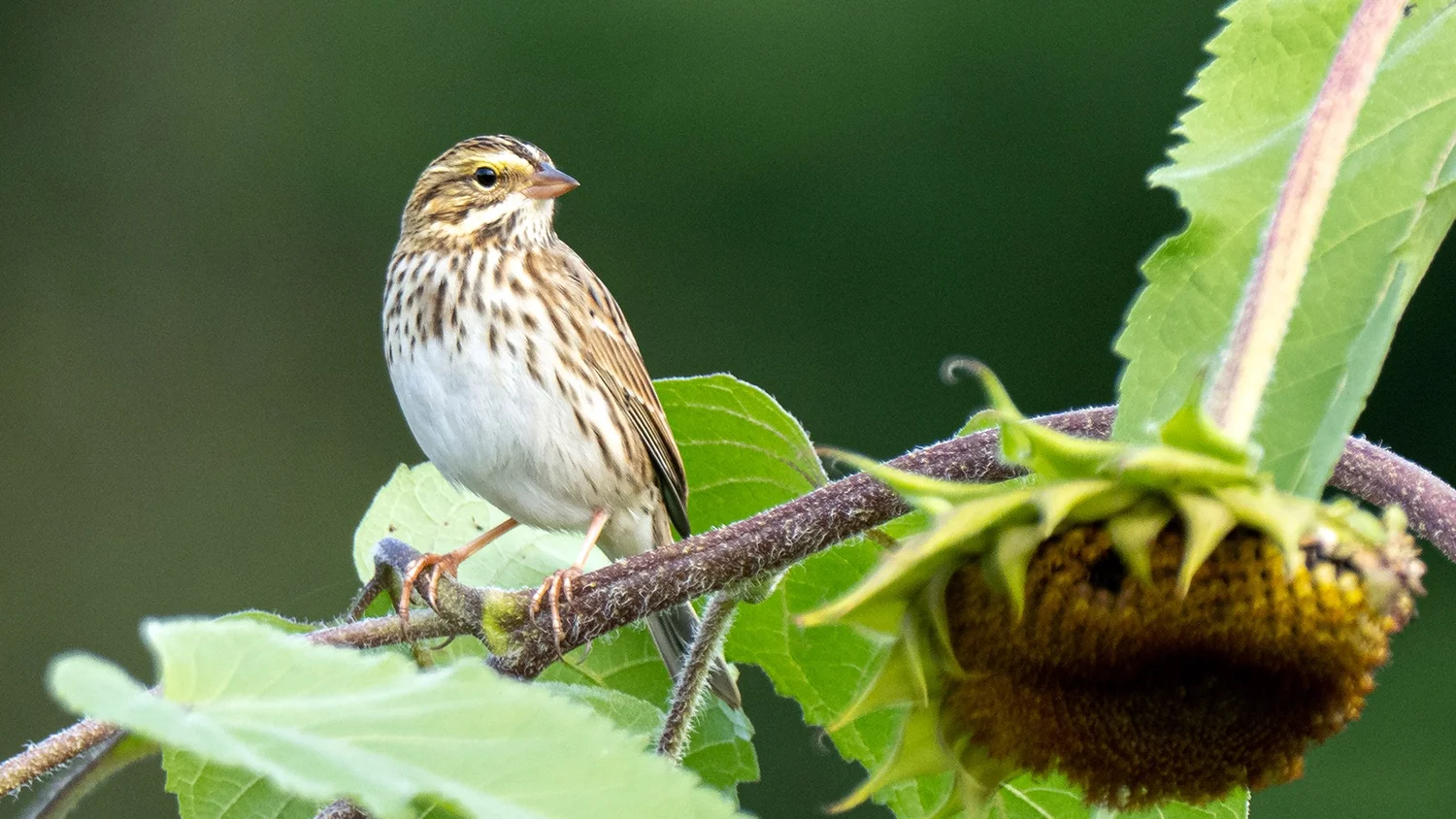
Grassland birds use camouflage to stay safe. Their feathers blend with the grass, keeping them hidden. This natural disguise helps them avoid predators. It's a key survival tactic in the grasslands.
Protection is crucial for these birds. They rely on the grass for cover. This shelter hides them from predators and harsh weather. The grassland habitat offers a safe haven for many birds.
Seasonal Changes
Seasons change the grassland landscape. Birds adapt to these changes for survival. In spring, they find plenty of food and nesting sites. This time is ideal for raising young.
Winter brings challenges to the grasslands. Food becomes scarce, and temperatures drop. Some birds migrate to warmer places. Those that stay find ways to cope with the cold.
Grassland birds show resilience during these seasonal shifts. Their ability to adapt ensures their survival. This adaptability makes grasslands a lasting home for them.
Urban Environments
Urban environments offer unique habitats for birds. Cities are bustling with life, not just human life. Birds have made these places their homes too. They adapt to noisy streets and towering skyscrapers. This section explores how birds thrive in cities.
City Birds And Adaptations
City birds are resourceful creatures. They learn to live with noise and pollution. Pigeons and sparrows are common city dwellers. These birds find food in the most unlikely places. Park benches, sidewalks, and trash bins become feeding grounds. City birds often build nests on building ledges. They use materials like paper and plastic.
Adaptations help birds survive in urban areas. Some birds develop louder calls. This helps them communicate above city noise. Others change their feeding habits. They eat human food scraps and thrive. Urban birds show great resilience and creativity.
Human Impact On Habitats
Human activity affects bird habitats. Construction reduces natural spaces. Buildings replace trees and grasslands. This limits nesting areas for birds. Pollution poses another challenge. Air and water pollution harm bird health. Birds must adapt to survive in these conditions.
Efforts to improve urban habitats are ongoing. Green spaces like parks support bird populations. Planting trees and shrubs provides shelter. People can help by reducing litter. Cleaner environments benefit birds and humans alike.
Conservation Efforts
The survival of birds depends heavily on the conservation of their natural habitats. These efforts aren't just about protecting wildlife; they're about preserving the delicate balance of nature. Without these habitats, many bird species could face extinction. What can you do to make a difference?
Protecting Natural Habitats
Natural habitats are the lifeline for birds. They offer food, shelter, and breeding grounds. When these areas are destroyed, birds lose their home.
Efforts to protect these habitats include creating reserves and parks. These areas are safe havens where birds can thrive without human interference.
Consider supporting organizations that focus on habitat preservation. Your contribution can help expand protected areas, ensuring birds have a place to live.
Community Involvement
Your community can play a vital role in bird conservation. Local groups often organize clean-up events to maintain natural spaces.
Participating in these activities not only helps birds but also strengthens your community. It's a chance to connect with nature and like-minded individuals.
Ask yourself: what small actions can you take in your daily life to support bird habitats? Even planting native trees or reducing pesticide use can make a big difference.
Every effort counts. When you choose to involve yourself in conservation, you become part of a larger movement dedicated to preserving the beauty of our world for future generations.
Credit: www.eastsideaudubon.org
Frequently Asked Questions
What Is A Bird's Natural Habitat?
A bird's natural habitat is where it finds food, shelter, and mates. Habitats vary from forests and grasslands to wetlands and urban areas. Each species adapts to its specific environment, relying on it for survival and reproduction.
Why Do Birds Need Specific Habitats?
Birds need specific habitats for food, shelter, and breeding. Each species has unique habitat requirements, ensuring they meet their biological needs. Loss of habitat can lead to decreased populations and threaten their survival.
How Do Birds Adapt To Urban Habitats?
Birds adapt to urban habitats by exploiting available resources. They use buildings for nesting and find food in human environments. Adaptation allows them to thrive despite challenges like noise and pollution, showing their remarkable resilience.
What Role Do Wetlands Play In Bird Habitats?
Wetlands provide crucial resources for birds, offering food, nesting, and resting spots. These areas support diverse bird species, contributing to their survival. Wetlands also act as migration stopovers, crucial for long-distance travelers.
Conclusion
Bird habitats are vital for survival and reproduction. Different birds prefer different environments. Wetlands, forests, and grasslands offer unique benefits. Each habitat supports diverse bird species. Preserving these spaces ensures birds thrive. Human activities impact bird habitats significantly. Conservation efforts can help protect these natural homes.
Everyone can contribute by supporting wildlife protection initiatives. Simple actions make a big difference. Planting native trees, reducing pollution, and conserving water help. Understanding bird habitats deepens our connection with nature. Let's work together to safeguard these special places. Our efforts can ensure a bright future for our feathered friends.