


Have you ever watched a bird soar through the sky and wondered how it thrives in its environment? Birds are marvels of nature, perfectly tailored to fit their habitats.
Whether it's the snowy owl in the Arctic tundra or the colorful parrot in a tropical rainforest, each bird species has unique adaptations that help it survive and flourish. These adaptations aren't just fascinating—they're crucial for a bird's survival. By understanding how birds are adapted to their habitats, you can appreciate the intricate balance of nature and perhaps even learn something valuable about your own surroundings.
Get ready to dive deep into the captivating world of avian adaptations and discover how these feathered creatures are perfectly designed for their homes.
Feather Functions
Birds are marvels of nature, perfectly adapted to their environments. A key to their success is their feathers. Feathers serve many purposes in a bird's life. They help birds survive and thrive in diverse habitats. Let's explore how feathers function in various ways to aid birds.
Insulation And Temperature Control
Feathers keep birds warm in cold climates. They trap air close to the skin, acting as insulators. This trapped air maintains a stable body temperature. In hot climates, birds fluff their feathers. This allows air to circulate and cool their bodies. Such temperature control is vital for their survival.
Camouflage And Protection
Feathers often match a bird's surroundings. This helps birds blend in, avoiding predators. This camouflage is crucial for nesting birds. It keeps both them and their eggs safe. Some feathers are tough and protect birds from the elements. They shield against rain and harsh winds.
Flight And Maneuverability
Feathers are essential for flight. They provide lift and help birds glide. Birds have strong flight feathers on their wings and tails. These feathers allow quick turns and precise maneuvers. They also reduce air resistance, making flight energy-efficient. This is why birds can fly long distances with ease.

Credit: www.scribd.com
Beak Variations
Birds possess a fascinating array of beak variations. These adaptations suit their habitat and lifestyle. Each beak shape reflects a bird's specific needs. This includes feeding habits, nest building, and communication. Let's explore how these adaptations benefit birds.
Feeding Habits
Beak shape often indicates a bird's diet. Long, thin beaks help reach nectar in flowers. Birds like hummingbirds use them efficiently. Short, strong beaks break seeds and nuts. Finches and sparrows benefit from these sturdy tools. Pointed beaks catch and hold prey. Birds of prey, such as hawks, rely on these sharp instruments.
Nest Building Tools
Beaks also aid in nest construction. Some birds weave intricate nests. Their beaks act like needles, threading materials together. Others need strong beaks to break twigs. These birds create sturdy nests. The beak's shape and strength determine its construction role. For example, weaver birds use their beaks to tie knots.
Communication And Defense
Birds use their beaks for communication. They produce different sounds by tapping or clattering. Beaks can also serve as defense tools. Sharp beaks deter predators. Birds use them to protect their territory. A beak's size and shape can intimidate rivals. This helps ensure survival in the wild.
Wing Adaptations
Birds are fascinating creatures. Their wings are perfectly adapted to their habitats. Wing adaptations help birds survive and thrive. They provide birds with the ability to fly, hunt, and escape predators. Let’s explore how birds' wings are adapted to their needs.
Types Of Flight
Different birds have different flight styles. Some soar high in the sky for hours. Others flap their wings rapidly to hover. Soaring birds have long and broad wings. Their wings catch wind and help them glide. Birds like hummingbirds have short, rapid wings. These wings allow them to hover and fly in place.
Energy Efficiency
Energy-efficient flight is crucial for birds. Birds with wide wings glide more, using less energy. This adaptation helps them travel long distances. Migratory birds benefit from energy-efficient wings. They can fly for thousands of miles without tiring. Birds with efficient wings conserve energy and survive longer.
Speed And Agility
Some birds need speed and agility to catch prey. Falcons have pointed wings for fast flight. They dive at incredible speeds to hunt. Agile birds can change direction quickly. Swallows have slender wings for swift maneuvers. Speedy and agile wings help birds in hunting and escaping.
Leg And Feet Adaptations
Birds have fascinating leg and feet adaptations. These adaptations help them survive and thrive. Different species have unique traits based on their environment. From climbing to hunting, each bird's feet tell a story.
Climbing And Perching
Birds like woodpeckers have strong claws. These help them grip tree bark. Their toes are arranged in pairs. This makes climbing easier. Parrots also have this arrangement. It helps them hold branches firmly.
Wading And Swimming
Birds such as flamingos have long legs. This lets them wade through water easily. Their feet are often webbed. Ducks and swans use these webbed feet to swim. The wide surface area aids in efficient paddling.
Grasping And Hunting
Birds of prey, like eagles, have sharp talons. These help them catch and hold prey. Their feet are powerful and well-developed. This makes them excellent hunters. Their talons are crucial for survival.
Eye And Vision
Birds possess remarkable adaptations in their eyes and vision. These adaptations help them survive and thrive in diverse habitats. From spotting prey to navigating through dense forests, birds rely heavily on their vision.
Color Perception
Birds have exceptional color perception. They can see colors beyond human capabilities. Their eyes detect ultraviolet light, which aids in finding food and mates. This ability helps them distinguish ripe fruits and vibrant feathers.
Night Vision
Some birds have adapted to see in low light. Owls, for instance, have large eyes to capture more light. Their retinas have a high number of rod cells, enhancing night vision. This adaptation is crucial for hunting in the dark.
Depth Perception
Depth perception in birds is vital. It allows them to judge distances accurately. This skill is essential for catching prey and flying through obstacles. Birds achieve this through binocular vision, using both eyes to focus on objects.
Behavioral Strategies
Birds are fascinating creatures, each uniquely adapted to their environment through various behavioral strategies. These strategies help them survive, thrive, and continue their species. By understanding these adaptations, you can appreciate the incredible resilience and resourcefulness of birds in their natural habitats.
Migration Patterns
Migration is a remarkable behavioral strategy where birds travel vast distances to find optimal conditions for breeding and feeding. Have you ever wondered how a small bird can navigate thousands of miles without GPS? Birds use the Earth's magnetic field, stars, and the sun as navigational aids.
Some birds, like the Arctic Tern, travel from the Arctic to the Antarctic, experiencing endless summer. This journey ensures they avoid harsh winters and find abundant food. Do you think you could undertake such a journey for survival?
Mating Rituals
Mating rituals are another captivating behavioral strategy. These rituals often involve elaborate dances, songs, or displays. The Peacock's stunning feather fan is not just for show; it's a strategy to attract a mate. Birds often select partners based on these displays, ensuring strong and healthy offspring.
Have you ever seen a bird perform a complex dance or sing a melodic tune? These rituals are essential for continuing their lineage. Next time you see a bird, consider the effort it might be putting into finding a mate.
Foraging Techniques
Foraging is essential for survival, and birds have developed various techniques to find food efficiently. Some birds, like woodpeckers, have specialized beaks to extract insects from trees. Others, like the hummingbird, have long beaks and tongues to sip nectar from flowers.
Birds adapt their foraging techniques based on their environment and available resources. Picture a bird using tools, like a crow using sticks to extract insects. These techniques show the ingenuity and adaptability of birds. What foraging strategies have you observed in your local bird population?
Understanding these behavioral strategies not only deepens your appreciation for birds but also highlights the intricate ways they interact with their environment. Next time you observe a bird, think about the fascinating strategies it employs to survive and thrive.
Nest Building Skills
Birds showcase incredible nest-building skills, perfectly adapted to their habitats. Different materials and designs ensure safety and warmth. These skills are vital for survival and reproduction.
Birds are architects of the sky, crafting intricate homes that are a testament to their survival skills. Nest building is not just about putting together a few twigs; it’s a complex art that involves choosing the right materials, picking safe locations, and ensuring the nest blends seamlessly with its surroundings. Let's delve into the fascinating world of avian nest-building skills.
Materials And Techniques
Birds are resourceful builders, using a variety of materials to construct their nests. From twigs and leaves to mud and feathers, each species has its preferred set of building blocks. Imagine a weaver bird meticulously intertwining grasses to create a sturdy and intricate nest. This precision isn’t just for show; it ensures the nest can withstand weather changes and predators. Some birds even use spider silk to add flexibility and strength to their nests. What materials would you choose if you were crafting a home from scratch?
Location Selection
Choosing the right spot for a nest is crucial for a bird’s survival. Birds often select locations that offer safety, access to food, and warmth. Have you ever noticed nests tucked away in high trees or hidden within dense bushes? These spots provide protection from ground predators and sometimes even curious humans. The location isn’t random; it’s a calculated choice to ensure the best chances for their offspring to thrive. Next time you spot a nest, think about why that specific location was chosen.
Protection And Camouflage
Protection is vital, and many birds have mastered the art of camouflage. By blending their nests with the environment, they keep predators at bay. Consider the ground-nesting plover, whose eggs resemble pebbles, making them nearly invisible to predators. Birds like the American robin build nests that match the surrounding foliage, creating natural invisibility cloaks. This camouflage not only protects the eggs but also ensures the birds can safely return to their nests without drawing attention. How might you use camouflage in your everyday life to protect what's important to you? Birds' nest-building skills demonstrate their incredible adaptability and intelligence. Each nest is a small masterpiece, revealing the bird’s understanding of its environment. Whether it's choosing the right materials, finding the perfect location, or ensuring protection, birds show us the power of creativity and resourcefulness in survival.
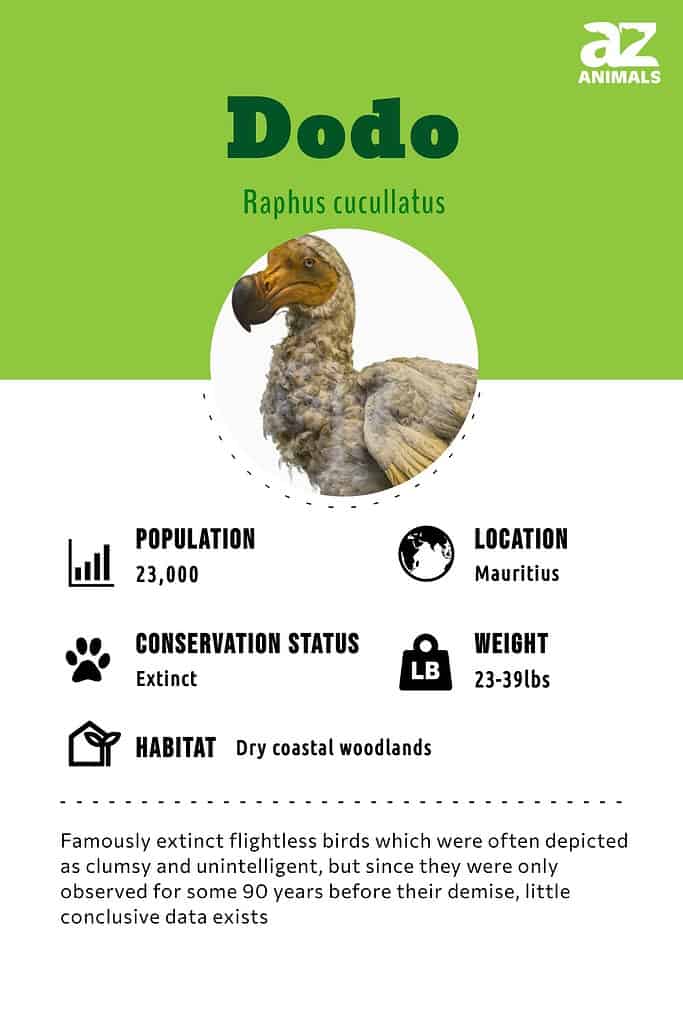
Credit: a-z-animals.com
Adaptations To Climate
Birds adapt to their habitats through specialized features like beaks and feathers. These features help them find food and survive harsh climates. Migration patterns also allow birds to escape extreme weather, ensuring their survival and reproduction.
Understanding how birds adapt to their climate is like unlocking a fascinating survival guide that has evolved over millions of years. Birds have developed various strategies to thrive in different climates, making them some of nature's best adapters. Think about how you put on a coat when it's cold or grab a hat when it's hot. Birds have their own ways of dealing with the weather, each unique to their environment.
Cold Weather Strategies
Some birds have evolved with clever ways to stay warm in frigid climates. The thick feathers of a penguin act like a cozy blanket, trapping heat and keeping cold at bay. You might notice how birds like the Arctic Tern migrate vast distances to escape harsh winters, a bit like how you might head south for a sunny vacation. Have you ever wondered how tiny birds survive the freezing nights? Chickadees fluff up their feathers to create insulating air pockets, much like how you might wrap up in layers. These strategies highlight the incredible ingenuity of nature.
Heat Tolerance
In scorching environments, birds have adapted to handle the heat with ease. The ostrich, native to the African savannah, uses its long legs to cover ground quickly and escape the hottest parts of the day. Its large body radiates heat, and its light-colored feathers reflect sunlight. Look at how desert birds like the Roadrunner stay active in the blazing sun. They minimize water loss by being active during cooler parts of the day and retreating to shade when temperatures soar. How do you handle a hot summer day? Birds show us how to adapt smartly without breaking a sweat.
Rainforest Adaptations
The vibrant rainforest is home to some of the most colorful and diverse bird species. In this lush environment, birds like the toucan use their large, colorful beaks not just for show but to reach and consume a variety of fruits. Their bright colors help them blend into the equally vibrant surroundings, a bit like camouflaging in plain sight. Rainforest birds also have adapted to the constant humidity. Their feathers are often water-repellent, allowing them to stay dry even during heavy downpours. Imagine living in a place where it rains every day—these birds are perfectly equipped for such a lifestyle. As you think about these adaptations, consider how birds have fine-tuned their survival strategies. How might these lessons of adaptation apply to your own life challenges? Observing nature can often provide unexpected insights into how we navigate our own environments.
Credit: www.twinkl.com
Frequently Asked Questions
How Do Birds Adapt To Their Environment?
Birds adapt through physical and behavioral changes. They develop specialized beaks, feet, and feathers. These adaptations help them find food, escape predators, and survive in various climates. Migration patterns also enable them to exploit different habitats seasonally. Each adaptation enhances their chances of survival in specific environments.
Why Do Birds Have Different Beak Shapes?
Bird beak shapes are adaptations to their diet and habitat. For example, strong, hooked beaks help birds of prey tear meat. Long, slender beaks assist nectar-feeding birds in reaching flowers. These adaptations ensure efficient feeding, increasing survival and reproduction rates in various ecosystems.
What Role Do Feathers Play In Bird Adaptation?
Feathers provide insulation, camouflage, and aid in flight. They help birds maintain body temperature and blend into their surroundings. Flight feathers enable efficient movement, essential for escaping predators and migrating. Feather colors can also attract mates, influencing reproductive success and survival in specific habitats.
How Do Birds Use Camouflage For Survival?
Camouflage helps birds avoid predators by blending with their environment. Plumage colors and patterns mimic surroundings, making birds less visible. Nesting in concealed areas and remaining motionless also enhance camouflage. This adaptation is crucial for both predator evasion and successful hunting in various habitats.
Conclusion
Birds thrive because they adapt to their environments. Each habitat requires unique traits. Long beaks help reach deep flowers. Webbed feet suit water birds perfectly. Camouflage feathers hide them from predators. Sharp talons catch prey with ease. Hollow bones make flying less tiring.
Birds evolve these traits over time. Their survival depends on these adaptations. Understanding bird adaptations is key to appreciating nature’s wonders. Observing these traits enriches our connection with wildlife. Nature’s balance relies on these remarkable adaptations. Let’s cherish and protect bird habitats.
This ensures their ongoing survival and diversity.