


Imagine waking up to the sound of chirping birds outside your window, signaling the arrival of a new season. Have you ever wondered where these birds come from or why they travel such long distances?
Bird migration is not just a fascinating natural phenomenon; it offers numerous benefits to both the birds themselves and the ecosystems they inhabit. As you delve into the world of bird migration, you'll uncover the secrets of their incredible journeys and discover how these migrations impact your environment and even your daily life.
Keep reading to explore the astonishing benefits of bird migration and learn why these incredible travelers are essential to our planet's health and balance.
Ecological Significance
Bird migration holds great ecological significance. It helps control insect populations, ensuring balanced ecosystems. Migratory birds also spread seeds, aiding plant growth and biodiversity. Their seasonal movement supports diverse habitats, contributing to environmental health and resilience.
Bird migration is a fascinating phenomenon with profound ecological significance. It’s not just about birds traveling great distances; it’s about the vital roles they play in maintaining the health and balance of ecosystems worldwide. Understanding the ecological importance of bird migration can deepen your appreciation for these feathered travelers and inspire you to protect their habitats.
Ecosystem Balance
Birds are crucial for maintaining ecosystem balance. As they migrate, they help control insect populations, ensuring that no single species overwhelms an area. This natural pest control supports plant health and reduces the need for chemical pesticides. Imagine a garden where birds are frequent visitors. Their presence can prevent an aphid outbreak, maintaining the garden's harmony. In forests, birds such as woodpeckers help manage tree health by consuming insects that can damage trees. Have you ever wondered what happens when a predator is removed from an ecosystem? The balance shifts, often with negative consequences. Birds act as both predator and prey, supporting the entire food web. By maintaining balance, they ensure ecosystems remain resilient and productive.
Pollination And Seed Dispersal
Birds are unsung heroes in pollination and seed dispersal. Many species, like hummingbirds, are effective pollinators, helping flowers reproduce. This pollination is vital for plants that provide food and shelter for other wildlife. Think of a time when you watched a hummingbird flit from flower to flower. Each visit helps spread pollen, supporting plant diversity. This diversity is crucial for ecosystem health, providing varied habitats and resources. Birds also play a significant role in seed dispersal. Fruit-eating birds consume seeds and transport them across distances. This helps in plant propagation, contributing to forest regeneration and biodiversity. Next time you enjoy a fruit tree's shade, remember the birds that helped it grow. Bird migration isn’t just a natural wonder; it’s a key player in ecological processes. What’s one small action you can take today to support these essential travelers and their habitats?
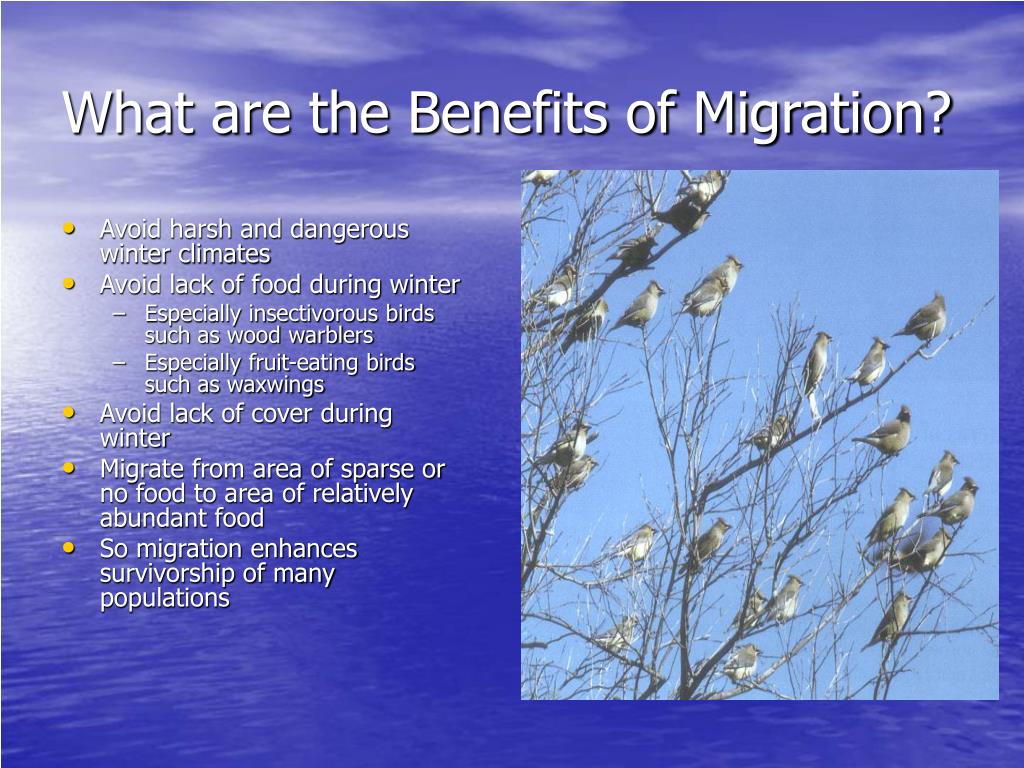
Credit: www.slideserve.com
Biodiversity Support
Bird migration enriches ecosystems by spreading plant seeds and controlling insect populations. These seasonal journeys support biodiversity, ensuring balanced habitats. Birds connect distant regions, enhancing genetic diversity and fostering environmental resilience.
Bird migration is a fascinating natural phenomenon that plays a crucial role in supporting biodiversity. When birds migrate, they help maintain healthy ecosystems by promoting genetic diversity and enabling species interdependence. This movement of birds across different regions ensures that various ecosystems remain balanced and thriving.
Genetic Diversity
Bird migration significantly contributes to genetic diversity. As birds travel vast distances, they often cross-breed with populations in different areas. This genetic mixing strengthens species by introducing new traits and increasing adaptability to changing environments. Think about it: how boring would our gardens be if all flowers were identical? Bird migration helps prevent such monotony by spreading genes across borders. This diversity is essential for resilience against diseases and environmental changes.
Species Interdependence
Birds are not isolated entities; they interact closely with other species. During migration, birds pollinate plants, disperse seeds, and control insect populations, contributing to a robust ecosystem. This interdependence ensures that no species becomes too dominant or diminishes excessively. Imagine your local park without birds. Insects might overrun the area, and certain plants might fail to reproduce. Bird migration maintains this delicate balance, proving that even small creatures have significant roles in our natural world. Bird migration is more than just a seasonal event. It’s a vital process that supports biodiversity in ways we might not always notice. So next time you see birds flocking across the sky, remember they are carrying with them the seeds of genetic diversity and a promise of interdependence. What role will you play in protecting these incredible travelers?
Climate Adaptation
Bird migration is a fascinating natural phenomenon that offers numerous benefits, particularly in the realm of climate adaptation. As the Earth undergoes changes in climate, birds demonstrate remarkable resilience and adaptability through their migratory patterns. This ability to adapt not only ensures their survival but also contributes to the balance of ecosystems worldwide. Let's explore how bird migration facilitates climate adaptation through seasonal resource optimization and habitat expansion.
Seasonal Resource Optimization
Birds migrate to optimize the use of seasonal resources. As seasons change, so do the availability of food and nesting sites. By moving to areas where resources are abundant, birds can thrive and reproduce effectively. Imagine spotting a flock of geese in your local park during autumn. They’re not just passing through; they’re capitalizing on the plentiful food available before winter sets in. This strategic movement allows birds to maintain their energy levels and health, a crucial factor for their survival.
Have you ever wondered why some birds appear only during certain seasons? Their migration is timed perfectly with the peak availability of resources. This ensures they get the best nutrition and conditions possible. It's like timing a vacation to coincide with the best weather and attractions. Birds do this naturally, showcasing their incredible ability to optimize their environment.
Habitat Expansion
Migration also enables birds to expand their habitats. By traveling to different regions, birds can explore new areas that offer suitable living conditions. This expansion allows them to escape harsh climates and find refuge in more hospitable zones. Picture this: a bird flying thousands of miles to avoid a freezing winter. It's not just escaping the cold but discovering new territories that may become permanent habitats over time.
As birds migrate, they contribute to the spread of plant seeds and pollens, aiding the growth of vegetation in new areas. You might notice diverse plant species thriving in places where birds frequently visit. This biodiversity is crucial for maintaining ecological balance. Birds, through migration, play a pivotal role in expanding habitats and nurturing ecosystems.
How do you think our world would look without bird migration? The answer might surprise you. Without their adaptive journeys, ecosystems would struggle to maintain balance. Birds' ability to migrate ensures that they, and the environments they touch, continue to flourish in the face of climate change.

Credit: www.instagram.com
Economic Impact
Bird migration offers fascinating insights into nature's wonders. But did you know it also impacts the economy? As birds embark on their incredible journeys, they bring unexpected benefits to various industries. Below, we explore how bird migration boosts tourism, birdwatching, and agriculture.
Tourism And Birdwatching
Bird migration attracts thousands of enthusiasts. These birdwatchers travel far and wide to witness the spectacle. Imagine waking up early, binoculars in hand, eagerly waiting for the first glimpse of rare birds.
This passion fuels local economies. Hotels, restaurants, and shops thrive during migration seasons. A small town might see its best business when migratory birds pass through.
Birdwatching festivals and events are increasingly popular. They create jobs and promote cultural exchange. Have you ever considered how a simple hobby can boost a community's economy?
Agricultural Benefits
Migratory birds play a vital role in pest control. They feed on insects that can damage crops. This natural pest control helps farmers, reducing the need for chemical pesticides.
By maintaining a balance in ecosystems, birds contribute to healthier crops. This leads to better yields and profits for farmers. Have you ever thought about how a bird's journey might save a harvest?
Moreover, birds can aid in pollination. Their movement can help spread seeds and pollen, supporting biodiversity. This enhances the quality of agricultural produce, benefiting both farmers and consumers.
In what ways do you think bird migration could further support local economies? Would you travel to see these amazing creatures and support your community? These questions invite you to consider the broader implications of bird migration. Your answers might surprise you.
Scientific Insights
Bird migration offers valuable scientific insights. Researchers study these patterns to learn about ecosystems and environmental changes. Observing migratory birds helps in understanding the natural world better.
Migration Patterns Study
Scientists track bird migration routes using advanced technology. Satellite tags provide real-time data on bird movements. This data helps to map migration paths accurately.
Understanding migration patterns reveals how birds adapt to seasonal changes. It shows their survival strategies in different climates. This knowledge helps in conservation efforts.
Climate Change Indicators
Bird migration patterns reflect climate change impacts. Changes in migration timing can indicate shifts in weather patterns. Scientists use this information to study global warming effects.
Monitoring these changes helps predict future climate scenarios. It provides crucial data for climate action plans. Birds act as environmental sentinels.
Cultural Importance
Bird migration helps maintain ecological balance and supports biodiversity. It provides food resources and aids in seed dispersal across regions. Understanding migration patterns can enhance conservation efforts, ensuring habitats remain intact for future generations.
Bird migration isn't just a marvel of nature; it holds significant cultural importance across various societies. For many, the seasonal movement of birds symbolizes renewal and transformation. This phenomenon resonates deeply in art, literature, and traditional practices, shaping cultural identities and preserving ancient wisdom.
Symbolism In Art And Literature
Bird migration has long inspired artists and writers worldwide. The sight of a flock heading south can evoke feelings of freedom and the passage of time. Famous artists like Vincent van Gogh and writers such as Emily Dickinson have drawn upon migratory birds for inspiration, embedding these creatures in their work to symbolize hope, change, and perseverance. In literature, migratory birds often represent the human quest for adventure or the search for a better life. You might have noticed this theme in novels or poems, where birds crossing vast distances mirror human journeys and aspirations. How does this symbolism resonate with your life experiences or cultural background?
Traditional Knowledge And Practices
Many indigenous communities possess a wealth of traditional knowledge about bird migration. For generations, these communities have observed and learned from these patterns, integrating them into their cultural practices. Birds’ arrival and departure can signal seasonal changes, impacting agricultural cycles and fishing practices. Some cultures even hold festivals to celebrate the return of migratory birds, marking important events in their calendars. These celebrations often include songs, dances, and rituals, passed down through generations. Have you ever participated in or witnessed such a festival? It’s a unique experience that connects you with both nature and ancient customs. Understanding the cultural importance of bird migration can enrich your appreciation of this natural phenomenon. It invites you to reflect on how deeply interconnected human life is with nature and tradition. What cultural connections do you see in your surroundings that are inspired by the natural world?
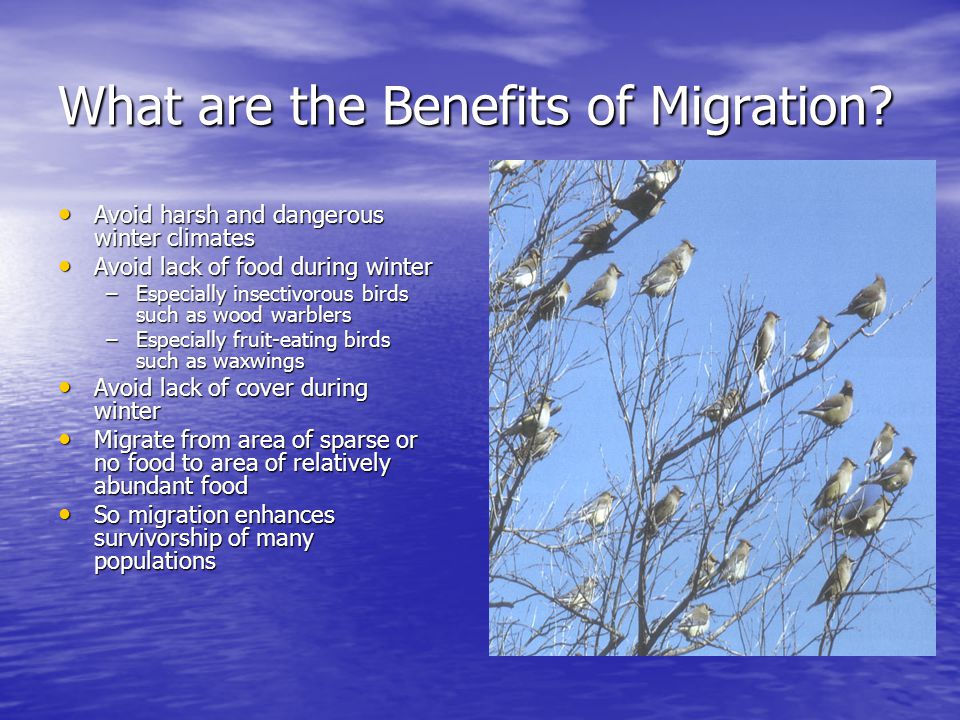
Credit: slideplayer.com
Frequently Asked Questions
Why Do Birds Migrate Annually?
Birds migrate annually to access better food resources and favorable climates. Migration helps them avoid harsh weather conditions. It also aids in breeding success by moving to regions with abundant resources. This seasonal movement ensures survival and propagation of bird species across diverse habitats.
How Does Migration Benefit Bird Species?
Migration provides birds with optimal feeding and breeding opportunities. It allows access to regions rich in food and suitable nesting sites. This movement helps in avoiding predators and harsh climates. Consequently, it increases survival rates and ensures healthy offspring, contributing to species continuity.
What Triggers Bird Migration?
Bird migration is triggered by environmental cues like temperature changes and food availability. Daylight duration, hormonal changes, and instinctual behavior also play roles. These factors signal birds to embark on their migratory journey, ensuring they reach destinations with favorable living conditions for survival and reproduction.
How Does Migration Impact Ecosystems?
Bird migration significantly impacts ecosystems by aiding in pollination and seed dispersal. Migratory birds control insect populations, maintaining ecological balance. Their movement introduces nutrients across regions, fostering biodiversity. Thus, bird migration plays a crucial role in sustaining healthy, functioning ecosystems worldwide.
Conclusion
Bird migration offers many benefits to both birds and ecosystems. Birds travel long distances for better food and breeding grounds. This movement helps control insect populations. It also aids in pollination and seed dispersal. Nature stays balanced because of these journeys.
Bird migration teaches us about climate change impacts. It also inspires people to protect natural habitats. By understanding migration, we support biodiversity. Each bird's journey is a wonder of nature. We gain insight by studying these amazing travels. Bird migration is essential for a healthy planet.
Let's appreciate and protect it.