


How is Climate Change Affecting Bird Migration?
Imagine waking up one morning to find your backyard unusually silent, absent of the chirping melodies you’ve grown accustomed to. As you sip your coffee, you wonder where the birds have gone.
If you’ve been pondering this, you're not alone. Climate change is transforming bird migration patterns in ways that are both fascinating and concerning. These changes could affect not just the birds but also the ecosystems they help sustain. You might be surprised to learn how climate shifts influence when and where birds migrate.
This is not just an environmental issue; it touches your life and community in subtle yet significant ways. Dive into this article to discover the surprising impacts of climate change on bird migration, and find out what it means for you and your surroundings.
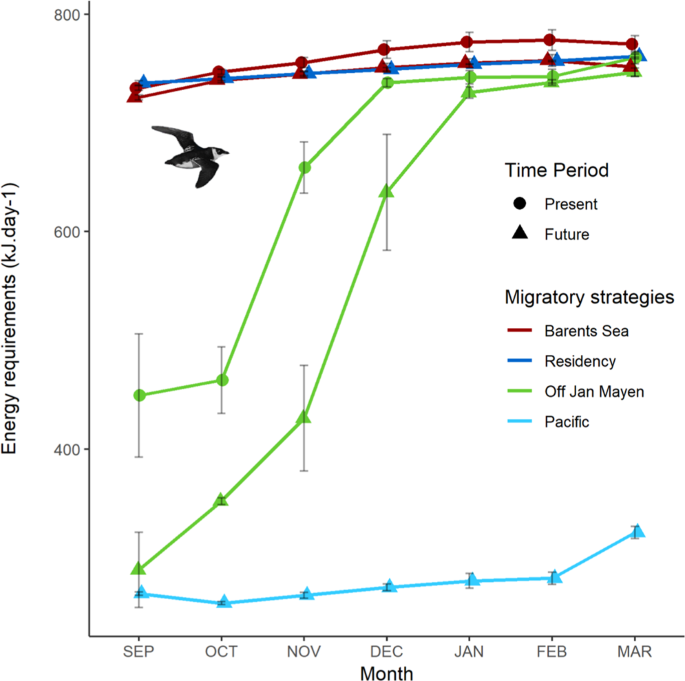
Credit: www.nature.com
Shifts In Migration Patterns
Climate change alters bird migration by shifting seasons and temperatures. Birds face challenges finding food and suitable habitats. These changes affect their survival and reproduction.
Climate change is reshaping our world in many ways, and one of its most fascinating impacts is on bird migration patterns. As temperatures rise and ecosystems shift, birds are changing their traditional migration habits. This phenomenon is not just an ecological curiosity; it has real implications for biodiversity and environmental balance. Let's delve deeper into how these shifts are manifesting.
Altered Timelines
Birds are now migrating at different times than they used to. Studies show that many species are starting their journeys earlier in the spring and delaying their return in the fall. This change can disrupt their breeding cycles and food availability. If you're a birdwatcher, you might have noticed birds arriving sooner or lingering longer in your area. This shift can affect local ecosystems, as birds play crucial roles in pest control and pollination. Have you seen these changes in your own backyard?
Changed Routes
Climate change is also pushing birds to find new migration routes. Traditional paths may no longer provide the resources they need due to habitat loss and changing weather patterns. As a result, birds are exploring alternative routes, which can be risky and energy-intensive. These new routes can lead birds to unfamiliar territories, sometimes causing conflict with resident species. It can also impact local economies that rely on birdwatching tourism. Are these altered routes affecting the bird populations near you? The shifts in migration patterns are more than just changes in bird behavior; they are indicators of broader environmental changes. By observing these patterns, you can contribute to the understanding of climate change's impact on our planet. How might these changes influence your local ecosystem and the world at large?

Credit: www.science.org
Impact On Bird Populations
Climate change isn't just about melting ice caps or rising sea levels; it’s reshaping the world for bird populations too. As temperatures rise, birds face disrupted migration patterns, leading to a ripple effect on their populations. You might notice fewer birds in areas where they were once abundant. This shift signals deeper ecological impacts that are unfolding right under our noses.
Species Decline
Many bird species are experiencing a worrying decline. With changing temperatures, their traditional habitats are becoming less hospitable. Imagine your favorite birdwatching spot; fewer birds might visit it because the conditions have changed. This decline isn’t just about numbers; it affects biodiversity and ecosystem balance.
A specific example is the Arctic Tern, known for its extensive migratory journey. As the Arctic warms, their breeding grounds are threatened, leading to fewer successful offspring. This decline raises a crucial question: how will ecosystems cope with fewer bird species performing vital roles, like pollination and pest control?
Emergence Of New Habitats
On the flip side, new habitats are emerging as climates shift. Warmer temperatures can open up previously inhospitable areas. You might see birds in places where they’ve never been spotted before. This can be exciting for bird enthusiasts but also highlights the adaptability some species possess.
However, new habitats can be a double-edged sword. While some birds adapt and thrive, others struggle to find food and shelter in unfamiliar territories. The emergence of these habitats poses a challenge: can conservation efforts keep up with the rapid changes in bird territories?
Your observations and actions can contribute to understanding these impacts. Consider participating in local bird surveys or conservation projects. By engaging with these changes, you become part of the solution in preserving bird populations for future generations.
Role Of Temperature Fluctuations
Climate change is altering our planet in many ways. One significant impact is on bird migration patterns. Temperature fluctuations play a crucial role. Birds rely on specific climate cues for migration. Warmer temperatures can disrupt these patterns. This leads to changes in migration timing and routes. Birds may arrive too early or too late. This shift affects their survival and reproduction. Let's explore the effects of temperature fluctuations on bird migration.
Effects On Breeding Cycles
Temperature changes impact breeding cycles significantly. Birds rely on precise timing for breeding. Warmer climates can shift this timing. Birds may breed earlier or later than usual. This can affect chick survival rates. Mismatched timing with food availability is a concern. If chicks hatch too early, food may be scarce. This creates a challenging start for young birds.
Influence On Food Availability
Temperature fluctuations also affect food sources. Birds depend on seasonal food supplies. Warmer temperatures can alter plant and insect life cycles. This impacts the availability of food. Birds may struggle to find enough resources. Lack of food during migration can be detrimental. It affects their health and success in reaching destinations. Birds may also face increased competition for limited food.
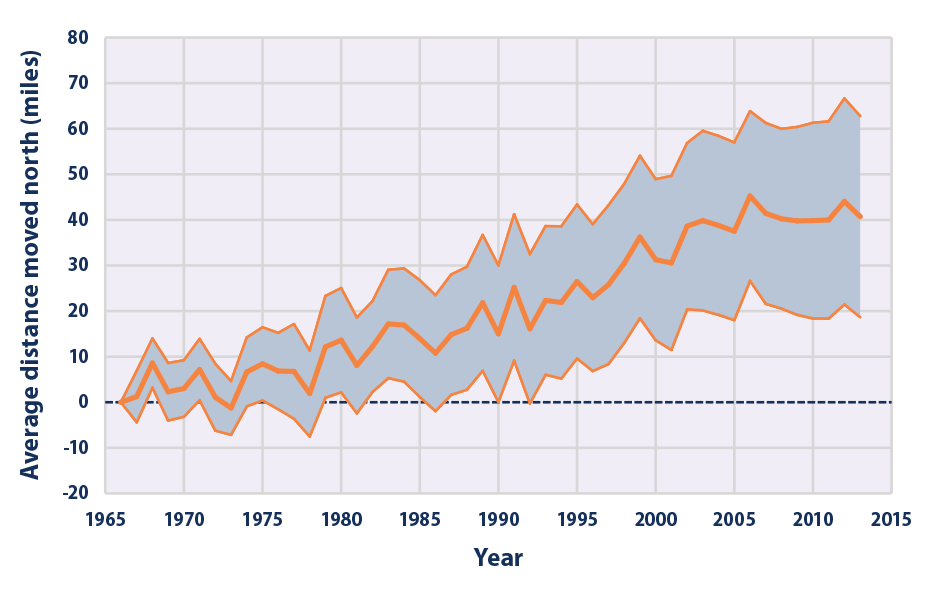
Credit: www.epa.gov
Weather Extremes And Migration Challenges
Birds travel long distances during migration. Climate change makes this journey harder. Weather extremes are a big issue. Birds face storms, hurricanes, and more. These challenges affect their survival. They must adapt or perish.
Storms And Hurricanes
Storms and hurricanes are becoming more common. Birds struggle to survive these harsh conditions. Strong winds can blow them off course. Heavy rains make it tough to find food. Nesting areas can get destroyed. Birds get displaced and stressed.
Increased Mortality Rates
Weather extremes increase bird mortality rates. Extreme heat can lead to dehydration. Cold snaps cause hypothermia. Birds may not find enough food. Their energy levels drop. They become vulnerable to predators. Many do not survive the journey.
Long-distance Migrants At Risk
Climate change is a growing concern for bird migration. Long-distance migrants, birds that travel thousands of miles, are particularly at risk. They face many challenges due to changing climates. These challenges threaten their survival. Altered weather patterns disrupt their traditional routes. This places them in unfamiliar environments. Climate change affects food availability and breeding grounds. Let's explore how these changes impact birds, focusing on energy demands and navigational challenges.
Energy Demands
Birds need energy to migrate long distances. Climate change affects their energy sources. Rising temperatures alter plant growth and insect populations. This means less food at critical stopovers. Birds must travel further for food. This increases energy expenditure. They arrive at breeding grounds exhausted. This affects their ability to reproduce successfully.
Navigational Challenges
Birds rely on environmental cues for navigation. Climate change alters these cues. Changing temperatures and wind patterns confuse birds. They struggle to find their usual paths. This leads to longer journeys and increased risk. Birds also face unfamiliar weather conditions. These conditions can be dangerous. It challenges their survival on long migrations.
Adaptation And Resilience
Adaptation and resilience are crucial for birds facing the challenges of climate change. As temperatures rise and ecosystems shift, birds must adjust their migration patterns to survive. This adaptation isn't just about flying longer distances; it's about evolving behaviors and genetics to meet new environmental demands. How are birds adapting, and what can we learn from their resilience?
Behavioral Changes
Birds are altering their migratory routes and timing to better align with changing climates. In my backyard, I've noticed robins arriving earlier each spring. This shift might be their way of ensuring they find food as temperatures rise sooner than expected.
Such changes can be risky. If birds arrive too early or late, they might miss critical food sources or breeding opportunities. It makes you wonder—how do they decide when to migrate? Is it instinct, or are they learning from their surroundings?
Genetic Adaptations
Over time, birds can develop genetic traits that help them thrive in new conditions. Some species have evolved to withstand higher temperatures or altered food availability. Imagine if birds could pass these traits to future generations, ensuring their survival.
Genetic adaptations take time, often many generations. Yet, some birds show remarkable speed in evolving these traits. It highlights their resilience and poses a question: Are they adapting faster than we think?
Understanding these genetic shifts might offer insights into our own ability to adapt to climate change. What can you learn from birds about resilience in the face of adversity?
Conservation Efforts And Strategies
Bird migration patterns are changing due to climate change. Conservation efforts are vital to protect these species. Strategies focus on habitat restoration and policy initiatives. These measures help maintain bird populations and their migratory paths.
Habitat Restoration
Restoring natural habitats is crucial for bird conservation. Many birds rely on specific environments for nesting and feeding. Wetlands, forests, and grasslands are essential for their survival. Conservationists work to repair these areas. They remove invasive species and plant native vegetation. This creates a suitable home for migratory birds. Ensuring clean water sources is another key effort. Birds need fresh water during migration stops. Volunteers often help in these restoration projects. Their support makes a big difference. Healthy ecosystems attract more bird species. This improves biodiversity and strengthens ecological balance.
Policy Initiatives
Governments play a role in bird conservation. Policies can protect migratory routes and habitats. Legislation limits harmful activities like deforestation. It controls pollution and pesticide use. Policies also encourage sustainable land use. International agreements help too. Countries collaborate to protect migratory birds. These agreements establish protected areas across borders. Conservationists advocate for stronger policies. They raise awareness about climate change impacts. Public support is vital for policy success. Educating communities leads to better conservation practices. Strong policies ensure safer migration paths for birds.
Future Research Directions
Exploring climate change's impact on bird migration reveals shifts in timing and routes. Researchers study altered habitats and food availability. Understanding these changes aids conservation efforts and biodiversity protection.
As climate change continues to alter our planet's ecosystems, understanding its impact on bird migration becomes crucial. Future research directions aim to dig deeper into these effects, offering insights that could aid conservation efforts. Exploring innovative technologies and fostering collaborative studies are two promising avenues that could reshape our understanding of avian migration patterns.
Technological Advancements
Technology is evolving at a rapid pace, offering new tools for researchers studying bird migration. GPS tracking devices, for example, have become smaller and more efficient, allowing scientists to monitor birds over long distances with minimal interference. Imagine being able to track a bird's journey across continents in real-time—this data can provide invaluable insights into how climate change is impacting their routes and behavior. Drones are another exciting advancement, capable of capturing high-resolution images and videos of birds in their natural habitats. These unmanned aerial vehicles can access remote or otherwise hard-to-reach areas, offering a bird's-eye view of migration patterns. You could be part of a team that uses drones to collect data, uncovering new trends and challenges faced by migrating species.
Collaborative Studies
Collaboration is key in addressing the complexities of climate change and bird migration. By working together, researchers from different fields can pool their expertise to create a more comprehensive understanding. Imagine ornithologists teaming up with climatologists to predict how changing weather patterns will affect future migrations. International partnerships can also play a pivotal role. Birds do not recognize borders, and their migration patterns often span multiple countries. Collaborative studies across nations can provide a more holistic view, leading to strategies that protect migratory birds on a global scale. Have you ever thought about contributing to such a cross-border initiative? These collaborative efforts often include citizen science projects, where everyday people can contribute valuable data. Participating in a birdwatching event or submitting your observations online can directly support research efforts. How empowering would it feel to know your contributions are helping scientists tackle these complex issues? By focusing on these future research directions, you can be part of the solution. Whether through technological innovation or collaborative study, every effort counts in preserving the intricate dance of bird migration in our changing world.
Frequently Asked Questions
What Triggers Bird Migration Changes Due To Climate Change?
Climate change alters temperatures and weather patterns, disrupting natural cues that trigger bird migration. Birds rely on consistent environmental signals like temperature and daylight. These changes can lead to mistimed migrations, affecting their breeding and feeding cycles.
How Does Climate Change Impact Bird Migration Routes?
Climate change modifies habitats and food availability, forcing birds to alter their traditional routes. These changes can increase migration distances and energy expenditure. Birds may face challenges finding suitable stopover sites, impacting their survival and reproduction.
Are Bird Migration Timings Affected By Climate Change?
Yes, climate change affects migration timing by altering environmental cues like temperature and food availability. Birds may migrate earlier or later than usual. This mistiming can lead to mismatches with food sources and breeding opportunities, impacting their survival and reproductive success.
How Do Temperature Changes Affect Bird Migration?
Temperature changes influence bird migration by altering habitat conditions and food availability. Warmer temperatures can prompt earlier migrations. This affects birds' ability to find suitable habitats and food, leading to survival challenges and possible population declines.
Conclusion
Bird migration patterns are changing due to climate change. Birds face new challenges. They encounter shifting habitats and unpredictable weather. Many species struggle to adapt quickly. This affects their survival and reproduction rates. Communities lose vital ecological roles. Bird populations decline, impacting ecosystems globally.
Awareness and action are necessary. Conservation efforts can help protect these species. Individuals can contribute by supporting sustainable practices. Together, we can reduce climate change impacts. Protecting bird migration supports biodiversity. It preserves our natural world for future generations. Let's act now for a healthier planet.