


Have you ever set up a bird feeder in your backyard, filled it with the finest seeds, and then found yourself waiting for the flurry of wings that never arrives? It can be disheartening to see your feeder standing empty day after day.
You might wonder why the birds aren't flocking to your carefully chosen spot. You're not alone in this; many bird lovers face the same puzzling situation. We'll explore the possible reasons your feathered friends are giving your feeder the cold shoulder.
By the end, you'll have actionable insights to transform your yard into a bustling bird haven. Dive in to discover the secrets to attracting birds and enjoy the vibrant and lively backyard you’ve always dreamed of!
Credit: wintersprings.wbu.com
Common Reasons For Empty Feeders
Having a bird feeder can be a delightful experience. Watching colorful birds gather can brighten anyone's day. But sometimes, feeders remain empty, and birds seem to avoid them. This can be puzzling and disappointing. Understanding the common reasons for this can help solve the mystery.
Seasonal Changes
Bird patterns shift with the seasons. In spring, birds have access to natural food sources. Blooming plants and insects are abundant. Birds may prefer these over feeder food. During winter, feeders may attract more birds seeking easy meals. Changes in migration also affect feeder visits.
Predator Presence
Birds seek safety when feeding. Predators such as cats or hawks can deter them. Ensure the feeder is in a safe location. Avoid placing it near dense bushes or areas where predators can hide. A visible, open spot is ideal for bird safety.
Inappropriate Food
Birds have specific dietary needs. Offering the wrong food can keep them away. Different birds prefer different seeds and grains. Researching local bird species helps in choosing suitable food. Fresh, high-quality seeds attract more birds. Avoid stale or spoiled food.

Credit: www.reddit.com
Choosing The Right Feeder
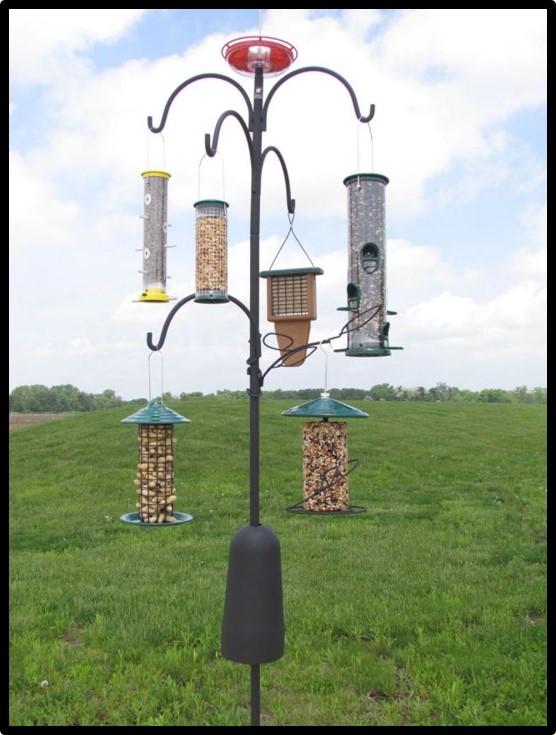
Bird feeders come in many shapes and sizes. Picking the right one can make a big difference. Birds are picky. They look for feeders that suit their needs. A good feeder attracts a variety of birds. It also keeps them coming back. Let's explore what makes a feeder right for your yard.
Types Of Feeders
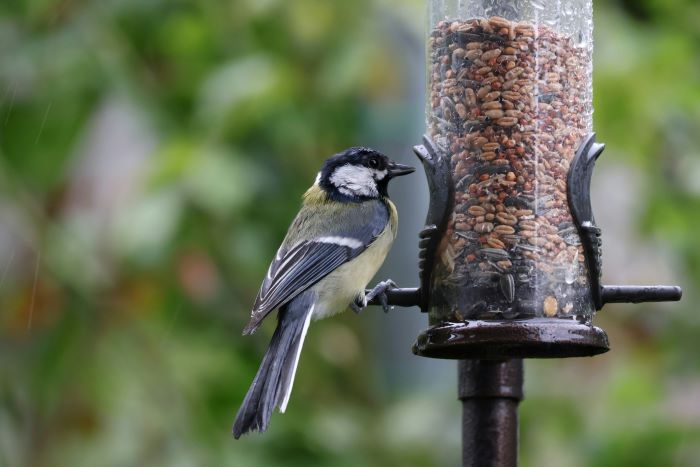
Different feeders attract different birds. Tube feeders are great for small birds. They enjoy seeds like sunflower and millet. Hopper feeders can hold more seeds. They attract both small and large birds. Platform feeders are open and flat. They suit birds that like ground feeding. Suet feeders are essential for woodpeckers and nuthatches. Each type serves a unique purpose.
Feeder Placement Tips
Where you place your feeder matters. Birds need to feel safe. Place feeders near bushes or trees. They provide shelter from predators. Avoid placing them too close to windows. Birds may not see the glass. A clear view helps birds spot danger. Keep feeders away from busy areas. Birds prefer quiet places to feed.
Maintenance And Cleaning
Clean feeders regularly. Dirty feeders can spread disease. Use warm water and a mild soap. Rinse well and let them dry. Check for moldy seeds. Remove them to keep birds healthy. A clean feeder attracts more birds. They appreciate a tidy space to eat.
Selecting Bird-friendly Food
Choosing the right bird-friendly food can attract more birds to your feeder. Birds are picky about what they eat. Using fresh seeds that match their diet can make a big difference.
Selecting the right food is crucial for attracting birds to your feeder. Different birds have unique preferences. Offering a variety of bird-friendly food can increase visits. Understanding what seeds and mixes appeal to birds can make a difference.
Popular Seeds And Mixes
Sunflower seeds are a favorite among many bird species. They are rich in oil and provide energy. Black oil sunflower seeds attract cardinals, finches, and chickadees. Safflower seeds are another popular choice. They are favored by cardinals and sparrows. Millet is loved by ground-feeding birds. Doves, juncos, and sparrows enjoy millet. Peanuts, either whole or shelled, appeal to larger birds. Blue jays and woodpeckers often visit for peanuts.
Avoiding Harmful Additives
Birds need clean, natural food. Avoid seeds with artificial colors or flavors. These additives can harm birds. Mixes with fillers like wheat or oats may not attract many birds. Stick to pure seeds without chemicals. Check labels for preservatives. These can be dangerous for birds. Organic seeds are often a safer choice. They are free from harmful pesticides.
Seasonal Food Preferences
Birds' food preferences change with the seasons. In winter, birds need high-energy seeds. Sunflower seeds and suet are ideal in colder months. Spring brings nesting and breeding. Protein-rich foods like mealworms are beneficial. Summer offers natural food sources. Fresh fruits and berries can attract more birds. In fall, birds prepare for migration. Offer seeds and nuts high in fat. Adjusting food according to seasons helps attract different birds.
Creating A Safe Environment
Creating a safe environment is crucial for attracting birds to your feeder. Birds seek places where they feel secure from threats. A few changes can help transform your garden into a welcoming sanctuary.
Reducing Predator Threats
Predators can scare away birds. Keep feeders away from bushes or trees where cats may hide. Install baffles on poles to deter climbing animals. Regularly check for signs of predators near feeders.
Providing Shelter And Water
Birds need shelter to feel safe. Plant shrubs or install birdhouses nearby. Offer clean water for drinking and bathing. Place water sources in open areas to prevent ambush by predators.
Minimizing Human Disturbance
Excessive noise can deter birds. Place feeders in quiet parts of your yard. Avoid sudden movements when refilling feeders. Ensure pets do not have access to bird feeding areas.
Attracting A Diverse Bird Population
Creating a vibrant and diverse bird population at your feeder enriches your garden's ecosystem. It can transform your backyard into a lively haven for various bird species. Attracting different birds requires understanding their needs and preferences. This section explores key strategies to bring a colorful array of feathered friends to your feeder.
Understanding Local Bird Species
Learn about the birds native to your area. Each species has its unique dietary needs. Some birds prefer seeds, others enjoy fruits or insects. Research local birds to tailor your offerings. Providing suitable food increases your chances of attracting more birds.
Planting Native Flora
Native plants are crucial for attracting birds. They provide natural food sources and shelter. Plants like berry bushes offer food directly from nature. Use native trees and shrubs to mimic the birds' natural habitat. This encourages them to visit your feeder more often.
Using Bird Calls And Sounds
Birds respond to familiar sounds. Use recordings of bird calls to draw them in. Play these sounds during peak activity hours. Birds curious about the calls will explore your garden. This technique can significantly increase your bird feeder's traffic.
Troubleshooting Common Issues
Have you set up a beautiful bird feeder in your garden, only to find it empty day after day? It's frustrating, isn't it? Often, there are simple reasons why birds aren't visiting your feeder. Troubleshooting these common issues can make your garden a bustling haven for birds once again. Let's dive into some practical solutions.
Dealing With Squirrels And Pests
Squirrels can be the uninvited guests at your bird feeder. They can scare birds away and eat all the food. Have you noticed them lurking around? Try using squirrel-proof feeders. They are designed to keep these pesky intruders out while allowing birds to feast.
Other pests, like ants or raccoons, might also be causing trouble. Regularly clean the area around your feeder. This can deter unwanted visitors. You might also consider placing feeders in areas less accessible to larger animals.
Addressing Weather Challenges
Weather plays a big role in bird activity. Windy days might keep birds away from feeders. Secure your feeder to prevent swaying. This stability can encourage birds to return.
Rain can spoil the seeds, making them unappealing. Use covered feeders to keep your bird food dry. This little tweak can make your feeder more attractive during rainy spells.
Monitoring Bird Health
Bird health is crucial. Are you offering clean and healthy food? Check for mold or rot in your seeds. Birds are sensitive to these issues and will avoid contaminated food.
Consider the types of seeds you're offering. Different birds have different preferences. Are your seeds attracting the kind of birds you want? Mixing up seed types can boost your bird traffic.
Have you noticed any sick birds? Keep an eye out and clean your feeders regularly to prevent diseases from spreading. Healthy birds mean happy feeding times.
By addressing these common issues, your feeder can become a lively spot once again. Have you tried any of these tips? What changes have worked for you?
Expert Tips For Long-term Success
Keeping your bird feeder bustling with activity requires patience and strategy. Observing bird behavior, adapting to seasonal changes, and engaging with birding communities are key. These expert tips will help you create a thriving bird haven.
Observing Bird Behavior
Watch how birds interact with your feeder. Are they avoiding it? Check if predators are lurking nearby. Birds also have preferred feeding times. Morning and late afternoon are popular. Make sure the feeder is clean and filled with fresh seeds. Birds appreciate a tidy dining space.
Adapting To Seasonal Changes
Bird activity varies with seasons. Adjust your feeder's offerings accordingly. In winter, high-energy foods like suet attract birds. Spring brings migratory species looking for seeds. Summer sees a rise in insect-eating birds. Tailor your feeder to suit the season's demands.
Engaging With Birding Communities
Join local birding groups. Share experiences and gather tips from fellow enthusiasts. Online forums offer advice and support. Engage with experts to learn about regional bird species. Community involvement enriches your birding knowledge. It also enhances your feeder's appeal.
Credit: www.reallywildbirdfood.co.uk
Frequently Asked Questions
Why Are Birds Avoiding My Bird Feeder?
Birds may avoid feeders due to location, noise, or lack of food variety. Ensure your feeder is in a quiet, safe spot. Offer diverse seeds like sunflower and nyjer to attract different species. Regularly clean the feeder to prevent disease.
How Can I Attract Birds To My Feeder?
To attract birds, provide fresh water and diverse food options. Use high-quality seeds and suet. Position your feeder near trees or shrubs for safety. Patience is key; birds may take time to discover new feeders.
Are Squirrels Deterring Birds From Feeding?
Yes, squirrels can deter birds by dominating feeders and eating seeds. Use squirrel-proof feeders or baffles to prevent access. Offering separate feeding stations for squirrels can also reduce their impact on bird feeders.
Is Feeder Placement Affecting Bird Visits?
Feeder placement greatly influences bird visits. Place feeders in quiet, sheltered areas with nearby trees or shrubs. Avoid high-traffic zones and ensure they're visible from above. Birds feel safer with escape routes from predators.
Conclusion
Birds not visiting your feeder can be frustrating. Simple changes can help. First, ensure your feeder is clean and filled. Fresh seeds attract more birds. Next, place the feeder in a quiet spot. Birds like safe, calm areas. Also, provide water nearby.
Birds need to drink and bathe. Finally, be patient. Birds may take time to find new feeders. Try these tips for more bird visits. Enjoy watching colorful birds outside your window. Remember, small adjustments can make a big difference. Keep your feeder inviting and bird-friendly.
Happy bird watching!