


How Do Birds Know You Have a Bird Feeder?
Have you ever wondered how birds seem to magically appear at your bird feeder, sometimes just moments after you set it up? It's as if they have a secret network, alerting them to new food sources.
This fascinating behavior isn't just a coincidence. It taps into the incredible instincts and communication skills of birds. Understanding how they find your feeder can deepen your appreciation for these feathered visitors and help you create an even more welcoming space for them in your garden.
By the end of this article, you'll uncover the secrets behind their uncanny ability to locate feeders, and you might just find yourself even more enchanted by the nature right outside your window. So, let's dive into the world of birds and discover what makes them the perfect guests at your backyard buffet.
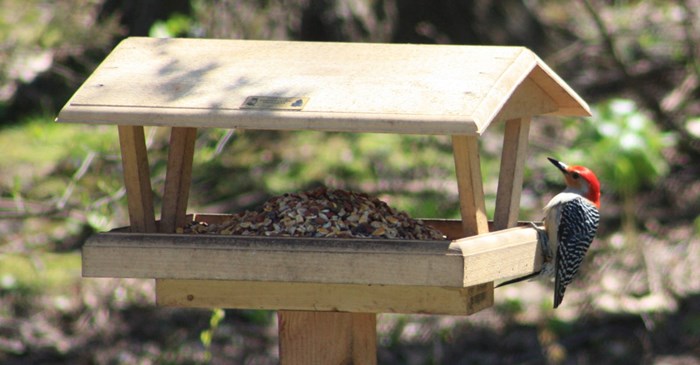
Credit: www.lyricbirdfood.com
Birds' Navigational Abilities
Birds possess remarkable navigational skills, enabling them to locate food sources like bird feeders easily. Their keen eyesight and memory help them remember locations. Sounds of chirping and the presence of other birds also guide them towards feeders.
Birds’ navigational abilities are nothing short of fascinating. You might have hung a bird feeder and wondered how birds seem to magically find it. Their ability to locate resources like food is rooted in incredible natural instincts and skills.
Instinctual Movements
Birds possess an innate sense of direction. They can move with purpose and precision, relying on instinct to guide them to your feeder. Next time you see a bird at your feeder, remember it wasn’t by chance. Their instinctual movements are honed by survival needs and an acute awareness of their environment. Once, I noticed birds flocking to my feeder just hours after setting it up. It felt like they had an invisible map guiding them. Their instincts direct them to food sources, even new ones, making your backyard a potential hotspot for avian visitors.
Magnetic Field Utilization
Did you know birds can use the Earth's magnetic field to navigate? Many birds have a specialized sense that helps them detect magnetic fields. This magnetic compass can guide them over long distances, even when landmarks are scarce. Think about migratory birds traveling thousands of miles. They rely on this magnetic sense to stay on course. This same ability helps them zero in on your backyard feeder, turning your home into a beacon for hungry birds. Imagine the Earth as a giant GPS system for birds. By understanding these remarkable abilities, you can better appreciate the visitors your feeder attracts. So, when you fill your bird feeder, know that you're participating in an extraordinary natural phenomenon. Have you ever wondered what it would be like to navigate the world with such precision?
Communication Among Birds
Birds are fascinating creatures, especially when it comes to their communication skills. Imagine having a bird feeder in your backyard. Have you ever wondered how birds seem to know exactly where to find it? Communication among birds plays a crucial role in this discovery process. They don't just stumble upon your feeder by chance; instead, they use a combination of auditory signals and visual cues to communicate with each other, ensuring they find food sources efficiently.
Auditory Signals
Birds are excellent at using sounds to communicate. When a bird discovers a new food source, it often shares this information with others through specific calls. These calls can vary in pitch and length, conveying excitement or urgency. Picture a sparrow chirping loudly near your feeder. It's not just singing; it's alerting nearby birds to the feast waiting for them.
Birds also use different sounds depending on the situation. Some calls are meant to attract other birds, while others might warn them of predators. If you've ever heard a sudden chorus of chirping, it might be birds communicating about a new feeder. This auditory network is like a social media platform, spreading the news rapidly among them.
Visual Cues
Besides sounds, birds are adept at using visual cues to find food. Bright colors on feeders attract birds, making them stand out against the natural landscape. If you notice birds flocking to a vividly colored feeder, it's because their keen eyesight helps them spot these visual signals from afar.
Birds also watch the behavior of others. If one bird is pecking away at your feeder, others are likely observing and deciding to join in. This behavior is especially common in species that feed in flocks. Imagine a group of finches at your feeder; they are not only sharing a meal but also learning from each other's actions.
As you set up your bird feeder, consider how these communication methods might influence bird activity in your backyard. Are there specific calls or colors that seem to attract more birds? Observing these patterns can offer insights into the fascinating world of bird communication. So next time you refill your feeder, listen closely and watch carefully—there’s a complex network of communication happening right before your eyes.
Sensing Food Sources
Birds find bird feeders through their keen senses and curiosity. They rely on sight to spot movement or color changes. Their acute hearing also helps detect other birds enjoying a meal, guiding them to new food sources.
Birds are incredibly adept at locating food sources, and this is no accident. They rely on their finely tuned senses to detect the presence of a bird feeder in your yard. Whether it's through their sharp eyes or acute sense of smell, birds have evolved various strategies to ensure they never miss a meal.
Keen Eyesight
Birds have exceptional eyesight, which plays a crucial role in spotting bird feeders from a distance. Their eyes are structured to detect even the slightest movement or change in their environment. Imagine watching a falcon soar high above; it can spot a small animal from hundreds of feet away. Similarly, a colorful bird feeder filled with seeds stands out vividly against the backdrop of nature. You might notice birds circling your yard before swooping down—this is their keen eyesight in action. Next time you fill your feeder, think about how the bright hues of the feeder and seeds catch their attention.
Smell Sensitivity
While it's commonly believed that birds have a poor sense of smell, this isn't entirely true for all species. Certain birds, like vultures, rely heavily on their olfactory senses to find food. In your garden, birds like starlings and pigeons might use their sense of smell to locate feeders, especially if it's filled with aromatic seeds or fruits. Consider the last time you baked cookies—the scent likely filled your home, drawing family members to the kitchen. Birds experience a similar attraction to the scents wafting from your feeder. Have you ever wondered if the type of food you choose makes a difference? It does! Opting for a variety of seeds can create an irresistible aroma that draws different bird species to your feeder. By understanding these sensory skills, you can create an inviting environment that ensures your feathered friends never go hungry. What changes will you make to your feeder setup to attract more birds?
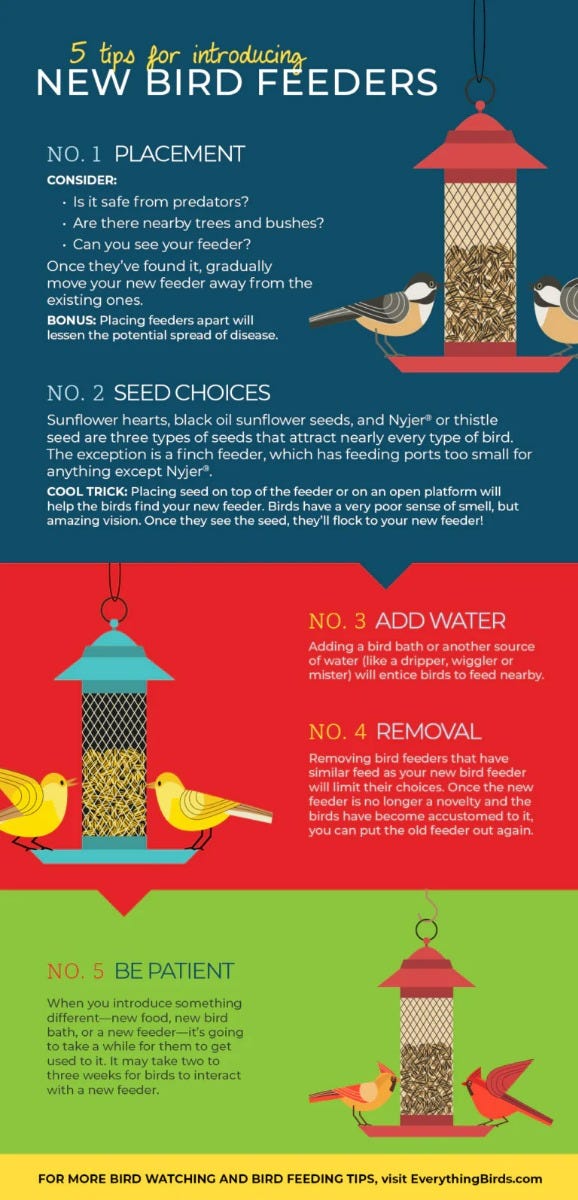
Credit: www.perkypet.com
Role Of Memory In Bird Behavior
Birds are fascinating creatures, and their ability to find your bird feeder may seem like magic. But, it's not magic—it's memory. Memory plays a crucial role in bird behavior, helping them navigate their environment and remember where food is available. Let's dive into how long-term memory and learning from experience influence this behavior.
Long-term Memory
Birds, like humans, rely on long-term memory. This allows them to remember where they've found food before. Imagine a bird spotting your feeder for the first time. It takes note of the location, perhaps associating it with nearby landmarks or the sound of other birds feeding.
Have you ever noticed how a bird returns to your feeder day after day? This demonstrates their impressive long-term memory. They recall the location and the reliable food source you've provided. This memory aids in survival, especially during tough seasons when food is scarce.
Learning From Experience
Birds learn from their experiences much like we do. If they find food at your feeder, they'll return, learning that it’s a dependable source. They might even learn the best times to visit when the feeder is replenished or when there’s less competition.
Think back to when you added a new type of seed to your feeder. Did you notice a change in the visitors? Birds learn which feeders offer the tastiest treats, adapting their behavior based on previous experiences. This continuous learning process helps them make smarter choices.
Now, consider this: How can you make your feeder more appealing to enhance their learning? Maybe it’s a change in seed type, a different feeder style, or even a new location. Experimenting might lead to a more bustling feeder as birds learn and remember your offerings.
Understanding the role of memory in bird behavior can enhance your bird-watching experience. By considering how birds use memory and learning from experience, you can create a welcoming environment that keeps them coming back.
Impact Of Environment On Bird Feeding Habits
Birds notice feeders by observing the environment and recognizing food sources. Bright colors and movement attract their attention. Over time, they remember locations with reliable food.
The natural world is a constantly changing backdrop that significantly impacts bird feeding habits. Birds are highly responsive to their environment, adapting their feeding strategies based on factors like urbanization and seasonal changes. Understanding these environmental influences can offer you a clearer view of why birds flock to your feeder and how you can make your backyard a more inviting spot for them.
Adaptation To Urban Areas
Birds are remarkably adaptable creatures, often reshaping their behaviors to thrive in urban settings. As cities expand, traditional food sources can become scarce, prompting birds to seek alternatives. Your bird feeder becomes a beacon of sustenance amid the urban landscape. In my own backyard, I've noticed that sparrows and pigeons are frequent visitors, taking advantage of the reliable food source. This isn't just about survival; it's about convenience and opportunity. Have you ever wondered why certain species appear more in your area? It might be their way of adapting to the urban hustle.
Seasonal Changes
Bird feeding habits also shift dramatically with the seasons. During spring and summer, natural food is abundant, and birds might visit your feeder less frequently. However, as autumn and winter roll in, food in the wild becomes scarce. That's when your bird feeder turns into a vital resource. Providing a mix of seeds and suet during the colder months can help support local bird populations. Have you ever tried changing the food in your feeder to match the seasons? It's a simple adjustment that can make a big difference. Engaging with these environmental factors not only enhances your bird-watching experience but also contributes to the well-being of your feathered visitors. Consider how your backyard can become a sanctuary for birds adapting to urban life and seasonal shifts. What small changes can you make to better support them?
Human Influence On Bird Navigation
Birds are remarkable navigators, adapting to both natural and human-made changes in their environment. Our role in their navigation is more significant than you might think. When you set up a bird feeder, you are essentially sending out an invitation to the local avian community. But how do birds find these feeders so efficiently? Let's explore how your actions can influence bird navigation.
Feeder Placement Strategies
Where you place your bird feeder can make all the difference. Birds rely heavily on visual cues, so positioning your feeder in a spot where it's easily visible from the sky or nearby trees can help attract attention. Have you noticed how birds flock to gardens with feeders placed near natural shelter like shrubs or trees?
Consider the height and surroundings of your feeder. A feeder placed too low may be ignored due to potential threats, while one placed too high might be overlooked. Finding the sweet spot in your garden can significantly impact how quickly birds find your feeder.
Effect Of Consistent Feeding
Consistency in feeding can turn your garden into a reliable food source. Birds remember locations where they find food, so maintaining regular feeding schedules makes your feeder a dependable stop. Have you ever noticed an increase in bird visits after a few weeks of consistent feeding?
It's not just about filling the feeder; timing matters too. Birds have patterns, and your regularity can align with theirs, increasing visits. If you start feeding at specific times daily, birds might start anticipating your offerings, enhancing their navigation skills.
Now, think about how your actions influence bird behavior. Are there changes you could make to improve your feeder's visibility or accessibility? By thoughtfully placing your feeder and maintaining a consistent feeding routine, you're not just feeding birds; you're shaping their navigation patterns in your local environment.

Credit: www.gardengatemagazine.com
Frequently Asked Questions
How Do Birds Find Bird Feeders?
Birds use their keen eyesight and hearing to locate food sources. They spot feeders from afar by observing other birds feeding. Bright colors and movement attract their attention, encouraging them to investigate. Over time, birds remember locations of reliable food sources, returning frequently.
Do Certain Colors Attract Birds To Feeders?
Yes, certain colors can attract birds to feeders. Bright colors like red, orange, and yellow are particularly appealing. These colors mimic the natural hues of flowers and fruits. Using feeders with these colors can increase visibility and attract more birds to your garden.
How Long Does It Take For Birds To Find A Feeder?
The time it takes varies. Some birds may find a feeder within hours, while others may take days. Factors include location, feeder visibility, and bird population in the area. Consistently providing food will eventually draw birds to your feeder over time.
Can Weather Affect Birds Finding Feeders?
Yes, weather can impact a bird's ability to find feeders. During harsh conditions, birds actively seek food sources for survival. Snow or rain may obscure visibility and deter birds from venturing out. However, during clear weather, they are more likely to explore and locate feeders.
Conclusion
Birds have a keen eye for food sources. They spot feeders from afar. Bright colors and movement catch their attention. Natural instincts drive them to explore new areas. They follow other birds who visit feeders. This helps them find food quickly.
Their survival depends on efficient feeding. Bird feeders become a reliable source. Offering food regularly keeps them returning. Simple actions make a big impact. Your feeder becomes a popular stop. Enjoy watching them flock to your yard. Nature’s beauty right outside your window.
A delightful experience for all ages. Keep your feeder filled, and the birds will come.