


Are you a bird lover looking to transform your backyard into a haven for feathered friends? Placing a bird feeder in just the right spot can attract a delightful array of birds while providing them with much-needed nourishment.
But where exactly should you hang your bird feeder to ensure the best results? The location can make a world of difference, not only in the types of birds you'll see but also in how frequently they visit. By understanding the simple yet powerful principles of bird behavior and habitat preferences, you can create a vibrant and bustling avian paradise right outside your window.
Curious about how to achieve this? Let’s explore the secrets of strategic bird feeder placement, ensuring your yard becomes the favorite dining spot for your local bird population.
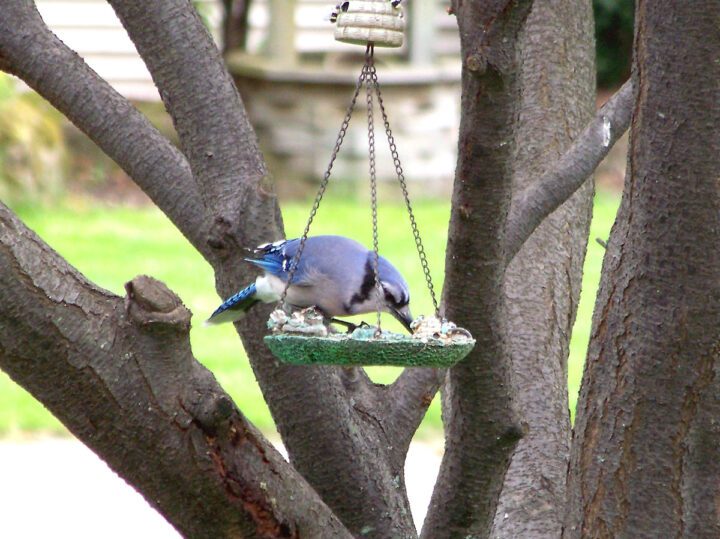
Credit: www.allaboutbirds.org
Choosing The Right Location
Placing a bird feeder requires thoughtful consideration of its surroundings. Ensure visibility for birds by choosing open spaces near trees or shrubs for safety. Avoid placing feeders too close to windows to prevent collisions.
Choosing the right location for your bird feeder can significantly impact the number and variety of feathered visitors you attract. It’s not just about finding a spot that looks nice in your yard. You need to think about how birds behave, keep them safe from predators, and make sure they can easily reach the feeder. Let’s dive into these considerations and help you create a bird-friendly environment.
Understanding Bird Behavior
Birds are creatures of habit. They are more likely to visit feeders that are placed in familiar, quiet spots. If you place a feeder in a high-traffic area, birds might shy away. I learned this the hard way when I initially placed my feeder near a busy patio. Moving it to a quieter part of the garden increased bird visits almost immediately. Consider trees and shrubs as natural cover. Birds often use these for perching and scanning the area for threats before approaching a feeder. A tree nearby gives birds a place to rest and feel secure, encouraging them to come back.
Safety From Predators
Keeping birds safe from predators is crucial. Placing feeders too close to dense bushes can give cats or other predators a perfect hiding spot. Ensure there’s enough distance so birds can spot any approaching danger. Elevate your feeder to reduce the risk from ground predators. A pole-mounted feeder or a hanging one can work wonders here. I hung mine on a shepherd's hook, which not only looks charming but also keeps the feeder out of reach of curious paws. Reflect on the feeder’s placement in relation to windows. Birds might mistake reflections for open sky and crash into them. Position feeders either very close to windows or at least 30 feet away to minimize this risk.
Accessibility For Birds
Birds need to reach the feeder with ease. Ensure there’s enough space for them to perch and feed comfortably. A crowded spot might discourage them from landing. The feeder should be easy to refill and clean. You’ll be more likely to maintain it if it’s in a convenient location. This keeps the food fresh and safe for your feathered friends. Think about the weather. A sheltered spot can protect feeders from wind and rain, helping to keep food dry and edible. During my first winter with a feeder, I realized the importance of this when heavy snowfall blocked birds from reaching the seeds. A little adjustment made all the difference. Where will you place your bird feeder to create a welcoming haven for birds? Taking the time to choose wisely will reward you with a bustling, lively backyard.

Credit: birdseedandbinoculars.com
Environmental Considerations
Placing a bird feeder in your yard involves more than just finding a convenient spot. It's essential to consider the environmental factors that can affect both the birds and the feeder itself. These considerations ensure that the birds are safe and the feeder functions optimally. Let's dive into some key aspects of environmental considerations.
Weather Conditions
Weather plays a pivotal role in determining the best spot for your bird feeder. Is your area prone to heavy rain or snow? A sheltered location can prevent the feeder from becoming clogged with water or snow. During a rainy season, I once had my feeder blocked with water, leaving the birds without their usual snack. Lesson learned: check local weather forecasts regularly and choose a spot that offers some protection.
Sunlight And Shade
Sunlight can influence bird activity around feeders. While birds enjoy basking in the sun, too much exposure can spoil the seeds and make the feeder uncomfortable for them. Conversely, too much shade might keep the feeder damp. An ideal balance is a spot that offers morning sunlight and afternoon shade. Have you noticed any changes in bird visits depending on the sunlight? Adjust accordingly!
Wind Protection
Wind can be a silent disruptor, scattering seeds and destabilizing feeders. Placing your feeder near a sturdy structure or vegetation can offer much-needed wind protection. I once positioned my feeder in an open area, only to find seeds scattered everywhere after a windy day. Finding a spot with natural windbreaks can make a world of difference. Is your feeder in a windy zone? Consider relocating for better results.
Environmental factors are critical in ensuring your bird feeder serves its purpose effectively. Have you thought about these factors before placing your feeder? Your backyard can become a sanctuary for birds with just a few mindful adjustments.
Proximity To Natural Habitat
Placing a bird feeder requires understanding the natural habitat. Birds feel safe when feeders are near familiar surroundings. Proximity to natural habitats makes them more likely to visit. This strategic placement also encourages diverse bird species to your garden.
Near Trees And Shrubs
Trees and shrubs offer birds a sense of security. They provide shelter from predators. Birds can quickly escape to branches if threatened. These natural covers also offer resting spots. Place feeders within 10 feet of such greenery. This distance balances safety and visibility.
Distance From Buildings
Avoid placing feeders too close to buildings. Birds might fly into windows. Maintain at least 30 feet distance from structures. This reduces the chance of accidents. Ensure feeders are in open spaces. This visibility helps birds spot potential threats.
Water Sources Nearby
Birds need water for drinking and bathing. Proximity to water sources boosts feeder activity. A bird bath or pond nearby is ideal. Birds will frequent areas where food and water are available. Ensure water sources are clean and accessible. This attracts a variety of bird species.
Impact On Bird Viewing Experience
Placing a bird feeder can significantly impact your bird viewing experience. The right location can enhance visibility, create a serene atmosphere, and minimize disturbances. Have you ever wondered how your choice of placement affects your enjoyment of watching these feathered friends? Let's dive into some practical insights on optimizing your bird feeder's location.
Visibility From Indoors
Seeing birds from the comfort of your home adds joy to your daily routine. Place your bird feeder where it’s easily visible from windows you frequently look through. Consider placing it near your kitchen or living room window. This allows you to enjoy birdwatching while sipping your morning coffee or relaxing in the evening.
Do you have a favorite chair by the window? Ensure the feeder is within sight from there. A colorful array of birds visiting can brighten up your day and make you appreciate nature's beauty right at your doorstep.
Creating A Peaceful Setting
Birds prefer tranquil environments. Locate your feeder in a spot with minimal noise and activity. A corner of your garden surrounded by trees or shrubs can provide a serene setting. These natural surroundings offer birds some shelter and a sense of security.
Have you noticed how birds flock to quieter areas? By choosing a peaceful location, you create a haven that encourages more frequent visits. This not only improves your viewing experience but also supports the birds' well-being.
Minimizing Human Disturbance
Birds are easily startled by sudden movements. Position your feeder away from busy paths and doorways. This reduces disturbances and allows birds to feed comfortably. If you often have guests, choose a location away from social gathering spots.
Reflect on your own experiences. Have you seen birds scatter when someone walks by? Minimizing human activity near the feeder keeps them coming back. It also gives you more opportunities to observe their fascinating behaviors and interactions.
Placing your bird feeder thoughtfully can transform your birdwatching experience. Consider these aspects carefully, and you'll find more joy in observing the wonders of nature right in your backyard.
Maintenance And Accessibility
Place bird feeders in quiet spots, away from busy areas. Ensure easy access for refilling and cleaning. Position them near trees for birds to hide from predators.
Ensuring proper maintenance and accessibility of your bird feeder is crucial for both you and the feathered visitors. A well-maintained feeder attracts more birds and keeps them safe from diseases. But how do you balance ease of access with maintaining a clean and healthy environment?
Ease Of Cleaning And Refilling
Position your bird feeder where it's easy to clean and refill. If it’s too high or surrounded by thorny bushes, you'll dread the upkeep. Consider placing the feeder at eye level, which makes the task simpler. Use feeders that are easy to disassemble and clean. A friend of mine had a feeder with too many nooks and crannies, and birds stopped visiting after it got grimy. Could your feeder be more user-friendly?
Access For Regular Monitoring
Keep an eye on your feeder to ensure it's still effective and safe. Placing it near a window or patio door allows for quick checks without a hassle. Regular monitoring helps you notice if the seed is getting moldy or if predators are lurking. I once spotted a squirrel attempting to raid my feeder from the comfort of my living room. Being able to intervene quickly saved the day!
Managing Waste And Debris
Feeding birds can get messy. Place your feeder over an easy-to-clean surface to manage waste and debris effectively. Consider using a tray beneath the feeder to catch spilled seeds. It makes cleanup a breeze and prevents unwanted plants from sprouting. Think about the last time you cleaned under your feeder. Is there room for improvement? By placing your bird feeder thoughtfully, you ensure that it remains a joyful sanctuary for birds and a hassle-free hobby for you. Are you ready to make your bird feeding experience more enjoyable?
Seasonal Adjustments
Bird feeding is a delightful hobby that connects you with nature and adds life to your backyard. However, the placement of your bird feeder is crucial for attracting diverse bird species throughout the year. Seasonal adjustments can make a significant difference in your bird-watching experience. Whether it's moving the feeder to a sunnier spot or adjusting it for bird migration patterns, these changes can enhance your chances of seeing a variety of birds.
Changing Locations With Seasons
As the seasons change, so do the needs of birds. During winter, positioning your bird feeder in a sheltered spot can protect birds from harsh weather. A place near a tree or a bush provides natural protection and keeps the birds warm.
In summer, consider moving the feeder to a cooler area. Birds need shade just like we do. A shaded spot under a tree can attract birds seeking relief from the scorching sun.
Have you noticed a difference in bird activity with the seasons? Adjusting your feeder’s position might help increase visits. Try experimenting with different spots and observe where birds flock more.
Adapting To Migration Patterns
Bird migration is a fascinating phenomenon, and your feeder can play a role in supporting migratory birds. In spring and fall, migrating birds are on the move. Placing your feeder in a more open area can make it easier for these birds to spot and access food.
Think about the natural flight paths in your area. Positioning your feeder along these routes can provide a welcome rest stop for tired travelers.
Have you ever spotted a rare bird during migration season? Adjusting your feeder location might just make your backyard the perfect pit stop for these incredible creatures.
Adjusting For Breeding Seasons
Breeding season brings its own set of challenges and opportunities for bird enthusiasts. Birds need safe and quiet spaces during this time. Placing your feeder away from busy areas can help create a peaceful environment.
Consider the nesting habits of local birds. If your feeder is close to potential nesting sites, you might see more activity as birds become more territorial and active.
How does the breeding season affect your bird-watching? Adjusting the feeder location might provide you with a front-row seat to the fascinating world of avian parenting.
Seasonal adjustments in bird feeder placement are about being observant and proactive. With a bit of trial and error, you can transform your backyard into a year-round paradise for birds and a rewarding spectacle for yourself.
Credit: www.perkypet.com
Frequently Asked Questions
Where Is The Best Place For A Bird Feeder?
The best place for a bird feeder is a quiet, sheltered spot. It should be away from predators and harsh weather. Ensure it's near trees or shrubs for bird safety. Proximity to a window offers great viewing but maintain a safe distance to prevent window collisions.
How High Should I Hang A Bird Feeder?
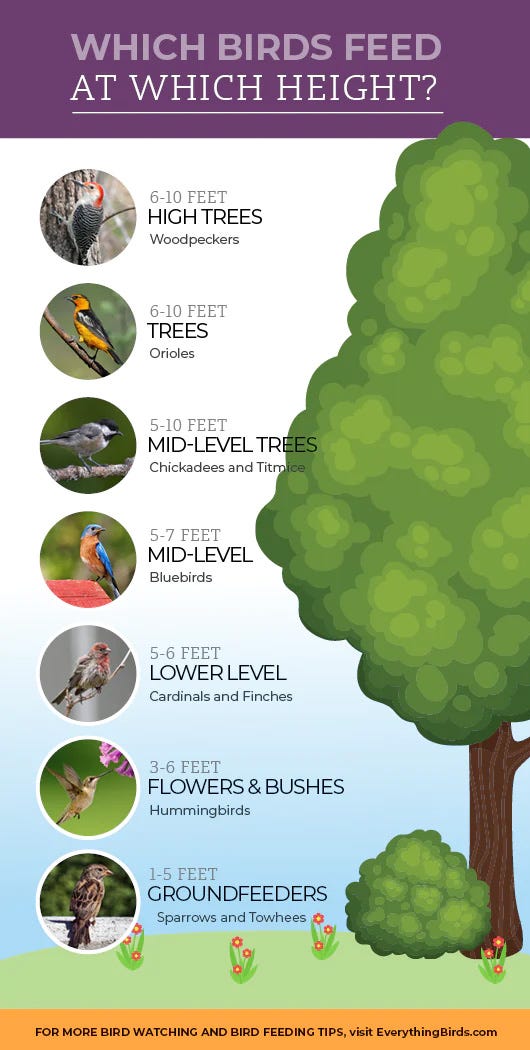
Hang your bird feeder at least 5 feet off the ground. This height deters predators like cats. Ensure it's within reach for cleaning and refilling. For best results, hang it at eye level for easy bird watching and maintenance.
Can I Put A Bird Feeder On A Balcony?
Yes, you can place a bird feeder on a balcony. Ensure it's secure to prevent falls. Choose a spot with some shelter from the wind. Consider using a tray to catch spilled seeds and keep the area clean to avoid attracting pests.
Should Bird Feeders Be In The Sun Or Shade?
Bird feeders should ideally be in a dappled shade. This placement prevents seeds from spoiling in direct sunlight. It also offers birds a comfortable feeding environment. Avoid extreme conditions like strong winds or intense sun to keep birds visiting.
Conclusion
Choosing the right place for your bird feeder boosts bird visits. Birds need safety and easy access to food. Find a spot away from predators and harsh weather. Trees and shrubs offer shelter and protection. Ensure the feeder is visible from inside your home.
This provides a view while keeping birds safe. Regular cleaning helps keep birds healthy. With a bit of planning, your garden can become a bird haven. Enjoy watching your feathered friends flock to your feeder. Their chirps and colors bring nature closer to home.