


How Do Birds Know There's Seed in the Feeder?
Ever wondered how birds seem to magically appear at your feeder the moment you fill it with seeds? It's as if they have a sixth sense, guiding them straight to the feast you've prepared.
In this intriguing exploration, you'll discover the fascinating secrets behind birds' incredible ability to find food, even when it seems hidden from view. You'll learn how their keen senses and natural instincts work together, allowing them to thrive in their environment.
Prepare to be amazed and gain new insights into the world of our feathered friends. So, if you've ever pondered this avian mystery, you're in the right place. Let's uncover the wonders of nature that will change how you see your backyard visitors forever.
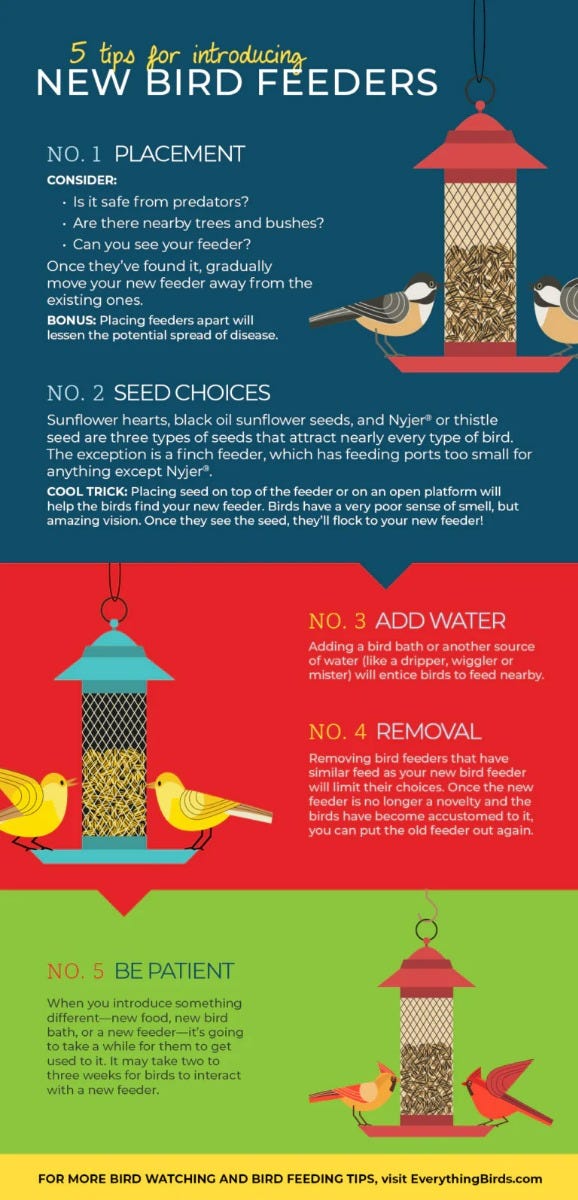
Credit: www.perkypet.com
Birds' Unique Sensory Abilities
Birds possess extraordinary sensory abilities that help them find food. These abilities enable them to detect seeds in feeders. Their senses are finely tuned to their environment. Let's explore these unique sensory traits.
Sight And Vision Capabilities
Birds have exceptional vision. They can see a wide range of colors. This helps them spot seeds easily from afar. Their eyes are adapted for detecting small movements. This ability assists them in noticing feeders even from a distance.
Hearing Sensitivity
Birds have acute hearing. They can detect subtle sounds that humans cannot. This sensitivity aids them in locating food sources. The rustling of leaves or seeds can attract their attention. This auditory ability is vital in their search for food.
Olfactory Traits
Some bird species have a keen sense of smell. This trait helps them find food in their habitat. While not all birds rely on smell, it aids certain species. For these birds, scent plays a role in discovering food sources.
Communication Among Birds
Birds are fascinating creatures with complex communication skills. They have various ways to share information. This plays a crucial role in their survival. Communication helps birds find food. It also helps them warn of danger and build social bonds.
Social Behaviors
Birds often gather in groups. This social behavior is vital for communication. Being in a flock allows birds to share information quickly. They alert others to the presence of food. Birds use visual signals like flying patterns. These patterns can guide others to food sources.
Call And Song Patterns
Birds use calls and songs for communication. Each species has unique sound patterns. These sounds convey different messages. Some calls warn of predators. Others signal the discovery of food. Birds listen carefully to these sounds. They learn where to find food like seeds in feeders.
Learning From Others
Young birds learn by observing adults. Adult birds teach them where to find food. They also show them how to recognize feeders. Birds mimic behaviors they observe. Over time, they gain knowledge about food sources. This learning process is essential for survival.
Instinctual Feeding Behaviors
Birds possess amazing instincts that guide their feeding behaviors. These behaviors help them locate food efficiently. Birds rely on their keen senses and learned habits. This allows them to find food sources like feeders quickly.
Natural Foraging Methods
Birds use natural foraging methods to find food. They watch other birds, listen for sounds, and scan their surroundings. Their sharp eyesight helps them spot seeds from afar. When one bird finds a feeder, others often follow.
Adaptation To Human Presence
Birds adapt well to human environments. They learn human patterns and routines. Feeders often become part of their daily search for food. Birds observe humans refilling feeders, which reinforces their visits.
Seed Preference And Selection
Different birds prefer different seeds. Sunflower seeds attract many birds. Others may prefer millet or safflower seeds. Birds are selective and choose feeders offering their favorite seeds. This preference influences their feeding habits.

Credit: www.birdwatchingdaily.com
Role Of Environmental Cues
Birds seem to have a keen sense of finding food. One way they locate seeds in feeders is through environmental cues. These cues are essential in guiding birds to food sources in their surroundings.
Landscape Familiarity
Birds know their local landscapes well. They often remember where feeders are located. This familiarity helps them return to the same spots for food. Birds can learn the landscape by observing the area during flight. They use their memory to guide them back to feeders.
Weather And Seasonal Changes
Weather changes play a role in birds finding feeders. Birds sense changes in weather patterns. During colder months, they seek reliable food sources like feeders. Seasonal shifts in weather can also prompt birds to search for food. The availability of natural food sources varies with seasons, affecting their feeder visits.
Visual Indicators Of Food
Birds rely on sight to find food. They notice bright colors and shapes of feeders. Reflective surfaces can attract their attention. Movement around the feeder can also signal food availability. Birds are skilled at recognizing visual signs in their environment.
Technological Influence On Bird Feeding
Birds find seeds in feeders using sight and sound. Bright colors attract their attention. The sound of seeds rattling inside also draws them closer. Once one bird discovers the seeds, others follow by observing and mimicking.
Birdwatching has taken a tech-savvy turn, transforming how we feed and observe our feathered friends. From smart feeders that alert you when they're empty to GPS devices tracking migration patterns, technology is reshaping our understanding of bird behavior. But how exactly does this digital evolution impact bird feeding?
Impact Of Modern Feeders
Today's bird feeders are more than just containers for seed. They often come with built-in sensors and cameras, allowing you to monitor visiting birds in real-time. Some feeders even send notifications to your phone, informing you when it's time to refill. These features don't just make life easier for you; they also help researchers gather data on bird feeding habits. Imagine being part of a community that contributes to bird conservation efforts simply by refilling a feeder!
Gps And Tracking Devices
Have you ever wondered how far a bird travels after leaving your backyard? With miniaturized GPS and tracking devices, scientists can now follow birds across continents. These devices provide insights into migration routes and feeding stops. This information is invaluable for conservationists working to protect bird habitats. You can even track specific species online, adding a new layer of excitement to birdwatching. Wouldn't it be fascinating to know if your backyard feeder is a pit stop for a world traveler?
Data Collection And Research
Data from modern feeders and tracking devices contribute to extensive research efforts. Scientists analyze this data to understand bird behavior better and predict changes in migration patterns due to climate change. By participating in citizen science projects, you can help collect this crucial data. It's as simple as logging which birds visit your feeder and when. This small effort can have a significant impact, supporting research that safeguards bird populations for future generations. The intersection of technology and bird feeding offers exciting possibilities. With each advancement, we gain a deeper understanding of our avian companions. So, how will you use technology to enhance your birdwatching experience?
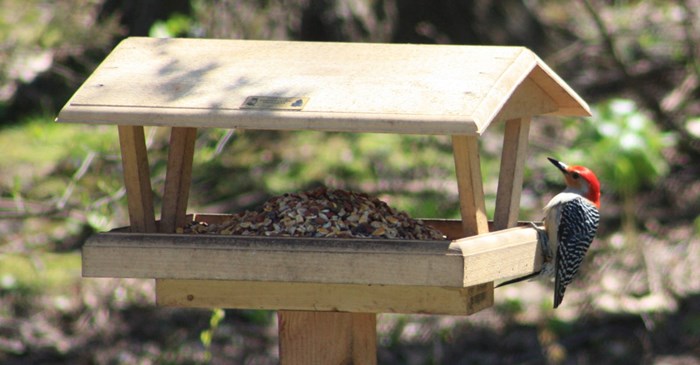
Credit: www.lyricbirdfood.com
Frequently Asked Questions
How Do Birds Find Feeders?
Birds use sight to locate feeders. They recognize the feeder's shape and color. Social learning also helps; they follow other birds. Birds have excellent memory, allowing them to recall feeder locations. Over time, they associate feeders with food availability, ensuring they return regularly.
Do Birds Smell Seeds In Feeders?
Birds primarily rely on sight and sound rather than smell. Their keen eyesight detects the shape and color of feeders. They listen for calls from other birds, signaling food. While some birds have limited olfactory abilities, sight and social cues are more crucial for finding seeds.
How Long Do Birds Take To Find A Feeder?
Birds may find feeders in hours or days. Their discovery depends on visibility and surrounding bird activity. Placing feeders in open areas increases visibility. Birds are curious and explore new additions quickly, especially if they see others feeding.
Why Do Birds Ignore New Feeders?
Birds may ignore new feeders due to unfamiliarity. It takes time for them to trust new locations. Ensuring the feeder is visible and accessible can help. Adding seeds familiar to local birds attracts them, encouraging quicker acceptance and use.
Conclusion
Birds are clever creatures with sharp senses. They spot feeders easily. Their keen eyesight helps them find food from afar. Sounds of seeds attract them too. They know when a feeder is full. Birds learn quickly from each other. They see other birds feeding and join in.
Curiosity leads them to explore new places. Smart instincts guide them to food sources. Observing bird behavior can be fascinating. Feeders play a vital role in helping them find food. Understanding birds enhances our connection with nature. Enjoy watching these remarkable creatures at your feeder!