


Are you guilty of tossing bread crumbs to birds at the park? While it seems like a simple act of kindness, have you ever wondered if feeding birds bread is actually good for them?
You might be surprised to learn that this common practice could be doing more harm than good. Before you reach for that loaf again, let's dive into what your feathered friends really need to stay healthy and happy. Unlock the truth about feeding birds bread, and discover how you can truly make a positive impact on their lives.
Keep reading, because what you learn might just change the way you interact with nature forever.
Common Bird Feeding Practices
Feeding birds is a delightful hobby enjoyed worldwide. People often share food scraps with birds, but not all are suitable. Understanding what to feed is crucial for bird health and happiness.
Common Foods Offered To Birds
Bird enthusiasts often offer seeds and nuts. These are natural and healthy choices. Sunflower seeds are popular among many bird species. They provide essential nutrients.
Using Fruit As Bird Food
Fruits are another favorite. Apples and berries attract various birds. They supply vitamins and hydration, especially in warm weather.
Feeding Birds Bread
Bread is commonly given to birds. It's easy to find and share. But, it lacks nutritional value and can cause health issues.
Importance Of Clean Water
Providing clean water is vital. Birds need it for drinking and bathing. Ensure it's fresh and free from contaminants.
Offering Wild Bird Mixes
Many stores sell bird seed mixes. They cater to specific birds. Choosing mixes ensures birds receive a balanced diet.
Avoiding Harmful Foods
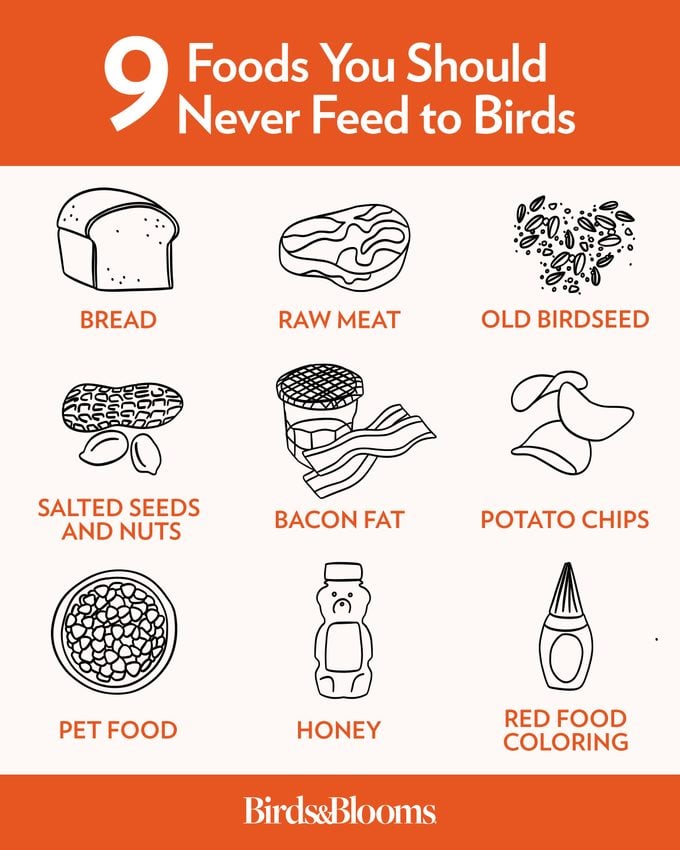
Not all human foods are safe for birds. Chocolate, caffeine, and salty snacks are harmful. Avoid offering them to protect bird health.
Credit: www.birdsandblooms.com
Bread As Bird Food
Birds can eat bread, but it lacks essential nutrients they need. Small amounts are fine, but not regularly. Moldy bread should always be avoided, as it can harm birds.
Feeding birds is a delightful hobby for many nature lovers. Watching these feathered visitors flock to your garden or balcony can be a rewarding experience. But as you toss out breadcrumbs, you might wonder: Is bread a suitable food for birds? Let's dive into the topic of bread as bird food and uncover the truth behind this common practice.
Is Bread Nutritious For Birds?
Bread might seem harmless, but it isn't the most nutritious option for birds. It lacks essential nutrients that birds need to maintain their health. When birds fill up on bread, they might miss out on more beneficial foods like seeds, insects, and fruits. Have you ever noticed a bird pecking at bread but ignoring the rest? It's because bread offers little energy and can lead to malnutrition over time.
Potential Health Risks Of Feeding Bread
Offering bread to birds can sometimes lead to health issues. Moldy bread, for instance, can be toxic and cause respiratory diseases. Additionally, bread can expand in a bird's stomach, causing discomfort or blockages. Think about the last time you saw a bird struggling with a large piece of bread. It might have been facing more than just a full belly.
Better Alternatives To Bread
Instead of bread, consider offering seeds, nuts, or fruit. These options provide the necessary nutrients for birds to thrive. Black oil sunflower seeds and suet are popular choices among bird enthusiasts. Imagine the vibrant energy and health of a bird after feasting on a nutritious meal. That's the reward of choosing the right food.
Engaging With Your Local Birds
Creating a bird-friendly environment goes beyond just feeding. Plant native plants that attract insects and provide natural food sources. Set up a birdbath to offer fresh water, enticing more birds to visit your space. Have you ever watched a bird splash joyfully in a birdbath? It's moments like these that make engaging with your local birds truly worthwhile. So next time you're tempted to toss out some bread, think about the long-term impact on your feathered friends. Make informed choices, and enjoy the lively presence of healthy birds in your environment.
Nutritional Value Of Bread
Bread is a staple in many households. It's often used to feed birds. But is it the best choice for them?
Understanding the nutritional value of bread helps make informed decisions. Birds have specific dietary needs. Let's explore what bread offers them.
Calories And Nutrients
Bread provides calories, but not much else. It contains carbohydrates, which offer energy. Yet, bread lacks essential nutrients.
Protein is crucial for birds. Bread has little protein. Vitamins and minerals in bread are minimal. Birds need more than just empty calories.
Comparison With Natural Diet
Birds in the wild eat seeds, fruits, and insects. These foods are rich in nutrients. They provide proteins, vitamins, and fats.
Bread cannot compete with their natural diet. Seeds and insects offer vital nutrients. Bread falls short in comparison.
Feeding birds bread regularly may harm their health. It can lead to malnutrition. A balanced diet is key for their well-being.
Potential Risks Of Feeding Bread
Feeding birds bread may lead to health issues. Bread lacks essential nutrients, causing malnutrition. Moldy bread can harm birds, causing illness or even death.
Feeding bread to birds might seem harmless, but it carries potential risks that can impact their health and behavior. As someone who enjoyed tossing bread to ducks at the park, I learned firsthand how this seemingly innocent act could be detrimental. You might wonder if your actions are genuinely helping or harming these feathered friends.
Health Concerns
Bread is not nutritious for birds. It lacks essential proteins and nutrients they need to thrive. Consuming too much bread can lead to malnutrition, affecting their growth and overall well-being. Imagine your favorite meal being replaced with junk food every day. Birds experience something similar when bread becomes a staple. Over time, it can cause health issues like obesity and digestive problems. In severe cases, bread consumption can lead to a condition known as "angel wing." This deformity can prevent birds from flying properly, putting their survival at risk.
Impact On Bird Behavior
Feeding birds bread can change their natural foraging habits. Birds that rely on easy bread handouts may stop seeking out their natural diet. You may notice birds becoming more aggressive or dependent on humans for food. This behavior shift can disrupt local ecosystems and increase competition among birds for limited food resources. Additionally, crowded feeding areas can lead to the spread of diseases. Birds often gather in large numbers, increasing the risk of infections and illnesses. Have you ever seen a flock of birds squabbling over bread? Such scenes highlight the unintended consequences of feeding bread. It's essential to consider these risks the next time you reach for that bread slice. Are there better ways to support local bird populations without compromising their health and natural behaviors?
Common Myths About Bread
Feeding birds bread is a common practice. Many people believe bread is a safe and nutritious option for birds. This belief leads to several myths about bread's role in a bird's diet. Understanding these myths can help make better choices for bird feeding.
Bread As A Staple
Many think bread is a staple in a bird's diet. Bread is easily accessible and inexpensive. People often assume birds can thrive on bread alone. This is not true. Bread lacks essential nutrients birds need. Birds need a variety of foods to stay healthy. Bread can fill their stomachs. But it does not provide the necessary vitamins and minerals.
Impact On Bird Growth
Another myth is that bread supports bird growth. Bread can actually hinder growth. Bread swells in a bird's stomach. It can make birds feel full without proper nutrition. This can lead to malnutrition. Young birds need protein and calcium for development. Bread does not offer these vital nutrients. Feeding birds too much bread can slow their growth. It may affect their ability to fly and survive.

Credit: www.instagram.com
Safe Alternatives To Bread
Feeding birds bread might seem harmless, but it lacks essential nutrients. Bread can swell in their stomach, causing health problems. Providing safe alternatives ensures birds receive the right nutrition. Let’s explore some nutrient-rich options and homemade bird feeds.
Nutrient-rich Options
Seeds are excellent for bird health. Sunflower seeds contain healthy fats and protein. Millet is easy to digest and rich in nutrients. Fruits like apples and berries offer vitamins and minerals. Vegetables such as peas and corn are good choices. They are packed with vitamins and fiber.
Homemade Bird Feeds
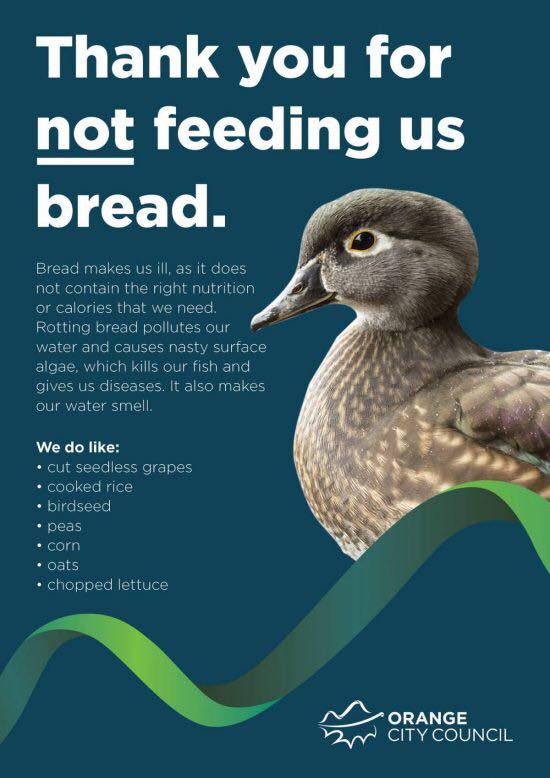
Create homemade bird feeds with simple ingredients. Mix oats, seeds, and nuts for a nutritious blend. Add dried fruits for extra flavor. Peanut butter can be used to bind ingredients together. Avoid using salt or sugar. Birds need natural feeds. Try offering cooked rice or pasta in small amounts. This provides carbs for energy.
Promoting Responsible Bird Feeding
Feeding birds can be a delightful way to connect with nature. It's essential to feed them responsibly. Bread may seem harmless, but it lacks essential nutrients. It can lead to health issues in birds.
Promoting responsible bird feeding practices ensures the well-being of local bird populations. It helps preserve their natural habitats and supports biodiversity.
Educating The Public
Public education plays a crucial role in responsible bird feeding. Sharing information about bird nutrition is vital. People need to understand what birds can eat safely.
Use flyers, workshops, and social media to educate. Highlight the importance of suitable bird food options. Encourage avoiding bread and choosing grains, seeds, and fruits.
Schools can integrate bird feeding lessons into their curriculum. These lessons foster a love for nature in young minds. A well-informed public makes better choices.
Involving Local Communities
Local communities can drive responsible feeding initiatives. Community groups can organize bird feeding events. These events spread awareness and educate attendees.
Encourage local businesses to support bird-friendly feeding campaigns. They can sponsor educational materials or workshops. Collaboration leads to successful community engagement.
Local parks can host seminars about bird nutrition. Park visitors learn the impact of feeding practices on wildlife. They can enjoy nature without harming bird populations.
Credit: www.nestandglow.com
Frequently Asked Questions
Is Bread Safe For Birds To Eat?
Bread is not ideal for birds. It lacks essential nutrients they need. Occasionally offering small amounts won't harm them. However, it's better to provide seeds, fruits, or specialized bird feed. These options ensure birds get the nutrition they require for health and vitality.
Why Is Bread Bad For Birds?
Bread fills birds up without offering nutrients. It can lead to malnutrition. Birds require a balanced diet for survival. Consistent bread feeding can cause health issues. Opt for bird-friendly foods like seeds or fruits instead.
What Can I Feed Birds Instead Of Bread?
Consider seeds, nuts, fruits, and insects. These foods provide the necessary nutrients birds need. Bird feed mixes are also available. These mixes ensure a balanced diet for various bird species. Providing varied food options supports bird health and well-being.
How Often Can Birds Eat Bread?
If you must, offer bread sparingly. Ensure it's a small part of their diet. Regularly feeding bread isn't recommended. Birds thrive on diverse and nutrient-rich foods. Always prioritize more nutritious options to support their health.
Conclusion
Feeding birds bread can harm their health. Bread lacks essential nutrients. Birds need a balanced diet to thrive. Seeds, fruits, and insects are better options. Bread fills them up without nutrition. This can lead to malnutrition. Observe bird habits and choose suitable food.
Healthy birds bring joy to any backyard. Offer varied food to support their well-being. Keep feeders clean to prevent disease. Enjoy watching them flourish with proper care. Each small choice impacts bird health. Make informed decisions for vibrant bird life.
Your actions help create a safe environment for them.