


Can I Feed Cheese to Birds?
Have you ever watched birds flutter around your backyard, scavenging for tasty morsels? It's a delightful sight that can make you wonder what treats you might offer them.
Perhaps you've pondered the idea of sharing a slice of cheese with your feathered visitors. After all, cheese is a staple in many of our kitchens. But is it really safe for birds? Could this creamy delight be a nutritious snack, or might it cause harm?
Before you toss that cheddar, consider the impact it might have. Your curiosity is not only natural but vital for the well-being of the birds you love to watch. We'll dive into the dos and don'ts of feeding cheese to birds. By the end, you'll feel confident and informed, ready to make the best choice for your avian friends. Stick around to uncover the surprising truth about birds and cheese!
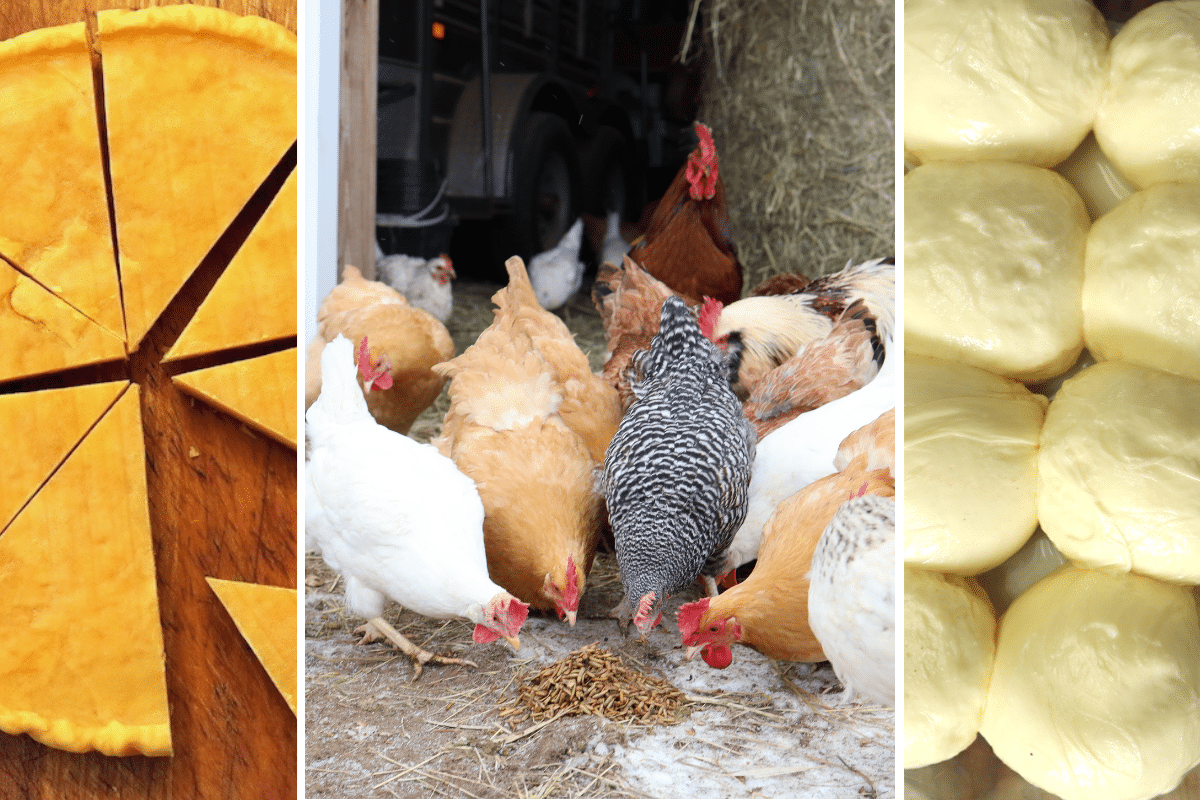
Credit: fromscratchfarmstead.com
Nutritional Value Of Cheese
Birds can enjoy cheese in small amounts, as it provides calcium and protein. Choose low-sodium varieties. Always ensure the cheese is fresh and free from mold. Feeding birds too much cheese might upset their stomachs, so moderation is key.
Nutritional Value of Cheese Cheese is a popular snack for many of us, but have you ever wondered about its nutritional value for birds? While cheese can be a tasty treat, it's essential to understand what nutrients it offers. Let's explore the components of cheese to see if it's beneficial for our feathered friends.
Protein Content
Cheese is a good source of protein, which is important for growth and tissue repair. Birds need protein for strong muscles and healthy feathers. However, not all cheese types offer the same protein levels. Hard cheeses like cheddar and parmesan typically have more protein. You might think you're giving them a protein boost, but is it enough to make a difference in their diet?
Calcium And Other Minerals
Cheese contains calcium, crucial for healthy bones and eggshell formation. Birds, especially laying hens, need adequate calcium. Beyond calcium, cheese also contains phosphorus and zinc, which aid metabolic functions. But remember, too much calcium can lead to kidney problems. Are you balancing their diet correctly?
Fat Levels
Cheese is often high in fat, which can be both a benefit and a drawback. Birds require a certain amount of fat for energy, particularly in colder weather. However, excessive fat can lead to obesity and health issues. Opt for low-fat cheese options if you decide to share with your avian companions. Are you mindful of the fat content in the treats you offer? Feeding cheese to birds might seem like a simple treat, but understanding its nutritional value helps you make informed choices. Just like you, birds need a balanced diet to thrive. Always consider the type of cheese and its nutritional profile before deciding if it fits into their diet.

Credit: www.pinterest.com
Birds' Digestive Systems
Birds are fascinating creatures with unique digestive systems. While you might enjoy sharing your meals with the birds in your backyard, it's crucial to understand how their digestive systems work before offering them human foods like cheese. Birds process food differently than mammals, and what seems like a harmless treat could impact their health. Let's explore some intriguing aspects of birds' digestive systems.
Unique Digestive Traits
Birds have evolved to digest food quickly to support their high-energy lifestyles. Their digestive systems are designed to break down seeds, fruits, and insects efficiently. A bird's stomach, known as a gizzard, contains small stones that help grind food. This method ensures they get the nutrients they need swiftly.
However, the simplicity of their digestive system means they lack the enzymes required to break down complex foods like cheese. When considering feeding cheese to birds, remember that their systems are tailored for specific types of food.
Lactose Intolerance In Birds
Birds are naturally lactose intolerant. Unlike mammals, they don't produce lactase, the enzyme needed to digest lactose found in dairy products. Feeding cheese to birds could lead to digestive discomfort or more severe health issues.
Think about the birds' welfare before sharing cheese with them. You wouldn't want to cause distress or harm. Instead, opt for bird-friendly foods that match their digestive capabilities.
Have you ever noticed birds avoiding certain foods in your garden? Perhaps they're instinctively steering clear of what's not suitable for them. Consider their unique digestive traits and lactose intolerance when feeding them, and choose options that align with their natural diet.
Potential Benefits Of Cheese For Birds
Bird enthusiasts often wonder about feeding cheese to their feathered friends. Cheese can offer several benefits for birds, making it a potential addition to their diet. While not all birds may enjoy cheese, some can benefit from its nutritional properties. Let's explore how cheese can serve as an energy boost and provide supplemental nutrition for birds.
Energy Boost
Cheese is rich in fats and calories. These provide birds with a quick energy boost. Small birds, especially, need extra energy during cold weather. This energy helps them stay warm and active. Cheese offers a concentrated source of energy. It allows birds to maintain their body heat and activity levels.
Supplemental Nutrition
Cheese contains essential nutrients like calcium and protein. These nutrients support strong bones and healthy muscles in birds. Calcium is crucial for egg-laying birds. It ensures the development of strong eggshells. Protein aids in muscle repair and growth. Offering cheese can help meet these nutritional needs.

Credit: www.reddit.com
Risks Of Feeding Cheese To Birds
Feeding cheese to birds poses health risks. Cheese is high in fat and salt, which can harm birds' digestion. Birds may struggle to process dairy, leading to digestive issues or even illness.
Feeding cheese to birds might seem like a fun idea, but it's important to understand the potential risks involved. Birds have delicate digestive systems and specific dietary needs that can be disrupted by foods meant for humans, like cheese. Understanding these risks can help you make informed choices about what you offer to your feathered friends.
Digestive Issues
Birds are not designed to digest dairy products. Cheese can be tough on their stomachs. Have you ever had an upset stomach from eating something too rich? Birds can experience similar discomfort. Their digestive systems might struggle with the fats and proteins in cheese. This can lead to bloating or diarrhea. It's like giving a young child too much candy—there's a limit to what they can handle without repercussions.
Risk Of Obesity
Cheese is high in fat, and while birds need some fat in their diet, too much can lead to obesity. Obesity in birds can cause serious health issues, much like it does in humans. Imagine a bird trying to fly with extra weight—it's not only difficult but also unsafe. Offering cheese regularly could inadvertently contribute to weight gain. Keep your bird's diet balanced with seeds, fruits, and vegetables. It's like ensuring your own meals have variety and moderation.
Sodium Concerns
Cheese contains high levels of sodium, which can be harmful to birds. Excessive sodium can lead to dehydration and kidney problems. Think about how you feel after eating overly salty snacks—birds can experience similar effects. Their bodies are much smaller, making them more sensitive to these changes. Would you want your pet to suffer from preventable health issues? Limiting cheese ensures you protect them from unnecessary risks. So, next time you think of sharing cheese with your avian friends, consider these factors. Are there safer alternatives you can offer that won't compromise their health? Your mindful choices can make all the difference in their well-being.
Types Of Cheese Safe For Birds
Feeding cheese to birds can be tricky. Some cheeses are safe, while others aren't. Selecting the right type ensures their health. Understanding cheese types helps bird enthusiasts make informed choices.
Low-sodium Varieties
Birds need low-sodium cheese. High salt harms their health. Choose options labeled as low-sodium. These are safer for our feathered friends.
Hard Vs. Soft Cheeses
Hard cheeses are generally better for birds. They have less moisture. This means fewer bacteria. Soft cheeses spoil faster. They may cause digestive issues.
Alternative Bird-friendly Foods
Birds can eat cheese, but only in small amounts. It provides protein and fat, but avoid salty or moldy varieties. Safer alternatives include seeds, fruits, and nuts, which offer essential nutrients for their diet.
Feeding birds can be a delightful activity, but it’s crucial to choose foods that are safe and nutritious for them. Cheese, while enjoyed by humans, might not be the best choice for birds due to its high fat and salt content. Instead, consider offering alternative bird-friendly foods that can provide them with essential nutrients and energy. Let's dive into some of these healthier options that can keep our feathered friends happy and healthy.
Fruits And Vegetables
Fruits and vegetables are excellent choices for birds. They are rich in vitamins and minerals that support their health. Offer slices of apples, pears, or berries to attract a variety of birds. Leafy greens like spinach and lettuce can be a refreshing treat. Just make sure they’re fresh and pesticide-free. Try hanging grape bunches or orange slices in your yard. You might be surprised by how many birds come to enjoy these treats.
Seeds And Nuts
Seeds and nuts are favorite staples for many birds. They provide the necessary fats and proteins that birds need for energy. Sunflower seeds are a popular choice and can attract colorful species like cardinals and finches. You can find them easily at pet stores. Consider offering almonds or walnuts. Make sure they’re unsalted and not roasted to keep them healthy for birds. Have you ever watched the joy of a woodpecker pecking away at a peanut feeder? It’s quite a sight and a testament to their love for nuts. --- What do you think about switching to these bird-friendly options? Not only will you be supporting the local bird population, but you might also discover new visitors to your backyard.
Guidelines For Feeding Cheese
Feeding cheese to birds can be a delightful treat. It's important to know the best practices. Cheese offers protein and fat, but some guidelines ensure safe feeding. Follow these tips to keep birds healthy while enjoying this snack.
Moderation Is Key
Birds need a balanced diet. Cheese should be a small part of it. Too much cheese can harm birds. It may cause digestive issues. Offer cheese in small amounts. This keeps their diet varied and nutritious.
Choose low-salt cheese for birds. Excessive salt can be dangerous for them. Avoid blue cheese, which can be toxic. Cheese should be fresh and not spoiled. Old cheese might make birds sick.
Observing Bird Reactions
Watch how birds react after eating cheese. This helps you learn their preferences. Some birds may love cheese. Others might ignore it. If birds show distress, stop feeding cheese.
Look for signs of discomfort. Vomiting or unusual behavior is concerning. If this happens, consult a bird expert. Always ensure birds are happy and healthy. Observing helps provide safe feeding experiences.
Frequently Asked Questions
Is Cheese Safe For Birds To Eat?
Cheese can be fed to birds in moderation. It's a good source of protein and fat. However, avoid giving them processed cheese, as it contains additives. Always offer small, unsalted pieces. Monitor the birds for any signs of discomfort or allergies.
What Types Of Cheese Can Birds Eat?
Birds can enjoy mild cheeses like mozzarella or cheddar. These cheeses are lower in salt and additives. Ensure the cheese is fresh and cut into small, manageable pieces. Avoid blue cheese or flavored varieties, as they can harm birds.
How Often Should I Feed Cheese To Birds?
Cheese should be an occasional treat for birds. Offer it once or twice a week. Overfeeding cheese can lead to health issues. Balance their diet with seeds, fruits, and vegetables. Always observe the birds' reactions to new foods.
Can Baby Birds Eat Cheese?
It's best to avoid feeding cheese to baby birds. Their digestive systems are sensitive and may not handle cheese well. Instead, provide a diet recommended by avian experts. Always consult a vet if you're unsure about feeding new foods to young birds.
Conclusion
Cheese can tempt birds, but moderation is key. Small portions are fine, yet too much might harm. High-fat cheeses could upset their digestive systems. Always opt for low-fat options. Make sure cheese is fresh and free from mold. Watch your bird's behavior after feeding cheese.
If they seem unwell, stop immediately. Consider other healthy snacks like seeds and fruits. Birds thrive on variety and balance in their diet. Keep their health as the priority. Cheese is a treat, not a staple. Always prioritize their natural dietary needs.
Feed wisely and enjoy their happy chirps.