


Can I Feed Almonds to Birds?
You're gazing out your window, watching the lively flurry of birds darting and swooping in your backyard. It's a delightful scene of nature's wonders, and you're eager to contribute to their feast.
But then a thought crosses your mind: can you feed almonds to these feathered friends? As a bird lover, your concern for their well-being is genuine. You want to provide them with treats that are both delicious and safe. In this blog post, we'll explore whether almonds are a suitable snack for birds and what you need to keep in mind.
You're about to discover some surprising facts that could change how you nourish the wildlife that visits your garden. Stick around and learn how you can make your backyard a haven for happy, healthy birds.
Almonds And Bird Nutrition
Birds can safely eat almonds in moderation. These nuts provide essential nutrients like protein and healthy fats, benefiting bird health. Always ensure almonds are unsalted and unseasoned to avoid any harm.
Almonds are a staple in many human diets, known for their rich flavor and health benefits. But have you ever wondered if these crunchy treats can be a part of your backyard bird's diet? Understanding the nutritional aspects of almonds for birds can help you make informed decisions about what to include in your feathered friends' feeding routine.
Nutritional Benefits Of Almonds
Almonds are packed with nutrients that can benefit birds. They are a great source of healthy fats, which provide energy and support cell structure. In addition, almonds are rich in protein, vital for muscle development and repair, making them a strong contender for bird nutrition. Beyond fats and protein, almonds offer essential vitamins and minerals. Vitamin E, found in almonds, supports immune function and acts as an antioxidant. Birds can also benefit from the magnesium and calcium in almonds, which are important for bone health and egg production.
Potential Risks Of Almonds
Despite their benefits, almonds can pose risks if not fed properly. Raw almonds contain cyanogenic compounds, which can be toxic in large quantities. It’s crucial to offer almonds in moderation to avoid any health issues. Choking is another concern. Whole almonds can be a choking hazard, especially for smaller birds. Always consider breaking them into smaller pieces or offering almond slivers to ensure your bird's safety. Feeding almonds can also lead to weight gain. The high-fat content, while beneficial in small amounts, can cause obesity if overfed. Monitor your bird's overall diet and adjust almond portions accordingly to maintain a healthy balance. Have you ever tried feeding almonds to your backyard birds? What was their reaction? Sharing your experiences can help fellow bird enthusiasts make informed choices.
Bird Species And Almond Consumption
Feeding almonds to birds can be a delightful experience. Birds are known for their diverse diets, but can they enjoy almonds? Certain bird species relish almonds, while others might be indifferent. Understanding which birds can safely consume almonds helps ensure their health and joy.
Common Almond-eating Birds
Many birds love almonds. Parrots are famous for their nut-cracking skills. They enjoy almonds as a treat. Jays and crows are also fond of these nuts. Their strong beaks easily break almond shells. Woodpeckers peck away at almonds without hesitation. Sparrows nibble on almonds when given a chance. These birds find almonds nutritious and tasty.
Species-specific Considerations
Different species have varied needs. Almonds should be unsalted for birds. Salt is harmful to their health. Smaller birds need chopped almonds. Whole almonds may pose choking risks. Birds with nut allergies should avoid almonds. Observe their reactions to new foods. Ensure almonds are fresh and free of mold. Moldy almonds can cause illness.
Preparing Almonds For Birds
Birds can safely enjoy almonds as a nutritious treat. Always serve them unsalted and chopped to prevent choking. Almonds provide essential fats and proteins, promoting healthy feathers and energy.
Preparing almonds for birds may seem simple, but there's more to it than just tossing a few nuts into your backyard. Birds can enjoy almonds as a nutritious treat, but how you prepare them can make a significant difference in their safety and enjoyment. Let's dive into the best ways to prepare almonds for your feathered friends, making sure they're both tasty and safe.
Raw Vs. Cooked Almonds
Raw almonds are generally safer for birds than cooked ones. Cooking can strip almonds of their natural nutrients, which are essential for birds' health. Have you noticed that raw almonds have a slightly bitter taste? This bitterness is due to naturally occurring compounds that are safe for birds but can be reduced or removed through cooking. However, feeding birds cooked almonds may also introduce added oils or salts, which are harmful to their diet. Always opt for raw almonds to keep their snack as natural as possible.
Chopped Or Whole Almonds
Chopping almonds can make them easier for birds to consume. Smaller pieces reduce the risk of choking, especially for smaller bird species. Have you ever tried to eat a giant sandwich in one bite? Birds face a similar challenge with whole almonds. By chopping them, you also make it easier for birds to carry and hide these treats for later. If you decide to offer whole almonds, make sure they're suitable for larger bird species like crows or jays, who have the beak strength to handle them. Consider these tips as a way to tailor your almond offerings to the birds in your area. Have you ever watched a bird struggle with a large piece of food? It's a reminder that a little extra preparation on your part can lead to a much more enjoyable dining experience for them. So the next time you're preparing almonds for birds, remember these simple steps to ensure their safety and satisfaction.
Frequency And Quantity
Feeding almonds to birds is safe, but moderation is key. Offer small quantities, like a few nuts weekly, to prevent digestive issues. Ensure the almonds are unsalted and unseasoned to maintain bird health.
Feeding almonds to birds can be a delightful experience for both parties. But how often and how much should you offer these nuts? Understanding the frequency and quantity is key to ensuring birds benefit without harm. Almonds, although nutritious, should be given thoughtfully.
Moderation Guidelines
Birds enjoy almonds, but moderation is essential. Offer almonds twice a week. Limit the quantity to a few pieces per feeding. This ensures birds enjoy variety in their diet. Almonds are rich in healthy fats. While beneficial, excessive amounts can lead to weight gain. Always aim for balanced feeding.
Impact Of Overfeeding
Overfeeding almonds can cause health issues for birds. Consuming too many almonds may lead to digestive problems. Birds need diverse nutrients to stay healthy. Almonds alone cannot meet all nutritional requirements. Observing bird behavior can help in adjusting portions. If birds seem sluggish, reduce almond servings. Monitor their activity and adjust accordingly.
Alternative Bird-friendly Foods
Feeding birds is a joyful activity for many nature lovers. While almonds can be given to birds, there are other food options that are more suitable and nutritious. These alternatives provide essential nutrients and are safer for birds.
Nutritious Seeds
Seeds are a natural choice for bird feeding. Sunflower seeds are popular among many bird species. They are rich in fat and protein. Millet is another excellent option. It attracts smaller birds like sparrows and finches. Flaxseeds offer omega-3 fatty acids. These are beneficial for bird health. Pumpkin seeds can also be included. They are packed with vitamins and minerals.
Fruits And Vegetables
Fresh fruits offer a sweet treat for birds. Apples are a favorite. They provide vitamins and hydration. Berries are rich in antioxidants. They are loved by many birds. Grapes are also a good choice. They are easy for birds to eat and digest.
Vegetables can be part of a bird's diet. Carrots are nutritious and easy to prepare. They contain vitamin A, which is vital for birds. Leafy greens like spinach are also beneficial. They provide iron and calcium. Peas are another option. They are small and easy for birds to eat.

Credit: www.birdfy.com
Observing Bird Health
Observing bird health is crucial when introducing new foods like almonds. You want your feathered friends to thrive and enjoy what you offer. By keeping a close eye on their reactions and behaviors, you can ensure they stay healthy and happy.
Signs Of Almond Intolerance
Feeding almonds to birds might seem harmless, but not all birds digest them well. Look for signs of almond intolerance. Are they experiencing digestive issues like loose stools or vomiting? You might notice changes in their plumage, such as dullness or feather loss. If your birds seem lethargic or are suddenly less active, it could be an indication of intolerance. Promptly identifying these signs helps prevent more serious health problems.
Monitoring Bird Behavior
Birds communicate through behavior, and observing them can be enlightening. Do they eagerly consume almonds, or do they avoid them? Watch if they seem excited during feeding times or if there's a noticeable shift in their energy levels. Are they social and chirpy, or unusually quiet and withdrawn? By monitoring these behaviors, you can gauge whether almonds are a suitable addition to their diet.
Have you ever noticed how your birds react to different foods? It's fascinating how their preferences can reveal so much about their health. By paying close attention, you can make informed decisions that benefit your birds' well-being.
So, how do you keep tabs on your birds' health? What steps do you take to ensure their diet is both nutritious and safe? Observing their reactions to almonds could be the key to understanding their dietary needs.
Expert Opinions
Experts suggest feeding almonds to birds is safe, but they should be unsalted and unseasoned. Birds enjoy almonds, but moderation is key to prevent digestive issues. Always check for allergies or specific dietary needs of different bird species before feeding.
Feeding birds can be a delightful pastime, and you might wonder if almonds are suitable for them. While almonds are nutritious for humans, understanding their impact on bird health requires expert insights. Let's delve into what wildlife biologists and veterinarians have to say about almonds and birds.
Wildlife Biologists’ Insights
Wildlife biologists emphasize the importance of understanding birds' natural diets. Almonds, though nutritious, aren't a typical part of a wild bird's menu. Birds often thrive on seeds, fruits, and insects. Almonds may not provide the essential nutrients birds obtain from their regular diet. Birds in the wild have evolved to consume foods available in their habitats. Would almonds disrupt this balance? Some biologists have noted that birds might struggle to digest certain nuts. If you’ve ever seen a bird peck at a nut, you know it’s not an easy task. Almonds could pose a similar challenge.
Veterinary Recommendations
Veterinarians advise caution when feeding almonds to birds. Although almonds are not toxic, they can be difficult for birds to process. Birds have unique digestive systems that differ significantly from ours. Providing almonds in moderation is key. If you decide to offer almonds, consider giving them in small, manageable pieces. Whole almonds can be too large and hard for birds to handle. If you have pet birds, consult your vet before introducing almonds to their diet. Your vet can offer tailored advice, ensuring your feathered friend receives the best care. Are you curious about other foods that might be suitable for birds? Understanding the nutritional needs of various bird species can make your feeding practices more beneficial. What other expert tips might help you care for local wildlife?

Credit: www.birdwatchingdaily.com
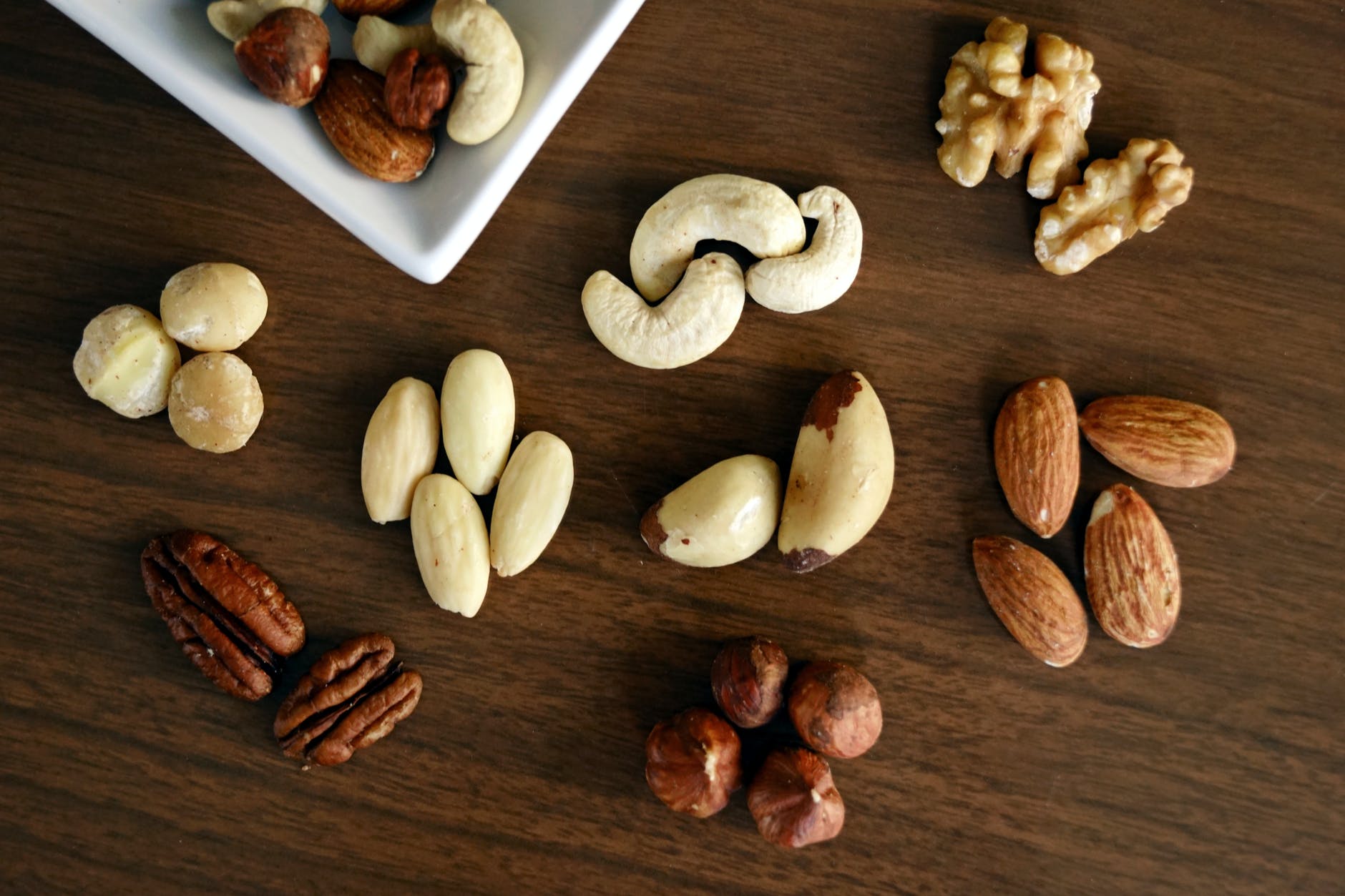
Credit: www.mac-nuts.com
Frequently Asked Questions
Are Almonds Safe For Birds To Eat?
Yes, almonds are generally safe for birds to eat. They provide essential nutrients like protein and healthy fats. However, it's important to offer them in moderation. Ensure almonds are unsalted and unseasoned to avoid any harmful additives. Always observe your bird for any adverse reactions.
How Many Almonds Can Birds Eat Daily?
Birds can eat a few almonds daily. Too many can lead to obesity and nutritional imbalances. Almonds should complement a varied diet with seeds and fruits. It's best to start with one almond and watch for any negative effects or digestive issues.
Can Almonds Replace Bird Seed?
No, almonds cannot replace bird seed entirely. While nutritious, they lack certain essential nutrients found in bird seed. Almonds should be part of a diverse diet. Mixing almonds with seeds and fruits ensures birds receive a balanced intake of vitamins and minerals.
Do Almonds Attract Specific Bird Species?
Yes, almonds can attract certain bird species. Birds like woodpeckers, jays, and chickadees often enjoy almonds. These birds appreciate the protein and fat content. Offering almonds can encourage them to visit your feeding area, enhancing your birdwatching experience.
Conclusion
Feeding almonds to birds can be safe with proper preparation. Birds enjoy the taste and nutrients almonds offer. Ensure almonds are unsalted and chopped into small pieces. This helps birds digest them easily. Moderation is key to avoid health issues.
Almonds should be a part of a varied diet. This keeps birds healthy and happy. Always observe birds after feeding new foods. Look for signs of discomfort. Remember, each bird species has different dietary needs. Research specific requirements for the birds you feed.
Your feathered friends will thank you for a balanced diet.