


Have you ever paused to listen to the melody of birds singing in the morning or watched them effortlessly glide through the sky? Birds bring beauty and wonder to our world, but their role goes far beyond just pleasing your senses.
Bird conservation is crucial, not just for protecting these magnificent creatures, but for maintaining the balance of our ecosystems and, ultimately, the health of our planet. Imagine a world without birds. It's hard to picture, isn't it? Birds pollinate plants, control pests, and spread seeds, playing a vital role in nature's delicate balance.
Without them, your gardens might not bloom as vibrantly, and the crops you rely on could suffer. If you care about the environment, your food sources, or simply want to ensure future generations can enjoy the same natural wonders, understanding the importance of bird conservation is essential. You're about to discover why bird conservation matters to you and what you can do to help. From practical steps you can take in your own backyard to understanding the broader environmental impacts, this exploration will open your eyes to the critical role birds play in your life. Keep reading to uncover the surprising connections between birds, nature, and your well-being.
Credit: www.wpr.org
Role In Ecosystems
Bird conservation holds a vital role in ecosystems, supporting biodiversity and maintaining balance. Birds control pests, pollinate plants, and disperse seeds, contributing to healthy habitats. Protecting bird populations ensures ecosystem resilience and the survival of countless species.
Birds are vital players in our ecosystems, quietly performing tasks that maintain the balance of nature. Their roles extend beyond merely being beautiful creatures to watch; birds contribute significantly to our environment's health. Understanding their importance can change how you perceive your local wildlife and encourage you to support bird conservation efforts.
Pollination And Seed Dispersal
Birds play a critical role in pollination. Imagine watching a hummingbird hovering over a flower, collecting nectar. While doing so, they transfer pollen from one bloom to another, helping plants reproduce. This process ensures the survival of many plants, including those you enjoy in your garden or find essential in agriculture. Seed dispersal is another area where birds excel. After eating fruits, they move to different locations, spreading seeds through their droppings. This action promotes plant growth in diverse areas, maintaining biodiversity. Next time you see a bird munching on berries, remember they're also planting the future forest.
Pest Control
Birds are natural pest controllers. Think of the songbirds that visit your backyard. They feast on insects, keeping their populations in check. This means fewer pests in your garden, reducing the need for harmful pesticides. Owls, hawks, and other birds of prey help control rodents. Their hunting keeps the number of mice and rats down, which can prevent crop damage and disease spread. Birds provide a natural solution to pest problems, making your environment healthier.
Nutrient Recycling
Birds contribute to nutrient recycling by breaking down organic matter. When birds feed on carcasses or leftover food, they help decompose these materials. This action returns essential nutrients to the soil, promoting plant growth. Consider the vultures soaring overhead. Though often misunderstood, they clean up dead animals, preventing disease and enriching the soil. Their role is crucial in maintaining the ecosystem's health and ensuring the cycle of life continues. Have you ever wondered how different your local environment would be without birds? Their unseen work in pollination, pest control, and nutrient recycling makes them indispensable. By understanding and appreciating their contributions, you can play a part in their conservation.
Indicators Of Environmental Health
Bird conservation plays a vital role in maintaining environmental health. Birds serve as crucial indicators of the state of our ecosystems. By observing bird populations, scientists gain insights into environmental changes. These changes often reflect the overall health of our planet.
Early Warning Signs
Birds often signal early environmental shifts. Changes in bird numbers can indicate pollution or climate change. A decline in species might signal a problem in their habitat. Birds react quickly to environmental shifts. This makes them excellent early warning systems. Their responses can highlight issues before they worsen.
Habitat Quality Assessment
Birds help assess habitat quality. Diverse bird species suggest a healthy environment. A drop in bird diversity can indicate habitat degradation. Healthy habitats support a range of bird species. Observing these species helps monitor the ecosystem's health. Bird presence or absence can inform conservation efforts.
Cultural And Economic Value
Bird conservation is vital for both cultural and economic reasons. Birds play a significant role in various cultures and economies worldwide. Their presence offers opportunities for ecotourism and holds deep cultural meanings.
Ecotourism Opportunities
Birdwatching is a popular activity attracting tourists globally. This interest in birds boosts local economies. Many regions organize birdwatching tours and festivals. These events create jobs and support local businesses. Hotels, restaurants, and travel services benefit from birdwatchers. Sustainable tourism practices ensure long-term economic benefits. Protecting bird habitats attracts more visitors.
Cultural Significance
Birds have deep roots in many cultures. They appear in art, folklore, and traditions. Different cultures see birds as symbols of freedom and peace. Birds inspire music, literature, and visual arts. Their presence enriches cultural heritage. Preserving bird species maintains cultural identity and history. Communities feel connected to their environment through birds.

Credit: world-bird-sanctuary.blogspot.com
Threats To Bird Populations
Bird populations face numerous threats in today's world. These threats are significant and impact their survival. Understanding these dangers is crucial to bird conservation efforts. Let's explore the major threats affecting bird populations.
Habitat Destruction
Habitat destruction poses a serious risk to birds. Urban expansion and deforestation remove essential nesting sites. Birds lose places to feed and breed. Wetlands are drained for agriculture, reducing biodiversity. This loss of habitat reduces their chances of survival.
Climate Change Impact
Climate change affects bird migration patterns. Rising temperatures alter food availability. Birds struggle to find suitable breeding grounds. Extreme weather events destroy nests and eggs. These changes threaten species already at risk.
Pollution And Pesticides
Pollution harms birds in multiple ways. Oil spills contaminate water, affecting aquatic birds. Toxic chemicals in water and soil poison birds. Pesticides decrease insect populations, reducing food sources. These substances weaken bird immune systems, making them vulnerable to diseases.
Conservation Strategies
Bird conservation is vital for maintaining ecological balance. It ensures the survival of bird species and their habitats. Effective conservation strategies can make a significant impact. Let's explore some key strategies in bird conservation.
Habitat Protection
Protecting habitats is essential for bird conservation. Birds need safe environments to live and breed. Conservationists work to preserve wetlands, forests, and grasslands. Protecting these habitats helps maintain biodiversity.
Restoration of degraded habitats also plays a crucial role. Conservation efforts focus on restoring these areas for birds. This creates safe spaces for endangered species. It improves their chances of survival.
Legislation And Policies
Strong laws protect bird species from threats. Legislation restricts hunting and trade of endangered birds. Policies enforce habitat protection and pollution control. They ensure that bird populations are safeguarded.
International agreements also support bird conservation. Agreements like the Migratory Bird Treaty protect birds across borders. Such policies ensure birds thrive in a safe environment.
Community Involvement
Communities play a vital role in bird conservation. Educating people about bird protection is crucial. Awareness programs encourage people to protect bird habitats. They also promote sustainable practices in local areas.
Volunteers contribute by participating in conservation projects. They help with bird monitoring and habitat restoration. These efforts strengthen community ties and enhance conservation success.
Success Stories
Bird conservation is vital for maintaining ecological balance and supporting biodiversity. Many species help control pests and pollinate plants. Protecting birds ensures the survival of these essential functions, benefiting nature and humanity alike.
Bird conservation is crucial, not just for the birds themselves, but for the health of our planet. Success stories in bird conservation offer hope and inspiration. They show us that when people come together, significant change can happen. These stories are more than just tales; they are lessons in perseverance and creativity. You might be surprised by how individual actions can lead to big wins for our feathered friends.
Species Recovery Examples
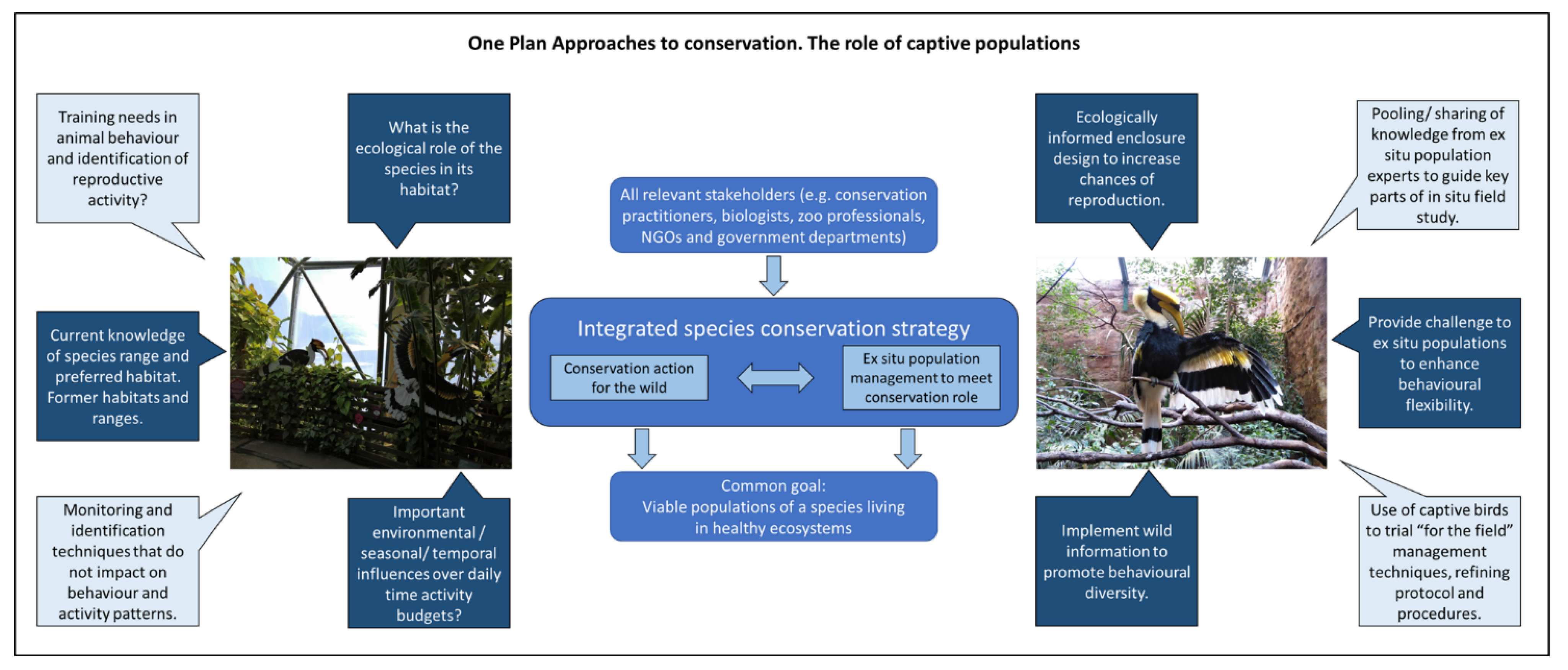
Some birds were once on the brink of extinction but have made incredible comebacks. Take the Bald Eagle in the United States. It faced severe threats from hunting and pesticides. But thanks to conservation efforts, their numbers have soared from a mere 417 nesting pairs in 1963 to thousands today. This turnaround is a testament to what can be achieved with dedicated action. Similarly, the California Condor's story is one of incredible resilience. In the 1980s, only 27 condors remained in the wild. Conservationists captured these birds for a breeding program. Now, there are over 500 condors flying free. It's proof that targeted, species-specific efforts can yield astonishing results.
Protected Area Achievements
Establishing protected areas is another effective strategy. The success of the Wetlands of International Importance in Ramsar sites showcases this. These wetlands provide crucial habitats for migratory birds. By safeguarding these areas, many bird species have found safe havens to thrive. Consider the success of the Great Barrier Reef Marine Park in Australia. While primarily known for its coral, it's also a haven for seabirds. Protecting this area ensures that birds like the White-bellied Sea Eagle have safe nesting sites. These achievements highlight how protecting habitats can benefit diverse bird populations. Have you ever thought about what a protected area near you might achieve? Even small, local efforts can contribute to global conservation goals. Your involvement in local conservation projects can be the next success story. Could your actions be part of the next big win for bird conservation?
Credit: www.mdpi.com
Frequently Asked Questions
What Is Bird Conservation?
Bird conservation involves protecting bird species and their habitats. It aims to maintain healthy bird populations. Conservation efforts include habitat preservation, legal protections, and public education. Bird conservation is crucial for biodiversity and ecosystem health.
Why Are Birds Important To Ecosystems?
Birds play vital roles in ecosystems. They control pests, pollinate plants, and disperse seeds. Birds help maintain ecological balance. Their presence indicates healthy environments. Protecting birds supports overall ecosystem health and resilience.
How Does Bird Conservation Benefit Humans?
Bird conservation enhances human well-being. Birds contribute to pest control, reducing agricultural losses. They support pollination, vital for food production. Birdwatching and tourism boost local economies. Conserving birds ensures these benefits continue.
What Threats Do Birds Face Today?
Birds face habitat loss, climate change, and pollution. Urbanization destroys nesting sites. Climate change alters migration patterns. Pesticides and pollution harm bird health. Addressing these threats is vital for bird conservation.
Conclusion
Bird conservation holds immense value for our planet. Birds help maintain ecological balance. They control pests, pollinate plants, and disperse seeds. Their presence indicates a healthy environment. Protecting birds safeguards biodiversity and ecosystems. It also benefits humans. Healthy bird populations support agriculture and tourism.
They enrich our lives with beauty and song. Every small action counts in conservation. Plant native trees and reduce pesticide use. Support local wildlife organizations. Together, we can preserve these precious creatures for future generations. Let's cherish and protect our feathered friends.
They need us, and we need them.