


Where Do Birds Live Habitat?
Have you ever paused to wonder where birds actually live? These fascinating creatures seem to flit effortlessly between treetops and cityscapes, but have you ever considered the variety of habitats they call home?
From dense forests to bustling urban areas, birds adapt in incredible ways to survive and thrive. Understanding their habitats can not only satisfy your curiosity but also deepen your connection with nature. Imagine the thrill of spotting a rare bird in its natural environment, or the joy of creating a bird-friendly space right in your backyard.
Dive into this article to uncover the secrets of bird habitats and discover how you can play a part in preserving these vital ecosystems. Whether you're an avid birdwatcher or a casual observer, this exploration promises to captivate and inspire you.
Forests And Woodlands
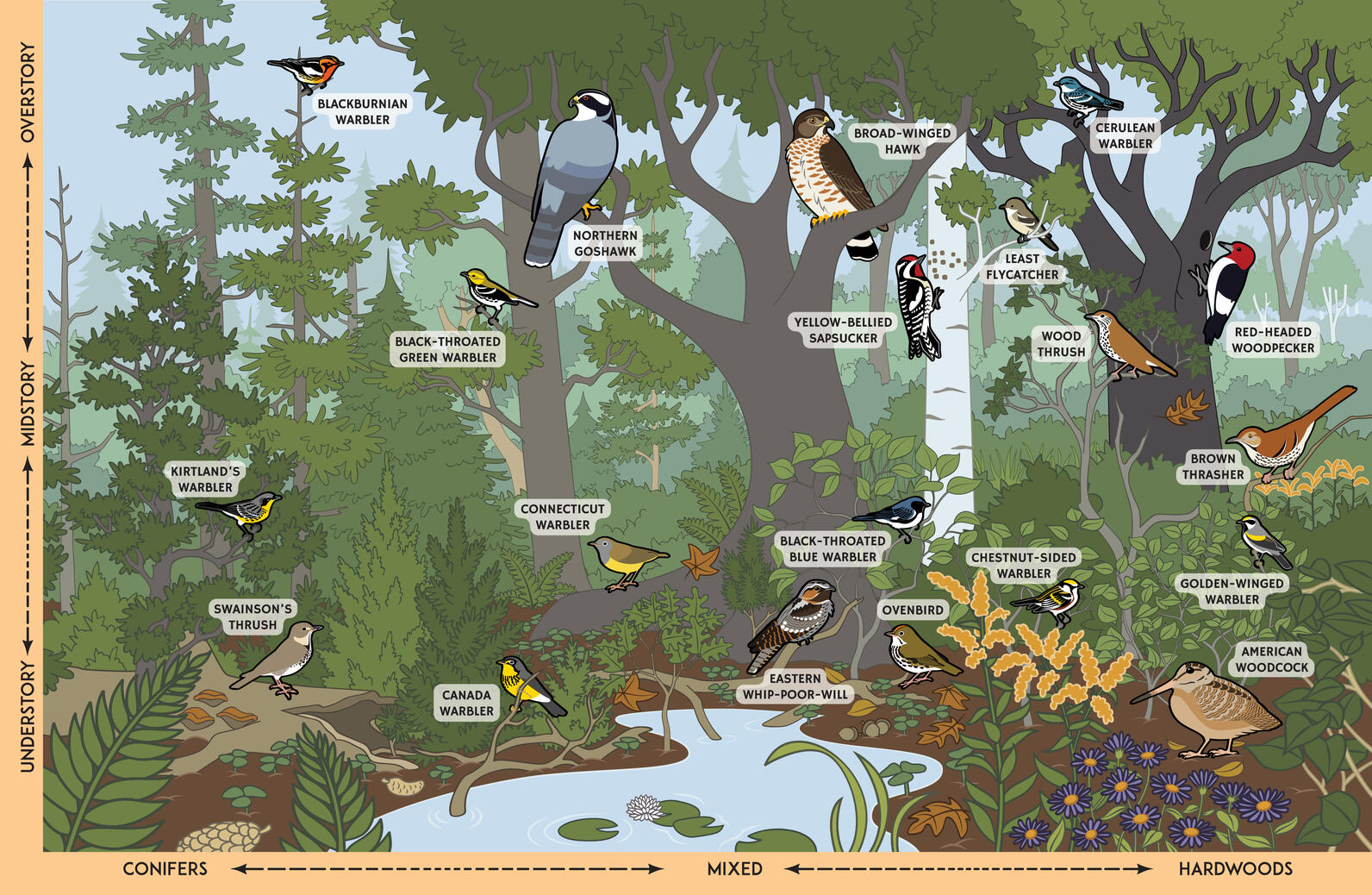
Forests and woodlands are vital for bird habitats. They offer shelter, food, and nesting sites. Birds thrive in these environments, adapting to various forest types. Each type of forest has unique features that attract different bird species.
Tropical Rainforests
Tropical rainforests are lush and vibrant. They boast rich biodiversity. Birds find abundant food and shelter here. Colorful parrots and toucans are common. The dense canopy provides protection. Rainforests have warm and humid climates. This environment supports many bird species.
Temperate Forests
Temperate forests have changing seasons. Birds migrate here during warmer months. They offer diverse food sources. Woodpeckers and robins are popular inhabitants. Trees lose leaves in fall, revealing hidden nests. These forests are cooler than tropical ones.
Boreal Forests
Boreal forests are cold and dense. They span across northern regions. Pine and spruce trees dominate. Birds like owls and crossbills live here. They adapt to harsh winters. The forest provides ample cover from predators. Boreal forests are crucial for bird survival.
Credit: www.chesapeakebay.net
Grasslands And Savannas
Birds find ideal habitats in grasslands and savannas. These open areas offer rich food sources and nesting spots. Tall grasses and scattered trees provide shelter and protection from predators.
Grasslands and savannas are vast, open landscapes where birds thrive in numbers that can boggle the mind. These areas, with their wide horizons and open skies, provide unique habitats for countless bird species. Their simple beauty hides a complex ecosystem where every bird has a role to play. Let's take a closer look at how these environments support bird life, from the prairies to the savannas and steppes.
Prairies
Prairies are grasslands found primarily in North America. They are home to birds like the western meadowlark and the lesser prairie chicken. These birds rely on the tall grasses for nesting and protection from predators. Imagine walking through a prairie on a sunny day, the sound of birdsong filling the air. It’s a reminder of how important these habitats are for maintaining bird populations. Birds in prairies have adapted to the wide-open spaces, using their keen eyesight to spot predators from a distance. They also depend on the diverse plant life for food, with many species feasting on seeds and insects. Have you ever thought about how vital these small creatures are in the grand scheme of things?
Savannas
Savannas, with their scattered trees and grasslands, are predominantly found in Africa. They are a birdwatcher's paradise, hosting species like the lilac-breasted roller and the secretary bird. These birds have evolved to thrive in a habitat where water can be scarce and temperatures soar. If you’ve ever watched a nature documentary, you’ve likely seen the dramatic life in the savannas. Birds here are crucial for seed dispersal and pest control. Think about how the absence of these feathered friends might alter the ecosystem dramatically. Their vibrant colors and diverse calls are a testament to the richness of life in the savannas.
Steppes
The steppes are vast, treeless plains found in regions like Eurasia. Birds such as the demoiselle crane and the steppe eagle are commonly seen here. These birds have adapted to harsh climates, showcasing resilience and adaptability. In the steppes, birds play a significant role in controlling insect populations. This is vital for the health of the grasslands, which in turn supports other wildlife. Have you ever considered how interconnected life is, even in such seemingly barren landscapes? Grasslands and savannas are more than just stretches of grass; they are vibrant ecosystems teeming with life. By understanding the habitats of prairies, savannas, and steppes, we gain insight into the delicate balance of nature. So next time you see a bird, think about the vast landscapes it may call home. What role do you think you can play in protecting these habitats?
Wetlands And Marshes
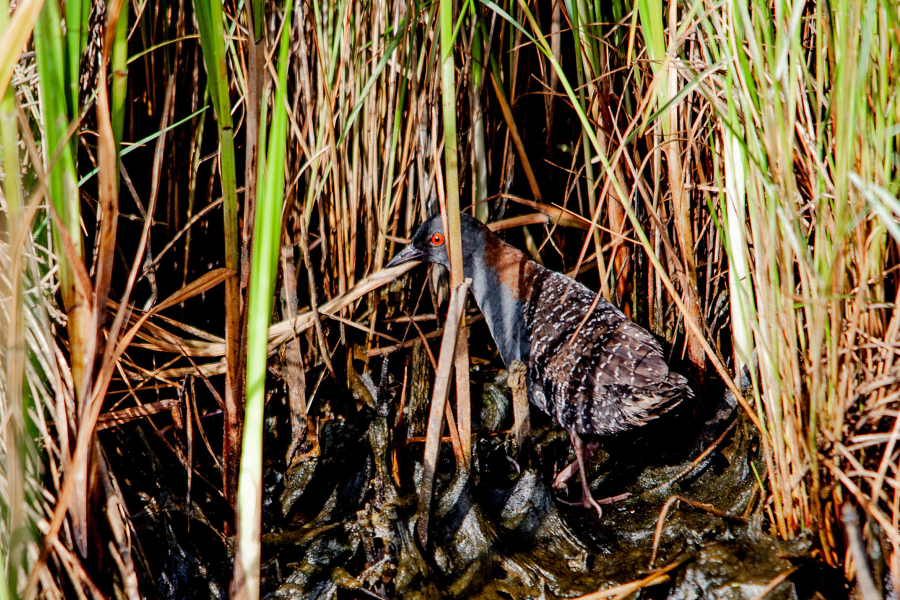
Birds find perfect homes in wetlands and marshes. These areas offer shelter, food, and breeding grounds. Tall grasses and shallow waters provide protection from predators.
Wetlands and marshes are fascinating ecosystems teeming with life. These habitats provide a home for many bird species, offering food, shelter, and breeding grounds. Whether you're an avid bird watcher or just curious about nature, understanding these habitats can enrich your experience. Freshwater Marshes Freshwater marshes are vibrant landscapes filled with reeds and grasses. Birds like herons and ducks thrive here, drawn by the abundance of insects and small fish. If you visit a marsh, listen closely—you might hear the distant call of a red-winged blackbird. Have you ever wondered why birds choose marshes over other places? The answer lies in the rich diversity of food and safety from predators. Next time you're near a marsh, take a moment to appreciate the complex web of life. Coastal Wetlands Coastal wetlands form along the shores, where saltwater and freshwater meet. Here, you'll find shorebirds like sandpipers and plovers, searching for crabs and mollusks. The ebb and flow of the tides create a dynamic environment that supports a variety of species. Have you visited a coastal wetland during migration season? It's an incredible sight, with flocks of birds filling the sky. These areas are crucial stopovers for migrating birds, providing rest and nourishment. Mangroves Mangroves are unique wetlands found in tropical regions. Their tangled roots offer a haven for birds such as egrets and kingfishers. These trees protect coastlines from erosion and serve as nurseries for fish and other wildlife. Why do birds flock to mangroves? The answer is simple: protection and plentiful food. Next time you see a mangrove forest, imagine the hidden life within its branches. As you explore these habitats, consider their importance for bird conservation. How can you help protect these vital ecosystems? By understanding their value, you can advocate for their preservation.
Deserts And Arid Regions
Birds thrive in deserts and arid regions, finding shelter in sparse vegetation and rocky crevices. They adapt to harsh climates by nesting in cacti or burrowing in sand. These habitats offer protection and food sources, allowing diverse species to survive and flourish.
Deserts and arid regions are unique habitats for birds. These areas have extreme conditions and limited resources. Yet, many birds thrive here. They adapt to the harsh environment. Their survival strategies are fascinating.
Hot Deserts
Hot deserts like the Sahara are challenging for birds. Temperatures soar during the day. Water is scarce. Birds here are active during the cooler parts of the day. They seek shade to avoid the intense heat. Some birds, like the Greater Roadrunner, have special features. They can conserve water and tolerate high temperatures. Their diet includes insects and small reptiles.
Cold Deserts
Cold deserts have freezing winters. The Gobi Desert is one example. Birds here face cold and dry conditions. Some birds migrate to warmer areas in winter. Others, like the Snowy Owl, stay year-round. They have thick feathers for insulation. Their prey is small mammals. They hunt during the short summer months.
Adaptations For Survival
Birds in deserts have unique adaptations. They need to find water and food. Some have long legs to walk great distances. Others have keen eyesight for spotting prey. Their feathers provide camouflage. They blend into the sandy or rocky landscape. Birds also have efficient ways to store energy. They can survive with minimal food and water.
Mountains And High Altitudes
Mountains and high altitudes offer a unique and challenging environment for birds. These majestic landscapes, often characterized by steep cliffs, rocky terrain, and sparse vegetation, provide a haven for some of the most resilient bird species. As you take a hike up a mountain trail, you might notice the incredible adaptations of birds that thrive in these regions. Their survival strategies and habitats offer fascinating insights into the resilience of nature.
Alpine Habitats
Alpine habitats are found at the highest elevations of mountains. Here, the landscape is often covered in snow and ice, with temperatures dropping significantly. Birds like the Snow Finch and Alpine Accentor are remarkable examples of species that have adapted to these cold conditions.
These birds have thicker feathers to insulate against the cold and have developed behaviors to conserve energy. You might wonder how they find food. They often rely on seeds and insects that are scarce but still present even in such harsh climates.
Subalpine Zones
Subalpine zones lie below the alpine habitats and offer a slightly milder environment. The vegetation is more robust, and the climate is less extreme. This zone supports a diverse array of bird species, such as the Pine Grosbeak and the Clark's Nutcracker.
If you listen closely, you might hear their calls echoing through the pine trees. These birds are often attracted to the abundance of seeds and berries, making the subalpine zone a perfect feeding ground.
Challenges Of High Altitudes
Living at high altitudes is not without challenges. The air is thin, and temperatures can fluctuate rapidly. Birds in these regions have developed strong lungs and efficient breathing techniques to cope with the low oxygen levels.
Have you ever thought about how these birds manage to fly in such thin air? Their wings are specially adapted for high-altitude flight, allowing them to navigate through the rugged terrain effortlessly.
With limited food sources and harsh weather conditions, survival at such heights demands innovative strategies. These birds demonstrate resilience and adaptability that is nothing short of inspiring.
Urban And Suburban Areas
Birds are fascinating creatures that have found their way into almost every corner of our world, including urban and suburban areas. As cities expand, many bird species have adapted to life alongside humans. It's a unique relationship that provides insights into their resilience and resourcefulness. Understanding how birds thrive in these environments can help us create spaces that support their needs and contribute to biodiversity.
Adaptation To Urban Life
Birds that choose urban environments have remarkable adaptability. They learn to navigate bustling streets and high-rise buildings. Some species modify their behaviors to cope with noise and pollution. You might notice birds like pigeons and sparrows using ledges and rooftops as nesting sites. They exploit urban resources like food scraps and water from fountains. These adaptations showcase their ability to thrive despite challenges.
Common Urban Species
Urban areas host a variety of bird species. Pigeons are ubiquitous, often seen pecking at crumbs on sidewalks. Sparrows are frequent visitors to gardens and parks. You might spot crows perched on streetlights or hear the chirping of robins in the early morning. Even birds of prey, like falcons, have adapted to city life. Their presence adds vibrancy to our daily routines.
Creating Bird-friendly Spaces
Making urban areas welcoming to birds is beneficial for both wildlife and humans. Consider adding bird feeders or bird baths to your garden. Plant native trees and shrubs that provide food and shelter. Avoid using pesticides that might harm birds. You can also support local conservation efforts. By creating bird-friendly spaces, you contribute to a healthier ecosystem.
Have you ever watched a bird build a nest in a bustling city? It’s a testament to their adaptability. What small changes can you make to invite more birds into your urban space? Embrace the challenge and enjoy the symphony of bird calls in your neighborhood.
Coastal And Marine Environments
Coastal and marine environments are vital for many bird species. These areas offer abundant food and shelter. Birds thrive here, adapting to unique conditions. From sandy beaches to rocky cliffs, each spot hosts diverse bird life. These environments support breeding, feeding, and nesting activities.
Seabird Colonies
Seabird colonies are bustling communities. Birds gather in large groups. They nest on cliffs or islands. Safety in numbers protects them from predators. Colonies are lively during breeding season. Parents care for chicks and teach them to fish. It's a busy, noisy place with constant activity.
Shoreline Habitats
Shorelines are dynamic bird habitats. Birds find food in tidal pools and mudflats. Wading birds probe the sand for insects and small creatures. Coastal vegetation offers shelter and nesting spots. Migratory birds use these areas to rest and refuel. Shorelines are crucial for survival.
Open Ocean Birds
Open ocean birds are true adventurers. They soar over vast seas. These birds travel long distances to find food. Albatrosses and petrels glide effortlessly on ocean winds. They rarely land, spending most of their lives flying. Open ocean birds are skilled navigators, using the stars and currents.
Credit: gl.audubon.org
Unique And Specialized Habitats
Birds are fascinating creatures, and their diverse habitats are a testament to their adaptability. Some birds thrive in unique and specialized environments, which can intrigue any bird watcher or nature enthusiast. These habitats offer a glimpse into the lives of birds that have evolved to fit their surroundings perfectly. Let's dive into a few remarkable habitats where birds have made their homes.
Caves And Cliffs
Caves and cliffs are not just for bats or mountain goats. Birds like swifts and swallows find these rugged terrains ideal for nesting. The high elevations provide safety from predators and a perfect launch point for flight.
Have you ever watched swallows dart in and out of a cliffside? It’s a sight to behold. Their nests, built from mud and spit, cling to the rock faces, defying gravity. This precision shows their remarkable adaptation to such challenging environments.
Imagine standing at the base of a cliff, looking up as birds soar above. It's a reminder of nature's resilience and ingenuity. Why do some birds choose such precarious homes? Perhaps the solitude and security outweigh the risks.
Tundra Regions
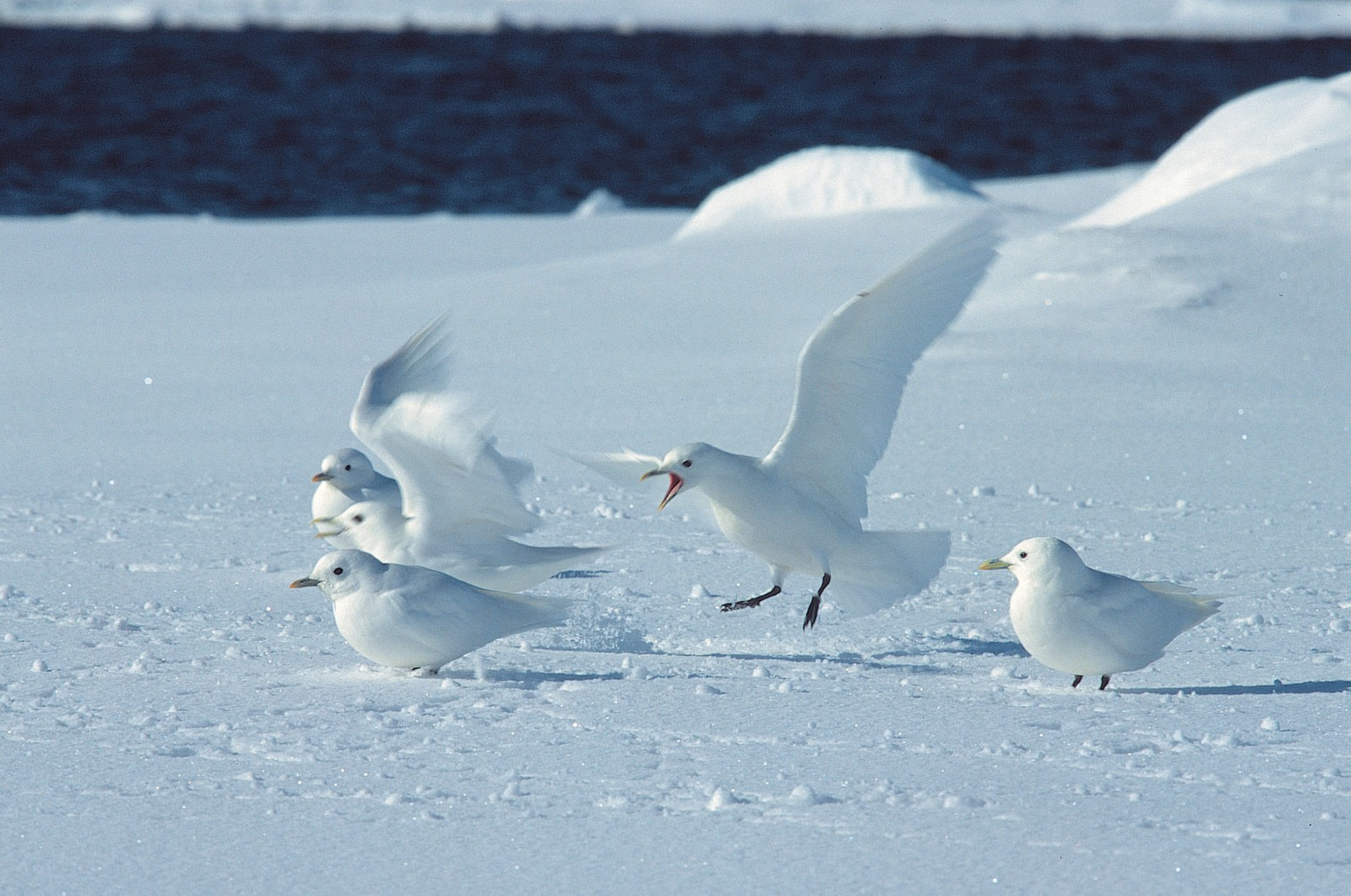
The tundra might seem inhospitable, but for some birds, it's a paradise. Species like the Snowy Owl and the Arctic Tern call these frigid landscapes home. They are experts at navigating the barren expanses, using camouflage and keen eyesight to hunt.
Have you ever visited the tundra and felt the biting cold wind? It's hard to imagine anything living there, yet these birds thrive. Their plumage provides warmth and blends seamlessly into the snow-covered ground.
As you explore these regions, consider how birds like the Arctic Tern migrate thousands of miles to reach these remote areas. It’s a journey of endurance and precision. What drives such migration? The promise of food and breeding opportunities.
Isolated Islands
Isolated islands offer a unique habitat where birds can flourish away from mainland predators. The Galápagos Islands, for example, are home to the iconic Blue-footed Booby and the Flightless Cormorant. These birds have evolved unique traits suited to island life.
Have you ever marveled at the bright blue feet of a Booby? It’s both a mating display and an adaptation to their environment. On isolated islands, birds often develop distinct features and behaviors, making them unique to their specific habitats.
When visiting such islands, you might notice the absence of fear in these birds. They’ve adapted to environments where traditional threats are minimal. How does isolation influence evolution? It creates a perfect laboratory for natural selection.
These specialized habitats are more than just homes; they are ecosystems where birds have mastered survival. Next time you observe a bird in its unique habitat, consider the incredible journey of adaptation and survival it represents.
Credit: oceanwide-expeditions.com
Frequently Asked Questions
What Are Common Bird Habitats?
Birds live in diverse habitats like forests, wetlands, grasslands, and urban areas. Each habitat offers food, shelter, and nesting sites. Forests provide trees for nesting, while wetlands offer water sources. Grasslands are rich in seeds and insects, and urban areas provide man-made structures for nesting.
How Do Birds Adapt To Their Habitats?
Birds adapt through specialized beaks, feet, and feathers. Their beaks suit their diet, like seeds or insects. Feet adapt for perching, wading, or swimming. Feathers offer camouflage, warmth, and waterproofing. These adaptations help birds survive and thrive in their specific habitats.
Why Do Some Birds Migrate?
Birds migrate for food and breeding opportunities. Seasonal changes affect food availability in habitats. Migration ensures access to abundant resources and favorable breeding conditions. Birds travel long distances to find suitable environments, ensuring survival and reproduction. Migration patterns vary among species, influenced by climate and geography.
Do Urban Areas Support Bird Life?
Yes, urban areas support diverse bird species. Cities offer food sources like insects, seeds, and human leftovers. Buildings, parks, and gardens provide nesting sites. However, urbanization poses threats like pollution and habitat loss. Despite challenges, many birds adapt and thrive in city environments.
Conclusion
Birds find homes in diverse places. From forests to deserts. Each habitat offers unique resources. Trees provide shelter and food. Wetlands support a wide variety of species. Grasslands offer open space for ground nesters. Urban areas house adaptable birds. Each environment plays a crucial role.
Protecting these habitats ensures bird survival. Human activities impact bird homes. Conservation efforts are essential. We must all contribute. Simple actions make a difference. Planting trees, reducing pollution, and supporting conservation. Together, we can protect bird habitats. Let's cherish these beautiful creatures.
For future generations to enjoy.