


Imagine waking up to the sweet melodies of birds singing outside your window. But have you ever stopped to wonder what it takes to create a sanctuary for these feathered friends?
Birds, like any living creature, have specific needs to thrive in their habitats. Understanding these needs can make a significant difference in their survival and well-being. You might be surprised to learn how simple adjustments in your garden or local environment can make it a paradise for birds.
As you dive into this article, you’ll discover the essential elements that make up a bird-friendly habitat. Whether you’re an avid bird watcher or someone looking to enhance your backyard ecosystem, this guide will offer valuable insights and practical tips. Get ready to explore what truly makes a habitat welcoming to our avian companions, and see how you can play a role in supporting their vibrant lives.
Credit: gl.audubon.org
Basic Shelter Needs
Birds thrive in habitats that meet their basic shelter needs. These needs are essential for their survival and well-being. Providing birds with adequate shelter helps protect them from harsh weather and predators. It also offers them a safe space for nesting and resting.
Natural Cover
Birds require natural cover like trees and bushes. These provide protection from predators. Dense foliage offers safety and privacy. Birds use leaves and branches to shield themselves from rain and wind.
Safe Nesting Sites
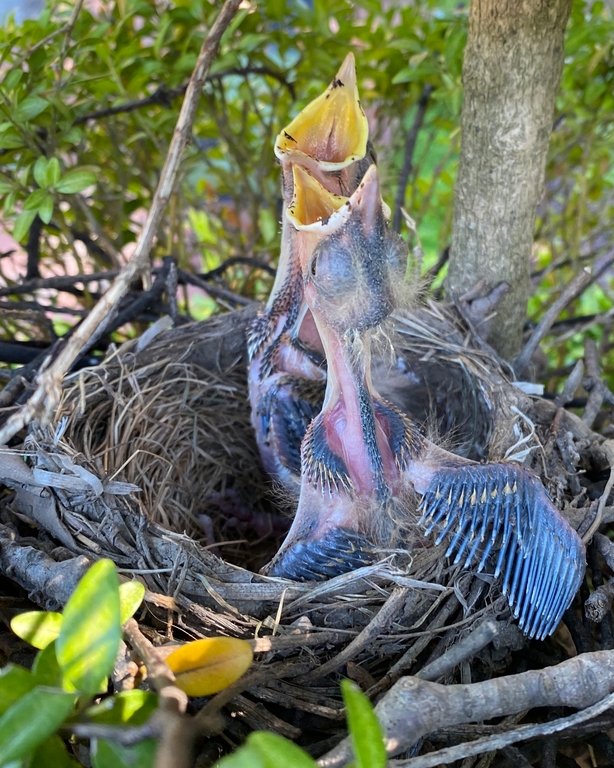
Nesting sites must be secure and stable. Birds often choose elevated spots to build nests. They prefer places free from disturbances. Nesting materials like twigs and feathers are essential. These ensure comfort and warmth for the young.
A safe habitat deters predators like cats and snakes. Birds need places to hide and escape threats. Thick vegetation offers excellent cover. High perches allow birds to observe their surroundings.
Seasonal Shelter Adjustments
Birds adapt their shelters with seasonal changes. In winter, they seek dense cover to stay warm. Summer shelters need ventilation to avoid overheating. Birds adjust their nesting materials accordingly.
Access To Water
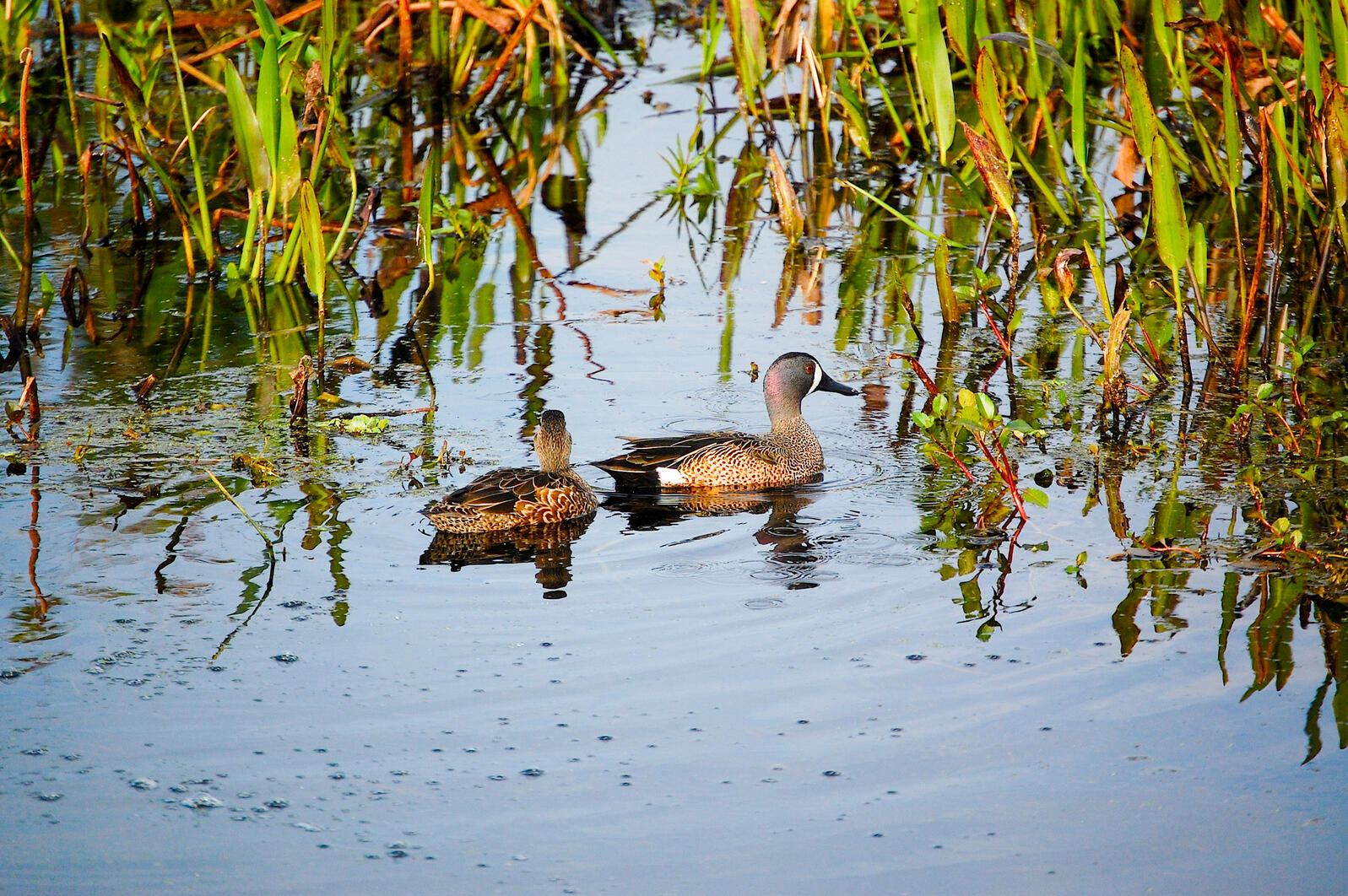
Water sources are crucial for birds' survival. They use water for drinking and bathing. Sheltered water bodies are ideal. Birds prefer areas where water is easily accessible.
Credit: blog.wcs.org
Food Sources
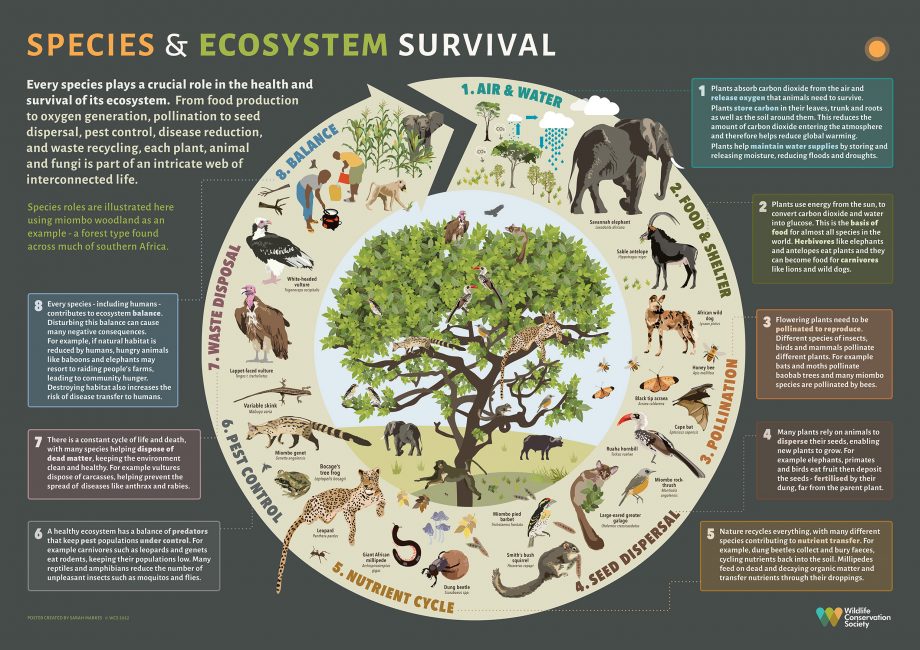
Birds thrive in habitats with abundant food sources like seeds, insects, and fruits. Diverse vegetation supports their nutritional needs, offering shelter and breeding areas. Essential elements include water availability and safe nesting spots, creating a balanced ecosystem for healthy bird populations.
Birds, with their vibrant colors and enchanting songs, are a joy to observe in any setting. To keep these feathered friends thriving, it's crucial to understand their food sources. Whether you're a bird enthusiast or just someone who enjoys the occasional chirp in your backyard, knowing what birds need to eat can make a significant difference in their survival and well-being. Let's explore the essential elements of a bird's diet and how you can support them.
Natural Food Availability
Birds in the wild rely heavily on what nature provides. This includes seeds, fruits, insects, and nectar. In my backyard, I often notice sparrows pecking at the ground, searching for seeds and tiny insects. Observing this behavior made me realize how crucial it is to maintain a diverse plant life. A variety of trees and shrubs can ensure birds have access to different food types throughout the year. Do you have a range of plants that bloom at various times? This will ensure continuous food supply for birds. Regularly check your garden or local park to see if it's accommodating to birds' dietary needs.
Supplementary Feeding
Sometimes, natural food sources aren't enough, especially during harsh weather. This is where supplementary feeding comes into play. When I noticed fewer insects in winter, I started placing bird feeders filled with seeds and suet. The birds flocked to these feeders, chirping happily. You don't need a fancy setup. A simple feeder, filled with sunflower seeds or peanuts, can do wonders. But remember, cleanliness is key. Regularly clean feeders to prevent disease. Have you ever thought about making your own bird feed mix? Try mixing different seeds to attract a variety of birds. You might be surprised at the diversity of feathered visitors you’ll welcome. By ensuring birds have access to both natural and supplementary food sources, you're not just feeding them—you're supporting an entire ecosystem. How can you enhance the food availability in your area today?
Water Requirements
Water is essential for birds' survival and well-being. It plays a critical role in their daily activities. Birds need water for drinking, bathing, and preening. Ensuring a consistent supply of clean water helps support their health. Understanding their water requirements can enhance their habitat.
Drinking Water
Birds need fresh water daily for hydration. They often visit birdbaths, ponds, or streams. Clean and safe water sources attract them. Stale or dirty water can deter birds. Provide a shallow dish or birdbath with fresh water. Refill it regularly to keep it clean. This encourages frequent visits from birds.
Bathing Facilities
Bathing helps birds maintain healthy feathers. It removes dirt and parasites. Birds enjoy splashing in water to clean themselves. A birdbath with a gentle slope is ideal. It should be shallow enough for small birds. Place the bath in a safe, open area. This ensures birds feel secure while bathing.
Safe Nesting Areas
Birds require safe nesting areas for raising their young. These spots provide protection from predators and harsh weather. The right nesting site ensures a thriving bird population. Let's explore natural and artificial nesting options.
Natural Nesting Sites
Trees are popular natural nesting sites for many birds. They offer branches and leaves for protection. Dense shrubs also provide excellent cover. Birds like to nest in places with minimal disturbance. Ground-nesting birds seek tall grass and fields. These offer concealment from predators. Rocks and cliffs serve as natural sites too. They provide shelter and a vantage point.
Artificial Nesting Options
Artificial nesting boxes help birds in urban areas. They replicate natural cavities in trees. These boxes attract species lacking natural sites. Birdhouses come in various designs. Each suits different bird species. Nesting platforms support larger birds like ospreys. They provide a flat, stable surface. Hanging baskets can aid small birds. They mimic natural nests using man-made materials.
Protection From Predators
Birds need safe spaces in their habitat to hide from predators. Dense shrubs and trees offer perfect cover. Natural camouflage helps them stay unnoticed.
Birds live in a world filled with danger. Predators lurk in every corner of their habitat. Protecting themselves from these threats is crucial for survival. Their habitat must offer safety and security to thrive. Let's explore how birds can defend themselves naturally and how humans can help.
Natural Defenses
Birds have several natural defenses against predators. Camouflage is one of their best tools. Many birds blend into their surroundings. This helps them avoid detection. Bright colors can also act as a warning. Some birds use loud calls to scare off threats. Others fly away quickly to escape danger. Nesting in high places provides extra safety. Dense foliage offers perfect hiding spots. These strategies help birds stay safe in the wild.
Human Assistance
Humans can play a role in protecting birds. Building birdhouses offers shelter. These houses keep birds safe from predators. Creating safe zones in gardens helps too. Planting dense shrubs can provide cover. Avoid using harmful pesticides. These chemicals can harm birds. Educating others about bird safety is vital. Awareness leads to better protection. Supporting conservation efforts can make a difference. Every small action counts. Together, humans can help birds thrive.
Space For Flight
Birds need space to soar and glide effortlessly. Their habitats must offer freedom to move without obstructions. This space is crucial for their survival and well-being.
Open Areas For Takeoff
Birds need open areas to take flight easily. These spaces allow them to spread their wings fully. It helps them escape predators quickly. A cramped space can hinder their movement.
Vertical Space For Altitude
Vertical space is important for birds to gain altitude. Birds need to fly high to find food and safety. Trees and tall structures provide this vertical space. They use these spots to rest and plan their next move.
Clear Paths For Navigation
Birds use clear paths to navigate efficiently. These paths help them travel long distances. Birds follow these paths during migration. Obstructions can confuse them and cause stress.
Safe Zones For Rest
Rest is vital after long flights. Birds need safe zones to relax and regain energy. These zones protect them from harsh weather. They also provide shelter from predators.
Environmental Diversity
Birds thrive in habitats with rich environmental diversity. Their survival depends on a variety of elements. Diverse environments provide shelter, food, and nesting options. These factors are essential for healthy bird populations. A mix of plants and seasonal changes plays a crucial role.
Varied Plant Life
Birds need a range of plants in their habitat. Trees, shrubs, and grasses offer shelter. They also provide food sources like seeds, fruits, and insects. Different plants attract different bird species. This encourages biodiversity. Dense foliage protects birds from predators. It gives them a place to hide and rest.
Plants also support insects, a vital food source for birds. Each plant type offers unique benefits. Some plants supply nectar. Others offer nesting materials. A mix of plants creates a balanced ecosystem. This helps birds thrive and reproduce.
Seasonal Changes
Seasonal changes affect bird habitats significantly. Birds migrate based on seasons. They seek warmer areas or better food sources. Changing seasons alter food availability. They also affect water sources and nesting sites.
Spring brings abundant food. Flowers bloom, attracting insects. Summer provides warmth and shelter. Fall offers seeds and berries. Winter challenges birds with cold. They rely on stored food and dense cover. Seasonal changes are crucial for bird adaptation.
Understanding these changes helps protect bird habitats. It ensures birds find what they need year-round. Proper habitat management considers these seasonal shifts. This supports diverse bird populations.
Credit: gardens.si.edu
Social Interaction
Social interaction plays a crucial role in the life of birds. Birds rely on their peers for survival, communication, and learning. Understanding their social needs helps create a suitable habitat for them. Birds often gather in flocks, display territorial behavior, and engage in complex interactions.
Flock Dynamics
Flocks offer safety and support to birds. Living in groups helps protect them from predators. It also aids in finding food and navigating long distances. Birds in a flock communicate through calls and gestures. They learn from each other, enhancing their skills. A well-structured flock fosters cooperation and harmony.
Territorial Behavior
Birds often establish territories to ensure their safety. A territory provides a secure space for nesting and feeding. Birds defend their territories through vocalizations and displays. This behavior helps maintain order and reduces conflicts. Territorial boundaries are respected by other birds, promoting a peaceful coexistence.
Climate Considerations
Birds thrive in habitats offering shelter, food, and water. Trees and bushes provide nesting spaces, while diverse plant life ensures ample food supply. Clean water sources are vital for drinking and bathing, supporting their overall health and survival.
Understanding the climate considerations of a bird's habitat is crucial for their survival and well-being. Birds are highly sensitive to changes in temperature and climate patterns, which can affect their health, migration, and breeding success. If you’re a bird enthusiast or simply love watching these feathered friends flutter around, recognizing how climate impacts their habitat can enhance your bird-watching experience and help you create a more bird-friendly environment.
Temperature Tolerance
Different bird species have varying levels of temperature tolerance. Some thrive in the sweltering heat of the desert, while others prefer the chill of colder climates. Consider the sparrow, which is resilient and adaptable to a range of temperatures, making it a common sight across various regions. Yet, not all birds are like sparrows. Hummingbirds, for instance, need a specific range to function optimally. Too cold, and they need to conserve energy by going into a torpid state. Too hot, and they might struggle to cool down. If you observe a bird struggling with temperature, it’s a cue to assess whether its habitat suits its needs.
Migration Patterns
Migration is a fascinating survival strategy that many bird species adopt to cope with climate changes. Birds like the Arctic Tern undertake long migrations to take advantage of different climates at different times of the year. This journey isn't just about finding warmth; it’s about accessing food and breeding grounds. Think about the Swallow, which travels thousands of miles to find the perfect conditions. These migration patterns highlight the importance of suitable climates in different regions. If you notice a shift in local bird populations, it might be a sign of changing climate conditions affecting their traditional migratory routes. Have you ever wondered why some birds appear in your garden only during certain months? Observing these patterns can offer insights into how climate impacts their movements. By planting native flora that supports their dietary needs during stopovers, you contribute to their migration success. Understanding these climate considerations allows you to create a sanctuary that supports the diverse needs of birds, ensuring they have a safe and nurturing habitat. What steps will you take to adapt your surroundings for these incredible creatures?
Frequently Asked Questions
What Do Birds Need For Shelter?
Birds need safe shelter to protect against predators and harsh weather. Trees, shrubs, and dense vegetation offer ideal cover. Nest boxes can also provide a safe space for breeding. Ensuring diverse and abundant shelter options helps birds thrive in their habitats.
Why Is Water Important For Birds?
Water is essential for birds for drinking and bathing. It helps in maintaining their body temperature and keeping their feathers clean. A consistent water source like a birdbath or pond is crucial. Providing clean water can attract a variety of bird species to your area.
How Do Birds Find Food In Their Habitat?
Birds rely on habitats rich in food sources like insects, seeds, and fruits. Diverse vegetation supports a healthy insect population, crucial for insectivorous birds. Planting native flora can increase food availability. Feeding stations with seeds can also supplement their diet, especially during scarce seasons.
Why Is Space Important For Bird Habitats?
Space allows birds to establish territories, find mates, and raise young. Overcrowded habitats can lead to competition and stress. Ample space ensures birds have enough resources to thrive. Landscapes with varied terrain and vegetation types offer the best environments for diverse bird species.
Conclusion
Creating a bird-friendly habitat is vital. Birds need food, water, and shelter. Safe nesting areas help them thrive. Native plants attract insects and provide seeds. Clean water sources are essential for drinking and bathing. Trees and shrubs offer protection and nesting sites.
Avoid chemicals that harm birds. Support local wildlife by maintaining bird-friendly spaces. Small changes make a big difference. Encourage others to do the same. Together, we can create a welcoming environment for our feathered friends. Happy birdwatching!