


Imagine walking through a lush forest or a serene park, where the melody of chirping birds fills the air. These feathered friends bring joy and vitality to our environments.
But have you ever wondered what birds truly need to thrive in their habitats? It's more than just trees and water. Understanding these essentials can help you create a sanctuary for birds right in your backyard. Whether you're a seasoned bird enthusiast or just curious about nature, knowing what birds need in a habitat can transform your outdoor space into a vibrant haven.
Get ready to discover how you can make a difference in the lives of birds, and perhaps enjoy their delightful company a bit more each day.
Food Sources
Birds thrive in habitats that provide diverse food sources like seeds, fruits, and insects. These elements ensure they receive necessary nutrients for energy and growth. Having a variety of plants can attract insects, offering a balanced diet for different bird species.
Providing birds with the right food sources is crucial to creating a thriving habitat. Birds need various nutrients to stay healthy, and the availability of diverse food options can attract a wide range of species to your area. By understanding their dietary needs, you can create a habitat that supports their natural behaviors and enhances their chances of survival.
Natural Foraging Options
Birds are natural foragers and thrive in environments where they can find food independently. Consider the types of trees, shrubs, and plants in your area that naturally produce seeds, nuts, fruits, or nectar. For instance, sunflower seeds and berries are popular among many bird species. Planting native species in your garden can provide essential food sources for birds. Native plants are adapted to your local climate and require less maintenance while providing the nutrients birds need. Have you ever noticed how lively a garden becomes when flowers bloom and berries ripen? That's nature's buffet for our feathered friends! Creating diverse habitats with layers of vegetation can also support various bird species. Ground feeders might enjoy seeds fallen from taller plants, while others might prefer plucking fruit from trees. A well-planned garden can become a bustling hub of bird activity.
Supplemental Feeding
Supplemental feeding can be a lifesaver for birds, especially during harsh weather when natural food is scarce. Setting up bird feeders in your yard can help sustain bird populations. Choose feeders that are easy to clean and refill, ensuring hygiene and accessibility. Offering a variety of seeds can attract different bird species. Black oil sunflower seeds are a favorite among many birds, while suet cakes provide energy-rich food for insect-eating birds. If you've ever watched a flock of birds gather around a feeder, you've seen the joy that a simple act of kindness can bring. Keep your feeders full, especially during winter or breeding seasons when birds need extra energy. Remember, though, that feeders should supplement, not replace, natural food sources. What type of birds might you attract with a well-stocked feeder in your backyard? Engaging in bird feeding connects you to nature and provides critical support for birds. It's a simple yet impactful way to contribute to their survival. Wouldn't it be rewarding to see the same birds return season after season, knowing you played a part in their journey?
Water Availability
Birds thrive in habitats rich in water sources like ponds, streams, and birdbaths. Access to clean water supports their drinking and bathing needs, promoting healthier feathers and better flight. Consistent water availability attracts diverse bird species, ensuring vibrant ecosystems.
Ensuring birds have access to water in their habitat is crucial for their survival and well-being. Water is not only necessary for drinking but also for bathing, which helps them maintain their feathers in top condition. Let's dive into the specifics of what birds need when it comes to water availability in their habitat.
Freshwater Sources
Birds need clean and accessible freshwater sources to thrive. It could be a natural pond, a birdbath in your backyard, or a small stream. These sources should be shallow enough for birds to easily reach the water. You might be surprised to learn that not all birds can drink from deep bodies of water. Smaller birds, like sparrows and finches, prefer shallow water where they can stand and sip. Have you ever noticed how quickly birds find a new water source? They seem to have a sixth sense for it, often arriving just after you fill up the birdbath.
Bathing Needs
Bathing is a vital activity for birds, helping them keep their feathers clean and free of parasites. Providing a shallow dish with water in your garden can be a simple yet effective way to cater to their bathing needs. Birds are picky about their bathing spots. They prefer clean and fresh water, free from chemicals and pollutants. Imagine a bird shaking its feathers, droplets glistening in the sun—it's a joyful sight and a sign that you're meeting their needs. Have you tried placing a small rock in your birdbath? It gives birds a perch to stand on, making them feel safer while they bathe. This simple addition can make your water source even more inviting for our feathered friends. By focusing on these aspects of water availability, you can create a welcoming environment for birds in your area. What changes can you make to ensure birds have the water they need?
Shelter And Nesting
Birds, like all creatures, need a place to call home. Shelter and nesting are critical components of a bird's habitat. These elements provide safety from predators and harsh weather, and they offer a place for birds to raise their young. Every bird species has unique requirements for nesting and shelter, but there are universal needs that you can help fulfill.
Tree Canopies
Tree canopies serve as natural shields for birds. They offer protection from rain and sun. If you have trees in your yard, you're providing a vital service to local bird populations.
Think about the variety of birds that might visit your garden. Some prefer dense foliage while others opt for the open branches. The diversity in tree types can attract a range of bird species. This is your chance to create a welcoming environment.
While planting trees, consider native species. They are more likely to support local bird life. Plus, they are typically easier to maintain.
Artificial Nesting Sites
Not all habitats have enough natural nesting sites. That's where you can step in. Providing artificial nesting sites can make a big difference.
Birdhouses are a popular choice. They are easy to set up and can be tailored to specific bird species. Do some research to find out which birds are native to your area and what kind of houses they prefer.
Another option is nesting platforms. These are simple structures that offer birds a place to build their nests. It's a bit like offering a blank canvas for them to create their home.
Have you ever thought about how these small actions can impact the bird population in your area? By providing shelter and nesting opportunities, you are supporting biodiversity. You’re creating a thriving ecosystem right in your backyard.
Consider the joy of watching birds nest and raise their young. It's a small investment with a rewarding view. What steps will you take to enhance the habitat for birds around you?
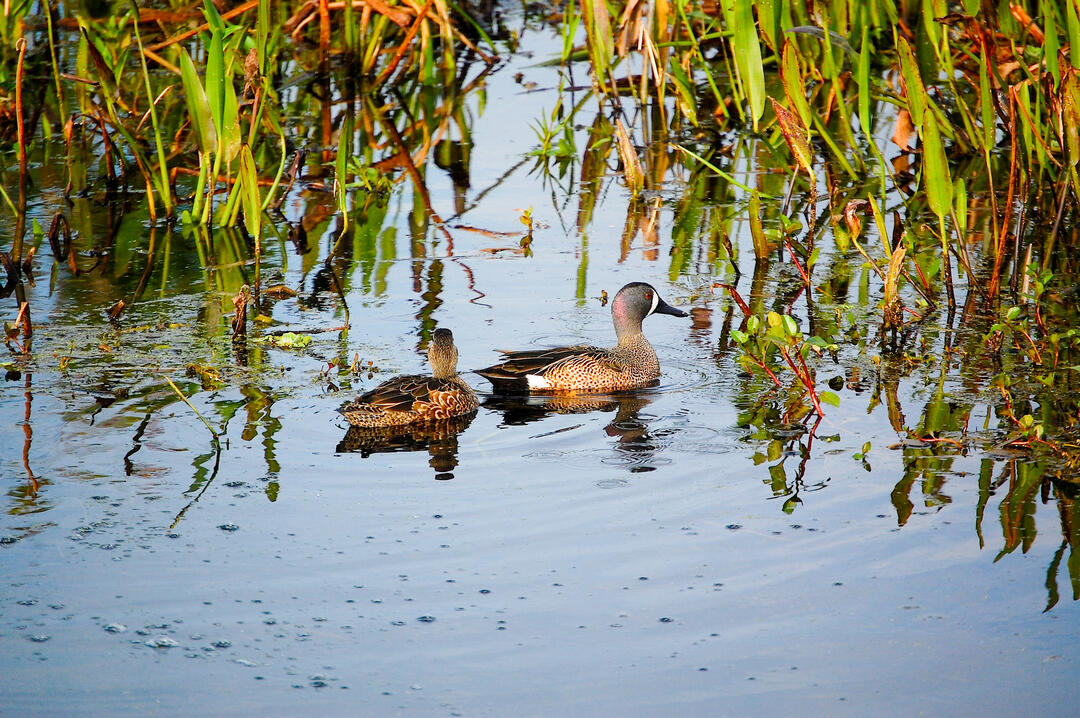
Credit: gl.audubon.org
Safety From Predators
Birds require safe habitats to thrive and avoid predators. Predators can include animals like cats, snakes, and larger birds. Ensuring bird safety involves providing proper cover and protection. This section focuses on natural cover and human intervention as strategies.
Natural Cover
Natural cover plays a crucial role in bird safety. Dense shrubs and trees offer excellent hiding spots. Birds can quickly escape predators using these natural structures. Bushes with thorny branches provide extra protection. Tall grasses also serve as effective concealment areas. Natural cover mimics their wild habitats, making birds feel secure. Choose plants that grow well in your region.
Human Intervention
Sometimes, natural cover needs help from humans. Creating birdhouses gives birds a safe place to nest. These structures keep predators out and offer shelter. Install birdhouses in areas with little human traffic. Keep them away from known predator spots. Fencing can also help protect birds from ground predators. Ensure the fence is high enough to deter jumping animals. Humans can play a vital role in ensuring bird safety.
Space For Movement
Creating an ideal habitat for birds involves more than just providing food and water. One crucial element is ensuring they have ample space for movement. This space allows birds to fly freely, establish territory, and perform natural behaviors. Whether you're designing a backyard haven or a conservation site, understanding the spatial needs of birds can make a significant difference.
Flight Paths
Birds need clear flight paths to navigate their environment efficiently. Think about how you feel when walking through a crowded room; birds experience similar discomfort when their flight paths are obstructed. Ensure trees and structures are spaced to allow unobstructed flight. This not only helps in their daily activities but also boosts their safety.
Consider how urban environments can complicate these paths. High-rise buildings and dense areas can disrupt natural flight patterns. If you're in a city, you might notice fewer bird species. Offering clear flight paths in your space can attract more birds and encourage them to stay longer.
Territorial Range
Birds are territorial creatures. They need enough space to claim as their own, especially during breeding season. A bird's territorial range varies by species, but generally, larger birds require more space. You might have observed birds chasing each other; they are often defending their territory.
Understanding this behavior is crucial for creating a welcoming habitat. If you're planning a bird-friendly garden, try spacing feeders and nesting sites to accommodate different species. This minimizes conflicts and encourages a diverse range of birds to visit.
Reflect on how you can expand or rearrange spaces to cater to these territorial needs. Could you rearrange your garden or yard to provide more distinct areas? This thoughtful design can make a world of difference for your feathered visitors.
Have you ever stopped to think about how birds navigate your space? Designing with their movement needs in mind can transform your environment into a vibrant, bird-friendly habitat. What changes will you make to ensure your space is more welcoming for our avian friends?
Climate Considerations
Birds thrive in habitats offering food, water, and shelter. They seek diverse plant life for nesting and protection. Climate impacts these needs, affecting migration and survival.
Understanding the climate considerations for bird habitats can make a significant difference in their survival and well-being. Birds thrive in environments where they can find food, shelter, and mates. While setting up a bird-friendly habitat, it's crucial to think about how climate affects these needs. You might wonder, how does weather impact a bird's home? Let's dive into the key aspects of climate considerations: temperature control and seasonal changes.
Temperature Control
Temperature plays a vital role in a bird's habitat. Birds need a balanced environment to regulate their body heat. Too hot, and they might struggle to find shade or water. Too cold, and they could have difficulty staying warm. In your backyard, consider planting trees or shrubs. These provide natural shade, keeping birds cool during sweltering summer days. You might notice more birds visiting your garden when there's a cool, shady spot available. During colder months, think about adding a birdhouse or nesting box. These structures offer shelter from harsh winds and freezing temperatures. Imagine a bird resting inside, safe from the biting cold outside.
Seasonal Changes
The changing seasons bring challenges and opportunities for birds. Spring and summer might mean an abundance of food, while autumn and winter can be lean times. Do you see fewer birds in your garden during winter? It's not uncommon, as food sources dwindle. Planting a variety of native plants can help provide food year-round. In spring, flowers attract insects, a vital food source for many birds. As fall approaches, berry-producing plants offer nourishment when insects are scarce. Another tip is to maintain a bird feeder. During winter, a well-stocked feeder can be a lifesaver for birds. You might enjoy watching the lively activity around the feeder as birds flock for a meal. By paying attention to temperature and seasonal changes, you can create a welcoming habitat that supports birds throughout the year. Your efforts can make a real difference in the lives of your feathered friends.
Social Interaction
Birds thrive in habitats rich with food sources, safe nesting areas, and clean water. They also need space to fly. Social interaction among birds is crucial for breeding, protection, and communication.
Birds, much like us, crave social interaction. It's fascinating to observe how they engage with their environment, forming bonds and hierarchies. If you’ve ever watched birds at a park, you might have noticed their complex social behaviors. These interactions are not just for fun; they are crucial for their survival and well-being. Understanding what birds need in a habitat, particularly in terms of social interaction, can enrich your bird-watching experience and help you create a welcoming space for them.
Flock Behavior
Flock behavior is a remarkable aspect of bird social interaction. Birds often gather in flocks for safety and companionship. Have you ever seen a flock of sparrows darting in unison? It's not just mesmerizing; it’s their way of protecting each other from predators. In a habitat, ensuring ample space for birds to form flocks can encourage this natural behavior. Think about how you can create group-friendly spaces in your garden or local park. Do you have enough trees or shrubs that can shelter a flock of birds?
Breeding Practices
Breeding practices are another essential aspect of bird social interaction. Birds often need specific conditions to form pairs and breed successfully. You might have noticed how some birds, like pigeons, appear to dance or sing to attract a mate. These courtship rituals are vital for reproduction. In your habitat, consider adding nesting materials or quiet corners to support these practices. Reflect on the diversity of bird species in your area; different birds might need varied nesting sites. Are there suitable spots for them to lay eggs and raise their young? Creating a habitat that supports flock behavior and breeding practices doesn't have to be complicated. By observing the birds around you, you can gain insights into their social needs. Have you ever tried adjusting your garden to welcome more birds? What changes did you notice?

Credit: www.facebook.com
Biodiversity Importance
Birds are fascinating creatures that thrive in diverse habitats. But what exactly do they need to flourish? One key component is biodiversity. Biodiversity ensures a rich variety of life forms, creating a vibrant environment where birds can find food, shelter, and mates. Every tiny plant, insect, and animal plays a role in maintaining this complex web of life. By understanding the importance of biodiversity, you can appreciate how it supports the delicate balance within ecosystems, where birds are both contributors and beneficiaries.
Ecosystem Balance
Imagine walking through a forest where every element works in harmony. Birds contribute to this balance by controlling insect populations and spreading seeds. Without them, ecosystems might suffer from overpopulation of certain species or lack of vegetation diversity. Birds help maintain the equilibrium by performing roles that benefit the entire habitat. This balance is crucial for the survival of all living beings, including humans.
Think about the impact of losing just one bird species. It could lead to a chain reaction, affecting other species and the ecosystem's health. Biodiversity ensures that ecosystems remain resilient, adaptable, and capable of supporting a wide range of life forms.
Species Interdependence
Birds are not solitary in their existence; they depend on other species for survival. Consider how many birds rely on insects for food or trees for nesting. These relationships are vital for their survival. In fact, each bird species plays a unique role in its habitat, contributing to the well-being of other species.
Reflect on the symbiotic relationships between birds and plants. Birds help pollinate flowers, while plants offer fruits and seeds. This interdependence ensures a thriving ecosystem where each species supports the other. By maintaining biodiversity, you help ensure these connections remain strong, promoting a healthier environment for all.
Have you ever wondered how your actions impact biodiversity? Small changes, like planting native trees or reducing pesticide use, can make a big difference. By fostering a diverse habitat, you support not just birds, but the entire ecosystem. What steps will you take to protect the rich tapestry of life around you?

Credit: www.youtube.com
Frequently Asked Questions
What Elements Make A Perfect Bird Habitat?
A perfect bird habitat includes food, water, shelter, and nesting sites. Birds need diverse plant species for foraging and protection. Safe spaces from predators are essential. Water sources like ponds or birdbaths attract them. Consistent food supply and natural vegetation enhance a habitat's appeal.
How Important Is Water In Bird Habitats?
Water is crucial for birds to drink, bathe, and preen. It helps them maintain their feathers' health. Birds are attracted to moving water like fountains. Providing clean, accessible water sources increases a habitat's attractiveness. Regular maintenance of water sources ensures they are hygienic.
Why Do Birds Need Diverse Plants?
Diverse plants offer food, shelter, and nesting materials. They attract insects, providing essential protein for birds. Varied plant heights and types offer protection from predators. Native plants are ideal, as they support local bird species. Overall, plant diversity supports a balanced ecosystem.
How Does Shelter Benefit Birds?
Shelter protects birds from harsh weather and predators. Birds need safe places to rest and hide. Dense shrubs and trees offer ideal shelter. Proper shelter ensures birds can survive extreme weather conditions. It's essential for their safety and well-being in any habitat.
Conclusion
Birds need specific things in their habitat to thrive. Safe spaces help them feel secure. Food sources are crucial for energy. Clean water supports health. Trees and plants provide shelter and nesting spots. Variety in the environment attracts diverse bird species.
Understanding these needs helps us create better habitats. Protecting bird habitats is vital for their survival. Simple actions make a big difference. Whether in cities or rural areas, we can all contribute. Let's cherish and preserve the natural spaces birds depend on.
Together, we can support these incredible creatures and enjoy their beauty.