


Capturing the beauty and grace of birds requires more than just patience and a keen eye. It demands the right equipment, and if you’re a Canon user, you’re in luck.
Choosing the best Canon lens for bird photography can elevate your shots from ordinary to extraordinary, bringing your feathered subjects to life with stunning detail and vibrancy. But with so many options available, how do you know which lens will help you truly capture nature's wonders?
You’ll discover the top Canon lenses that are perfect for bird photography. Imagine the thrill of snapping that perfect shot, where every feather is crisp and every moment is frozen in time. Stay with us as we guide you through making the best choice for your photographic journey.
Importance Of Choosing The Right Lens
Choosing the right lens is crucial for bird photography. The right lens helps capture sharp and stunning images. It ensures you get close to your subject without disturbing it. Different lenses suit different needs and environments.
Understanding Focal Length
The focal length affects how close you can get to birds. Longer focal lengths allow you to capture distant birds clearly. A 400mm lens is ideal for capturing birds in flight. It offers a great balance between reach and image quality.
Aperture Matters
A wide aperture lets in more light. This feature is essential for shooting in low light conditions. A lens with a maximum aperture of f/4 or f/2.8 performs well. It also creates a beautiful background blur, making the bird stand out.
Weight And Portability
Bird photography often involves moving around in nature. A lightweight lens is easier to carry during long shoots. Consider lenses made with lightweight materials. This feature helps reduce fatigue, allowing you to shoot longer.
Image Stabilization
Image stabilization helps reduce blur from camera shake. This feature is crucial for handheld shooting. It ensures sharp images, especially with longer lenses. Look for lenses with built-in stabilization for better results.
Budget Considerations
High-quality lenses can be expensive. Consider your budget when choosing a lens. There are affordable options that still provide excellent quality. Research and compare to find the best value for your needs.

Credit: www.naturettl.com
Factors To Consider
Choosing the right Canon lens for bird photography requires careful consideration. Birds are fast and often distant. Capturing them in detail demands specific lens features. Let's explore the key factors that make a lens ideal for bird photography.
Focal Length
Focal length is crucial for photographing birds. A longer focal length helps capture distant birds with clarity. Lenses with 300mm or more are preferred. These lenses bring birds closer, filling the frame with detail. They also help maintain a safe distance from shy birds.
Aperture
Aperture affects light intake and depth of field. A wider aperture, like f/2.8 or f/4, allows more light. This is vital in low-light conditions, such as early morning or evening. A wide aperture also creates a pleasing background blur. This makes the bird stand out.
Image Stabilization
Image stabilization reduces camera shake. It is essential for shooting handheld. Especially with long focal lengths. This feature ensures sharper images. Even in challenging conditions. Look for lenses with built-in stabilization technology.
Weather Sealing
Weather sealing protects the lens from dust and moisture. Bird photography often occurs in unpredictable environments. A well-sealed lens ensures durability. It allows for shooting in rain, fog, or dusty areas without worry. This feature extends the lens's life.
Top Canon Lenses For Bird Photography
Bird photography is an exciting hobby for many nature enthusiasts. Capturing birds in their natural habitat requires the right equipment. Canon offers a range of lenses perfect for this purpose. Each lens has unique features suited for different bird photography needs. This section explores top Canon lenses ideal for capturing stunning bird images.
Canon Ef 100-400mm F/4.5-5.6l Is Ii Usm
This lens offers versatility with its zoom range. It allows photographers to capture birds from varying distances. The image stabilization feature reduces blur. This helps in achieving sharp images. Its lightweight design makes it easier to carry on long trips. This lens is a favorite for bird photography.
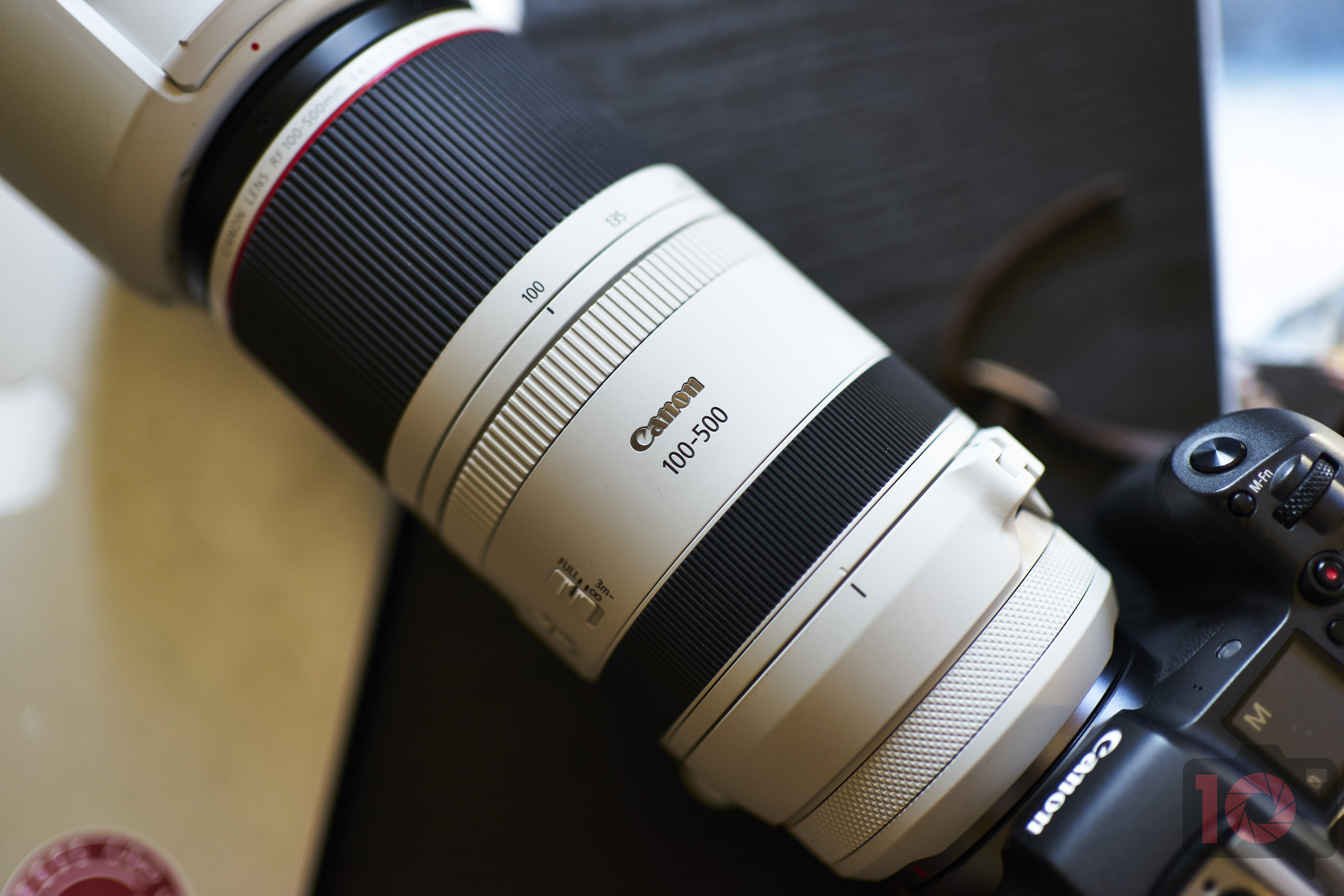
Canon Rf 100-500mm F/4.5-7.1l Is Usm
With an impressive zoom range, this lens captures distant birds with ease. It's part of Canon's RF line, known for quality and innovation. The lens boasts excellent image stabilization. This feature ensures clear images even in lower light conditions. Its compact design appeals to traveling photographers.
Canon Ef 400mm F/5.6l Usm
This lens is lightweight and easy to handle. It offers a fixed focal length, perfect for focused shots. The high-speed autofocus helps in capturing fast-moving birds. The lens provides sharp and detailed images. Many bird photographers appreciate its simplicity and reliability.
Canon Ef 600mm F/4l Is Iii Usm
Known for its long focal length, this lens captures distant birds beautifully. It offers superb image quality and detail. The advanced image stabilization enhances clarity. Despite its size, it is relatively lightweight. This lens is ideal for serious bird photographers.
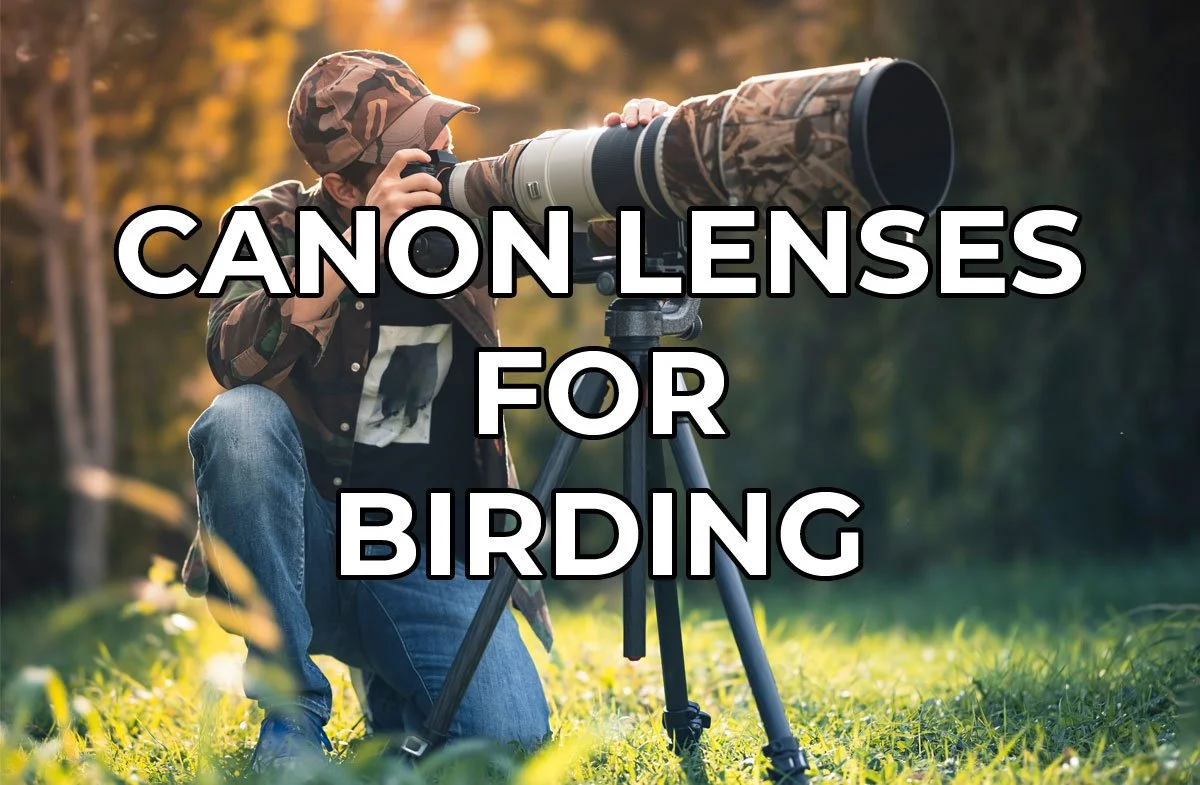
Credit: acousticnature.com
Budget-friendly Options
Bird photography can be a thrilling yet challenging hobby. The right lens can make all the difference. If you're just starting out or on a budget, you don't have to spend a fortune to capture breathtaking shots of your feathered friends. Let's explore some of the best budget-friendly Canon lenses that can elevate your bird photography.
Canon Ef 70-300mm F/4-5.6 Is Ii Usm
Ever missed capturing a quick-winged bird due to slow autofocus? The Canon EF 70-300mm f/4-5.6 IS II USM might be the solution. Its Nano USM technology ensures fast and silent autofocus, crucial for bird photography.
This lens offers a versatile zoom range, allowing you to capture birds both near and far without changing lenses. The image stabilization feature helps in reducing the blurriness caused by shaky hands, giving you sharper images.
Its LCD display is a bonus. It provides real-time information on focus distance and depth of field, which can be a huge help in the field. Is this the lens that will help you perfect your bird shots?
Canon Ef-s 55-250mm F/4-5.6 Is Stm
If you're using an APS-C camera, the Canon EF-S 55-250mm f/4-5.6 IS STM is a great choice. This lens is lightweight, making it easy to carry during long bird-watching sessions.
Its STM (Stepping Motor) technology ensures smooth and quiet autofocus. This means you can capture birds without startling them. The image stabilization feature is also a lifesaver, especially in low-light conditions.
While this lens may have a shorter reach compared to the 70-300mm, its compact size and affordability make it a worthy contender. Could this be the lens that fits your bird photography needs?
Choosing the right lens involves balancing your needs and budget. Consider these options and decide which one aligns with your bird photography aspirations. What lens will you take on your next birding adventure?
Accessories For Enhancing Bird Photography
Bird photography requires precision and the right tools to capture stunning images. While the choice of Canon lens is crucial, accessories play a significant role in enhancing your photography experience. They help improve stability, focus, and image quality. Let's explore some essential accessories for bird photography.
Teleconverters
Teleconverters increase the focal length of your lens. They allow closer shots without moving physically closer. This is ideal for capturing distant birds. Canon teleconverters maintain excellent image quality. They are compact and easy to attach. Choose a teleconverter compatible with your Canon lens.
Tripods And Monopods
Tripods provide stability for long zoom lenses. They reduce camera shake and blur. This is important in low-light conditions. Monopods offer mobility and flexibility. They are lighter and easier to carry. Both help achieve sharp and clear bird images. Invest in a sturdy tripod or monopod for better results.
Lens Hoods
Lens hoods protect against glare and lens flare. They improve contrast and color saturation. This results in vibrant and detailed images. Hoods also shield your lens from dust and rain. They are inexpensive and easy to attach. Choose a lens hood that fits your Canon lens perfectly.
Credit: www.thephoblographer.com
Tips For Capturing Stunning Bird Photos
Capturing stunning bird photos requires more than just a good lens. It demands an understanding of bird behavior, optimal camera settings, and practicing patience. Each of these elements plays a crucial role in achieving breathtaking shots. This section provides tips for improving your bird photography skills.
Understanding Bird Behavior
Birds have unique habits and routines. Observing these can improve your photography. Take note of their feeding times and common perches. Early morning and late afternoon are usually active times. Study their flight patterns to anticipate movements. This understanding will help you position yourself effectively.
Optimal Camera Settings
Settings matter for sharp and clear bird photos. Use a fast shutter speed to freeze motion. Birds move quickly, so adjust your camera accordingly. A higher ISO can help in low light. Just be careful to avoid too much noise. Aperture settings can affect depth of field. A wider aperture can blur the background, highlighting the bird.
Practicing Patience And Timing
Bird photography requires patience. Birds do not always cooperate with photographers. Wait quietly without sudden movements. Timing is key to capturing the perfect moment. Anticipate the bird's actions. Keep your camera ready at all times. This ensures you won't miss any spontaneous moments.
Frequently Asked Questions
What Is The Best Canon Lens For Bird Photography?
The Canon EF 100-400mm f/4. 5-5. 6L IS II USM is highly recommended. It's versatile, offering a wide focal range, perfect for capturing distant birds. Its image stabilization and fast autofocus enhance sharpness and precision, crucial for bird photography.
Is A Zoom Lens Essential For Bird Photography?
Yes, a zoom lens is crucial for bird photography. It allows you to capture birds from a distance without disturbing them. A zoom lens also offers flexibility in framing, ensuring you can adapt to various shooting situations.
Which Canon Lens Has The Best Image Stabilization?
The Canon EF 100-400mm f/4. 5-5. 6L IS II USM is renowned for excellent image stabilization. It minimizes camera shake, crucial for handheld shots. This feature is particularly beneficial in low-light conditions or at maximum zoom, ensuring sharp images.
Are Prime Lenses Good For Bird Photography?
Prime lenses can be good for bird photography due to their sharpness and wide apertures. However, they lack the versatility of zoom lenses. You may need to physically move to adjust your framing, which can disturb birds.
Conclusion
Choosing the right Canon lens enhances your bird photography. Prioritize what matters most: sharpness, reach, or versatility. Consider your budget. Each lens offers unique benefits. The Canon EF 100-400mm is versatile and popular. For more reach, try the Canon EF 600mm.
Beginners might prefer the Canon EF 70-300mm. Every lens choice impacts your photos. Think about your needs and environment. Experiment with different lenses when possible. This helps you find your perfect match. Happy bird photography! Capture those stunning moments with the right lens.