


You've just found a tiny, featherless bird, and it tugs at your heartstrings. You want to help, but where do you start?
Understanding what to feed newborn birds can make all the difference in their survival. It's not just about offering any food; it's about providing the right nutrients to support their rapid growth. Imagine the joy of watching a fragile little bird flourish under your care.
You'll discover the essential foods and feeding techniques that will give these delicate creatures a fighting chance. Don't let uncertainty hold you back from making a real difference. Dive in to learn how you can be a life-saver for these vulnerable little beings.

Credit: www.wikihow.com
Importance Of Proper Nutrition
Feeding newborn birds correctly ensures their healthy growth. Offer soft, easily digestible foods like soaked dog biscuits or baby bird formula. Avoid giving them seeds or hard foods that can harm their delicate digestive systems.
Feeding newborn birds is a task that requires careful attention and dedication. Proper nutrition is crucial for their growth, development, and survival. Without the right nutrients, these delicate creatures can face health problems or even fail to thrive. As you embark on this nurturing journey, understanding the significance of nutrition becomes essential.
Understanding Nutritional Needs
Newborn birds have unique nutritional requirements that differ from adult birds. Their diet must be rich in proteins, fats, and essential vitamins. Have you ever wondered why some birds grow strong while others struggle? The answer often lies in the quality of their diet. Providing a balanced mix of nutrients supports their rapid growth and helps build a robust immune system.
Common Mistakes In Feeding
It's easy to make mistakes when feeding newborn birds. You might think feeding them scraps from your kitchen will suffice. But these foods may lack vital nutrients. Offering improper foods can lead to digestive issues or malnutrition. Always ensure you're using specially formulated bird feed or consulting experts for advice.
Homemade Diets: Are They Effective?
You might be tempted to prepare homemade diets to save costs or use readily available ingredients. While creativity is commendable, homemade diets can sometimes lack essential nutrients. I remember trying to mix ingredients at home for a rescue bird, only to learn it wasn't getting the calcium it needed. Investing in quality bird feed can make a big difference.
Importance Of Hydration
Nutrition isn't just about solid foods. Did you know hydration plays a crucial role too? Newborn birds can easily become dehydrated, especially in warm conditions. Providing clean water is as vital as offering nutritious food. Make sure their environment supports easy access to fresh water.
Tailoring Diets To Specific Species
Different bird species have different dietary needs. Researching the specific nutritional needs of the species you're caring for is essential. You wouldn’t feed a parrot the same diet as a sparrow, would you? Tailoring their diet ensures they receive what they need to develop properly.
Seeking Expert Advice
Feeling overwhelmed by the complexity of feeding newborn birds? You're not alone. Many bird caregivers seek advice from veterinarians or experienced bird breeders. They can provide guidance on nutrition plans and help you avoid pitfalls. Their insights can be invaluable in ensuring your feathered friends thrive. Feeding newborn birds is a rewarding experience, full of learning and growth. As you embrace this responsibility, remember that their future health and vitality depend on the quality of nutrition they receive today. Are you ready to make a difference in their lives?
Common Types Of Newborn Birds
Newborn birds, or hatchlings, often need soft, moist food that is easy to digest. Insects, worms, and specially formulated bird formula are ideal. It's important to feed them regularly to ensure healthy growth and development.
Understanding the common types of newborn birds is essential when considering their dietary needs. While it might seem daunting at first, being familiar with the specific characteristics and requirements of different bird groups can make the process easier. Whether you're a bird enthusiast or have unexpectedly found yourself caring for a feathered friend, knowing what to feed them is crucial for their growth and survival.
Songbirds
Songbirds, like sparrows and robins, are often the most common types of newborn birds you might encounter. These birds typically require a diet high in protein, similar to what they would receive from their parents in the wild. You can offer them a mixture of softened dog food or cat food, hard-boiled eggs, and mealworms. Ensure that the food is moist and easy to swallow. Using a small spoon or tweezers can help you feed them safely. It’s vital to feed songbird chicks every 15 to 20 minutes during daylight hours.
Raptors
Raptors, such as hawks and owls, have different nutritional needs compared to songbirds. These birds are carnivorous and require a diet rich in meat. Feeding them small pieces of raw, fresh meat like chicken or mice is recommended. Avoid using processed meats as they lack essential nutrients. It’s important to consult with a wildlife expert if you find a baby raptor, as they require specialized care. Are you ready to take on the responsibility of caring for a young raptor?
Waterfowl
Waterfowl, including ducks and geese, have a more varied diet. They need a combination of plants, insects, and grains. You can start with a commercial waterfowl starter feed, which provides balanced nutrition. Supplement their diet with chopped greens like lettuce and spinach. Remember to provide clean water for them to drink and bathe in. It’s fascinating how these little creatures instinctively take to water, isn’t it? In every case, ensuring the food is fresh and the feeding environment is clean is critical. What have you learned from your experiences with feeding newborn birds?
Nutritional Needs Of Newborn Birds
Newborn birds need a diet rich in protein and fat. Feeding them small insects, worms, or special bird formula ensures healthy growth. Proper nutrition helps their feathers develop and boosts their immune system.
Feeding newborn birds can be an incredibly rewarding experience, but it's essential to understand their specific nutritional needs. These tiny creatures require a precise balance of nutrients to thrive. From proteins to vitamins and hydration, each element plays a crucial role in their development. Let's dive into the nutritional needs of newborn birds and discover how you can ensure their healthy growth.
Protein Requirements
Protein is the building block of life, and this is especially true for newborn birds. These little ones require a high-protein diet to support their rapid growth and development. In the wild, parent birds provide insects, which are rich in protein. If you're caring for an orphaned bird, consider using a commercial hand-rearing formula that mimics this diet. Some of these formulas can be found at pet stores or online and are designed to provide the right protein levels. Pay close attention to the instructions to ensure your feathered friend gets the nutrition they need.
Vitamins And Minerals
Just like humans, birds need a variety of vitamins and minerals to stay healthy. These nutrients help in bone formation, immune function, and overall well-being. Calcium, for example, is vital for strong bones and beaks. Commercial bird formulas often contain a balanced mix of these essential vitamins and minerals. If you're using homemade options, consult with a vet to ensure the diet is complete. Are you confident the food you're providing covers all their nutritional bases?
Hydration Needs
Hydration is often overlooked, but it's a critical component of a newborn bird's diet. Their tiny bodies can dehydrate quickly, so ensuring they have enough moisture is vital. When using a commercial formula, it usually provides adequate hydration. However, if you're feeding homemade mixtures, make sure to offer water separately. But remember, never give water directly to a bird's beak to avoid choking or drowning. Instead, allow them to drink from a shallow dish under supervision. Caring for newborn birds is a big responsibility, but by understanding their nutritional needs, you can give them the best start in life. Are you ready to step up and provide the care they deserve?
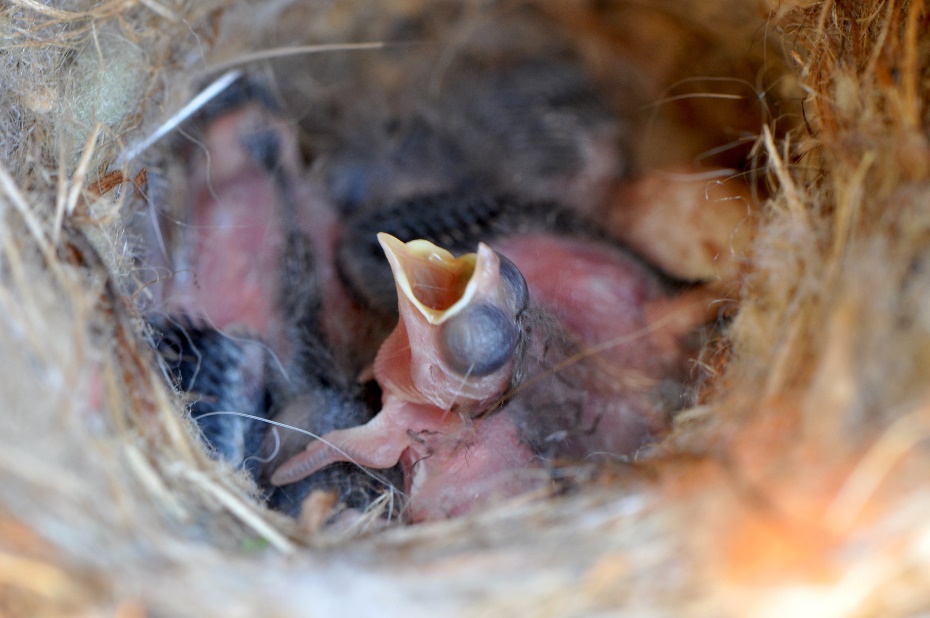
Credit: hgic.clemson.edu
Feeding Frequency And Schedule
Newborn birds need frequent feeding with a schedule to ensure proper growth. Soft foods like mashed fruits and insects are ideal. Feeding every two to three hours during daylight keeps them healthy.
Feeding newborn birds can feel like a delicate task, especially when it comes to figuring out the right frequency and schedule. Unlike adult birds, these little creatures have unique needs that require careful attention. Understanding how often to feed them and establishing a reliable schedule is crucial for their growth and survival.
How Often Should You Feed Newborn Birds?
Newborn birds have high metabolic rates and require frequent feedings. Typically, they need to be fed every 20 to 30 minutes from sunrise to sunset. This schedule ensures they receive adequate nutrition throughout the day. If you’re wondering whether you can keep up with this demanding routine, remember that dedication is key to their survival.
Establishing A Feeding Schedule
Creating a consistent feeding schedule helps ensure that the birds get the nutrients they need. Start by observing their natural behavior and feeding patterns. You might notice they become more active and vocal when hungry. Use these cues to help establish a routine.
Adjusting Feeding Frequency As They Grow
As birds grow, their feeding frequency decreases. Initially, they need constant attention, but after a few weeks, the intervals can be extended to every 45 minutes to an hour. Pay attention to their growth and adjust accordingly. It’s crucial to balance their hunger with their developmental needs.
Monitoring Bird Health Through Feeding
Regular feeding not only nourishes the birds but also allows you to monitor their health. Look for signs of healthy growth such as increased weight, active movements, and bright eyes. If you notice anything unusual, it may be a signal to tweak your feeding schedule or consult with a veterinarian.
Personal Experience With Feeding Newborn Birds
When I first started caring for newborn birds, the feeding schedule felt overwhelming. I set alarms to ensure timely feedings, and quickly learned the importance of patience and observation. It was amazing to see them grow stronger with each feeding. Have you had a similar experience? Share your thoughts in the comments.
Feeding newborn birds requires commitment and attention to detail. Adjusting feeding frequency and maintaining a reliable schedule can make all the difference in their development. Are you prepared to take on this rewarding challenge?
Homemade Bird Food Recipes
Newborn birds need special care with their diet. Homemade bird food recipes can provide the nutrition they need. Softened grains, seeds, and gentle protein sources work best. Always ensure the food is fresh and easy to digest.
Feeding newborn birds can be a delicate task. Homemade bird food recipes offer a practical and cost-effective way to ensure these tiny creatures get the nutrition they need. By crafting your own bird food, you can manage what goes into their diet, ensuring the ingredients are fresh and beneficial. Plus, it's a rewarding experience that connects you to nature in a unique way. Let's dive into the essentials of creating homemade bird food.
Ingredients To Use
Choosing the right ingredients is crucial for your homemade bird food. Think about what nutrients baby birds need. Boiled eggs are a fantastic source of protein. Cereal grains like oats and cornmeal can provide necessary carbohydrates. Ensure you include a blend of fruits and vegetables for added vitamins. Apples, bananas, and sweet potatoes are excellent choices. Make sure the ingredients are fresh and free from pesticides.
Mixing And Preparation
The mixing process is simple, but attention is key. Start by finely mashing the boiled eggs. Add small portions of your chosen fruits and vegetables, making sure they're cut into tiny, manageable pieces. Combine these with your cereal grains in a bowl. Slowly add water to the mixture to create a soft, mushy texture suitable for baby birds. Keep in mind, the consistency should be easy to swallow, not too thick or dry. Have you ever thought about how the texture of food affects the eating experience? For newborn birds, it's all about ease and safety. By making your own bird food, you can control the texture perfectly. Always prepare the food fresh for each feeding. Cleanliness is vital; always use clean utensils and bowls. Would you feel comfortable eating from a dirty plate? Baby birds deserve the same care. Crafting homemade bird food is a fulfilling task, but it requires responsibility. Knowing what goes into your bird's diet ensures their healthy development. Have you tried making bird food at home? What was your experience like? Share your thoughts and let's learn together.
Commercial Bird Food Options
Choosing the right food for newborn birds is crucial for their growth. Commercial bird food options offer balanced nutrition. They include powdered formulas and soft foods that are easy to digest and provide essential nutrients.
Feeding newborn birds can be a challenging task. You might wonder if commercial bird food is the right option. Luckily, there are many products available that cater specifically to the nutritional needs of baby birds. These options can simplify the feeding process, ensuring your feathered friends get the right nutrients to grow strong and healthy.
Choosing The Right Product
Selecting the best commercial bird food requires careful consideration. Not all products are created equal. Look for labels that specify they are designed for newborn birds. Read reviews from other bird owners. Personal experiences can shed light on how well a product works. Sometimes, a friend's recommendation can guide you to the perfect choice. Think about the species of bird you are caring for. Different birds have unique dietary needs. If you are unsure, consult with a vet or bird expert to point you in the right direction.
Evaluating Nutritional Labels
Understanding nutritional labels is crucial. Check for essential nutrients like proteins, vitamins, and minerals. These components are vital for growth and development. Compare the nutritional content across several products. A table listing protein and vitamin percentages can help you make an informed choice. Ask yourself if the product meets the specific needs of your bird. Does it contain additives or preservatives? Prioritize natural ingredients that mimic the bird's natural diet. How do you ensure your newborn bird receives the best care possible? By choosing the right commercial food and evaluating nutritional content, you set the foundation for a healthy life.
Signs Of Nutritional Deficiencies
Newborn birds rely on proper nutrition for growth and health. Missing essential nutrients can lead to various symptoms. It's vital to recognize these signs early. Addressing them promptly can save the bird from severe health issues. Below, we explore two main categories of symptoms: physical and behavioral.
Physical Symptoms
Physical signs are often the first indicators of nutritional deficiencies. Weakness is a common symptom. If the bird struggles to stand or move, it may lack strength. Feather abnormalities also suggest problems. Feathers may appear dull or brittle, indicating poor nutrition. Slow growth is another red flag. If the bird isn't growing as expected, it might need a better diet. Eye issues can also occur. Swollen or cloudy eyes may point to deficiencies.
Behavioral Changes
Behavioral changes are crucial indicators of nutritional problems. A lethargic bird may not be getting enough nutrients. If it sleeps more than usual, it might be weak. Changes in eating habits can signal deficiencies. If the bird refuses food, there's a problem. Excessive vocalization is another sign. A bird that cries more than usual might be in distress. Aggressive behavior can also emerge. Nutritional imbalances might make a bird irritable.
Tips For Safe Feeding Practices
Choosing suitable food for newborn birds is crucial for their growth. Offer a mix of soft fruits and specialized bird formula. Avoid seeds and large foods that can cause choking. Ensure cleanliness and freshness to prevent illness.
Feeding newborn birds can be a delicate task. It's essential to ensure their safety and health while providing the nutrition they need to grow. As you embark on this nurturing journey, consider these safe feeding practices to keep your feathered friends thriving.
Avoiding Overfeeding
Overfeeding is a common mistake that can lead to serious health issues. You might feel tempted to feed them more, assuming it's beneficial. However, newborn birds have tiny stomachs that can only hold so much. Use a small dropper or syringe for feeding, allowing you to control the amount. Observe their feeding cues; if they turn away, it means they’re full. Can you imagine the discomfort of having a too-full belly?
Sanitation And Hygiene
Cleanliness is crucial when feeding newborn birds. Dirty feeding tools can introduce harmful bacteria. It's essential to sterilize droppers and utensils before each feeding. Wash your hands thoroughly to prevent contamination. Keep the feeding area tidy and free from debris. How often do you consider the cleanliness of the environment while feeding? By following these tips, you ensure the safe and healthy growth of your newborn birds. Feeding them properly requires careful attention and cleanliness, fostering a nurturing environment that supports their development.
Consulting Avian Experts
Feeding newborn birds can be challenging for many bird lovers. It's crucial to understand their specific dietary needs. Consulting avian experts ensures that the birds receive the right nutrition. Experts offer advice that can make a difference in a bird's early life. They help identify the best food options and feeding techniques.
When To Seek Professional Help
Noticing abnormal behavior in your bird? Seek professional help. Symptoms like lethargy or not eating might need expert advice. If unsure about feeding practices, consult an avian vet. Proper guidance can prevent potential health issues.
Finding A Qualified Avian Vet
Search for veterinarians who specialize in birds. Check local directories or online reviews for recommendations. Ensure the vet is certified and experienced with avian care. A qualified vet provides the best advice for your bird's health. Regular check-ups can keep your bird healthy and thriving.

Credit: www.bilantan.com
Frequently Asked Questions
What Do Newborn Birds Eat In The Wild?
Newborn birds in the wild primarily eat regurgitated food from their parents. This includes insects, worms, or seeds. The diet depends on the bird species. Parents provide high-protein food to support rapid growth. It's crucial for them to receive appropriate nutrition to thrive.
Can You Feed Baby Birds Cow's Milk?
No, you shouldn't feed cow's milk to baby birds. Birds can't digest lactose, which can cause digestive issues. Instead, provide them with a suitable bird formula. This ensures they get the necessary nutrients for growth and development. Always consult a veterinarian for specific dietary advice.
How Often Should Baby Birds Be Fed?
Baby birds typically require feeding every 15-20 minutes from sunrise to sunset. This frequent feeding supports their rapid growth and high energy needs. As they age, the frequency decreases. It's important to mimic natural feeding patterns. Consult a wildlife expert for specific feeding schedules.
What Are Safe Foods For Baby Birds?
Safe foods for baby birds include moistened dog or cat kibble, hard-boiled eggs, and mealworms. Avoid offering seeds to very young birds. These foods should be soft and easy to swallow. Always ensure food is at room temperature to prevent digestive issues.
Conclusion
Feeding newborn birds requires care and attention. Choose foods that mimic their natural diet. Small insects and soaked dog biscuits work well. Hydration is crucial; ensure they have water. Always keep feeding tools clean to prevent infections. Observe their growth and adjust their diet accordingly.
Each bird species may have specific needs. Research is key to understanding these requirements. Proper feeding ensures healthy development and survival. Every bird depends on you for nutrition. Your efforts help them thrive and grow strong. Nurturing them with the right food is rewarding.
Be patient and consistent with feeding routines.